

 EN
EN

 English
 русский
 Español
Standard Air Operated Pinch Valves
Cat:Air Operated Pinch Valves
Air Operated pinch valves offer a unique and cost-effective solution for fluid control problems. The secret lies in the rubber valve sleeve - the onl...
See DetailsContent
A 600 MW coal-fired power plant can lose weeks of operating time every year to valve failures in its ash handling and flue-gas desulfurization (FGD) systems. The cause is rarely the valve brand. It is the mismatch between a valve designed for clean steam or water and a slurry line that carries abrasive, corrosive solids at speed. Selecting valves for power generation by service class is the most reliable way to cut downtime and maintenance cost, and on slurry circuits that almost always points to pinch valves and slurry knife gate valves.
Every power plant, whether coal-fired, gas-fired, biomass, or waste-to-energy, contains two fundamentally different valve duty classes. Confusing them is the single most common cause of premature valve failure.
Most valves in a power plant never see a solid particle. Boiler feedwater, main steam, condensate, extraction steam, cooling water, and auxiliary water lines are clean services. For these circuits the industry conventionally relies on bolted bonnet and pressure seal gate valves for isolation, globe valves for throttling, swing check and tilt disc check valves for flow reversal protection, and ball or butterfly valves where quarter-turn operation is required. Selection is governed by pressure class, temperature rating, and shut-off class, not by abrasion resistance.
The other side of a power plant is far less forgiving. Bottom ash and fly ash sluicing, FGD limestone slurry feed, gypsum slurry discharge, coal runoff settling, and scrubber blowdown all carry suspended solids. In these services, nominal pressure class matters less than how the valve handles abrasive media, settles entrained solids, and avoids internal dead zones.
A metal-seated gate valve that performs flawlessly on high-temperature steam will typically erode at the seat within weeks when installed on a bottom ash line. Operators who have managed ash systems know the sequence: seat erosion, then leakage, then complete loss of shut-off.
| Service class | Typical media | Common valve types | Dominant failure mode |
|---|---|---|---|
| Clean service | Steam, water, condensate, lube oil | Gate, globe, check, ball, butterfly | Seat leakage, packing wear |
| Slurry service | Ash slurry, FGD slurry, coal fines | Pinch, slurry knife gate, diaphragm | Erosion, scaling, solids jam |
Slurry erosion follows simple physics: abrasive particles moving at speed cut into any surface they strike. Valve seat faces, disc edges, and body cavities create turbulence and local velocity increases, and those are the points where metal disappears fastest. When the slurry also contains chlorides or acidic scrubber liquor, corrosion accelerates the damage. A metal trim that survives for years on clean feedwater can be a consumable item on an ash line.
Slurry circuits also settle. A warm, slow-moving FGD line can deposit gypsum scale on internal surfaces, packing a gate valve body with solids and preventing the disc from seating. The valve will not close, control is lost, and the line has to be isolated for confined-space cleaning. Repeated blockages are a common reason plants switch from standard gate valves to self-clearing designs such as pinch valves or slurry knife gate valves.
The dominant expense of a slurry valve failure is the unscheduled outage, the maintenance crew time, and the lost generation while the unit runs at reduced load. This is why the abrasion resistance and sealing reliability of the valve itself, not its initial price, should drive the specification.
A pinch valve is the most direct solution to slurry isolation and flow control. The valve body contains a single elastomer sleeve, and the only moving part is the mechanism that compresses the sleeve to close the bore. In the fully open position the bore is clear and unobstructed. There is no seat, no body cavity, and no trim in the media path.
That architecture suits bottom ash, fly ash slurry, FGD limestone, and gypsum or wastewater lines. Because the sleeve closes around trapped solids, the valve maintains a drop-tight closure even if a few particles are caught at the pinch point.
The practical boundary of a pinch valve is the elastomer sleeve. Natural rubber, neoprene, EPDM, and chlorobutyl sleeves differ in abrasion resistance, chemical compatibility, and temperature ceiling. Most pinch valves in power plant slurry service operate well below the pressure classes used on steam circuits, so it is essential to check pinch valve pressure ratings and operating limits before specifying one. Vacuum service and cyclic duty impose additional constraints on the sleeve.
For the most demanding abrasive services, the closed-body pinch valve supports a higher pressure envelope than an open-body design while keeping the sleeve fully contained and better protected.
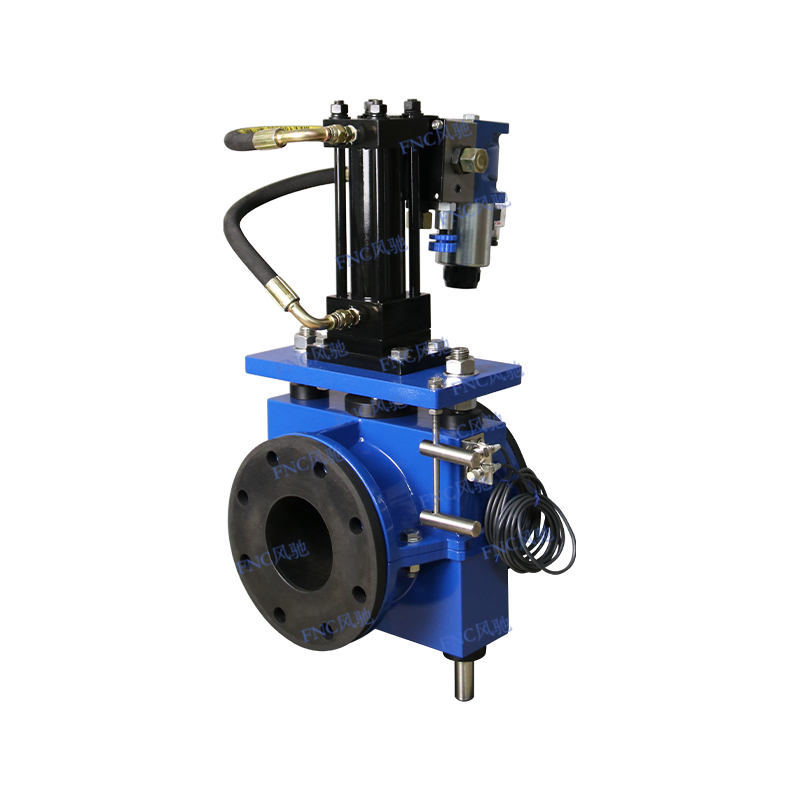 Closed Body Pinch Valve Suppliers, Company - Anhui Fengchi Pump Valve ManufacturFengchi is Closed Body Pinch Valve Suppliers and Company in China, Wholesale Closed Body Pinch Valve online, The operating principle of t...View Product →
Modern power plants do not want an operator walking out to an ash pond to close a valve by hand. Air-operated pinch valves are specified wherever the control system needs to open or close an isolation valve remotely, whether through a solenoid, positioner, or limit switch assembly. For purge lines and instrumentation lines, mini air-operated pinch valves fit into tight spaces, and split-body designs simplify sleeve replacement without removing the valve from the line.
When automating a pinch valve, two specifications must be right: the actuator operating pressure and the sleeve life under the actual duty cycle. The air-operated pinch valve is a common choice for ash and FGD service because it delivers reliable remote operation while preserving the full-bore flow of the sleeve design.
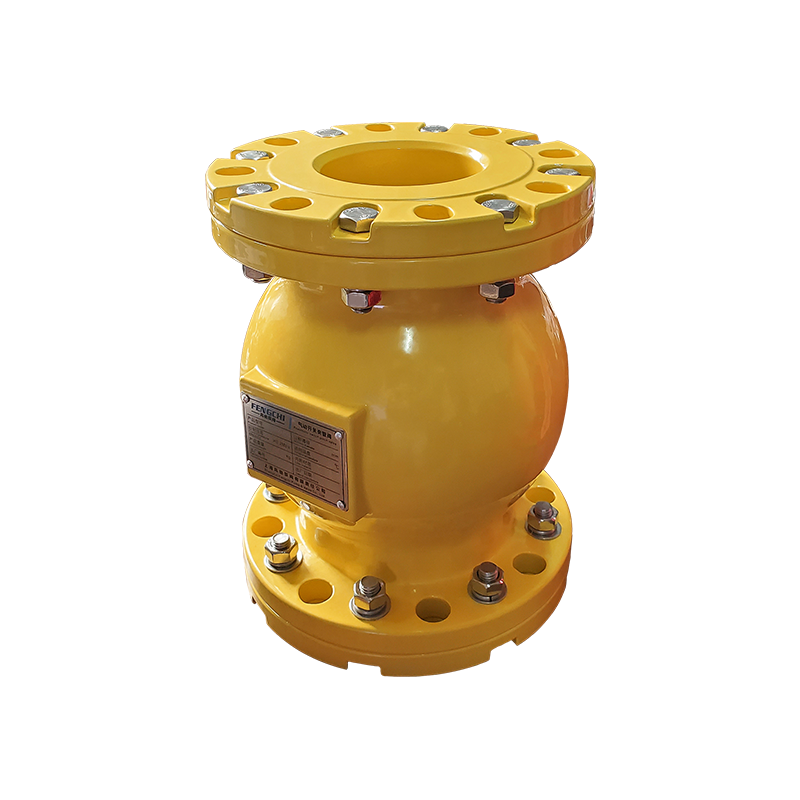 Standard Air Operated Pinch Valves Suppliers, Company - Anhui Fengchi Pump ValveFengchi is Standard Air Operated Pinch Valves Suppliers and Company in China, Wholesale Standard Air Operated Pinch Valves online, Air Op...View Product →
Pinch valves are not the answer for every power plant slurry line. Where the line is too large for a practical pinch valve, where the slurry is coarse and heavy, or where a metal seat is considered necessary, a slurry knife gate valve is the proven alternative.
The knife-gate design uses a sharp-edged metal gate that cuts through suspended solids as it closes, and a metal seat that provides a more rigid shut-off than an elastomer sleeve alone. On bottom ash lines, scrubber bleed, and coal slurry sump discharge, slurry knife gate valves regularly outlast standard gate valves by a wide margin. They are also a better fit for coarse particles that would rapidly damage a rubber sleeve.
Not all slurry knife gate valves are the same. The differences between standard, heavy-duty, and wear-protected series affect both installed cost and service life, so it is worth reviewing a dedicated slurry knife gate valve selection guide before choosing a model. As a general rule, hard-faced and lined versions suit high-solids or corrosive service, while standard versions are adequate for intermittent use on low-abrasion lines.
The slurry knife gate valve family is available in three series, KGVA, KGVH, and KGVPU, which should be selected on media composition, solids content, and operating frequency, not by nominal bore alone.
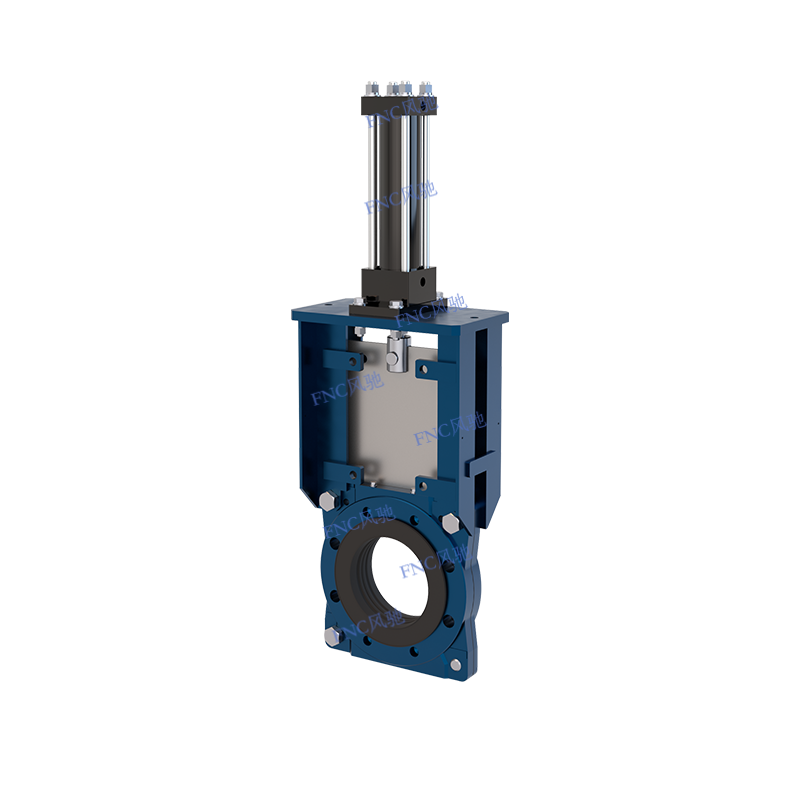 KGV-D knife gate valves Suppliers, Company - Anhui Fengchi Pump Valve ManufacturFengchi is KGV-D knife gate valves Suppliers and Company in China, Wholesale KGV-D knife gate valves online, The FNC Slurry Knife Gate Va...View Product →
To avoid repeating other plants' failures, work through the service class first, then the valve type, then the specification details. These steps apply to new plants and retrofit projects alike.
Walk the line, look at the media, and answer five questions:
On clean steam and water circuits, gate, globe, check, ball, and butterfly valves remain the right choices. On slurry circuits, use pinch valves for isolation and control, and slurry knife gate valves where rigid isolation is preferred. Forcing a clean-service valve into slurry duty is the fastest way to create a repeat maintenance problem.
Once the valve type is shortlisted, verify the pressure rating and the size. Undersized valves accelerate erosion by increasing velocity; oversized valves settle solids or make control unstable. The pinch valve size guide explains how to size these products and how to interpret flow and velocity data for solids-bearing media.
For elastomer-dependent valves, the sleeve is the component that determines reliability. A manufacturer that compounds its own rubber and controls molding and vulcanization in-house is better positioned to deliver consistent quality than one that buys sleeves from a third party. Ask about the manufacturer's experience in abrasive service, its certified management systems, its export track record, and its ability to supply replacement sleeves for planned maintenance.
The takeaway is simple. Valves for power generation are not selected by picking the most expensive catalogue entry or by copying the previous purchase order. Define the service class, choose the valve architecture that matches it, verify pressure rating and size, and evaluate the manufacturer's ability to deliver a valve that stays tight on the actual plant media. On the slurry side of a power plant, that process points consistently to pinch valves and slurry knife gate valves. They may not look like a conventional steam-circuit valve, but they are the ones that keep ash and FGD systems online.
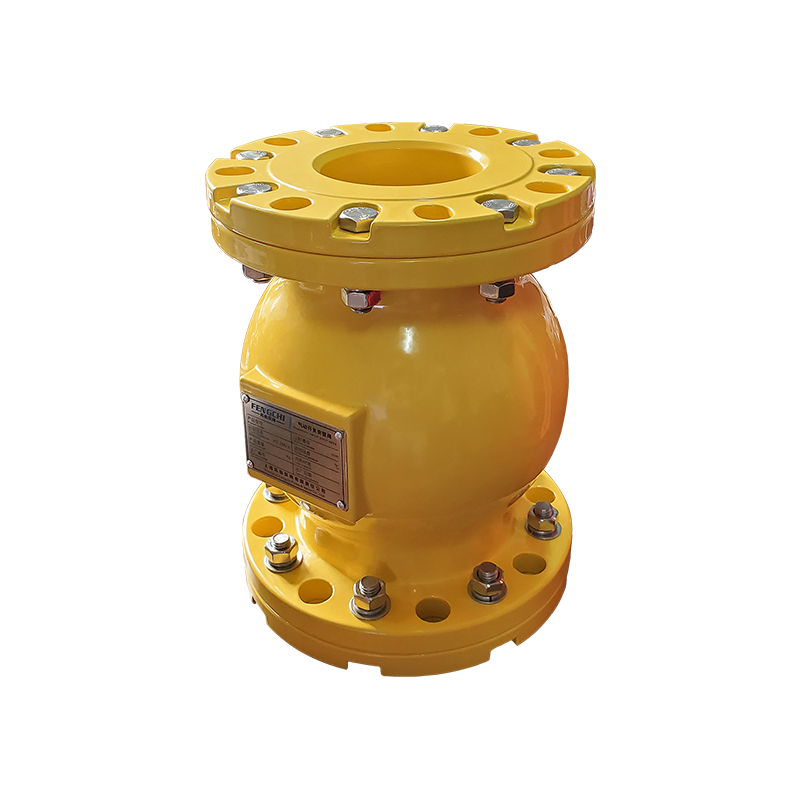
Air Operated pinch valves offer a unique and cost-effective solution for fluid control problems. The secret lies in the rubber valve sleeve - the onl...
See Details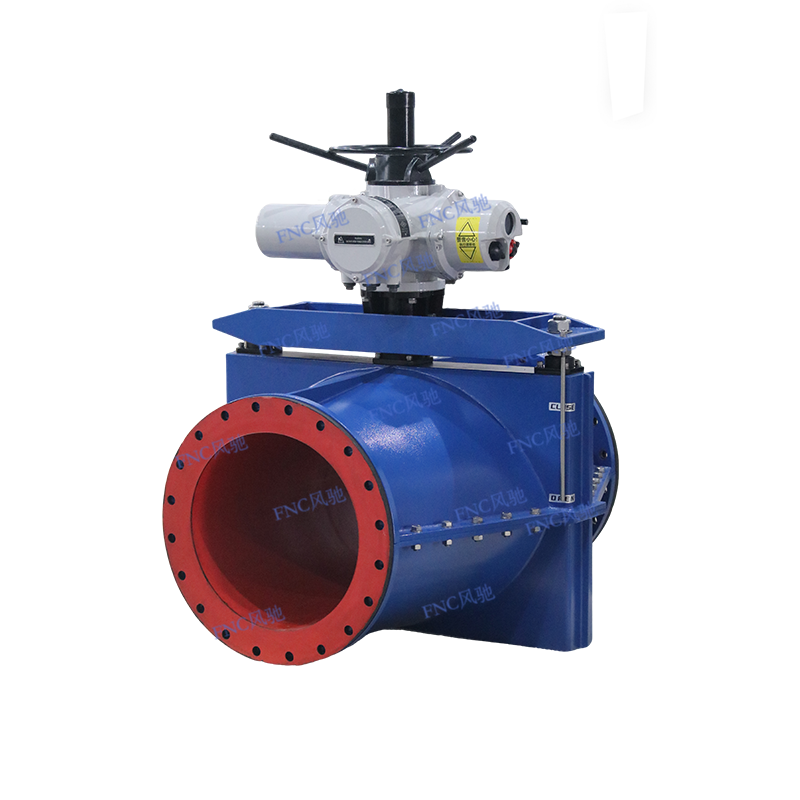
Compared to ordinary pinch valves, large-diameter pinch valves have much higher production requirements. As the “core component” of the pinch valve, t...
See Details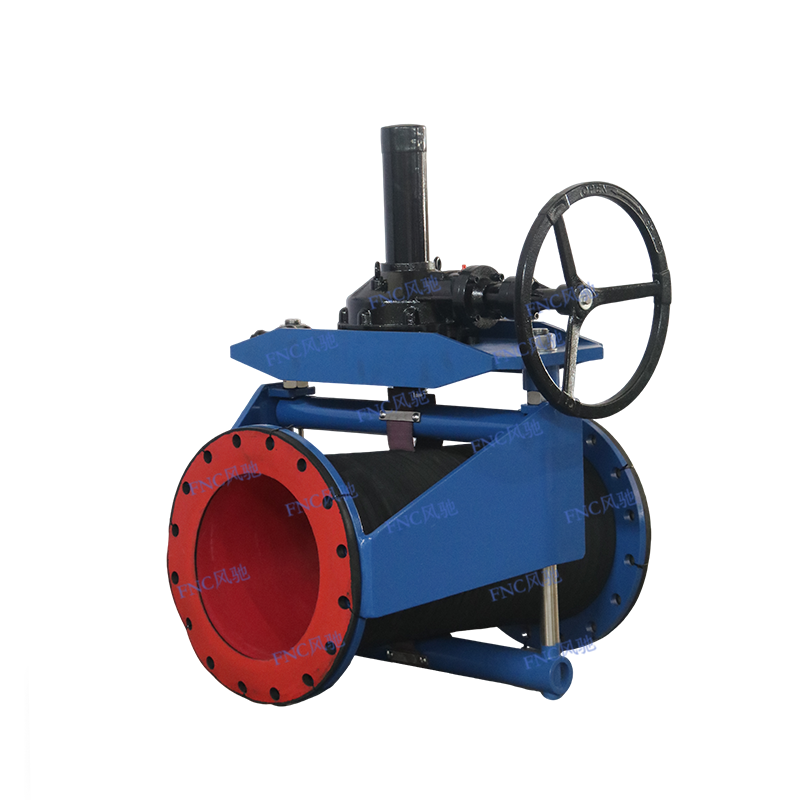
The operating principle of the FNC® enclosed pinch valve is straightforward. When in the open position, the valve provides a full-bore passage, allowi...
See Details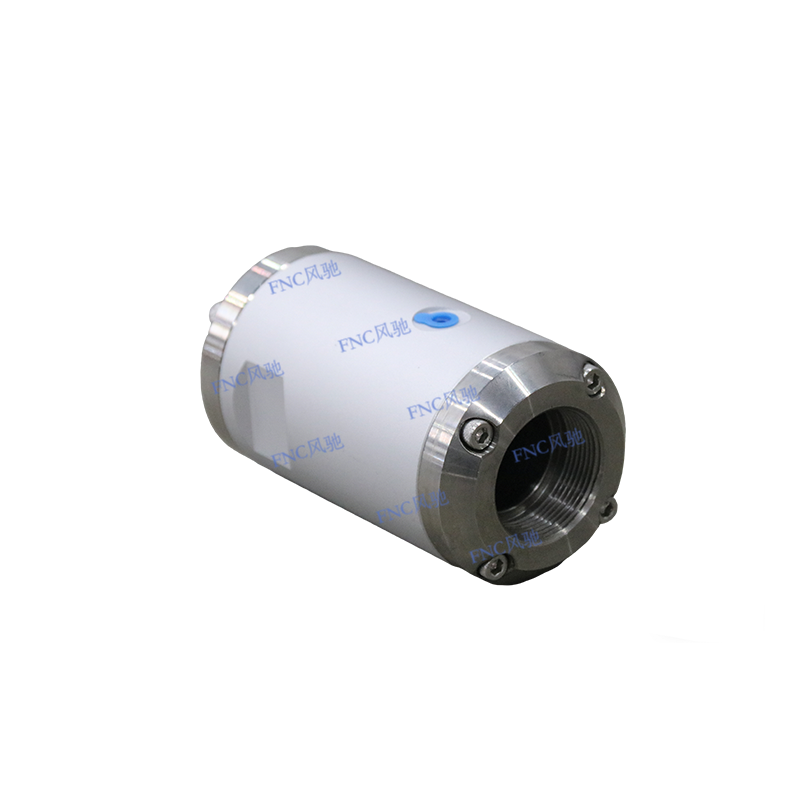
Air Operated pinch valves offer a unique and cost-effective solution for fluid control problems. The secret lies in the rubber valve sleeve - the onl...
See Details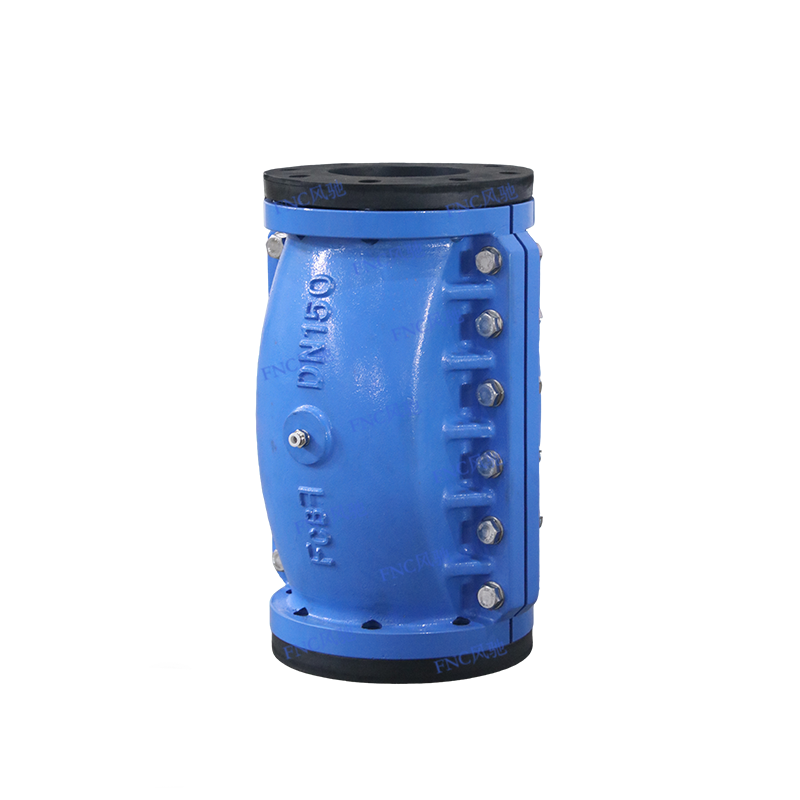
Air Operated pinch valves offer a unique and cost-effective solution for fluid control problems. The secret lies in the rubber valve sleeve - the onl...
See Details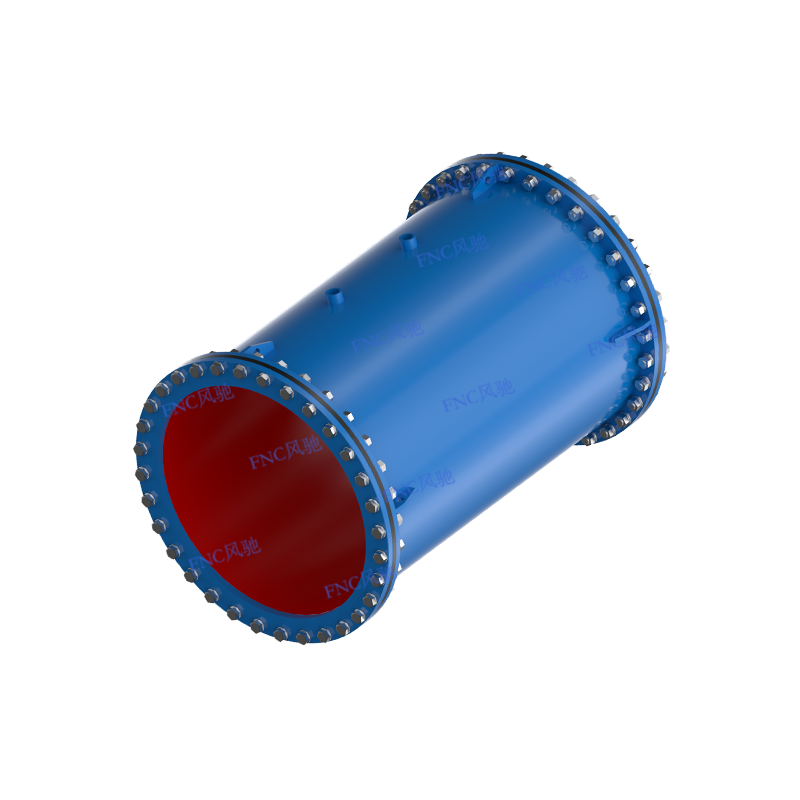
Air Operated pinch valves offer a unique and cost-effective solution for fluid control problems. The secret lies in the rubber valve sleeve - the onl...
See Details
Phone: +86-136 7173 4086

Tel: +86-563 5033 866

Email: red@pinchvalves.com.cn

Address:
