

 EN
EN

 English
 русский
 Español
Standard Air Operated Pinch Valves
Cat:Air Operated Pinch Valves
Air Operated pinch valves offer a unique and cost-effective solution for fluid control problems. The secret lies in the rubber valve sleeve - the onl...
See DetailsValve reliability is decided long before installation. It is decided when a sealing face is ground flat to within a few microns, when a body bore is machined inside strict concentricity limits, and when an elastomer sleeve is cured in a mould whose forming surfaces have themselves been machined and polished to a controlled finish. In mining slurry lines, tailings pipelines, and abrasive process circuits, those details separate a valve that serves for years from one that fails within a few operating cycles.
Bottom line: in severe service, machining precision and controlled elastomer processing are the two factors that set the true service life, maintenance interval, and total cost of ownership of a valve. Buyers who audit a manufacturer's machining capability instead of reading catalogue figures make far more predictable purchasing decisions.
Content
Valve machining is not a single process. A modern valve plant combines multi-axis CNC metal cutting, precision grinding and lapping of sealing surfaces, and — for elastomer-based designs — mould production and vulcanization controlled with the same rigour as metal cutting. The true value of each technology becomes visible only when the valve is in service.
Valve bodies with angled ports, offset seats, or complex internal flow passages expose the limits of conventional three-axis machining. A five-axis machining centre completes those features in one setup, eliminating the tolerance stack-up that appears whenever a part is repositioned across several machines. The practical result is better concentricity between the seat and the flange and a measurable reduction in leakage-related rejects.
In high-volume production, servo-driven rotary platforms are gaining ground because they index the workpiece between operations without losing positional accuracy. That combination — five-axis flexibility for complex parts and servo indexing for repeatable high-volume runs — is the benchmark to look for when evaluating a valve factory.
The sealing face is where machining quality becomes measurable. For metal-seated valves, seat flatness and surface finish determine whether the valve can achieve zero leakage under test and in service. For soft-seated designs, the machined mating surface inside the valve body should typically reach Ra 0.8 micrometres or better; anything rougher accelerates abrasion of the soft element.
In a pinch valve, the housing bore that compresses the sleeve is a machined surface as well. If that bore is oval or poorly finished, the sleeve is squeezed unevenly and abrasion concentrates in one circumferential zone. This is why the working principle and mechanical construction of a pinch valve matter to production engineers: even a small machining deviation multiplies into a rapid sleeve failure.
For pinch valves, lined slurry knife gate valves, and hose pumps, the elastomer is the wetted component that absorbs wear. Its performance depends on compound formulation, mould geometry, and vulcanization control. Mould surfaces must be machined and polished to a strict finish because every imperfection transfers directly to the sleeve surface.
Anhui Fengchi Pump Valve Manufacturing performs rubber compounding, moulding, and vulcanization in-house, with large vulcanization equipment and rubber raw-material testing facilities. That is how a manufacturer controls wall-thickness consistency and hardness repeatability from batch to batch — the exact capability a buyer should verify before ordering valves for abrasive media.
Different valve parts justify different machining strategies. The comparison below reflects practical capability ranges common in precision engineering and explains why a modern valve plant needs more than one machine type.
The pattern is clear: the more complex the geometry, the more a manufacturer must invest in multi-axis machines and skilled programming. The smaller the component, the more turning accuracy matters. The larger and more critical the elastomer part, the more the mould and vulcanization process dominate quality.
Plant maintenance records from abrasive-service circuits show a predictable distribution of valve failure causes. These indicative benchmarks help set inspection priorities and connect each failure mode back to a machining or processing parameter.
The harshest machining requirements come from abrasive and corrosive media. Consumption of slurry-rated valves follows a clear pattern across industries.
Mining dominates because slurry circuits punish every geometrical defect. A manufacturer that supplies large mining projects gains real-world evidence of which machining choices work. Anhui Fengchi, for example, ships roughly 40% of its production to overseas mining customers, which is why its slurry knife gate valve range is engineered around flat, burr-free sealing faces and replaceable elastomer components.
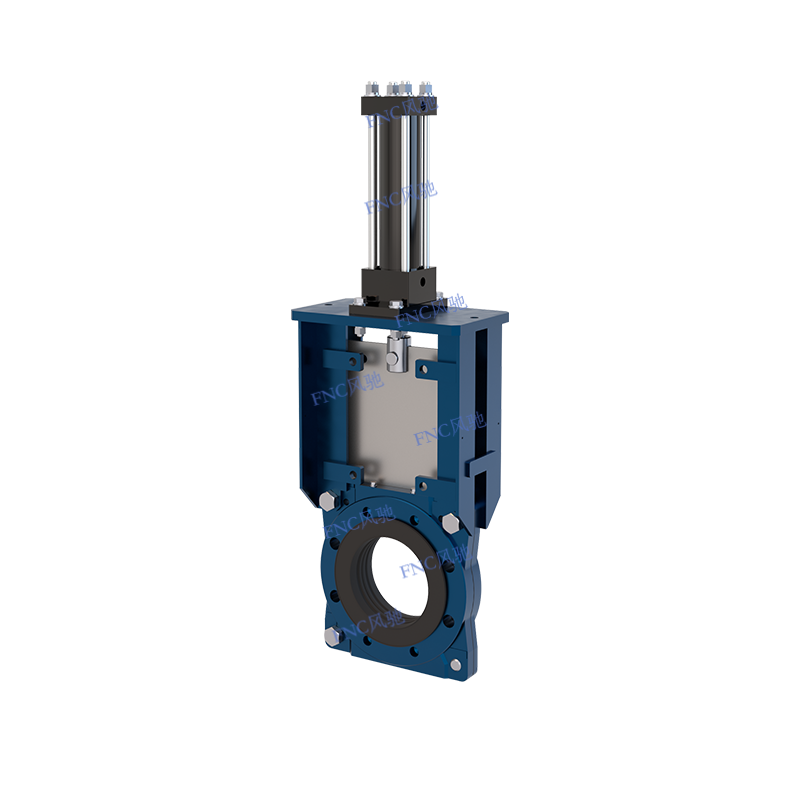 KGV-D knife gate valves Suppliers, Company - Anhui Fengchi Pump Valve ManufacturFengchi is KGV-D knife gate valves Suppliers and Company in China, Wholesale KGV-D knife gate valves online, The FNC Slurry Knife Gate Va...View Product →
A disciplined four-step review reduces the risk of buying a valve that looks correct on paper but fails on site.
Record media composition, solids content and particle shape, operating pressure and temperature, and cycle frequency. Use a pressure ratings and operating-limit guide to confirm the design margin, especially for surge conditions.
Choose a pinch valve when the line carries abrasive slurry and the duty is isolation or throttling. Choose a knife gate valve for on/off control of heavy solids. For pumping duties, a hose pump moves the media without contacting pump internals. A closed-body pinch valve is the standard choice for fully enclosed, pressurized slurry lines.
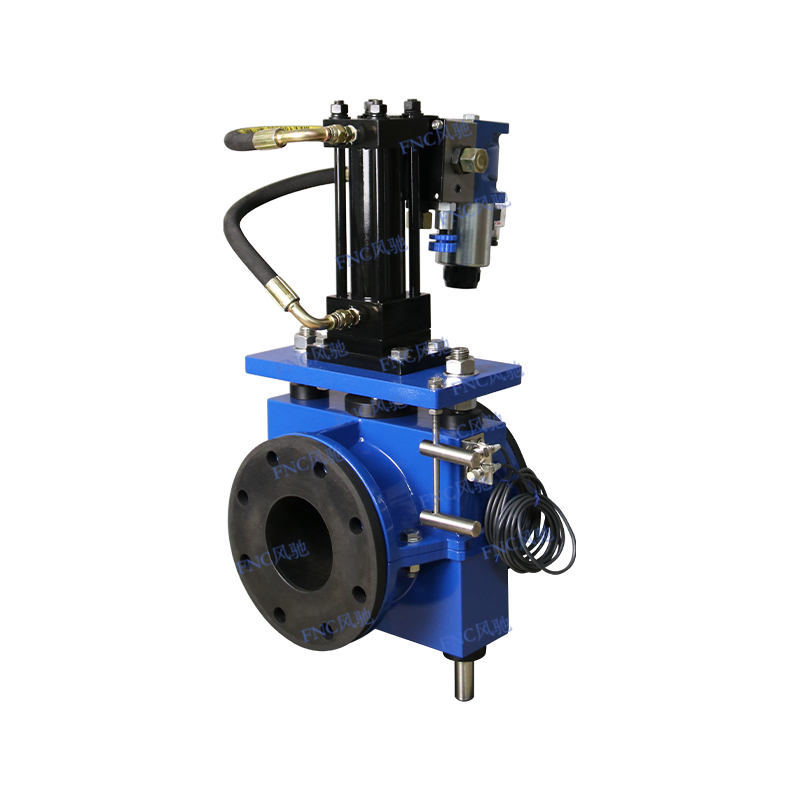 Closed Body Pinch Valve Suppliers, Company - Anhui Fengchi Pump Valve ManufacturFengchi is Closed Body Pinch Valve Suppliers and Company in China, Wholesale Closed Body Pinch Valve online, The operating principle of t...View Product →
Verify CNC machine inventory, in-house rubber processing, test benches, and quality certificates. The ability to control both metal machining and elastomer moulding under one roof shortens lead times and reduces tolerance mismatches between components.
Ask for dimensional inspection reports, material certificates, hydrostatic and seat leakage test records, and a production sample with the actual sleeve or lining compound. If the application needs automated control or remote monitoring, review air-operated pinch valves with position feedback options before finalizing the order.
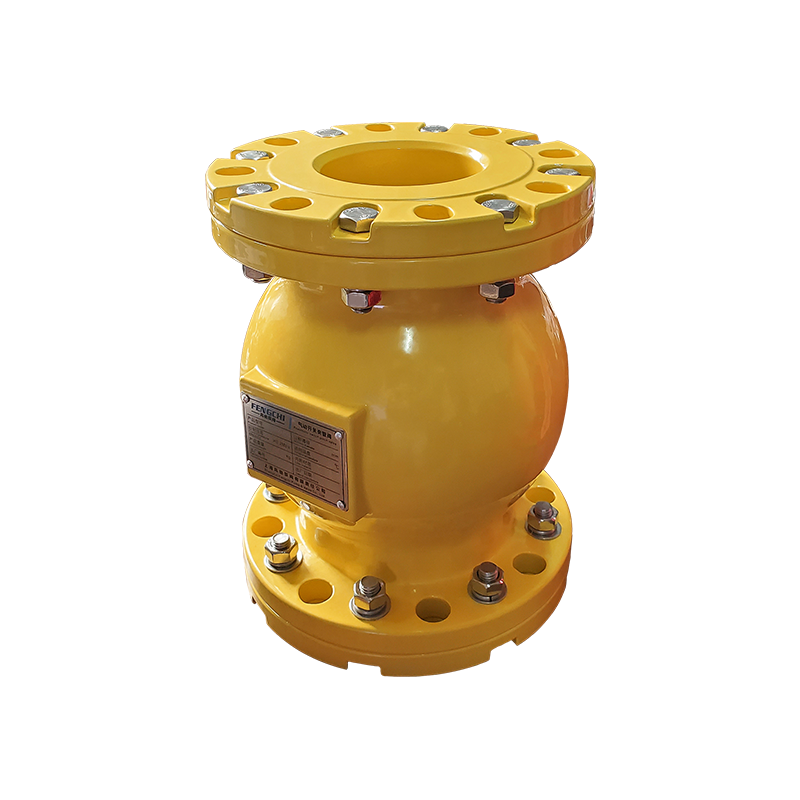 Standard Air Operated Pinch Valves Suppliers, Company - Anhui Fengchi Pump ValveFengchi is Standard Air Operated Pinch Valves Suppliers and Company in China, Wholesale Standard Air Operated Pinch Valves online, Air Op...View Product →
ROI note: a valve priced 20% higher but delivering double the sleeve life cuts the cost per operating hour nearly in half. The most expensive valve is usually the one that fails near the production bottleneck.
Machining quality determines not only first service life but also how successfully a valve can be maintained over time. Consistent geometry means spare sleeves and seats fit without shimming, and repeatable surfaces allow predictable wear monitoring.
When sourcing valves for export projects or regulated plants, verify documented management systems. Anhui Fengchi holds ISO 9001:2015 quality management, ISO 14000 environmental, ISO 45001 occupational health and safety certifications, plus CE and RoHS marks for the European market. Such certificates support traceability from raw material to finished product.
For slurry plants, review which air-operated pinch valves suit mining service to match control features with site conditions.
Cutting-edge valve machining is not about exotic machines alone. It is about controlling every surface, every tolerance, and every mould that touches the media. Manufacturers that treat elastomer processing as precision manufacturing, document their machining capability, and prove it with test data are the ones whose valves survive abrasive and corrosive duty. That discipline, more than any single technology, is what makes severe-service valves predictable.
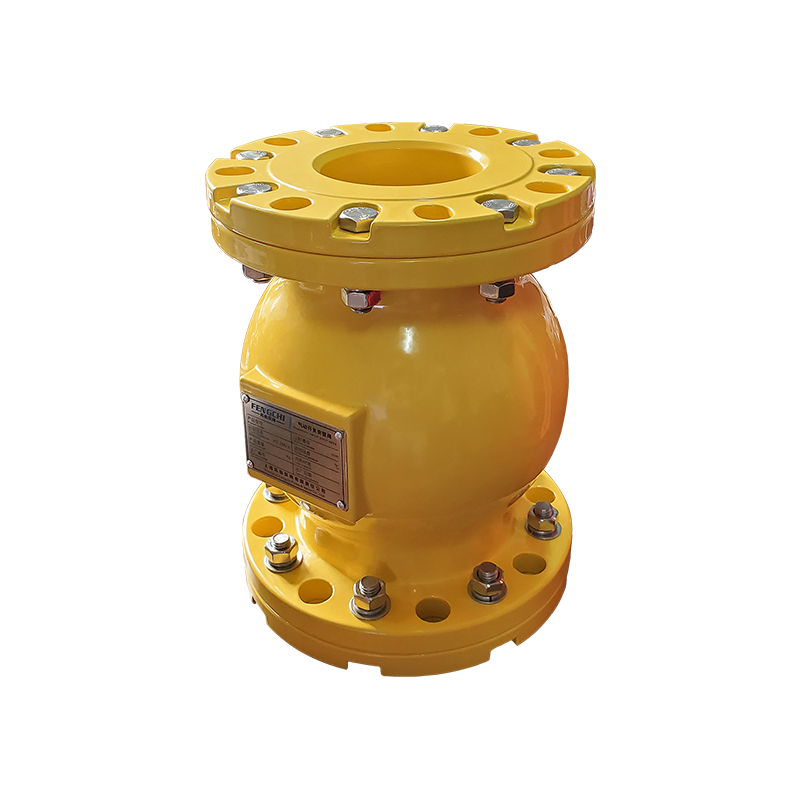
Air Operated pinch valves offer a unique and cost-effective solution for fluid control problems. The secret lies in the rubber valve sleeve - the onl...
See Details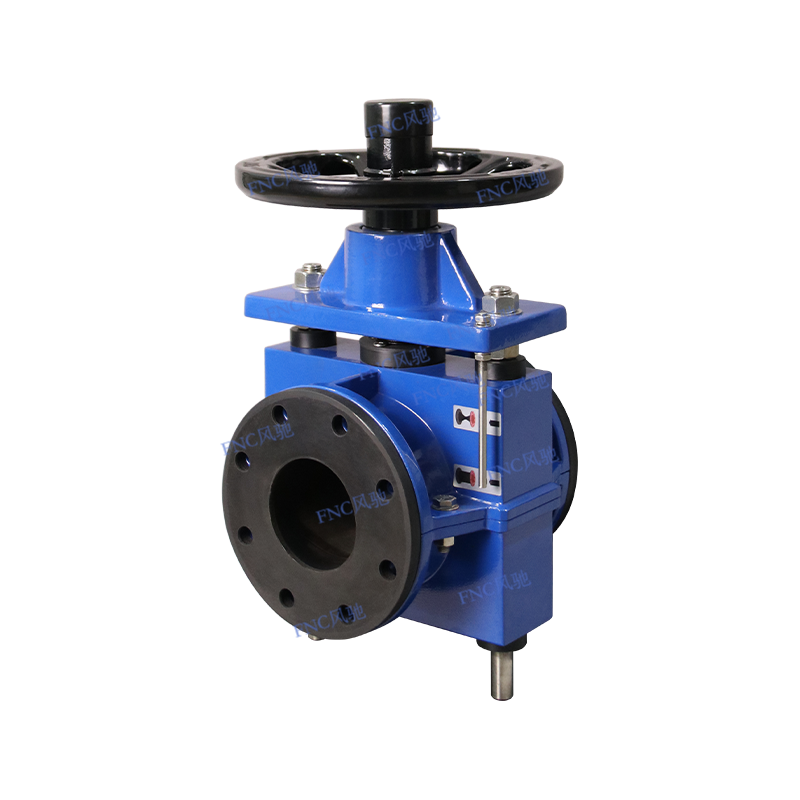
The operating principle of the FNC® enclosed pinch valve is straightforward. When in the open position, the valve provides a full-bore passage, allowi...
See Details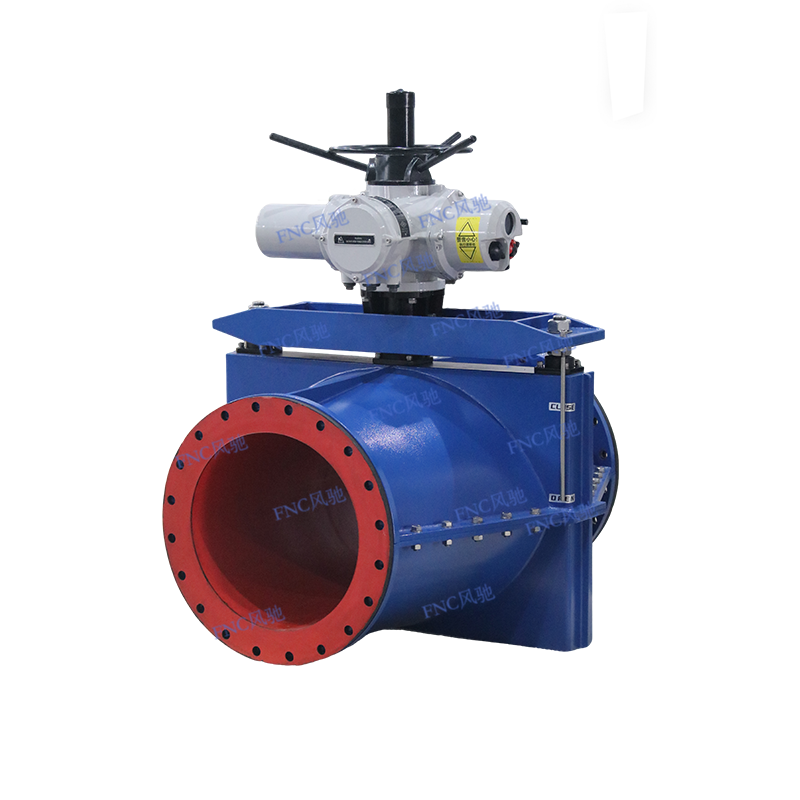
Compared to ordinary pinch valves, large-diameter pinch valves have much higher production requirements. As the “core component” of the pinch valve, t...
See Details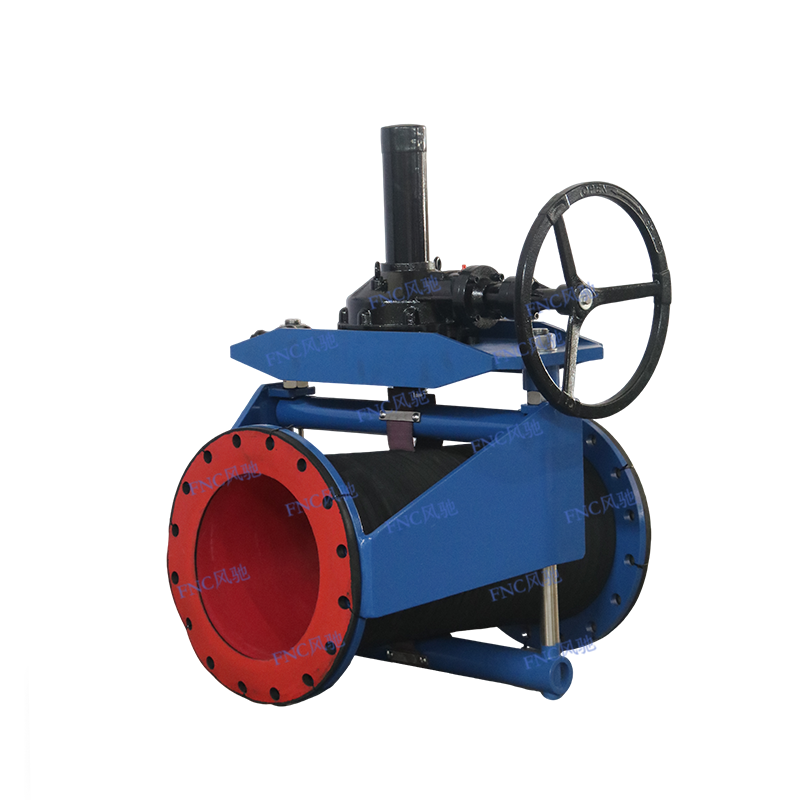
The operating principle of the FNC® enclosed pinch valve is straightforward. When in the open position, the valve provides a full-bore passage, allowi...
See Details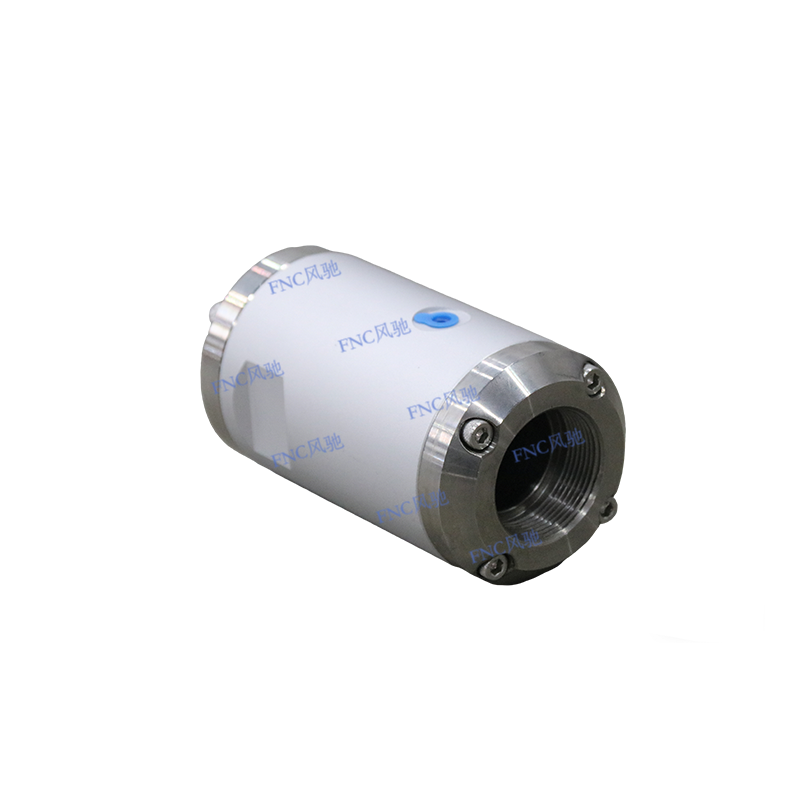
Air Operated pinch valves offer a unique and cost-effective solution for fluid control problems. The secret lies in the rubber valve sleeve - the onl...
See Details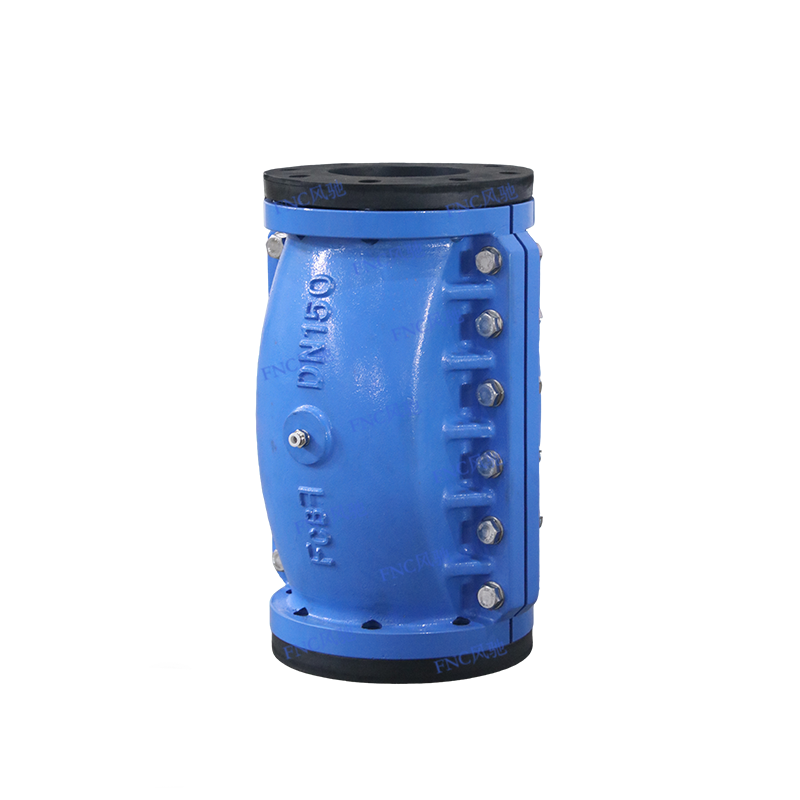
Air Operated pinch valves offer a unique and cost-effective solution for fluid control problems. The secret lies in the rubber valve sleeve - the onl...
See Details
Phone: +86-136 7173 4086

Tel: +86-563 5033 866

Email: red@pinchvalves.com.cn

Address:
