

 EN
EN

 English
 русский
 Español
Closed Body Pinch Valve
Cat:Pinch Valves
The operating principle of the FNC® enclosed pinch valve is straightforward. When in the open position, the valve provides a full-bore passage, allowi...
See DetailsContent
A slurry knife gate valve is a specialized industrial flow control device engineered specifically to handle thick, abrasive, and viscous media that would rapidly destroy conventional gate, ball, or butterfly valves. Unlike standard isolation valves, the knife gate valve incorporates a sharp-edged, flat gate that cuts cleanly through dense slurries, fibrous suspensions, and particle-laden fluids as it closes — shearing through the flow stream rather than attempting to compress or divert it. This cutting action prevents the solids accumulation and packing that causes conventional valves to seize or leak when used in slurry service.
The industrial environments where slurry knife gate valves are indispensable include mining and mineral processing (ore slurries, tailings transport, concentrate lines), pulp and paper manufacturing (wood pulp, black liquor, broke handling), wastewater treatment (sludge, biosolids, primary effluent), power generation (fly ash, bottom ash, FGD slurry), and chemical processing (titanium dioxide slurry, pigment suspensions, catalyst slurries). In every one of these applications, the medium contains suspended solids at concentrations — typically 15 to 70% by weight — that demand a valve designed from first principles around the properties of the fluid it must control rather than adapted from a design originally intended for clean liquid or gas service.
The engineering of a high-performance slurry knife gate valve addresses three fundamental challenges simultaneously: achieving a reliable bi-directional seal against a medium that actively tries to infiltrate sealing surfaces, maintaining actuation force within practical limits despite solids packing around the gate, and delivering service life measured in years rather than months in a highly abrasive environment. Each design feature of the valve body, gate, seat, and packing system contributes to meeting these challenges.
The gate itself is the defining component of any knife gate valve. In slurry service, the gate is typically manufactured from stainless steel (316L or duplex grades) or high-chromium white iron, with the leading edge ground to a beveled or V-profile cutting angle of 30 to 45 degrees. This geometry concentrates closure force along a narrow line contact with the seat, generating sufficient unit pressure to sever fibrous inclusions and displace solid particles that would otherwise prevent full closure. The gate surface finish is critical — a smooth, hard surface minimizes the adhesion of slurry solids to the gate face, reducing the packing force required for subsequent actuation cycles and preventing the buildup that ultimately causes premature seat wear.
Seating arrangements in slurry knife gate valves range from metal-to-metal seats for high-temperature or highly abrasive applications to full-port resilient seats using vulcanized rubber liners for slurries where a bubble-tight seal is required at moderate temperatures. Rubber-lined seats — typically manufactured from natural rubber, EPDM, nitrile (NBR), or neoprene depending on chemical compatibility — provide the elastic compliance necessary to accommodate the surface irregularities introduced by abrasive wear without immediate seal failure. The vulcanization quality of the rubber seat directly determines how long the valve maintains its sealing integrity; a poorly bonded or under-cured liner will delaminate under the repeated mechanical stress of gate actuation, while a correctly vulcanized seat retains its dimensional stability and bond strength across tens of thousands of operating cycles.
The packing gland where the gate stem exits the valve body is a critical leak path in slurry service. Slurry solids under pressure will exploit any clearance between the stem and packing, migrating upward to contaminate the working environment and accelerate stem corrosion. High-quality slurry knife gate valves use multi-ring packing arrangements — typically PTFE-impregnated braided packing or chevron-profile V-ring packing — combined with a flush port that allows clean water injection to purge solids from the stem area during operation. Adjustable gland follower systems allow field tightening of packing compression without removing the valve from service, extending packing life and deferring replacement to planned maintenance intervals.
Standard slurry knife gate valves are typically rated for working pressures up to 10 bar (150 psi), which covers the majority of gravity-flow and low-head pump applications in tailings disposal, sludge handling, and pulp transport. However, a significant and growing segment of industrial slurry systems operates at substantially higher pressures — particularly in deep mining dewatering, high-density slurry pipeline transport, and pressurized filter feed applications — where a high-pressure slurry knife gate valve capable of reliable performance at 16 to 40 bar (230 to 580 psi) is required.
The transition from standard to high-pressure slurry knife gate valve design is not simply a matter of increasing wall thickness. Higher operating pressure amplifies every stress concentration in the valve body, increases the hydraulic force acting on the gate during opening and closing, and raises the risk of slurry infiltration into sealing interfaces. The following table summarizes the key specification differences between standard and high-pressure slurry valve designs:
| Parameter | Standard Slurry Knife Gate Valve | High-Pressure Slurry Knife Gate Valve |
| Pressure rating | PN6 – PN10 (up to 10 bar) | PN16 – PN40 (16–40 bar) |
| Body construction | Single-piece or split body, cast iron / ductile iron | Heavy-wall cast steel, forged steel, FEA-optimized ribbing |
| Gate material | 304/316 SS, mild steel with hard facing | Duplex SS, Stellite-overlaid, high-chrome white iron |
| Actuation | Handwheel, pneumatic cylinder | High-thrust pneumatic / hydraulic actuator, gear operator |
| Packing system | Standard multi-ring PTFE packing | Pressurized flush system, dual-seal arrangement |
| Testing standard | API 598, EN 12266-1 | API 598 + hydrostatic shell test at 1.5× rated pressure |
Actuator selection for high-pressure slurry knife gate valves requires particular care. The hydraulic unbalanced force acting on the gate at 40 bar across a 300 mm bore exceeds 28 kN — a force that exceeds the output of many standard pneumatic cylinders and requires either a high-thrust actuator, a pressure-balanced gate design, or a mechanical gear assist to achieve reliable operation within safe actuator loading limits.
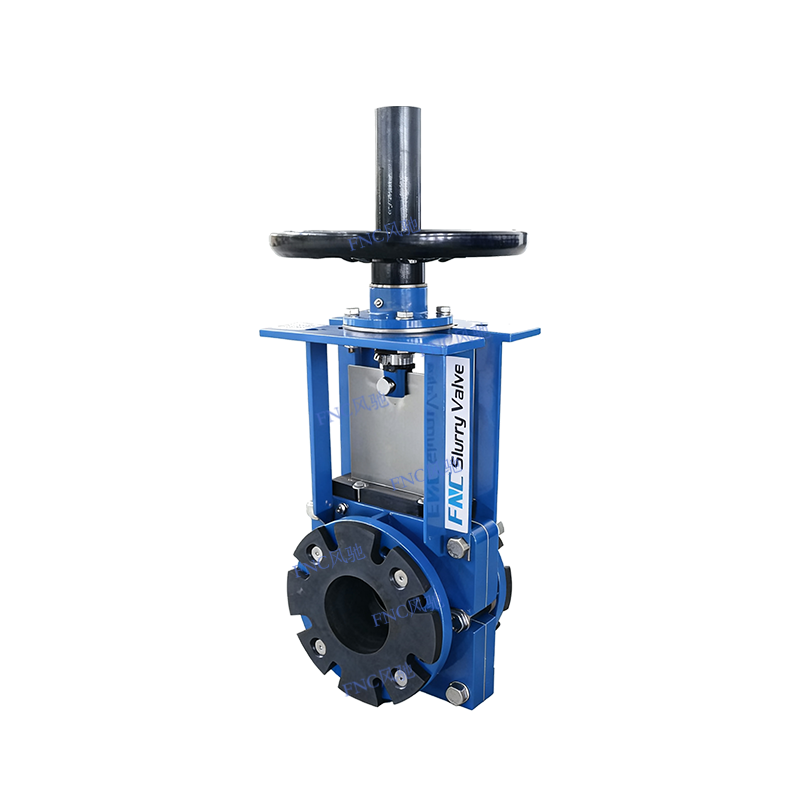
The service life of a slurry knife gate valve is determined more by material selection than by any other single design parameter. Abrasion and corrosion act simultaneously in most slurry environments, and the relative severity of each mechanism varies significantly between applications. A mining tailings slurry may be highly abrasive but near-neutral in pH, while a chemical plant slurry may combine moderate abrasion with strongly acidic or alkaline chemistry that accelerates corrosive material loss independently of mechanical wear.
Many of the most demanding slurry knife gate valve applications cannot be adequately served by standard catalog products. Unusual bore sizes, non-standard flange drilling patterns, extreme temperature requirements, specialized material combinations, or the need for integrated process connections all require custom design and manufacturing capability. Suppliers with in-house large-scale vulcanization equipment, rubber refining facilities, and raw material testing laboratories are uniquely positioned to deliver these custom solutions because they control the entire rubber component manufacturing process internally — from compound formulation through to final vulcanized product — rather than relying on external subcontractors whose quality and lead time they cannot fully control.
The ability to design and manufacture custom high-pressure slurry knife gate valves in large sizes — DN400 to DN1200 and above — requires not only engineering expertise but also significant capital investment in heavy machining equipment, large-format vulcanization presses, and hydraulic test facilities capable of pressure testing at the elevated levels required by high-pressure valve specifications. When evaluating suppliers for custom slurry knife gate valve requirements, procurement engineers should verify that the manufacturer possesses this integrated capability rather than assembling valves from externally sourced components over which they have limited quality control.
Specifying the correct slurry knife gate valve for a demanding application — and particularly a high-pressure slurry knife gate valve for a critical process line — is an engineering decision that repays careful analysis with years of reliable, low-maintenance service. Getting it wrong, by contrast, means repeated unplanned maintenance interventions, process downtime, and the progressive escalation of repair costs that ultimately far exceeds the price difference between an adequate and an optimal valve specification.
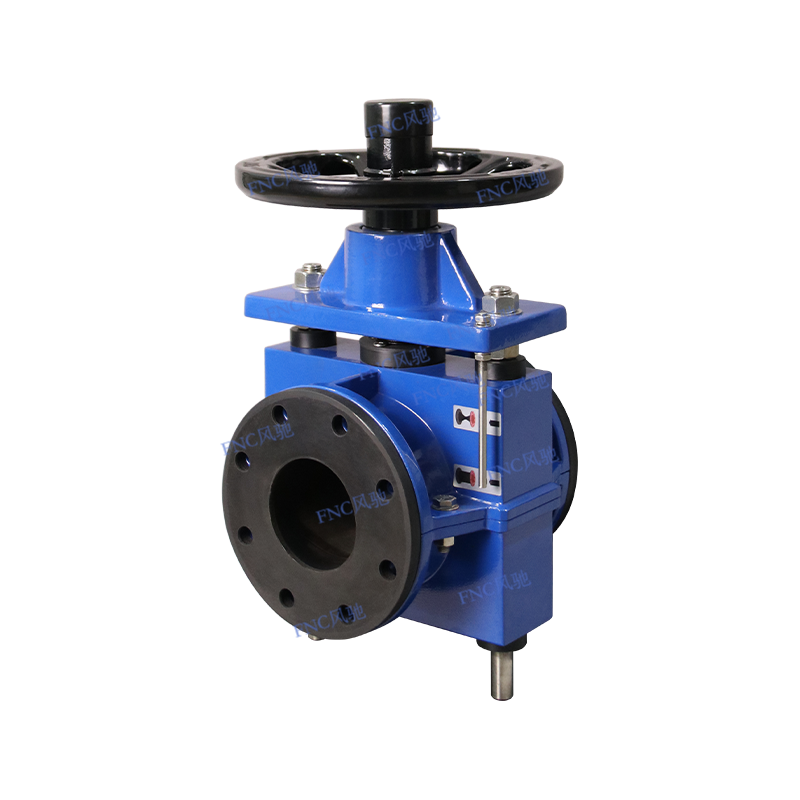
The operating principle of the FNC® enclosed pinch valve is straightforward. When in the open position, the valve provides a full-bore passage, allowi...
See Details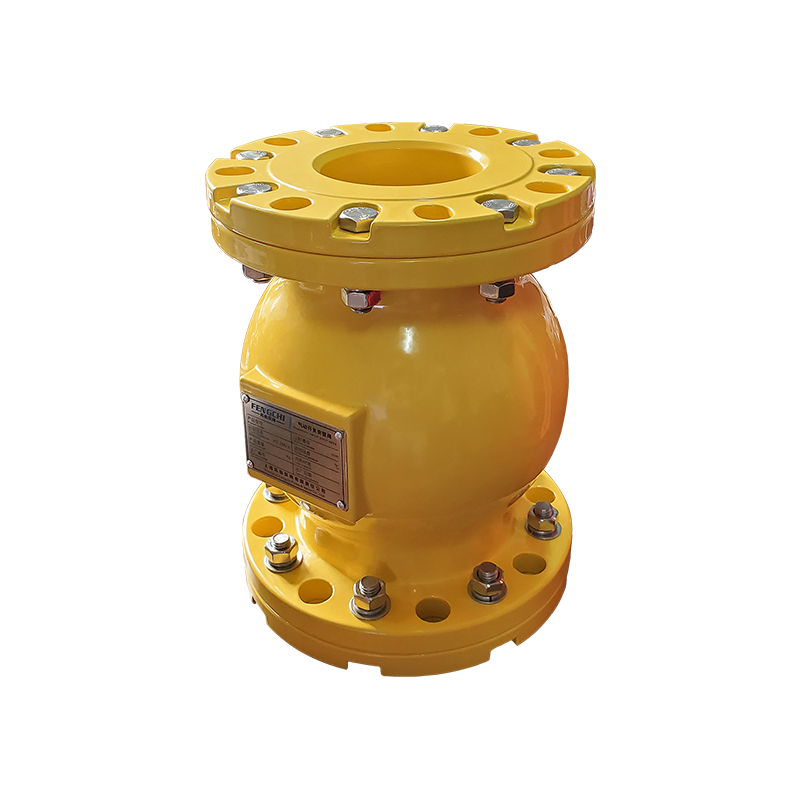
Air Operated pinch valves offer a unique and cost-effective solution for fluid control problems. The secret lies in the rubber valve sleeve - the onl...
See Details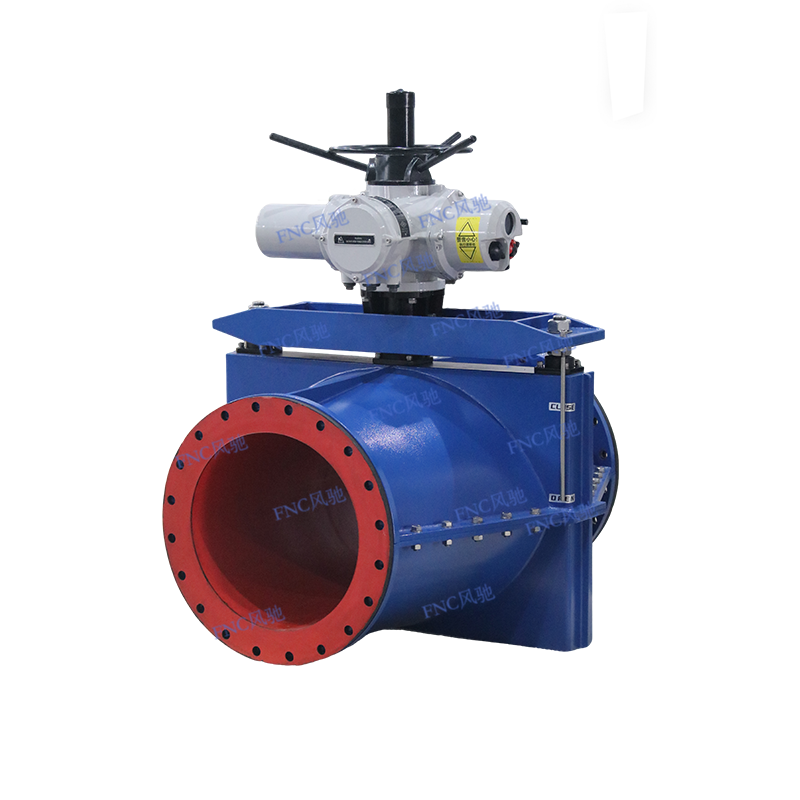
Compared to ordinary pinch valves, large-diameter pinch valves have much higher production requirements. As the “core component” of the pinch valve, t...
See Details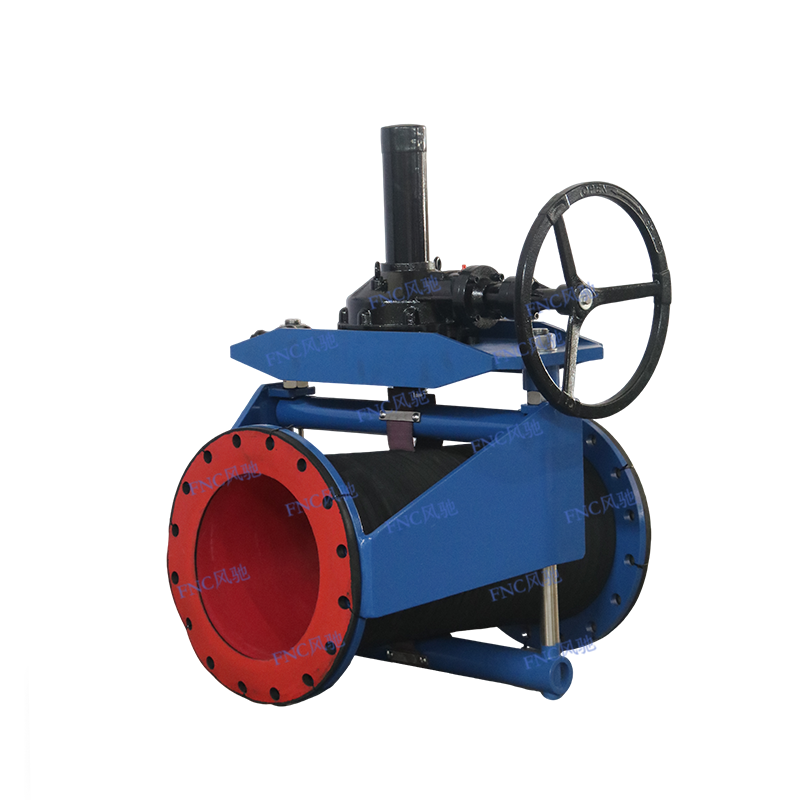
The operating principle of the FNC® enclosed pinch valve is straightforward. When in the open position, the valve provides a full-bore passage, allowi...
See Details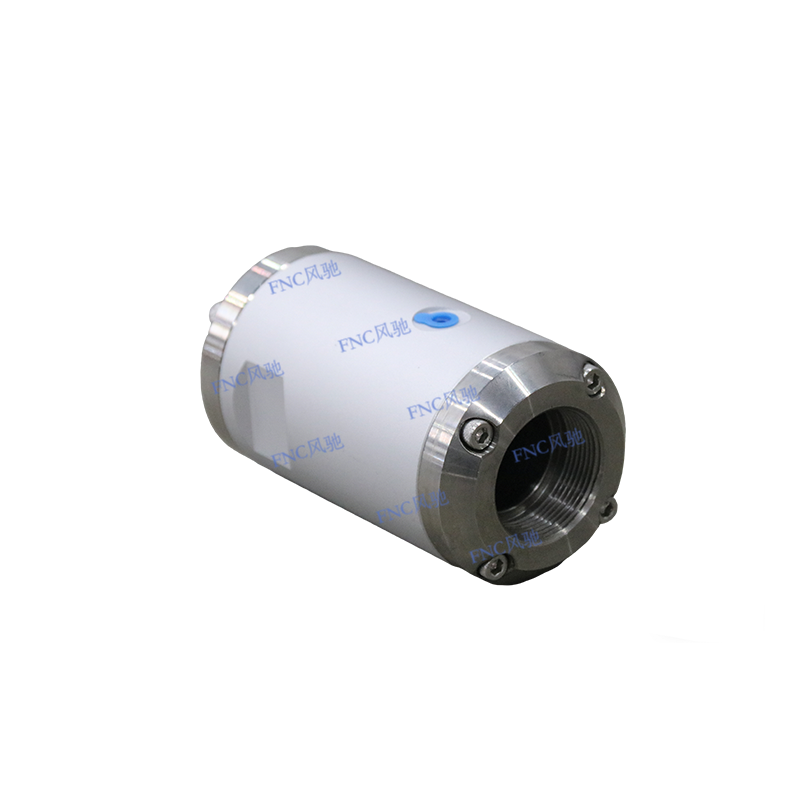
Air Operated pinch valves offer a unique and cost-effective solution for fluid control problems. The secret lies in the rubber valve sleeve - the onl...
See Details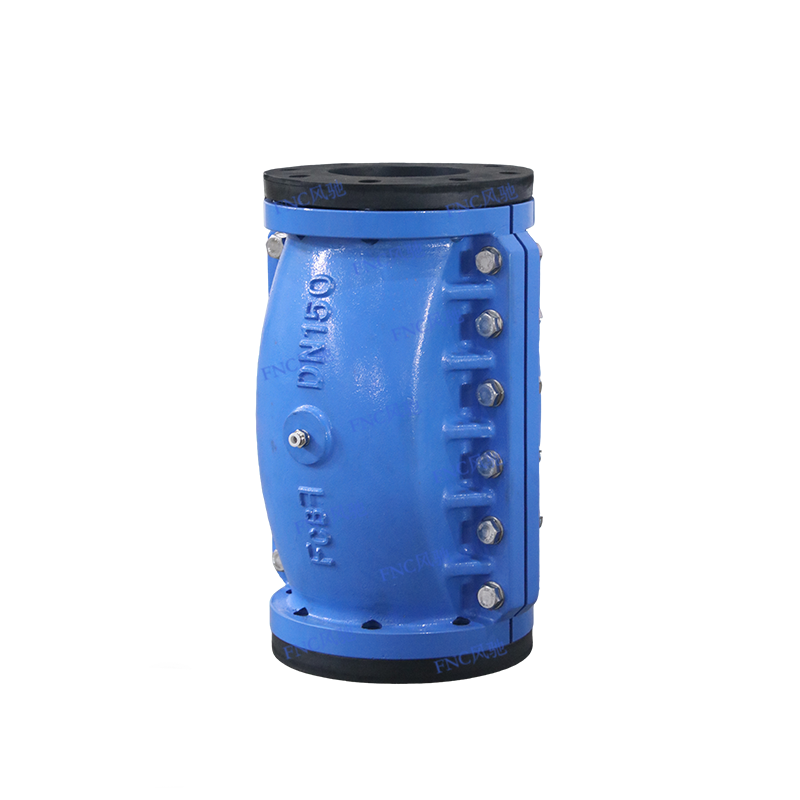
Air Operated pinch valves offer a unique and cost-effective solution for fluid control problems. The secret lies in the rubber valve sleeve - the onl...
See Details
Phone: +86-136 7173 4086

Tel: +86-563 5033 866

Email: red@pinchvalves.com.cn

Address:
