

 EN
EN

 English
 русский
 Español
Standard Air Operated Pinch Valves
Cat:Air Operated Pinch Valves
Air Operated pinch valves offer a unique and cost-effective solution for fluid control problems. The secret lies in the rubber valve sleeve - the onl...
See DetailsA 6-inch check valve on a tailings return line usually announces itself with noise long before it shows up on any gauge. Operators hear a rhythmic knock at the discharge header, the pump starts cycling with no change in demand, and by the time the valve is pulled, the disc carries a crescent-shaped wear groove and quartz particles have scored the seat face.
The short answer: check valve failure symptoms follow a predictable sequence. Abnormal noise appears first, then pressure anomalies, then reverse flow, and finally visible leakage. Caught at the noise stage, the repair is usually a seat, a spring, or a sleeve. Caught at the reverse-flow stage, the repair is often a pump, a header, or both.
What matters most
Content
Each symptom points to a different mechanism, and each mechanism carries a different repair bill. Reading them in the right order is what separates a scheduled seat change from an unplanned pump overhaul.
The disc oscillates instead of seating cleanly. Typical causes are an oversized valve running below its minimum effective velocity, a weakened or missing spring, and a guide worn oval. A pipe-surface reading above roughly 4.5 mm/s RMS is a practical field threshold. Left alone, chatter frets the guide and cracks the disc stem.
A loud single knock at pump shutdown means the disc slammed shut against a reversing column. Spikes of three to five times line pressure are common. Repeated knocks loosen flange bolts, fatigue pipe supports, and eventually break the hinge pin or the disc.
A rising pressure drop across the valve at unchanged flow means the disc is not fully open or the flow path is partly blocked. Downstream pressure that wanders while the upstream supply stays steady is another strong indicator of a partially stuck disc.
Scale, polymer, or a lodged particle keeps the disc from completing its stroke. Symptoms include delayed response, pump discharge pressure climbing, and, in well service, a slug of water falling back down the riser after shutdown.
The classic symptom. Downstream pressure decays after the pump stops, the flow meter shows movement against the design direction, and booster or well pumps restart with no demand. Reverse flow also back-spins pumps and pushes process fluid into clean lines.
Continuous small flow when the valve should be tight, or a downstream pressure that simply cannot hold. On abrasive duty the seat erodes in a crescent behind the disc, so leakage grows gradually rather than appearing overnight.
The same valve that lasts eight years in a cooling water line can fail in eight weeks in a tailings line. Three factors explain most of the difference.
Where the medium is abrasive and the valve has already failed more than once, changing the isolation technology is usually cheaper than buying a premium check valve. Elastomer-lined pinch valves close on a full-bore rubber sleeve, so there is no metal seat to score and no cavity for solids to pack into. For large slurry lines that need full-port isolation and a replaceable seat, a slurry knife gate valve performs the same duty with a serviceable wear part. Buyers evaluating the trade-offs in advance can review how wear-resistant pinch valves are selected for abrasive service before the next shutdown window closes.
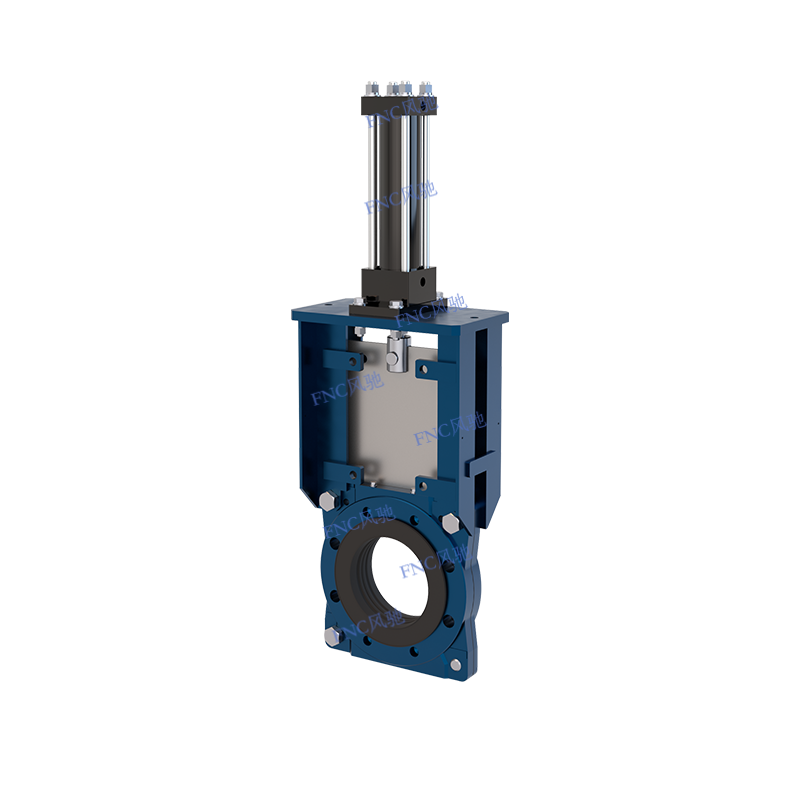 KGV-D knife gate valvesNominal Diameter: DN50 ~ DN1500View Product →
 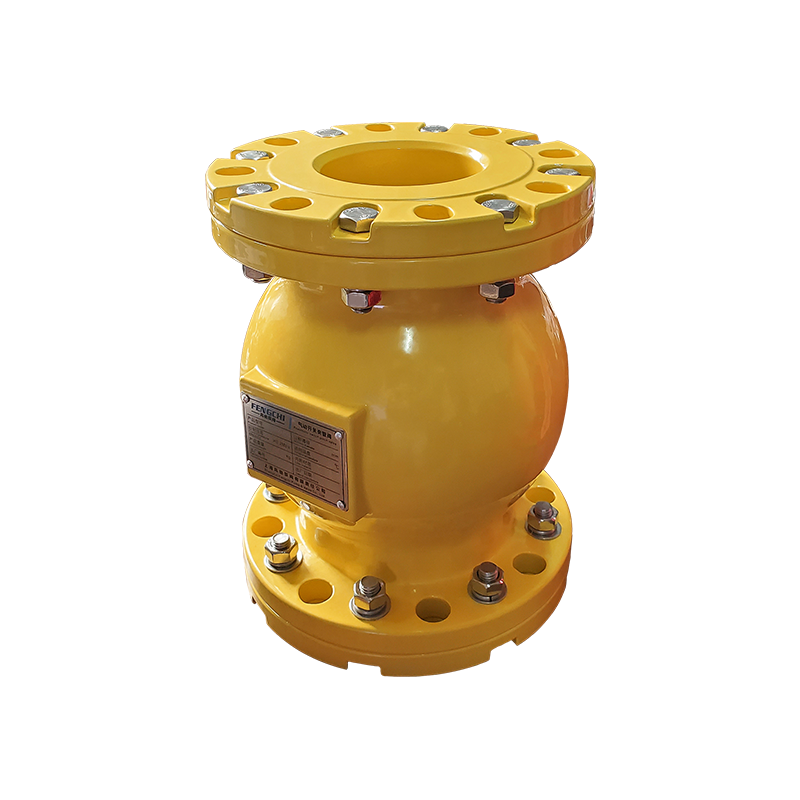 Standard Air Operated Pinch ValvesNominal Diameter: DN15~DN2000, 1/2 ”~84”inView Product →
The comparison below maps each field symptom to its most probable mechanism, the fastest reliable detection method, and the countermeasure that actually removes the cause rather than the noise.
Absolute readings rarely predict failure on their own. The trend matters more than the number, and the trend is fastest where solids are coarsest.
Failure reports are not evenly spread. The industries that handle solids, high velocities, or both account for the majority of check valve incidents.
Mining dominates because abrasive solids combine with high flow velocity and frequent cycling. That combination is also why the symptom-to-repair path is so short in tailings and mill discharge circuits.
Work through these six steps in order. Skipping step one is the most common reason a site replaces the same valve three times in a year.
Run a downstream pressure hold test and record the decay curve. Do not rely on operator impressions alone.
Note vibration, noise, and delta-P at a defined flow rate so future readings are comparable.
Depressurize, drain, and open the line. Photograph the seat and disc so wear patterns can be compared across valves.
If seat wear is under roughly 25% of the face width and the repair costs less than 40% of a new unit, rebuild. Otherwise replace and investigate sizing.
For abrasive on-off control, an elastomer-sleeve pinch valve removes the metal seat entirely. For full-port isolation with a replaceable seat, a slurry knife gate valve is the practical choice. For transfer duty on thick or shear-sensitive slurry, a peristaltic hose pump avoids valves almost altogether.
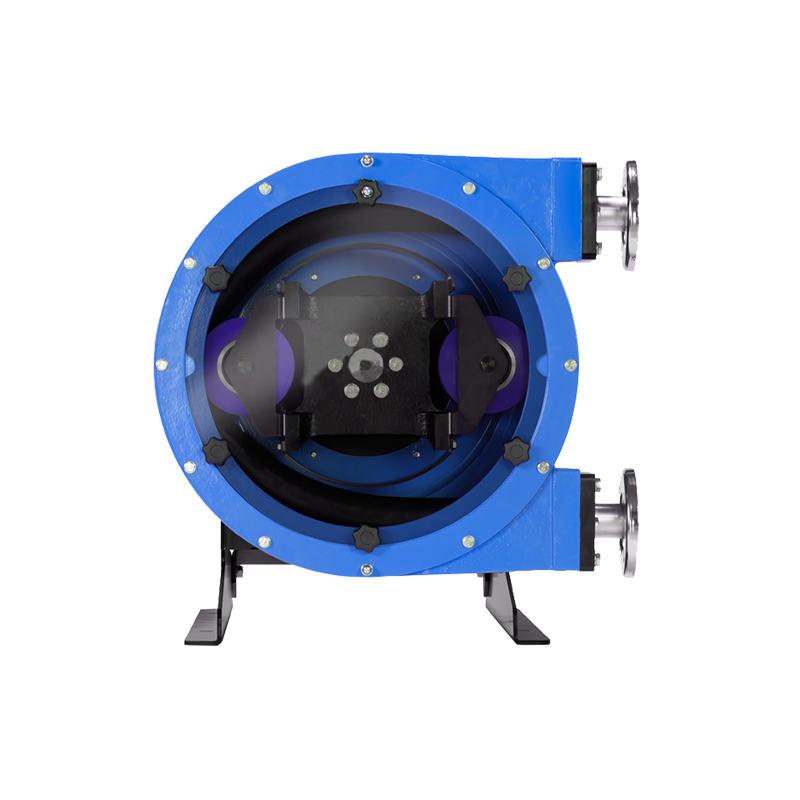 Rollers Hose PumpNominal Diameter: DN10~DN150View Product →
Set the inspection interval from the duty, not from the calendar: monthly in slurry, quarterly in clean treated water.
Inspection practice should be tied to the medium. The intervals below reflect the escalation rates shown earlier, and they are the minimum most operators can defend during an audit.
On the documentation side, keep evidence that testing follows a defined standard. API 598 covers shell and seat pressure testing, API 594 addresses the design of wafer and lug check valves, and ISO 5208 or EN 12266-1 defines leakage classes, so a recorded leakage class makes degradation measurable rather than subjective. Material certificates, elastomer compound data, and test reports on file also simplify audits under ISO 9001 and ISO 45001, and support the CE and RoHS documentation expected on export projects. Replacement parts should be specified by compound and hardness, because a sleeve or seat that is ten points softer will fail earlier in abrasive service even though the dimensions match.
Check valve failure symptoms are cheap to find and expensive to postpone. A monthly vibration reading, a five-minute pressure-hold test after shutdown, and a delta-P trend line cover most of the risk in any slurry circuit, and they turn a surprise failure into a planned maintenance task.
Where a check valve has already failed twice in the same abrasive duty, the more durable answer is usually a different device rather than a heavier valve. Anhui Fengchi Pump Valve Manufacturing Co., Ltd. builds pinch valves, slurry knife gate valves, and hose pumps for demanding solids-handling service in mining and mineral processing, with elastomer components produced and tested in-house, which makes compound selection and spare-part consistency easier to control over the life of the installation.
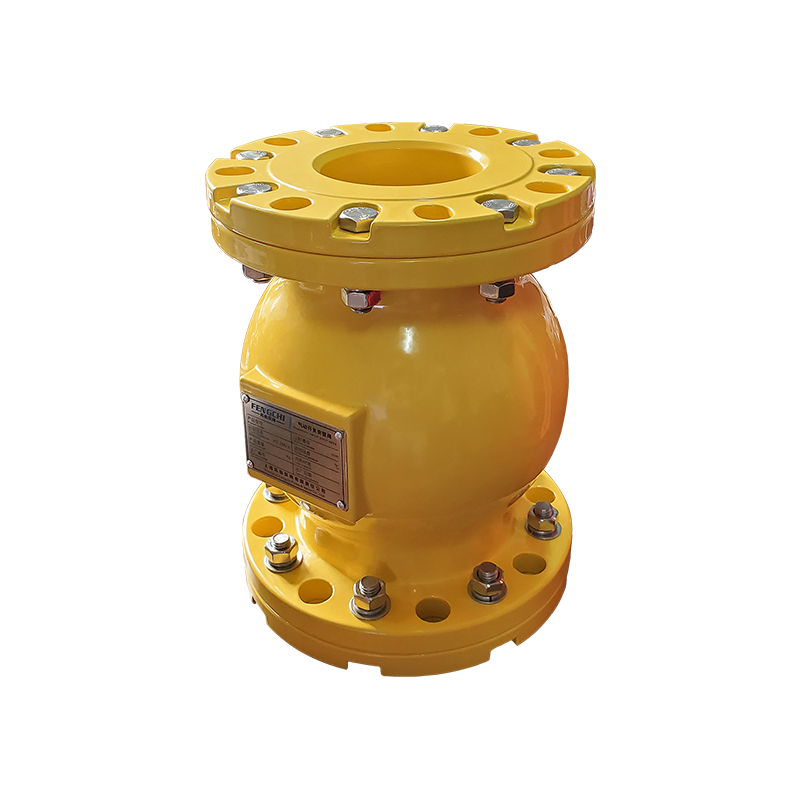
Air Operated pinch valves offer a unique and cost-effective solution for fluid control problems. The secret lies in the rubber valve sleeve - the onl...
See Details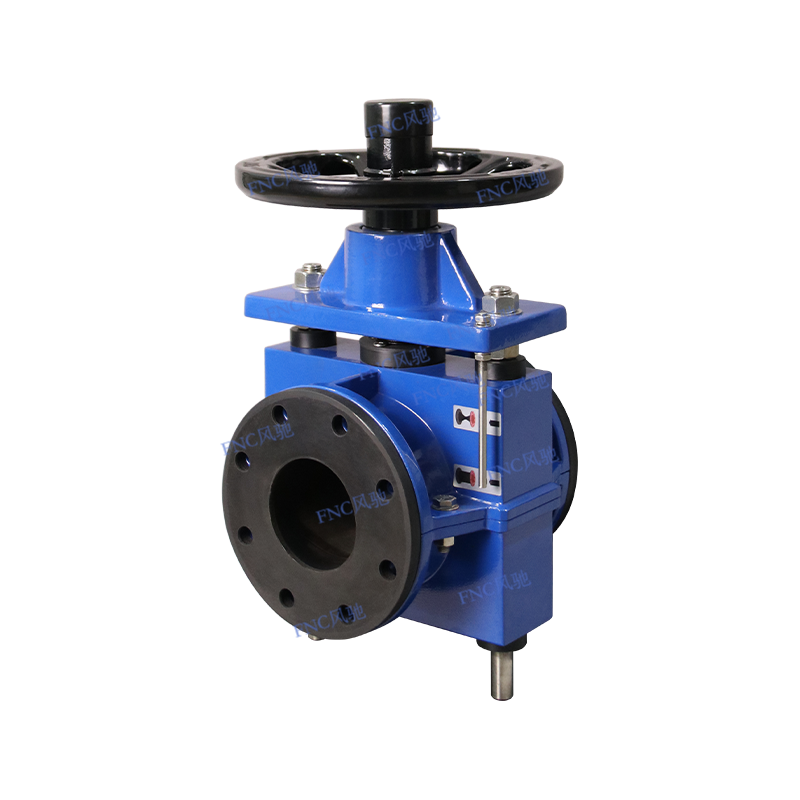
The operating principle of the FNC® enclosed pinch valve is straightforward. When in the open position, the valve provides a full-bore passage, allowi...
See Details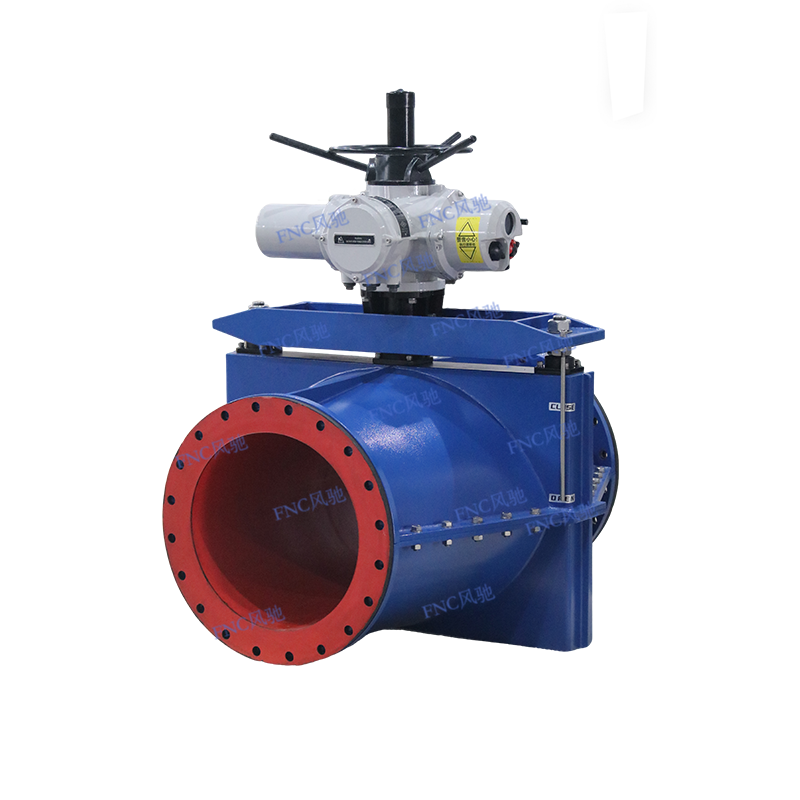
Compared to ordinary pinch valves, large-diameter pinch valves have much higher production requirements. As the “core component” of the pinch valve, t...
See Details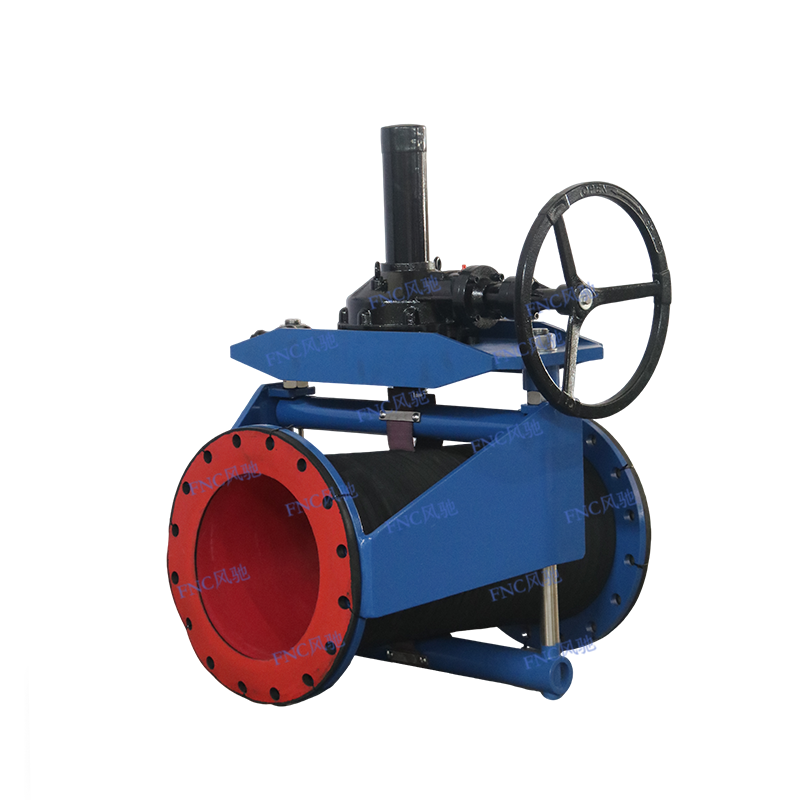
The operating principle of the FNC® enclosed pinch valve is straightforward. When in the open position, the valve provides a full-bore passage, allowi...
See Details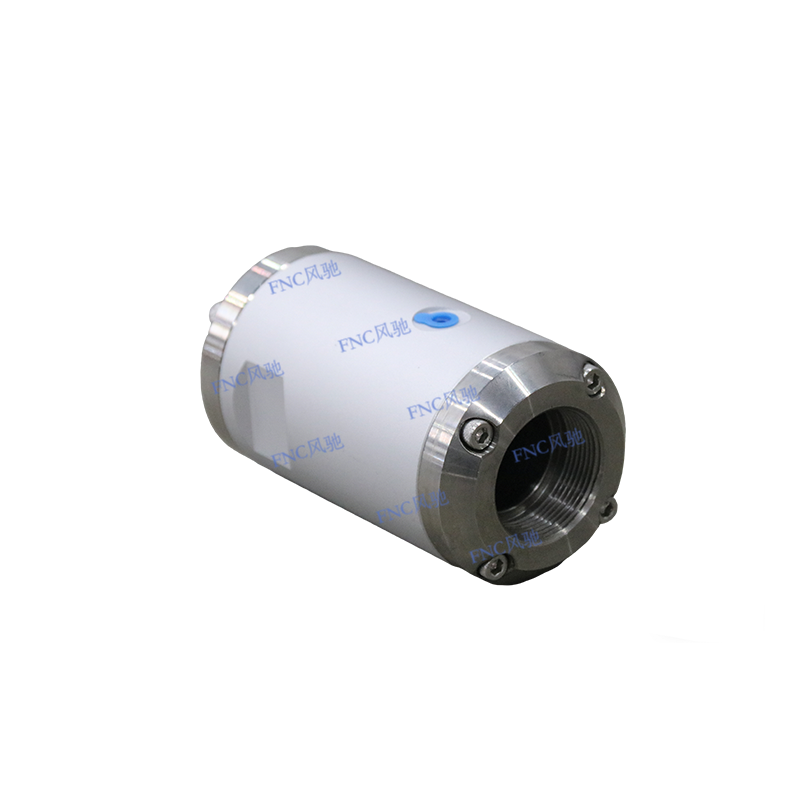
Air Operated pinch valves offer a unique and cost-effective solution for fluid control problems. The secret lies in the rubber valve sleeve - the onl...
See Details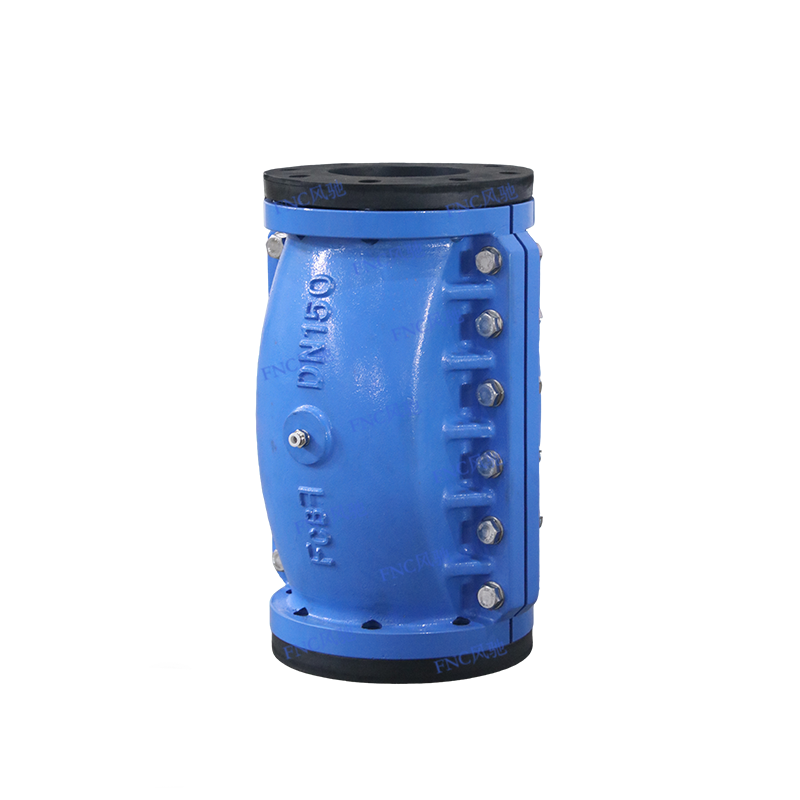
Air Operated pinch valves offer a unique and cost-effective solution for fluid control problems. The secret lies in the rubber valve sleeve - the onl...
See Details
Phone: +86-136 7173 4086

Tel: +86-563 5033 866

Email: red@pinchvalves.com.cn

Address:
