

 EN
EN

 English
 русский
 Español
Closed Body Pinch Valve
Cat:Pinch Valves
The operating principle of the FNC® enclosed pinch valve is straightforward. When in the open position, the valve provides a full-bore passage, allowi...
See DetailsContent
Wear resistant pinch valves represent a specialized category of flow control equipment designed to handle abrasive, corrosive, and particulate-laden media. Unlike traditional valves with metal internal components, pinch valves utilize a flexible sleeve that can be compressed to regulate or shut off flow. The wear resistant variants incorporate reinforced elastomers and advanced materials to withstand the erosive effects of slurries, mining tailings, chemical suspensions, and other challenging fluids. Understanding the fundamental operating principle is essential before making a purchasing decision, as this technology offers distinct advantages in applications where conventional valves experience rapid deterioration.
The pinch valve mechanism relies on a simple yet effective design where an actuator compresses the flexible sleeve against the media flow. This design eliminates internal metal parts that would otherwise be exposed to abrasive wear, making it inherently superior for applications involving solid-laden fluids. The wear resistant sleeve materials typically include natural rubber, synthetic elastomers like EPDM, nitrile, or specialized compounds reinforced with fabric layers or wire. When selecting a wear resistant pinch valve, buyers must recognize that the valve's longevity and performance depend heavily on matching the sleeve material to the specific application requirements.
The sleeve material constitutes the most critical component of any wear resistant pinch valve, as it directly contacts the process media and bears the brunt of abrasive forces. Different elastomer compounds offer varying resistance to wear, chemical attack, temperature extremes, and mechanical stress. Natural rubber provides excellent abrasion resistance and tear strength, making it suitable for mining slurries and mineral processing applications. However, it exhibits limited chemical resistance and temperature tolerance compared to synthetic alternatives.
Synthetic rubber compounds such as nitrile (NBR) offer superior oil and fuel resistance, while EPDM excels in handling oxidizing chemicals, ozone, and weathering conditions. Chloroprene (neoprene) provides a balanced combination of chemical resistance, abrasion resistance, and flexibility across moderate temperature ranges. For highly aggressive applications, advanced materials like polyurethane or specialty fluoroelastomers may be necessary despite their higher cost. Buyers should request detailed material compatibility charts from manufacturers and consider the following factors:
Pressure and temperature specifications define the operational envelope within which a wear resistant pinch valve can function safely and reliably. Standard pinch valves typically handle pressures ranging from full vacuum to 100 psi, though specialized designs can accommodate higher pressures up to 150 psi or more. The pressure rating directly correlates with sleeve thickness and reinforcement layers, which in turn affect the valve's flexibility and closure characteristics. Buyers must verify that the selected valve's pressure rating includes an adequate safety margin above the maximum expected system pressure, accounting for potential pressure surges or water hammer effects.
Temperature capabilities vary significantly based on sleeve material selection. Natural rubber generally operates effectively between -20°C and 80°C, while specialized synthetic compounds extend this range from -40°C to 120°C or higher. Elevated temperatures accelerate elastomer degradation, reducing service life even when chemical compatibility appears adequate. Conversely, low temperatures can cause sleeve stiffening, affecting sealing performance and increasing actuation force requirements. The relationship between pressure and temperature is not linear; higher temperatures typically reduce maximum allowable operating pressure due to decreased material strength.
| Material Type | Temperature Range | Max Pressure | Best Applications |
| Natural Rubber | -20°C to 80°C | 100 psi | Mining slurries, mineral processing |
| Nitrile (NBR) | -30°C to 100°C | 100 psi | Oil, fuel, hydrocarbon handling |
| EPDM | -40°C to 120°C | 100 psi | Steam, hot water, chemical processing |
| Polyurethane | -20°C to 90°C | 150 psi | Highly abrasive solids, sand, cement |
Proper valve sizing ensures optimal performance, efficiency, and longevity. Undersized valves experience excessive flow velocities that accelerate wear, while oversized valves incur unnecessary capital costs and may exhibit poor control characteristics. The sizing process begins with determining the required flow coefficient (Cv) based on flow rate, pressure drop, and fluid properties. Pinch valve manufacturers provide Cv values for various valve sizes and opening positions, allowing engineers to calculate the appropriate size for specific applications.
Flow velocity represents another critical sizing consideration, particularly in wear resistant applications. High velocities intensify abrasive wear exponentially; reducing velocity by 50% can extend sleeve life by a factor of four or more. Industry best practices recommend maintaining velocities below 10 feet per second for abrasive slurries and below 15 feet per second for less aggressive media. Buyers should also consider the valve's flow pattern, as pinch valves create a full-bore, straight-through flow path when fully open, minimizing turbulence and settling zones where solids might accumulate.
Wear resistant pinch valves are available in several port configurations, each suited to different installation requirements. Flanged connections provide the most robust mounting for large diameter valves and high-pressure applications, typically conforming to ANSI, DIN, or other international flange standards. Wafer-style valves offer space savings and lighter weight, fitting between pipe flanges without requiring additional bolting. Threaded connections serve smaller diameter applications where quick installation is prioritized. Some manufacturers offer sleeve designs with integral molded flanges that eliminate the need for separate end connections, simplifying installation and reducing potential leak paths.
The actuation system determines how the valve opens, closes, and modulates flow, significantly affecting both initial cost and operational flexibility. Manual actuation using a handwheel or lever provides the simplest, most economical solution for applications requiring infrequent valve operation. Pneumatic actuators dominate industrial installations due to their reliability, fast response times, and fail-safe capabilities when combined with spring return mechanisms. These systems require a compressed air supply and can be configured for fail-open or fail-closed operation based on process safety requirements.
Electric actuators offer precise position control and eliminate the need for compressed air infrastructure, making them ideal for remote locations or applications requiring variable flow control. Hydraulic actuation suits large diameter valves or high-pressure applications where pneumatic systems lack sufficient force. Beyond the basic actuation method, buyers should evaluate control accessories including positioners for accurate throttling, limit switches for position feedback, solenoid valves for automated operation, and network communication protocols for integration with distributed control systems.
While wear resistant pinch valves require less maintenance than many alternative valve types, understanding maintenance procedures and spare parts availability is essential for long-term operational planning. The sleeve represents the primary wear component and will eventually require replacement regardless of material quality. Buyers should establish expected sleeve life based on application conditions and verify that replacement sleeves are readily available with acceptable lead times. Some manufacturers offer quick-change sleeve designs that enable replacement without removing the valve from the pipeline, significantly reducing maintenance downtime.
Preventive maintenance typically involves periodic inspection of the sleeve for signs of wear, abrasion, or chemical degradation, along with checking actuator components for proper operation. Establishing a relationship with manufacturers who provide comprehensive technical support, including wear analysis services and sleeve material recommendations, adds significant value beyond the initial purchase price. Buyers should inquire about warranty coverage, specifically regarding sleeve life expectations under defined operating conditions, and clarify what constitutes normal wear versus premature failure.
Evaluating wear resistant pinch valves purely on initial purchase price overlooks critical total cost of ownership factors. While pinch valves may carry higher upfront costs compared to basic gate or ball valves, their extended service life in abrasive applications often results in lower lifetime costs. A comprehensive cost analysis should include purchase price, installation costs, energy consumption, maintenance labor, spare parts inventory, downtime expenses, and disposal costs. In particularly demanding applications, a premium sleeve material that costs 40% more may deliver three times the service life, dramatically improving the cost per operating hour.
Buyers should also consider the indirect costs associated with valve failure, including production losses, emergency repair expenses, potential environmental releases, and safety incidents. Pinch valves' inherent fail-safe characteristics, where the sleeve naturally assumes an open or closed position upon actuator failure, can provide crucial process protection. Additionally, the absence of metal-to-metal sealing surfaces eliminates leakage paths that plague worn traditional valves, reducing product loss and environmental compliance concerns. When specifying wear resistant pinch valves, requesting detailed case studies from similar applications helps validate performance claims and establishes realistic life cycle cost expectations that support informed purchasing decisions.
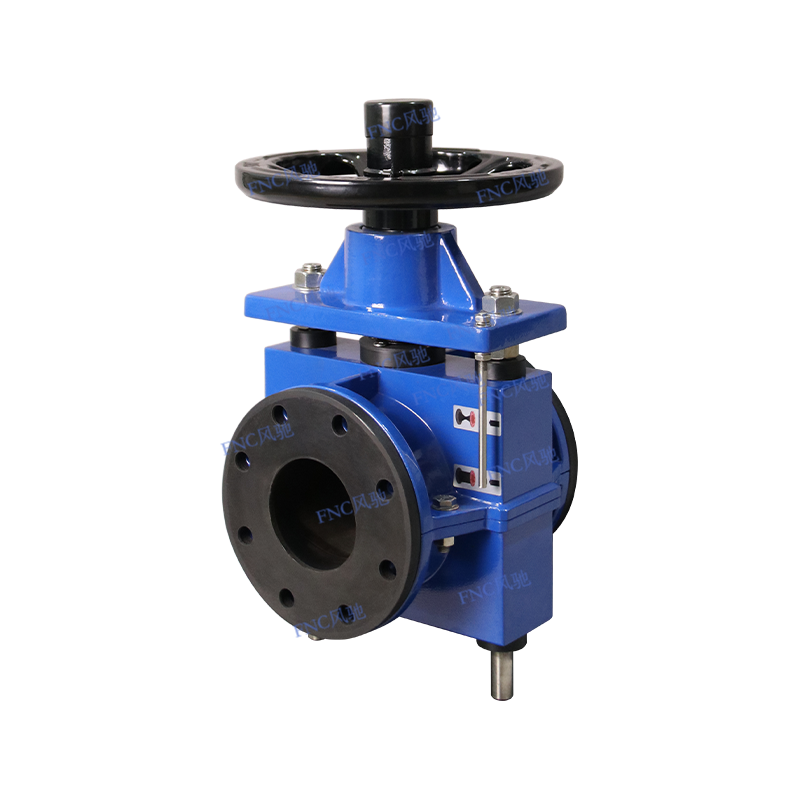
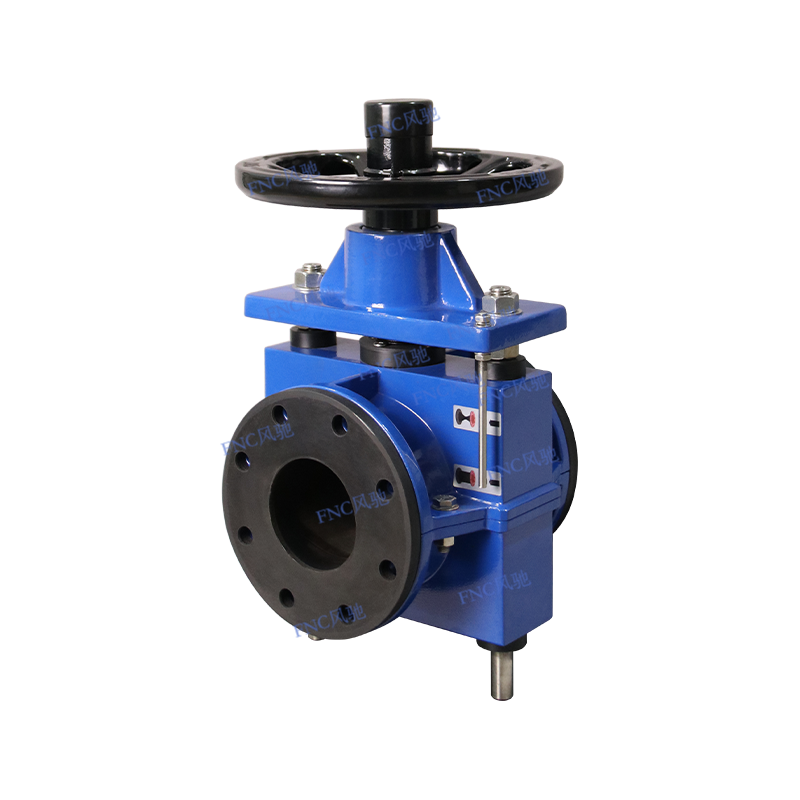
The operating principle of the FNC® enclosed pinch valve is straightforward. When in the open position, the valve provides a full-bore passage, allowi...
See Details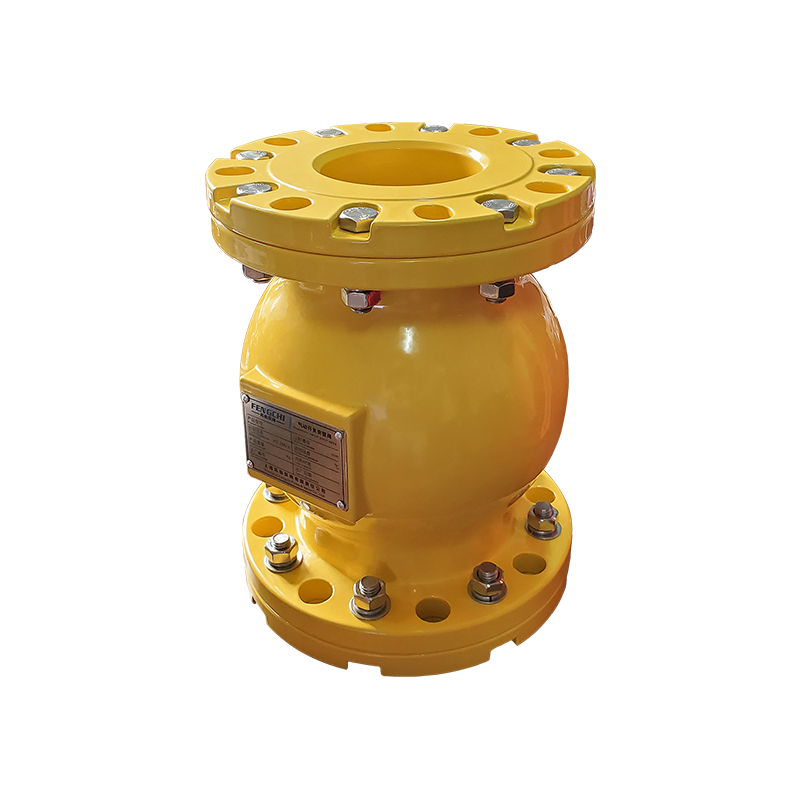
Air Operated pinch valves offer a unique and cost-effective solution for fluid control problems. The secret lies in the rubber valve sleeve - the onl...
See Details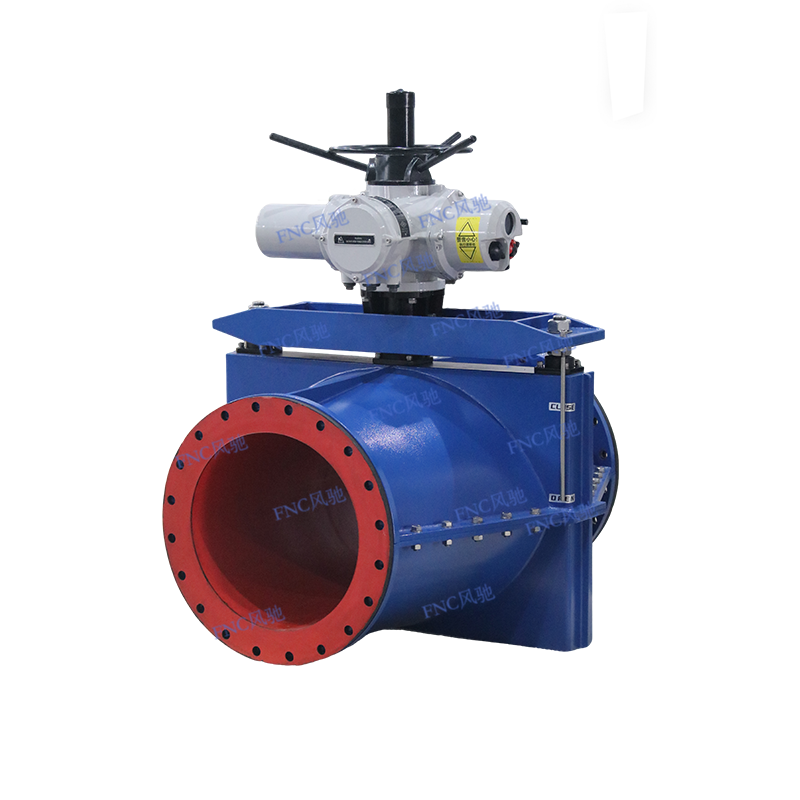
Compared to ordinary pinch valves, large-diameter pinch valves have much higher production requirements. As the “core component” of the pinch valve, t...
See Details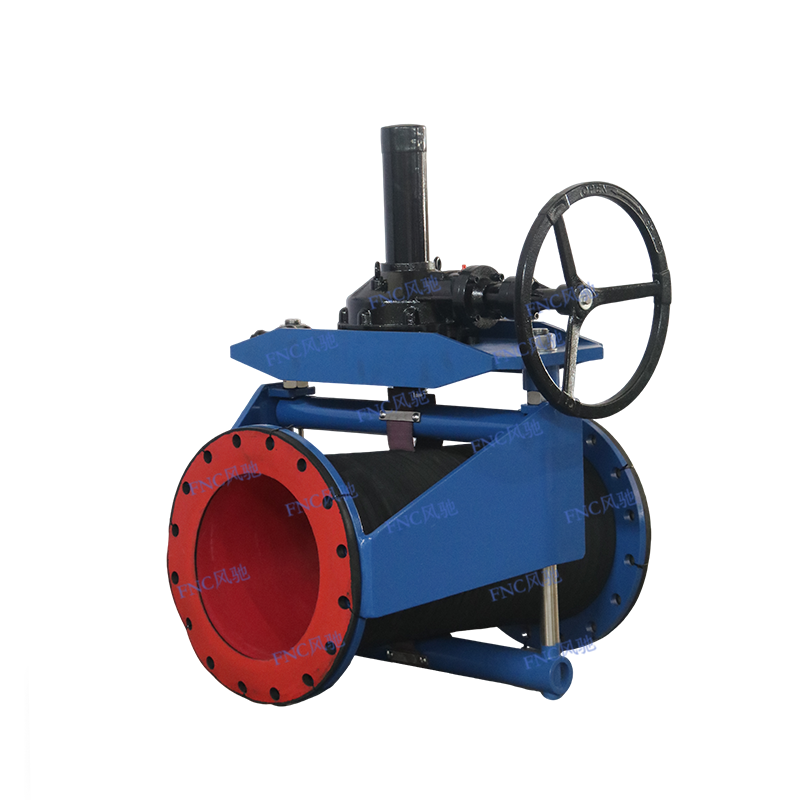
The operating principle of the FNC® enclosed pinch valve is straightforward. When in the open position, the valve provides a full-bore passage, allowi...
See Details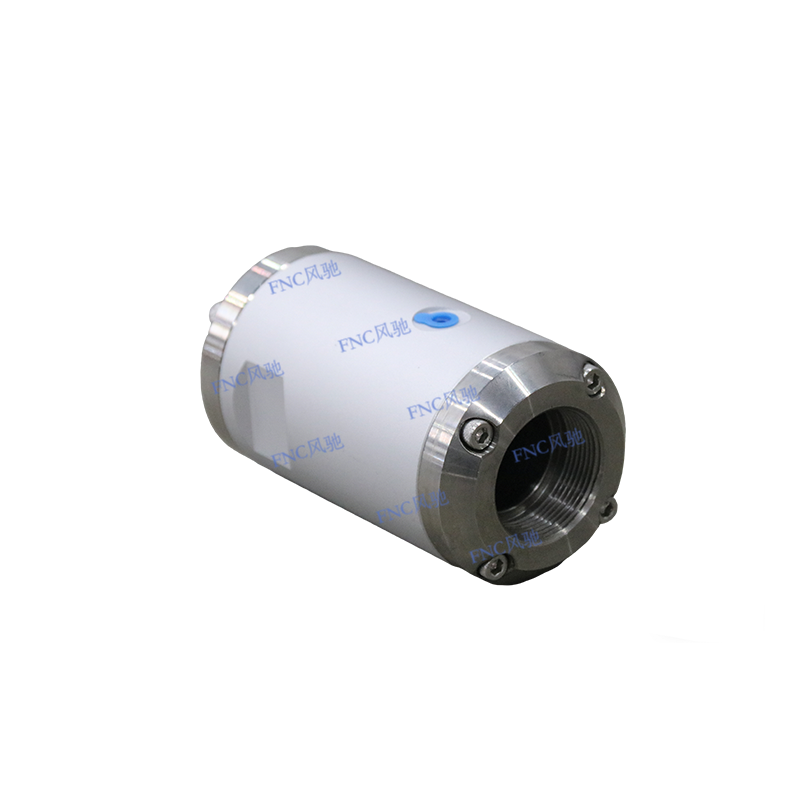
Air Operated pinch valves offer a unique and cost-effective solution for fluid control problems. The secret lies in the rubber valve sleeve - the onl...
See Details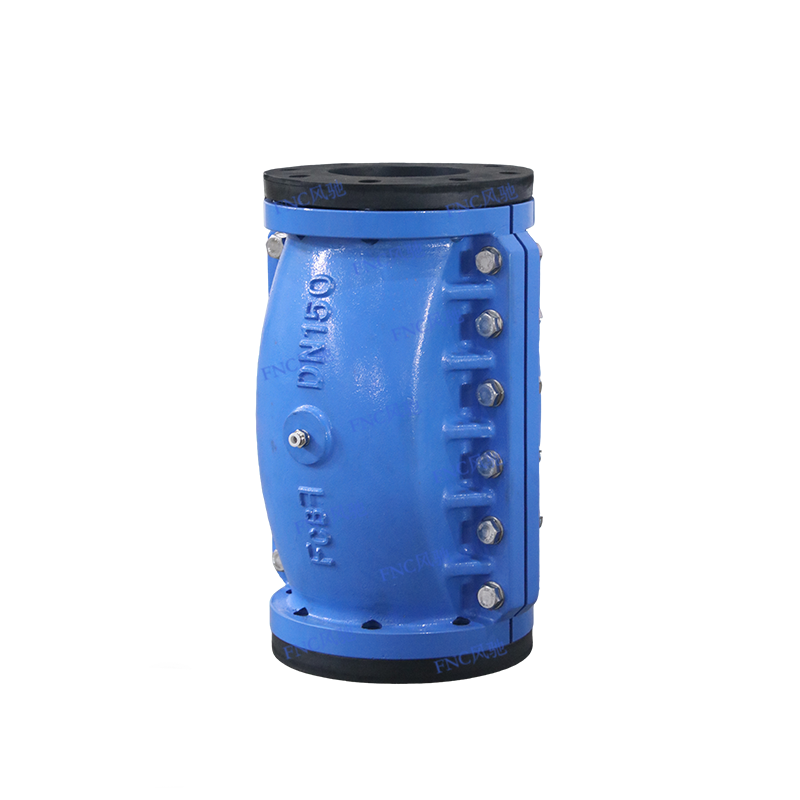
Air Operated pinch valves offer a unique and cost-effective solution for fluid control problems. The secret lies in the rubber valve sleeve - the onl...
See Details
Phone: +86-136 7173 4086

Tel: +86-563 5033 866

Email: red@pinchvalves.com.cn

Address:
