

 EN
EN

 English
 русский
 Español
Standard Air Operated Pinch Valves
Cat:Air Operated Pinch Valves
Air Operated pinch valves offer a unique and cost-effective solution for fluid control problems. The secret lies in the rubber valve sleeve - the onl...
See DetailsA maintenance superintendent at a copper tailings plant once told me a familiar story. He specified API 6D forged steel gate valves on a new slurry line because the project standard demanded pipeline-class valves. Every valve passed its factory hydrostatic test. Within three months, two of them would not close fully. When the technician pulled the bonnets, the seats looked as if they had been sandblasted.
API 6D forged steel valves are engineered for clean, predictable pipeline media such as hydrocarbons, water, and gas. They are not abrasion-rated components. Where the medium carries suspended solids - slurry, tailings, fly ash, or any abrasive process stream - a slurry knife gate valve or pinch valve will typically outlast a forged steel valve by years, at a lower five-year cost.
That distinction matters because API 6D is a respected standard, and engineers often assume that standard compliance equals service suitability. It does not. This guide explains what API 6D forged steel valves actually deliver, where their limitations become visible on slurry duty, and how to choose a valve that survives the service instead of merely passing the test bench.
Content
API 6D, technically identical to ISO 14313, is the international specification for pipeline valves: ball, gate, plug, and check valves. It governs design, materials, pressure-temperature ratings, face-to-face dimensions per ASME B16.10, flanged and butt-welding end connections per ASME B16.5 and ASME B16.25, and a defined testing regime. That regime includes a hydrostatic shell test at 1.5 times the rated pressure and a seat test at 1.1 times the rating.
Forged steel versions are common from Class 150 to Class 2500. Forging produces a dense grain structure without casting porosity, which makes these valves attractive for high-pressure gas, oil, and steam. Standard forged materials include ASTM A105 carbon steel, A182 F11 and F22 chromium-molybdenum steels, F304 and F316 stainless steels, and F51 duplex stainless. The selection depends on pressure, temperature, and corrosivity of the fluid.
API 6D production testing verifies pressure containment and seat leakage with clean water or air. It does not include slurry erosion testing, solids cycling, or packing durability against abrasive media. That gap is exactly where field failures appear, and it is the reason a valve can hold a perfect test certificate and still fail in service within weeks.
When an API 6D forged steel valve moves from a clean gas pipeline to a slurry line, four mechanisms degrade it quickly and predictably.
Slurry particles moving at 3 to 6 m/s act like a grit blaster. The seat and disc lose their sealing geometry quickly. By the time leakage is visible, the damage is usually beyond lapping and requires part replacement.
Gate and ball valves have internal cavities where solids settle and compact. The valve cannot achieve full closure. Operators often blame the actuator when the real cause is packed solids inside the body.
API 6D seat tests use clean media. Soft seats shred on particles, and metal seats allow more leakage than a slurry process can tolerate without visible spillage or progressive flange erosion.
Abrasive particles work into the stem packing area, causing fugitive emissions, repeated packing tightening, and eventually scoring of the stem surface.
The practical question is not whether API 6D is a good standard, but which valve construction matches the real service. The comparison below is based on typical mineral processing and tailings duty.
For a direct replacement across the KGVA, KGVH, and KGVPU series, the slurry knife gate valve product line is the starting point for most slurry isolation duties.
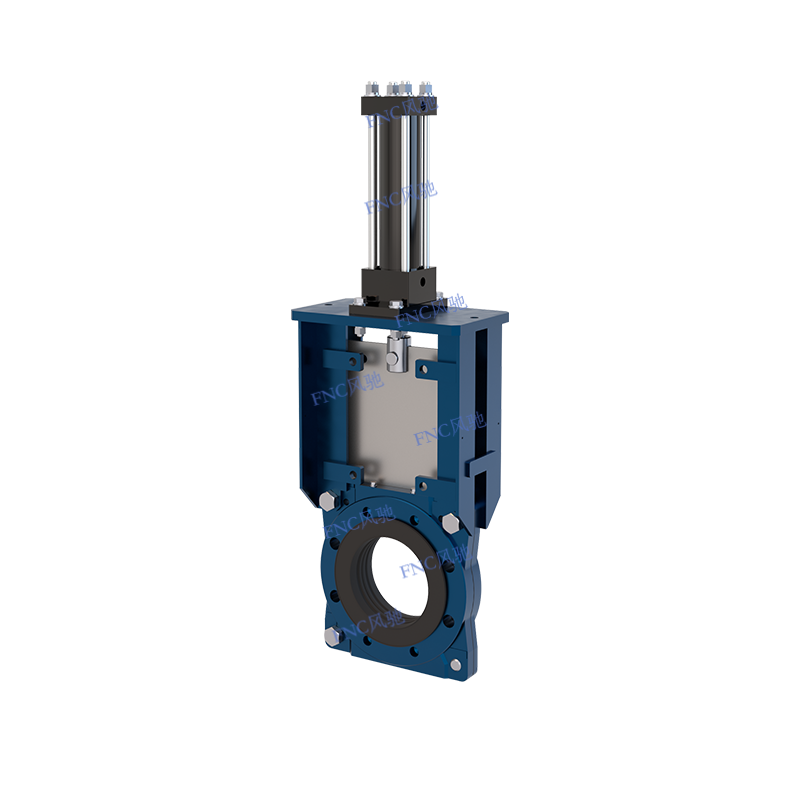 KGV-D Slurry Knife Gate Valve for Abrasive DutiesA full-bore knife gate valve available in DN50 to DN1500 with PN16 rating and Class V leakage, positioned as the direct replacement for KGVA, KGVH, and KGVPU series. Its cost comparison chart highlights unplanned stop expenses beyond purchase price.View Product →
Purchase price is visible; downtime, rebuild labor, and lost production are not. The five-year cumulative cost chart below compares one DN150 valve in abrasive slurry duty, including purchase, spares, rebuild labor, and assumed production loss per unplanned stop.
A forged steel gate valve in this duty typically needs seat repair in the first year and a second intervention before year three. The slurry knife gate valve extends the interval with a replaceable liner. The closed-body pinch valve keeps the abrasive medium inside a rubber sleeve, so metallic sealing surfaces never see the solids.
Where solid particles must never contact metallic sealing surfaces, the closed-body pinch valve is designed for exactly this condition.
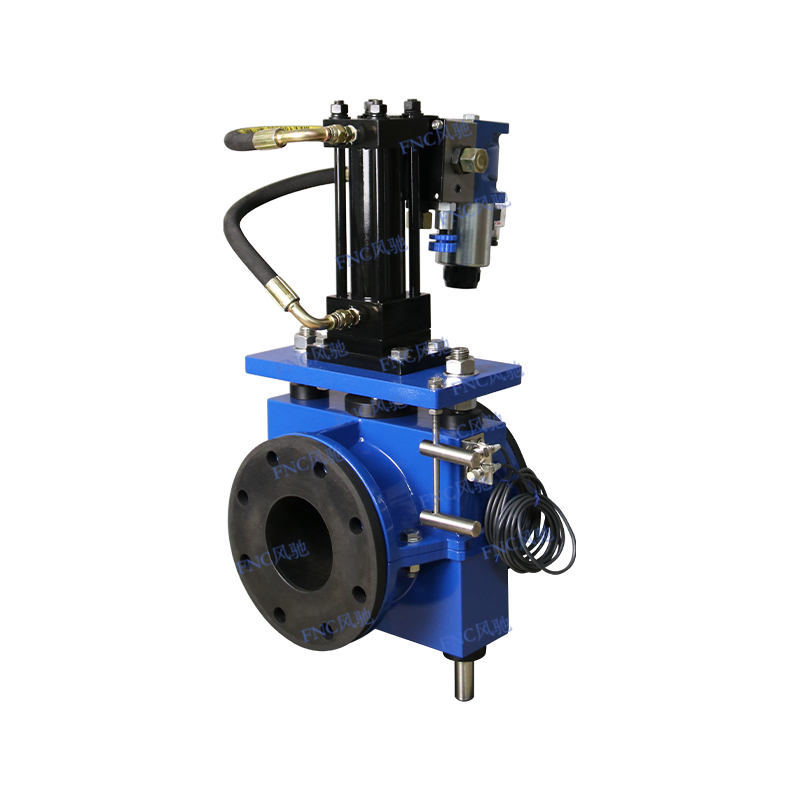 Closed Body Pinch Valve for Solid-Particle IsolationA flanged pinch valve from DN15 to DN2000 with pressure ratings up to PN40 and Class V leakage, designed to keep metallic sealing surfaces free from solid contact. The surrounding discussion emphasizes its abrasion-resistant construction for total-cost savings.View Product →
Labor rates and production losses vary by site, but the shape of the curve stays consistent: the abrasion-resistant construction wins on total cost, even when its initial price is similar.
API 6D forged steel valves remain the backbone of the oil and gas industry. Demand for these valves breaks down roughly as follows across end-user industries.
Notice what is absent: mining and mineral processing are not a major market for API 6D forged steel valves. Slurry valves are. In a concentrator, tailings line, or ash handling system, you are far more likely to find slurry knife gate valves and pinch valves precisely because the economics in the previous section favor them.
Use this five-step process when specifying a valve for any line that carries solids. It applies whether you start with an API 6D specification or an open requirement.
Document particle size, concentration, velocity, pH, and temperature. A valve that handles 1% solids may fail fast at 30% solids.
Confirm maximum pressure, temperature, and cycle frequency. Knife gate and pinch valves cover most slurry pressures through Class 150, with special designs for higher ratings.
Decide whether the valve needs bubble-tight closure or throttling. API 6D drop-tight criteria apply to clean media; slurry valves must seal against trapped solids.
Include purchase, installation, spare parts, rebuild labor, and production loss. Ask the manufacturer for a five-year cost projection with documented intervals.
Check quality management certification, CE marking, and in-house elastomer capability. A maker that compounds its own rubber typically delivers more consistent sleeve and liner quality.
For a complete specification walkthrough, review our slurry knife gate valve selection guide before you issue the requisition.
For highly abrasive slurries where a metal body is still preferred, the KGVPU series adds a polyurethane lining to the flow path.
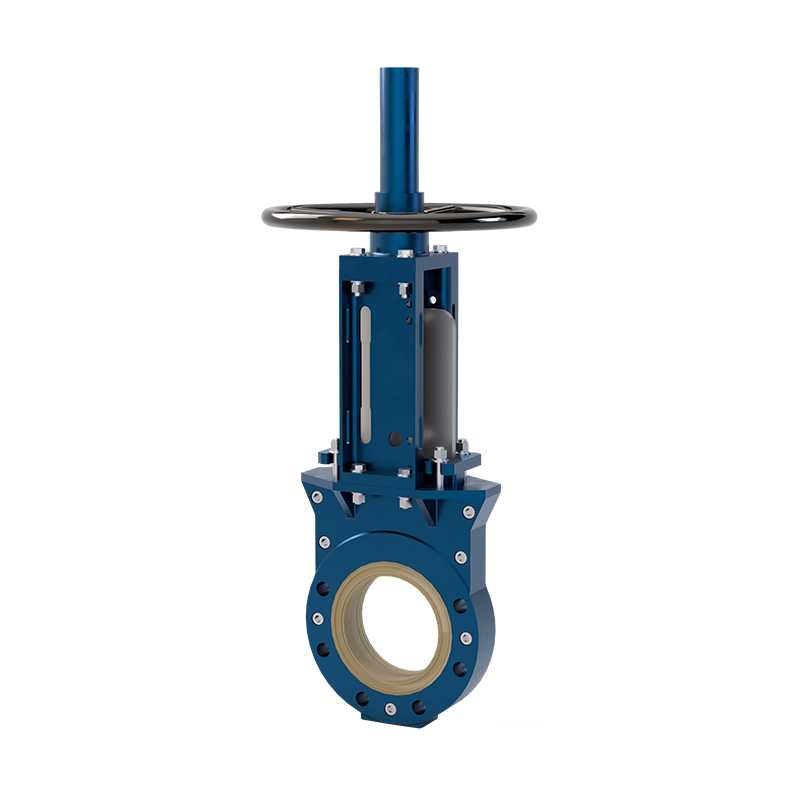 KGV-PU Polyurethane-Lined Knife Gate ValveA polyurethane-lined knife gate valve from DN50 to DN1500 with PN16 rating and Class V leakage, offering a metal body with a protective lining for highly abrasive slurries. It suits applications preferring a metal body while adding abrasion resistance inside the flow path.View Product →
For API 6D forged steel valves in clean service, routine compliance work follows the logic of the standard.
For slurry-rated valves, maintenance follows a different rhythm but is no less rigorous.
From a compliance standpoint, the documentation you want from a slurry valve supplier is the same you would demand for an API 6D purchase: quality management certification, material certificates, and test reports. A manufacturer holding ISO 9001, ISO 14001, ISO 45001, CE, and RoHS certification provides the paper trail that plant audits require.
Specify API 6D forged steel valves with confidence on clean hydrocarbon, water, and gas lines. On slurry and abrasive duty, change the selection criterion from standard compliance to abrasion resistance. The valves that pass the hydrostatic test bench are not always the valves that pass the five-year production test.
Talk to a manufacturer about the actual particle size, velocity, and solids concentration at your site, and let the data - not the datasheet - decide.
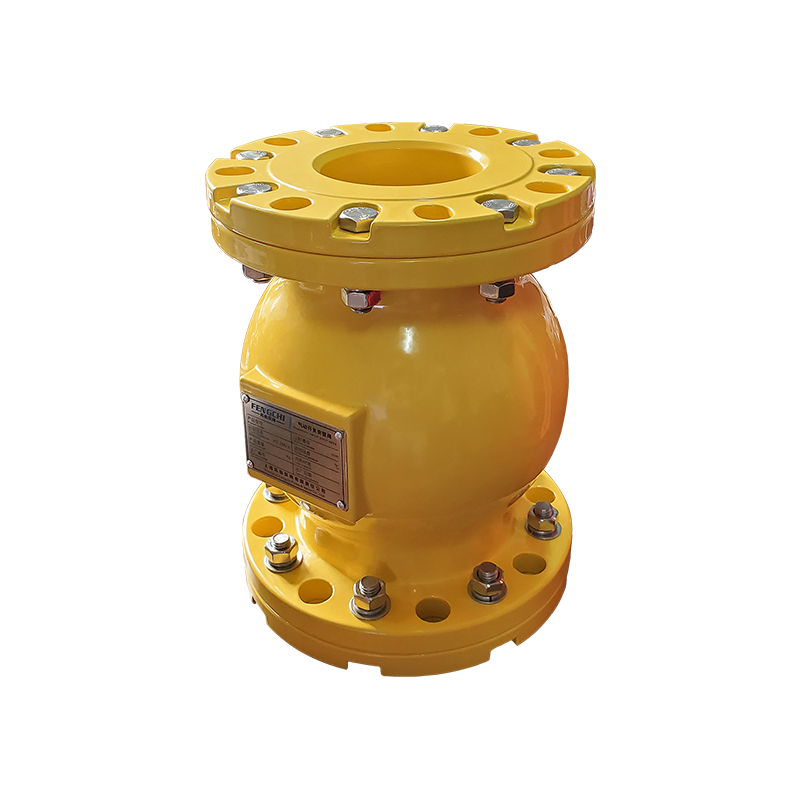
Air Operated pinch valves offer a unique and cost-effective solution for fluid control problems. The secret lies in the rubber valve sleeve - the onl...
See Details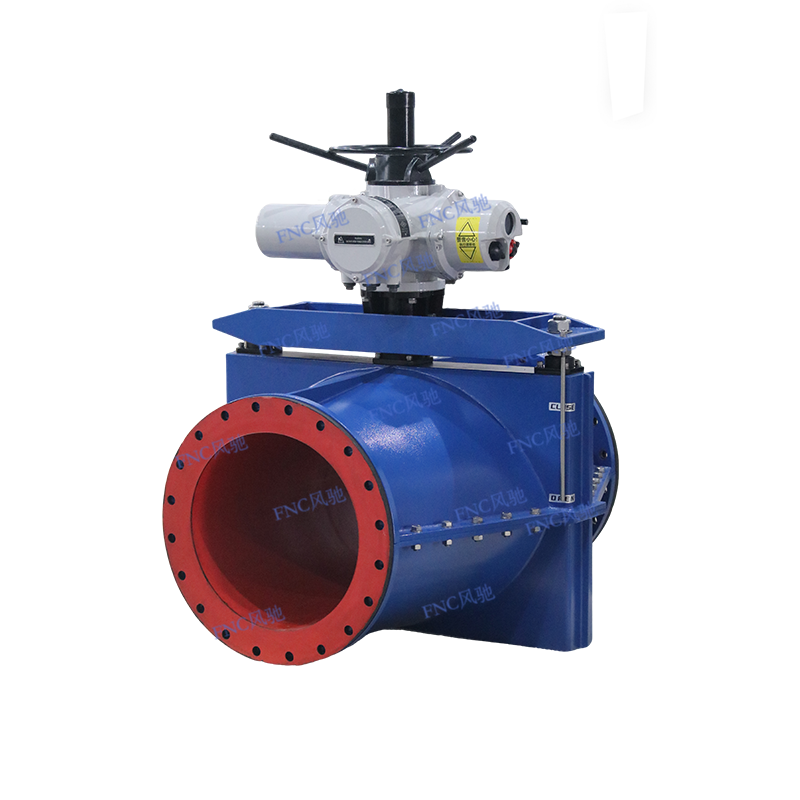
Compared to ordinary pinch valves, large-diameter pinch valves have much higher production requirements. As the “core component” of the pinch valve, t...
See Details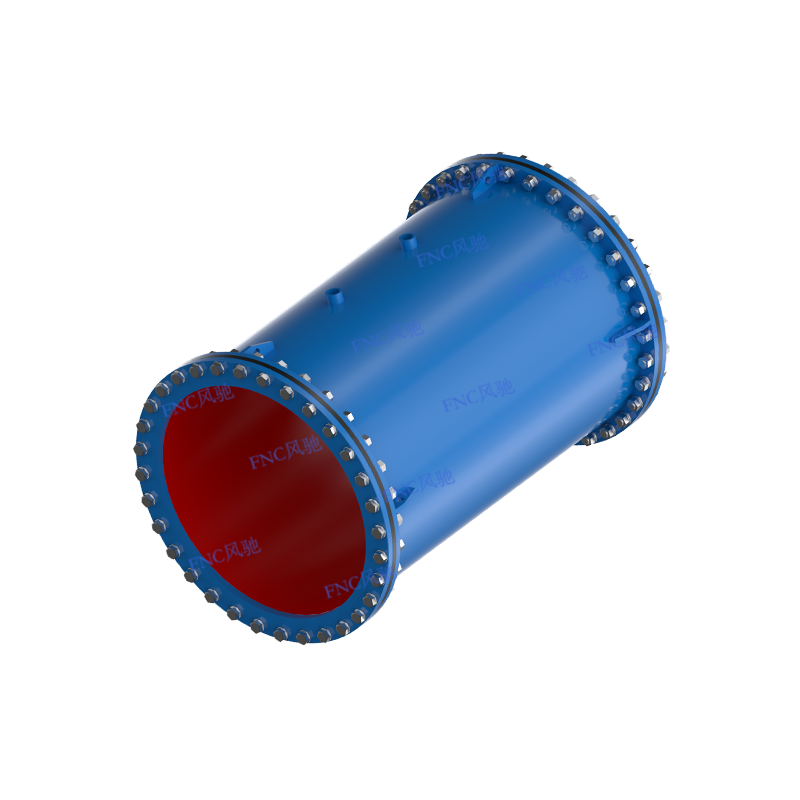
Air Operated pinch valves offer a unique and cost-effective solution for fluid control problems. The secret lies in the rubber valve sleeve - the onl...
See Details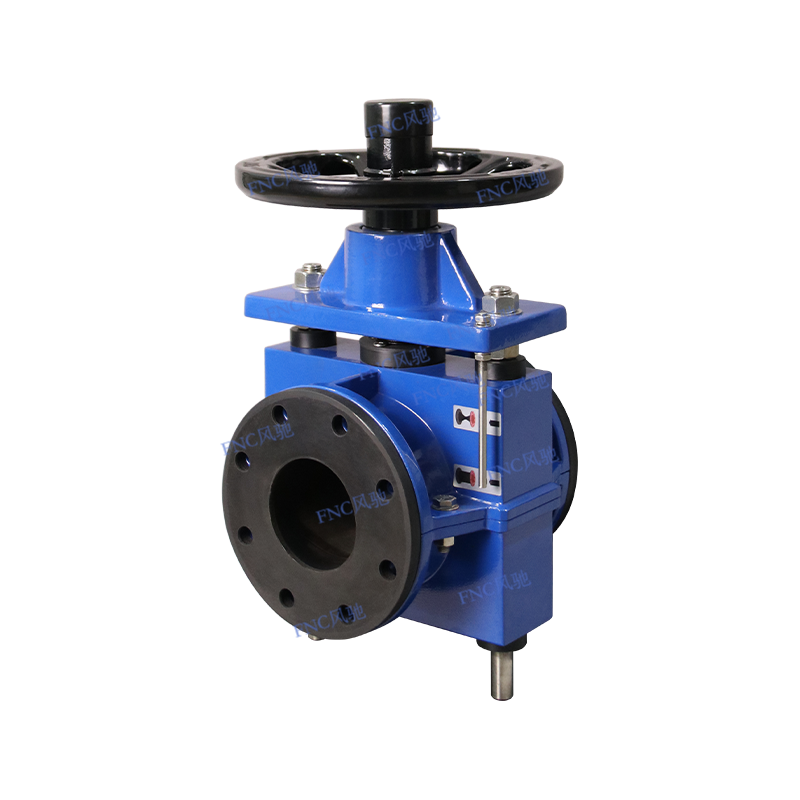
The operating principle of the FNC® enclosed pinch valve is straightforward. When in the open position, the valve provides a full-bore passage, allowi...
See Details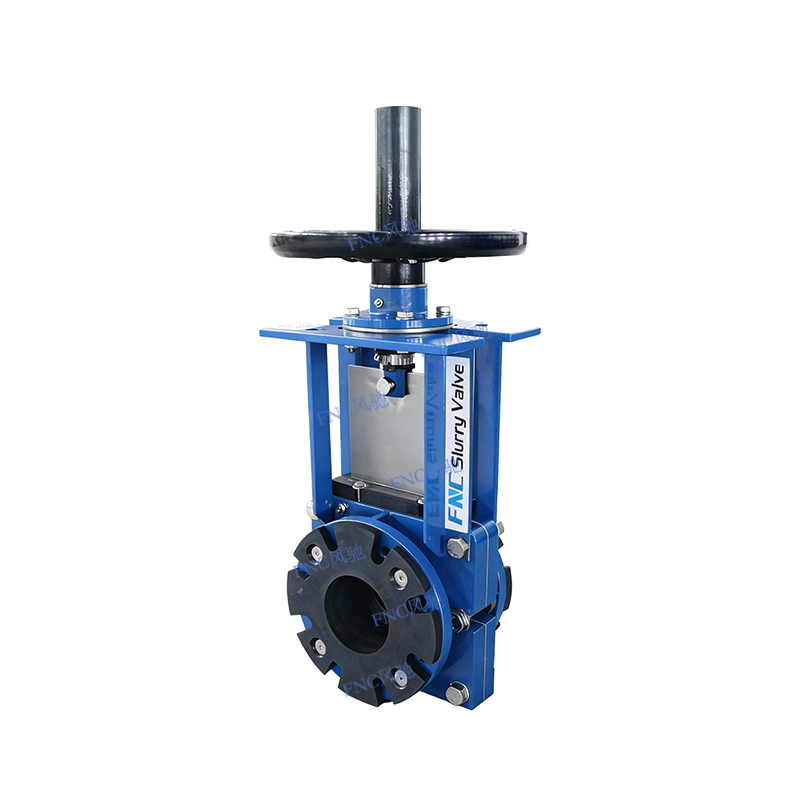
The FNC Slurry Knife Gate Valve is compatible with a variety of actuators. Its main body is constructed from materials such as cast iron, cast steel, ...
See Details
The operating principle of the FNC® enclosed pinch valve is straightforward. When in the open position, the valve provides a full-bore passage, allowi...
See Details
Phone: +86-136 7173 4086

Tel: +86-563 5033 866

Email: red@pinchvalves.com.cn

Address:
