

 EN
EN

 English
 русский
 Español
Standard Air Operated Pinch Valves
Cat:Air Operated Pinch Valves
Air Operated pinch valves offer a unique and cost-effective solution for fluid control problems. The secret lies in the rubber valve sleeve - the onl...
See DetailsPull a swing check valve out of a tailings discharge line after eight months of service and the damage is rarely a surprise. The hinge pin is worn oval, the disc face carries a bright erosion crescent where solids squeezed between disc and seat, and the downstream flange shows the pitting pattern of repeated water hammer. Every one of those defects was already visible three months earlier.
Check valve maintenance fails at most plants for one structural reason: the valve sits in a line with no isolation valve upstream, no bypass and no test port, so inspection gets deferred until something breaks. The practical fix is to treat the check valve as a condition-monitored asset from the day it is installed, and to accept that in abrasive duty the most economical strategy is sometimes not repair at all.
The conclusion, up front
Content
A check valve has four wearing surfaces and one non-wearing failure mode. Knowing which one is degrading tells you how often the line should be opened, and what spare parts belong on the shelf.
The disc never seats perfectly in slurry service. A film of solids sits between disc and seat at every closure, and each cycle abrades a slightly wider contact path. Once that band widens past roughly 20 percent of its original width, leakage becomes continuous rather than intermittent.
Swing and dual-plate designs have dead volume behind the closure element. Coarse particles settle there, disc travel shortens, and the valve eventually sits partly open. Operators usually see this first as a pump that will not hold prime rather than as a valve fault.
Every closure loads the pin. Wear shows up as disc tilt, which produces uneven seat contact and accelerates erosion on one side only. Pin clearance is easy to measure with a micrometer and is the single best indicator of remaining service life.
A metal disc closing against reverse flow at 3 m/s can generate a pressure spike several times the line pressure. The evidence usually appears downstream at flanges, supports and welds, not in the valve body itself, which is why slam damage is often misdiagnosed as a piping problem.
Lift, axial and ball designs rely on a spring or an elastomer to return the closure. Heat and chemical attack harden the elastomer, the spring loses preload, and the valve begins to chatter. Chatter is audible, but by the time it is loud enough to notice, the seat is already damaged.
The table below compares the five designs most often specified on process lines. Intervals assume clean, low-cycle service; multiply by 0.4 to 0.6 where solids exceed 3 percent by weight.
Comparison of common check valve designs used on process and slurry lines. Treat the intervals as a planning baseline and confirm them against your own measured leakage and cycle count.
Failure records from abrasive slurry duty show a consistent pattern: the valve is rarely the first component to complain, and the first complaints are usually attributed to the pump. The distribution below reflects the causes maintenance teams report when a check valve is finally pulled for inspection.
Four measurements catch most of this before failure. Differential pressure across the valve rises as the disc stops opening fully. An acoustic closure signature shortens as the disc hangs. Reverse-flow volume, estimated from a pump stop test, grows with seat leakage. Hinge-pin clearance trends upward long before the disc tilts visibly. None of these require an outage; all four require that the isolation valves, test points and access platform were planned at the design stage.
Check valves are heavily concentrated in applications where the medium is clean and the cost of reverse flow is high. The split between sectors explains why one maintenance interval cannot be applied across a plant.
The mining share is the one that creates trouble. Check valves are specified in mining because the consequence of reverse flow into a sump or thickener is serious, yet the medium in those lines is exactly what destroys the valve. A check valve protecting a clean water circuit can run for years on an annual inspection. The same valve on a cyclone feed or tailings line may need attention within a single campaign, which is why slurry operators increasingly question whether the check valve belongs in the line at all.
If a check valve has been opened three times in a year on the same abrasive duty, the maintenance cost has already exceeded the value of the protection it provides. Three alternatives are worth evaluating, depending on what the check valve was actually installed to prevent.
The first is to delete the non-return function and replace it with a full-bore isolation valve plus a sequenced shutdown. A pinch valve suits this role because the elastomer sleeve is the only wetted part: there is no seat, no hinge, no cavity and no clearance for particles to pack into. When the sleeve eventually wears, it is replaced in place without removing the body from the line. For plants comparing this route against a lined diaphragm design, the trade-offs in leakage, wear life and spares holding are set out in this pinch valve versus diaphragm valve comparison for mining duty. The same logic extends across the full-bore pinch valve range, including open-body and closed-body configurations.
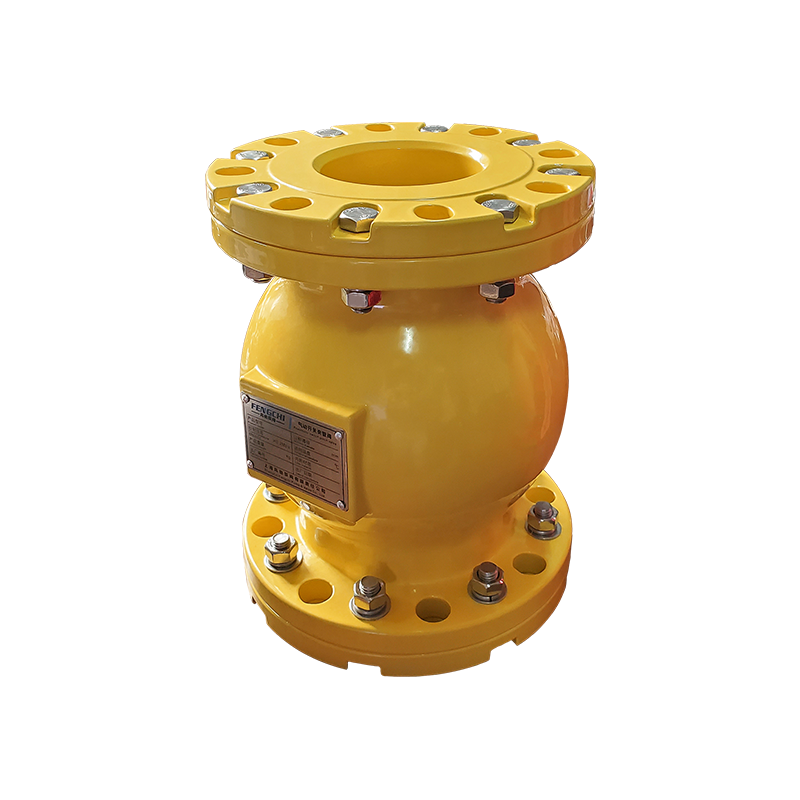 Standard Air Operated Pinch ValvesNominal Diameter: DN15~DN2000, 1/2 ”~84”inView Product →
The second option applies where positive shut-off is still required on a slurry header. A slurry knife gate valve gives a full-bore, cavity-free flow path and a shearing action that cuts through settled solids on closing, so the isolation point does not become a settling zone. Gate travel and seat condition are checked from outside the line, which removes the need to break a flange simply to see whether the valve is sealing.
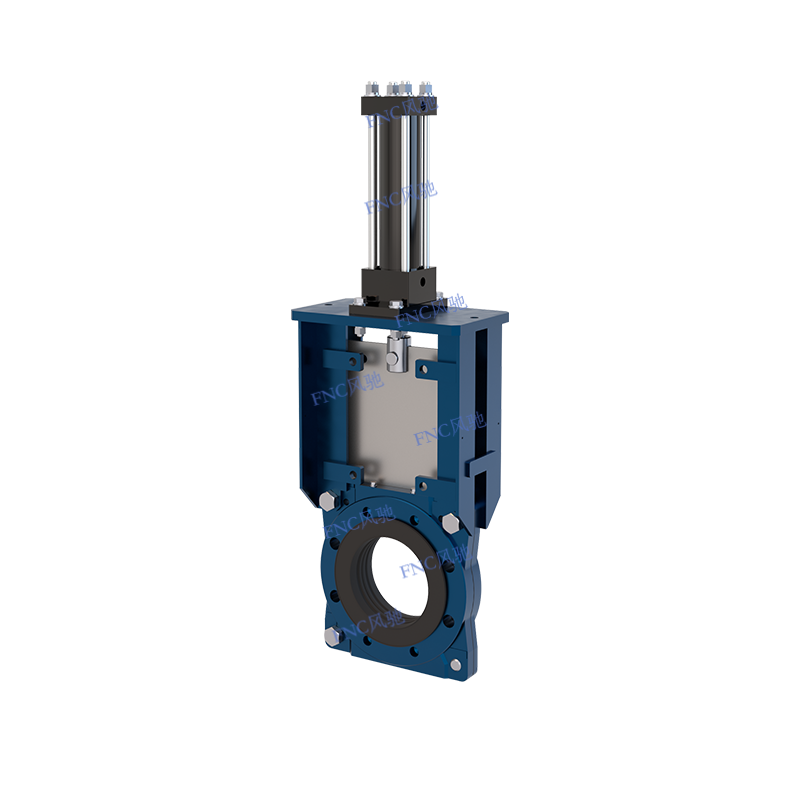 KGV-D knife gate valvesNominal Diameter: DN50 ~ DN1500View Product →
The third option removes the problem upstream. A peristaltic hose pump has no internal check valves at all: the hose is the only wetted component, the pump is self-priming, and it tolerates dry running. On suction lines where a foot valve or suction check valve is constantly fouling, replacing the pump element is frequently cheaper than maintaining the valve that feeds it.
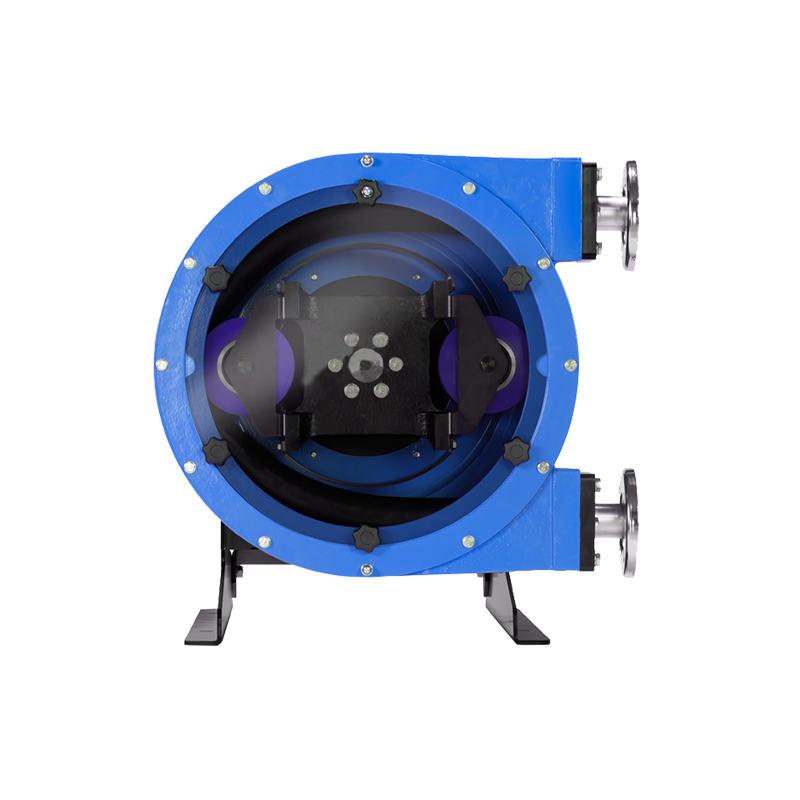 Rollers Hose PumpNominal Diameter: DN10~DN150View Product →
When repair is the right call, the procedure below keeps the intervention short and the records useful.
1. Isolate and verify
Double block and bleed, confirm zero pressure at the drain, then apply lockout and tagout. On slurry lines, flush before opening any flange.
2. Record the baseline
Log body markings, seat material, spring rating, orientation and flange condition, and photograph the disc and seat before cleaning. Post-clean photographs hide the evidence.
3. Measure rather than assess
Check seat contact band width, disc lift, and hinge-pin clearance with a micrometer. Record the numbers against the previous reading, not against an opinion.
4. Clean and inspect the cavity
Remove packed solids from the dead volume, then look for erosion grooves, pitting and any sign that the disc has been contacting the body.
5. Decide repair or replace
Replace rather than refurbish once seat erosion passes roughly 20 percent of the contact width, or when hinge-pin clearance exceeds the manufacturer's limit. A re-machined seat on a worn pin will fail again quickly.
6. Reinstall correctly
Confirm the flow arrow against the actual direction of flow, use a new gasket, and follow the bolt torque sequence. Most "new" check valve failures within a week trace back to orientation or torque.
7. Return the data
Enter pin clearance, seat band width and cycle count into the maintenance system. Without the trend, the next inspection interval is a guess.
A maintenance plan is only as good as the paperwork behind it. For industrial valves on mining and process sites, keep seat kits, hinge pins, springs and gaskets matched to the exact trim installed. Elastomer parts have shelf lives measured in years, not decades, and a sleeve or seal that has been sitting in a hot warehouse will fail earlier than its service record suggests. Rotate stock accordingly.
Documentation should be assembled at purchase, not after a failure. Material certificates, pressure test records at 1.5 times design pressure, elastomer batch traceability and declaration of conformity for exported equipment are the documents an auditor or insurer will ask for. Where a plant operates under ISO 9001, ISO 14001 and ISO 45001, the same records support quality, environmental and occupational safety audits at once, so a single disciplined filing routine covers three obligations. For equipment shipped into the EU, CE marking and RoHS declarations should travel with the valve rather than be requested months later.
Finally, plan the environmental side of the job. Drain and flush before breaking a flange, capture the flush volume instead of discharging it to grade, and dispose of worn elastomer and metal trim through the correct waste stream. On slurry lines this is a larger volume than most planners expect, and it is the part of the procedure most often skipped under production pressure.
Return to the tailings line from the opening. The valve did not fail because it was poorly made. It failed because nobody could isolate it, nobody measured the hinge pin, and the medium was never compatible with a swing disc and a metal seat. Fix the isolation and the test points, put the measurements on a trend, and keep the check valve where it genuinely belongs. Everywhere else, the cheapest maintenance is the valve you no longer have to open.
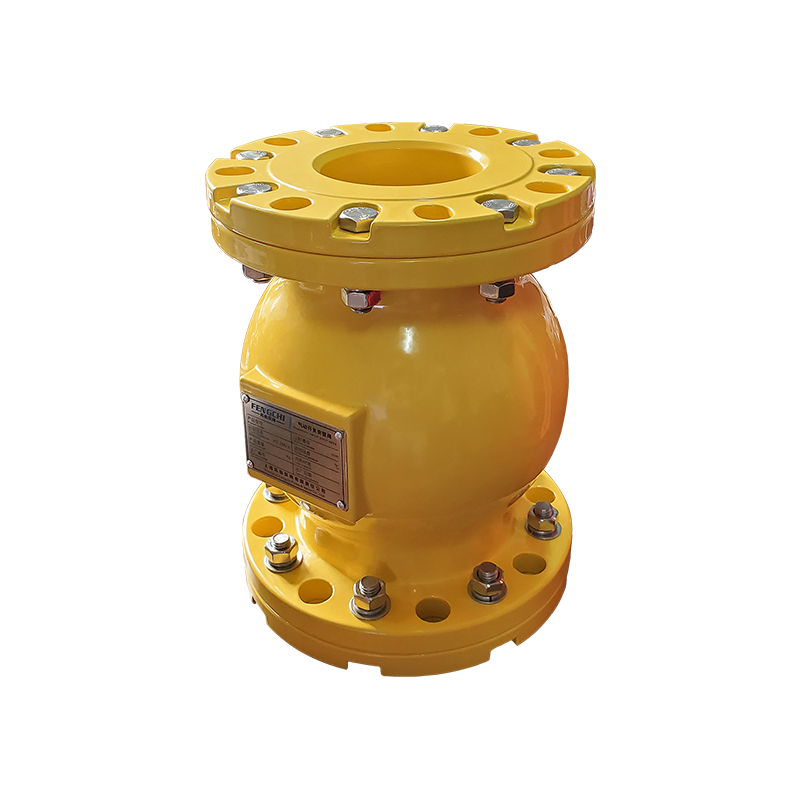
Air Operated pinch valves offer a unique and cost-effective solution for fluid control problems. The secret lies in the rubber valve sleeve - the onl...
See Details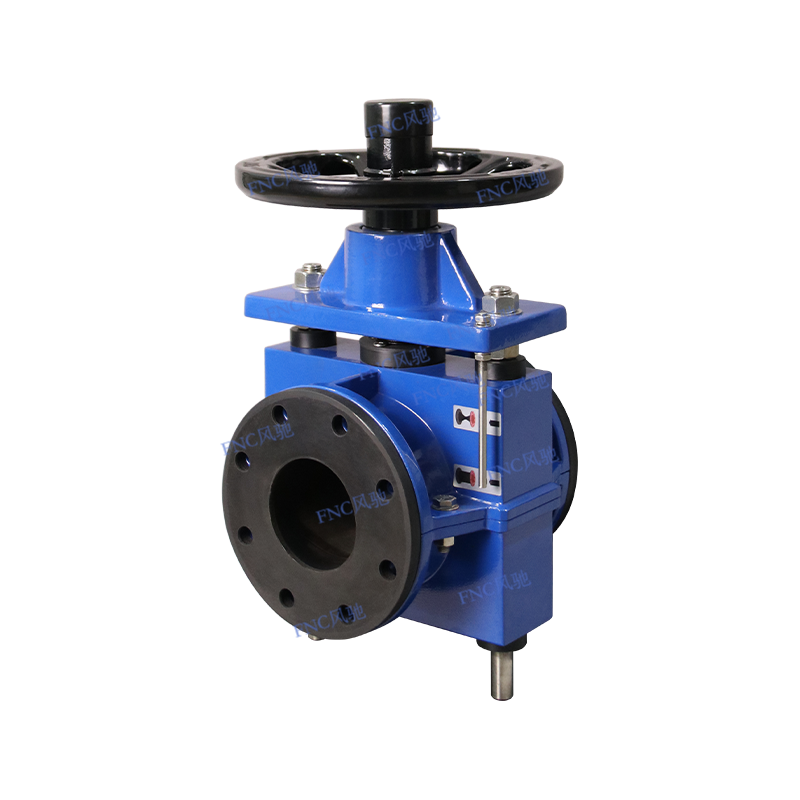
The operating principle of the FNC® enclosed pinch valve is straightforward. When in the open position, the valve provides a full-bore passage, allowi...
See Details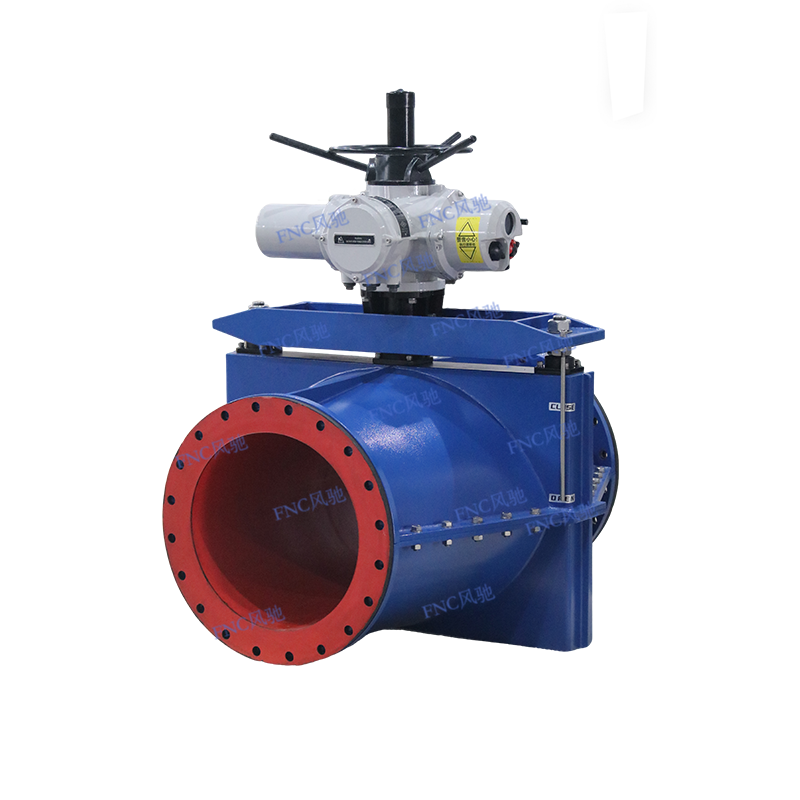
Compared to ordinary pinch valves, large-diameter pinch valves have much higher production requirements. As the “core component” of the pinch valve, t...
See Details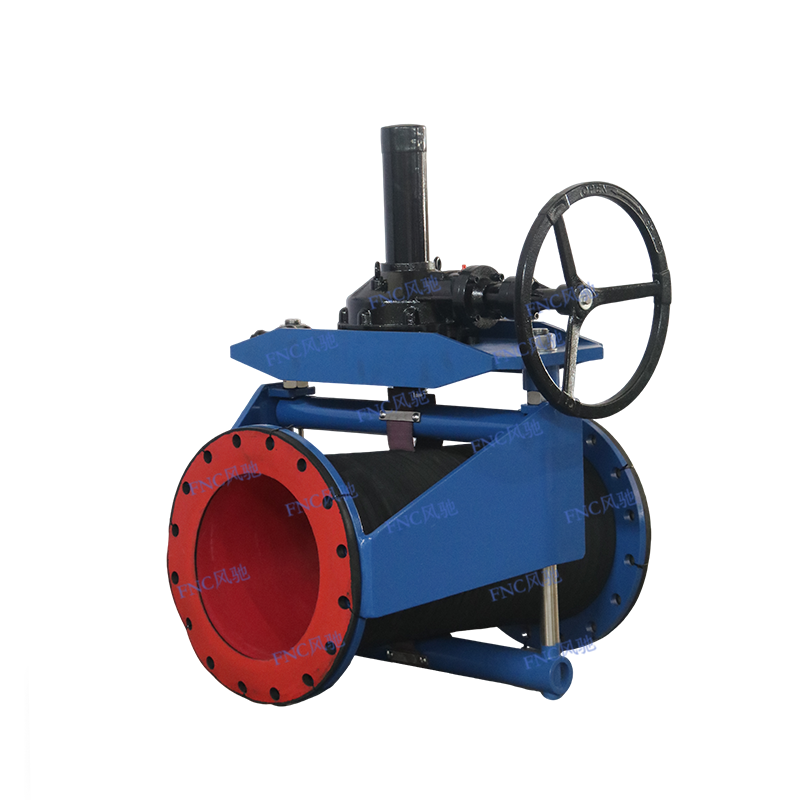
The operating principle of the FNC® enclosed pinch valve is straightforward. When in the open position, the valve provides a full-bore passage, allowi...
See Details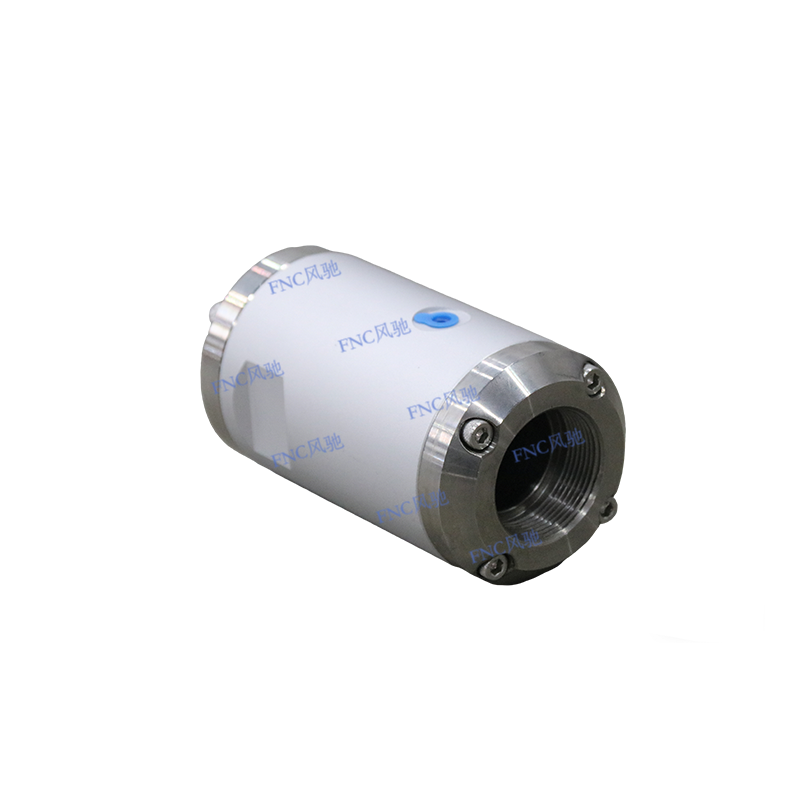
Air Operated pinch valves offer a unique and cost-effective solution for fluid control problems. The secret lies in the rubber valve sleeve - the onl...
See Details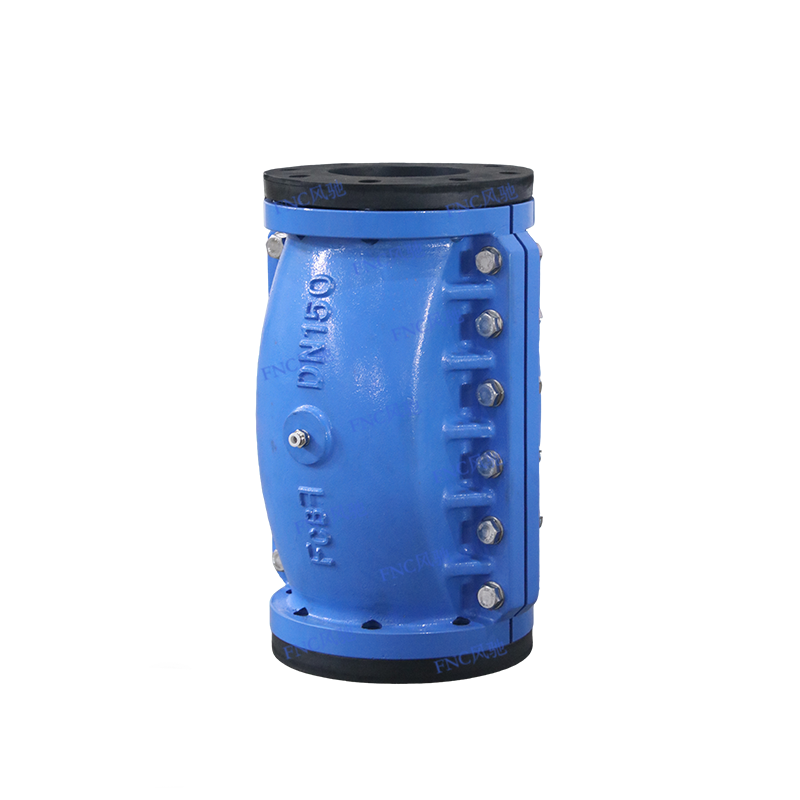
Air Operated pinch valves offer a unique and cost-effective solution for fluid control problems. The secret lies in the rubber valve sleeve - the onl...
See Details
Phone: +86-136 7173 4086

Tel: +86-563 5033 866

Email: red@pinchvalves.com.cn

Address:
