

 EN
EN

 English
 русский
 Español
Standard Air Operated Pinch Valves
Cat:Air Operated Pinch Valves
Air Operated pinch valves offer a unique and cost-effective solution for fluid control problems. The secret lies in the rubber valve sleeve - the onl...
See DetailsContent
Mining and mineral processing environments are among the most punishing conditions any industrial valve can face. Pipelines carry abrasive slurries, corrosive chemicals, thick sludge, and high-concentration particulate media at varying pressures and temperatures. Conventional valves — ball valves, gate valves, butterfly valves — often fail prematurely in these settings due to internal cavities that trap media, metal-to-metal sealing surfaces that wear rapidly, and complex internal geometries that clog under heavy solids loading. Air operated pinch valves offer a fundamentally different approach: a fully open, unobstructed bore with a flexible elastomer sleeve as the only wetted component. This design makes air operated pinch valves one of the most practical and cost-effective choices for the mining sector, provided the correct type is selected for each specific application.
Air operated pinch valves function by applying compressed air pressure to the outside of a flexible rubber or elastomer sleeve housed within a rigid body. When air pressure is applied, the sleeve collapses inward and pinches shut, stopping flow completely. When air pressure is released, the sleeve returns to its full open bore, allowing unrestricted media passage. Because the sleeve is the only part in contact with the process fluid, there are no metal seats, no moving metal parts, and no internal cavities to trap solids or suffer abrasion. This makes the valve inherently self-cleaning and highly resistant to the wear that typically destroys conventional valves in mining service within months.
In mineral processing, where pipelines routinely carry iron ore slurry, coal slurry, tailings, copper concentrate, or phosphate pulp, this full-bore open design is critical. It eliminates the pressure drops and blockages that plague other valve types, maintaining consistent flow rates and reducing pump energy consumption across the processing circuit.
Not all air operated pinch valves are built alike. Selecting the right valve for a mining or mineral processing application requires careful evaluation of several critical parameters.
The sleeve is the heart of any air operated pinch valve, and its material must be matched precisely to the media being handled. The most commonly used elastomer compounds in mining applications include:
Air operated pinch valves must be rated for both the pipeline operating pressure and the actuating air supply pressure. In most mining installations, the required actuating air pressure is approximately 1.5 to 2 times the line pressure to achieve reliable full closure. Standard air operated pinch valves cover line pressures from near vacuum up to approximately 6 bar (87 psi), while heavy-duty reinforced models can handle up to 10 bar (145 psi) or higher in demanding mineral processing circuits. Always confirm that your compressed air supply can consistently deliver the required actuating pressure, particularly in remote mine sites where air supply pressure may fluctuate.
The outer body of the air operated pinch valve does not contact the process media directly, but it must still withstand the physical environment of the mine site — including moisture, dust, vibration, and chemical splash. Cast iron bodies are cost-effective for general service. Ductile iron or fabricated steel bodies offer greater mechanical strength for large-diameter valves in high-pressure service. Stainless steel bodies are specified where chemical exposure on the exterior is a concern. End connections are typically flanged to ANSI, DIN, or AS standards, enabling direct integration into existing mining pipeline systems without adapter fittings.
The following table summarizes the most suitable air operated pinch valve configurations for common mining and mineral processing applications:
| Application | Recommended Sleeve | Body Material | Key Requirement |
| Iron Ore / Coal Slurry | Natural Rubber (NR) | Cast Iron / Ductile Iron | High abrasion resistance |
| Acid Leach Circuits | EPDM | Stainless Steel | Chemical resistance to acids |
| Tailings Disposal Lines | NR Fabric Reinforced | Ductile Iron / Steel | High pressure, high solids |
| Copper Concentrate Slurry | Natural Rubber (NR) | Cast Iron | Abrasion and cycle resistance |
| Reagent Dosing Lines | EPDM or Neoprene | Stainless Steel | Chemical compatibility |
Correct sizing of air operated pinch valves is essential to ensure both reliable shutoff and minimal flow restriction when open. The valve bore should match the pipeline internal diameter precisely — undersizing increases velocity and accelerates sleeve wear, while oversizing reduces flow control accuracy. For slurry applications, it is also important to install the valve in a orientation where the sleeve pinches horizontally rather than vertically where possible, preventing solids from settling and packing within the sleeve during long closed periods. Many mining operators also install air operated pinch valves in pairs — one for isolation and one for flow throttling — to extend sleeve life by distributing operational cycles.
One of the most compelling advantages of air operated pinch valves in mining operations is their exceptional ease of maintenance. When the sleeve eventually wears — which is the only component that does in normal service — replacement requires no special tools, no pipeline disassembly beyond the valve body itself, and no specialist technicians. A standard maintenance crew can replace a sleeve in minutes, minimizing downtime in time-critical processing circuits. Spare sleeve inventories are compact and inexpensive compared to the full replacement parts required for ball or gate valves of equivalent size, making air operated pinch valves a highly cost-effective long-term investment for mineral processing plants operating around the clock.
When specifying air operated pinch valves for mining and mineral processing projects, procurement engineers should always request full material traceability certificates for the sleeve compound, independent third-party pressure test reports, and documented sleeve cycle life data relevant to the specific media and operating conditions. Sourcing from manufacturers with proven experience in mining valve applications — and who can provide application-specific sleeve recommendations rather than generic catalogue selections — will significantly reduce the risk of premature failure and unplanned production shutdowns. With the right specification, air operated pinch valves deliver outstanding reliability, low total cost of ownership, and minimal maintenance burden in even the harshest mineral processing environments.
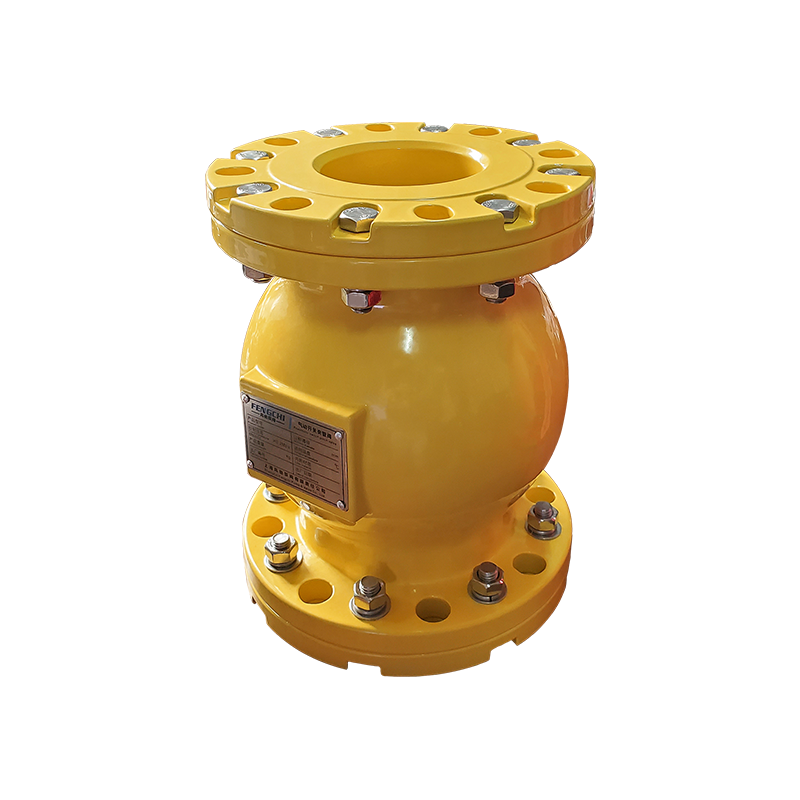
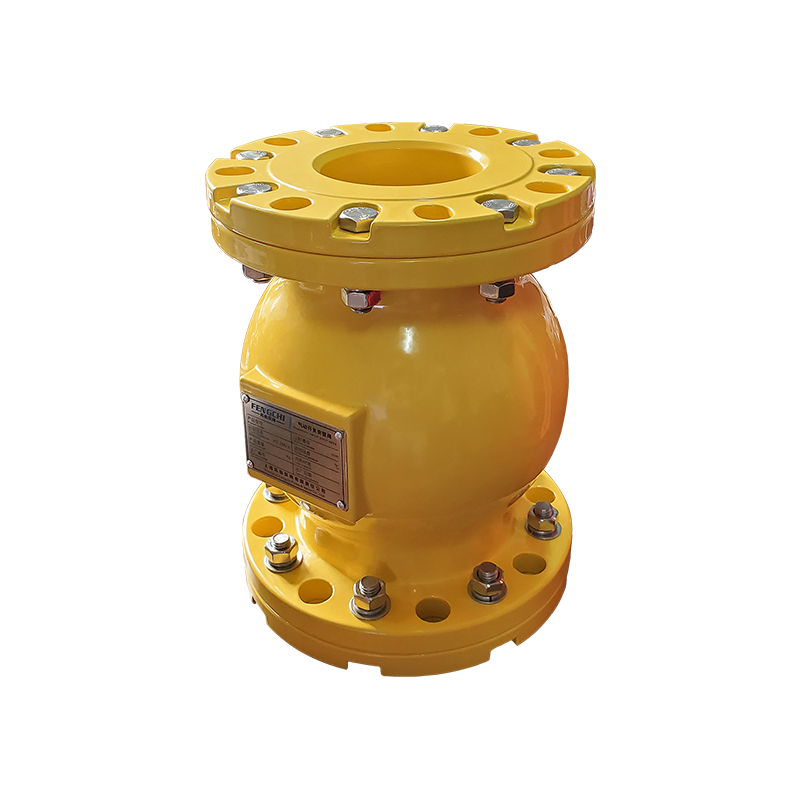
Air Operated pinch valves offer a unique and cost-effective solution for fluid control problems. The secret lies in the rubber valve sleeve - the onl...
See Details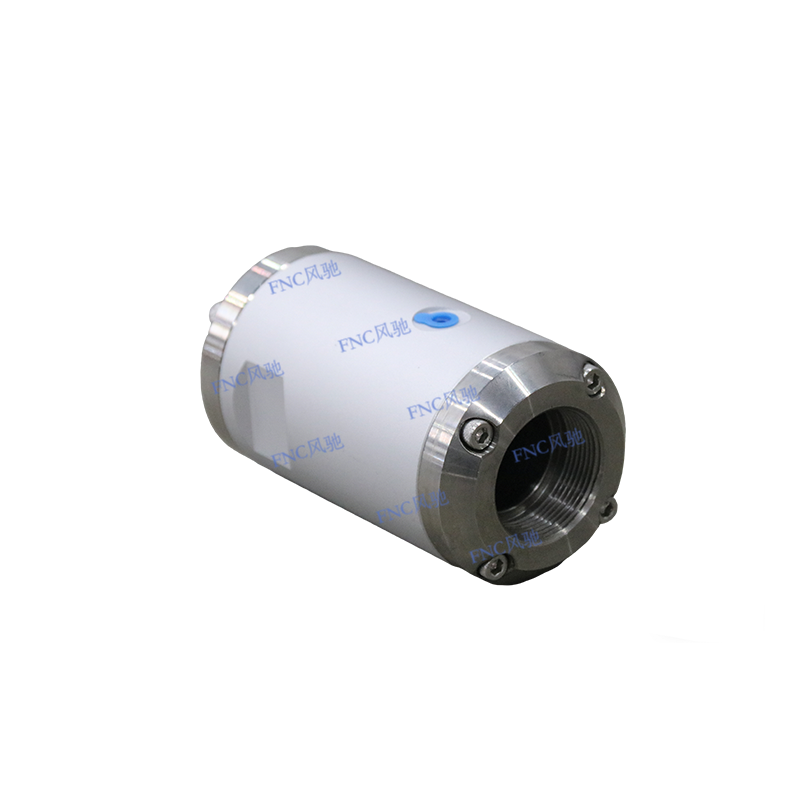
Air Operated pinch valves offer a unique and cost-effective solution for fluid control problems. The secret lies in the rubber valve sleeve - the onl...
See Details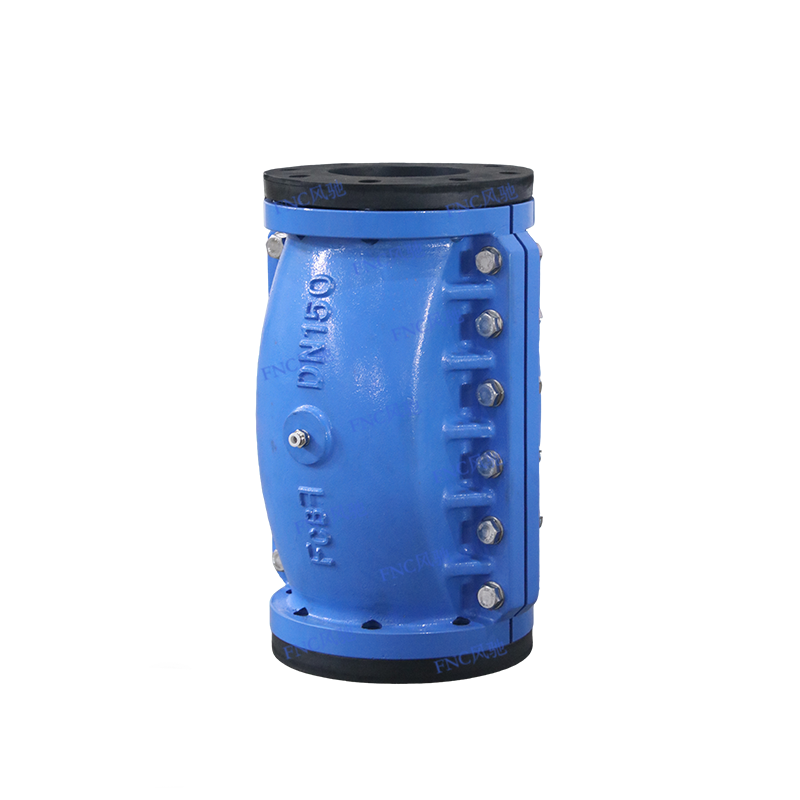
Air Operated pinch valves offer a unique and cost-effective solution for fluid control problems. The secret lies in the rubber valve sleeve - the onl...
See Details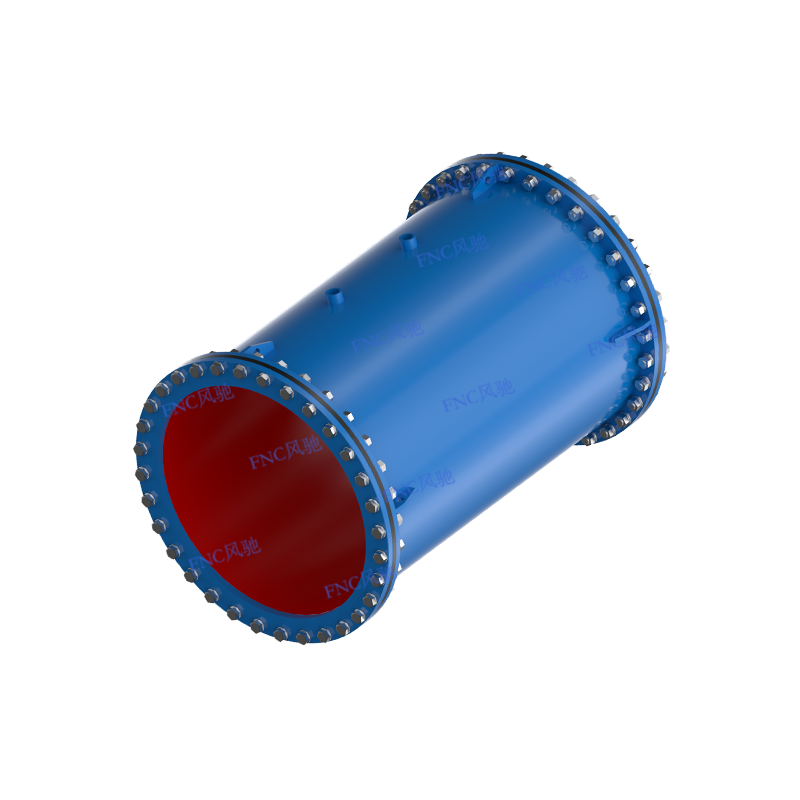
Air Operated pinch valves offer a unique and cost-effective solution for fluid control problems. The secret lies in the rubber valve sleeve - the onl...
See Details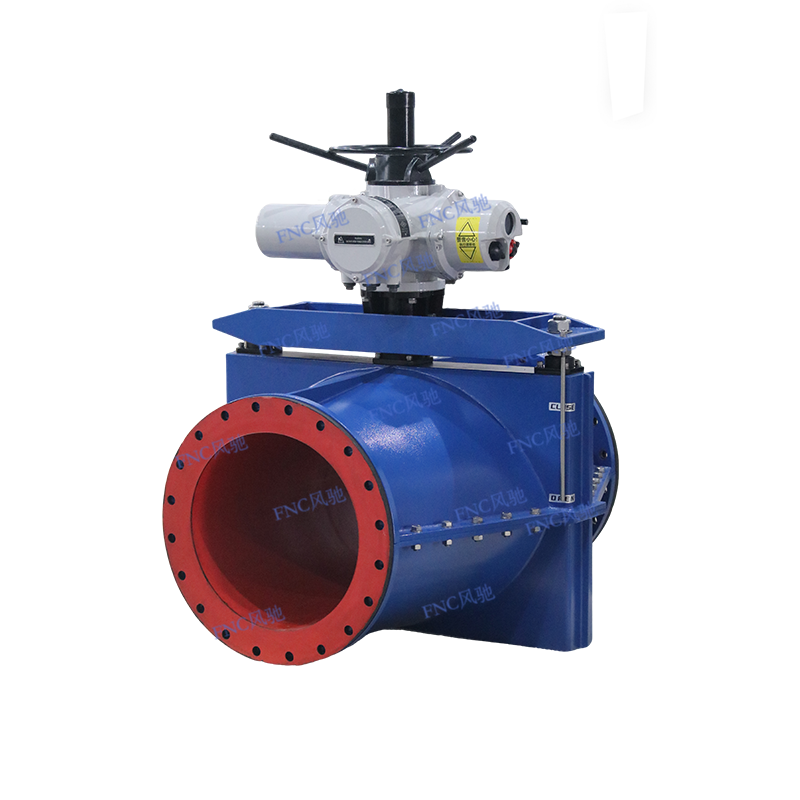
Compared to ordinary pinch valves, large-diameter pinch valves have much higher production requirements. As the “core component” of the pinch valve, t...
See Details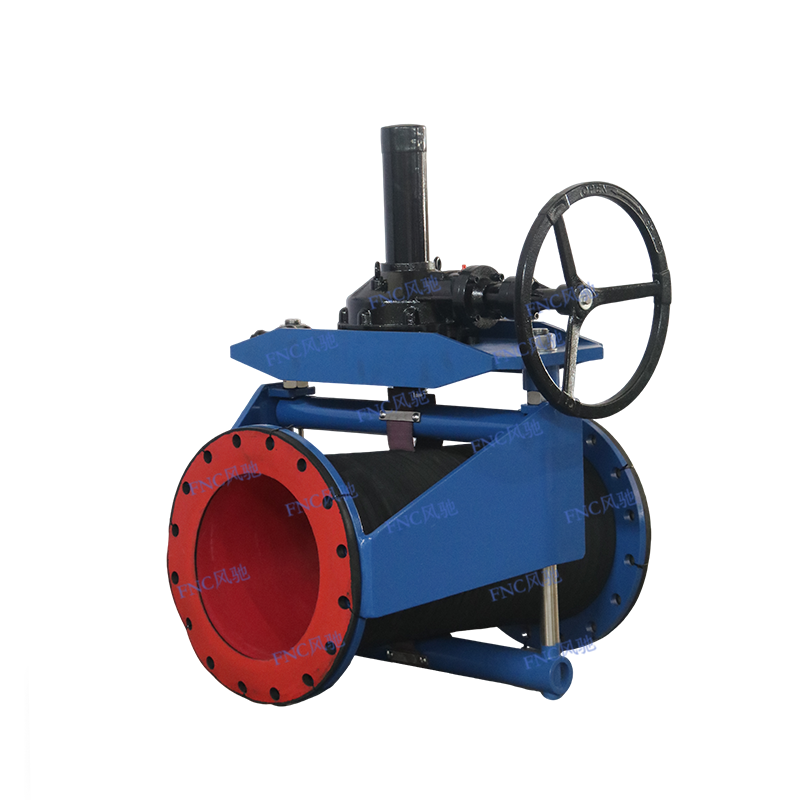
The operating principle of the FNC® enclosed pinch valve is straightforward. When in the open position, the valve provides a full-bore passage, allowi...
See Details
Phone: +86-136 7173 4086

Tel: +86-563 5033 866

Email: red@pinchvalves.com.cn

Address:
