

 EN
EN

 English
 русский
 Español
Closed Body Pinch Valve
Cat:Pinch Valves
The operating principle of the FNC® enclosed pinch valve is straightforward. When in the open position, the valve provides a full-bore passage, allowi...
See DetailsContent
The Pinch Valve operates on a simple yet highly effective principle: a flexible elastomeric sleeve is compressed by mechanical or pneumatic actuators to stop, start, or regulate flow. This design eliminates internal metal components that contact the media, making it inherently resistant to abrasive slurries, corrosive chemicals, and fibrous suspensions. In contrast, a diaphragm valve uses a flexible membrane pressed against a weir or saddle to control flow, offering excellent isolation but with more complex internal geometry. Both valve types deliver zero leakage performance when properly specified, but the Pinch Valve's straight-through, full-bore design minimizes pressure drop and prevents clogging in applications handling viscous or particle-laden fluids.
When evaluating a Pinch Valve versus a diaphragm valve for wear and corrosion resistant zero leakage applications, engineers must consider media composition, particle size, operating pressure, and cycle frequency. The Pinch Valve excels in high-solids slurries where its self-cleaning action prevents buildup, while the diaphragm valve offers finer throttling control for low-flow chemical dosing. Selecting the appropriate elastomer compound—such as chlorobutyl for acid resistance or nitrile for hydrocarbon compatibility—is critical to achieving long service life and maintaining zero leakage integrity over thousands of cycles.
Achieving reliable zero leakage in aggressive industrial environments demands more than just robust valve construction; it requires a holistic approach to material science, sealing geometry, and actuation precision. Corrosion Resistant Pinch Valve Suppliers engineer sleeves with multi-layer reinforcement, combining an inner chemical-resistant liner with an outer abrasion-toughened cover to withstand both acidic attack and particle erosion simultaneously. Advanced molding techniques ensure uniform wall thickness and eliminate weak points that could lead to premature failure. When paired with pneumatic actuators featuring position feedback and adjustable closing force, these valves deliver repeatable shutoff performance even after extended exposure to harsh media.
| Performance Metric | Pinch Valve | Diaphragm Valve |
| Abrasion Resistance | Excellent (full-bore, self-cleaning) | Good (weir design may trap solids) |
| Chemical Compatibility | Excellent (elastomer selection) | Excellent (diaphragm isolation) |
| Maintenance Frequency | Low (sleeve replacement only) | Moderate (diaphragm and seat inspection) |
| Zero Leakage Assurance | Bubble-tight with proper sleeve compression | Bubble-tight with intact diaphragm |
The longevity of a Pinch Valve in mining or chemical processing hinges on matching sleeve material to the specific wear and corrosion profile of the media. For highly abrasive tailings slurries, polyurethane-lined sleeves offer superior cut and tear resistance, while fluorocarbon elastomers provide exceptional resistance to strong acids and solvents. Zero Leakage Pinch Valves Factory in China often conducts accelerated life testing using actual process samples to validate material choices before deployment. This empirical approach ensures that maintenance-free operation is not just a marketing claim but a measurable outcome, reducing total cost of ownership compared to conventional metal-seated valves that require frequent repacking or replacement.
Large-scale mining operations present some of the most demanding valve applications, handling abrasive ore slurries, acidic leach solutions, and high-density tailings. The Pinch Valve has become the preferred substitute for conventional gate, globe, or ball valves in these environments due to its ability to handle solids-laden flows without clogging or erosion damage. In copper, gold, and iron ore processing plants, Corrosion Resistant Pinch Valve Suppliers provide customized solutions with reinforced sleeves and heavy-duty actuators that withstand continuous operation under high pressure and temperature fluctuations. The zero leakage characteristic is particularly critical when containing toxic reagents like cyanide or sulfuric acid, where even minor seepage poses environmental and safety risks.
Beyond mining, these valve technologies serve power generation, wastewater treatment, and chemical manufacturing sectors where reliability and containment are non-negotiable. The high cost-effectiveness of a well-specified Pinch Valve stems from its extended service intervals, reduced spare parts inventory, and lower labor costs for maintenance. When evaluating total lifecycle costs, the initial investment in a quality valve from a reputable Zero Leakage Pinch Valves Factory often yields significant savings compared to frequent replacements of conventional valves that fail prematurely in aggressive service.
Choosing the right supplier for Pinch Valve and diaphragm valve solutions requires evaluating technical expertise, manufacturing capabilities, and after-sales support. Leading Corrosion Resistant Pinch Valve Suppliers in China combine advanced elastomer compounding facilities with precision machining and rigorous quality control to deliver valves that meet international standards such as API, ISO, and CE. Requesting material certification, pressure test reports, and case studies from similar applications helps verify performance claims. Additionally, suppliers offering custom sleeve formulations, actuator integration, and on-site commissioning support provide greater value than those selling only standard catalog items.
A reputable Zero Leakage Pinch Valves Factory implements multi-stage testing protocols, including hydrostatic pressure tests, cycle life validation, and chemical immersion trials, to ensure each valve performs as specified. Third-party inspection services can provide additional assurance for critical projects. When sourcing from China, clear communication of application parameters—media composition, temperature range, pressure cycles, and required certifications—enables suppliers to engineer optimal solutions. Partnering with suppliers who invest in R&D for new elastomer formulations and actuator technologies ensures access to innovative products that address emerging challenges in wear and corrosion resistant zero leakage applications.
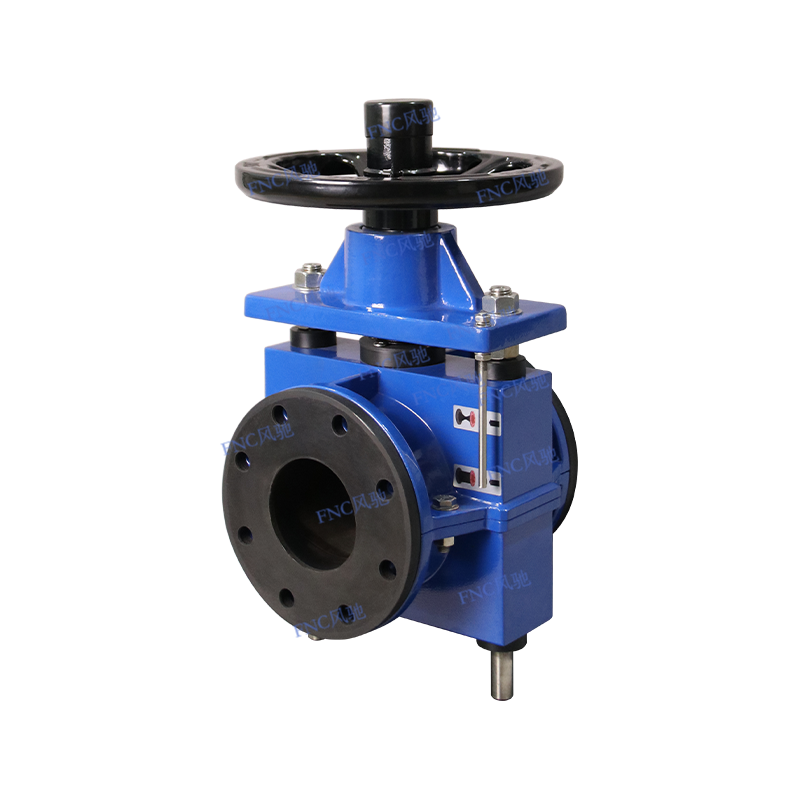
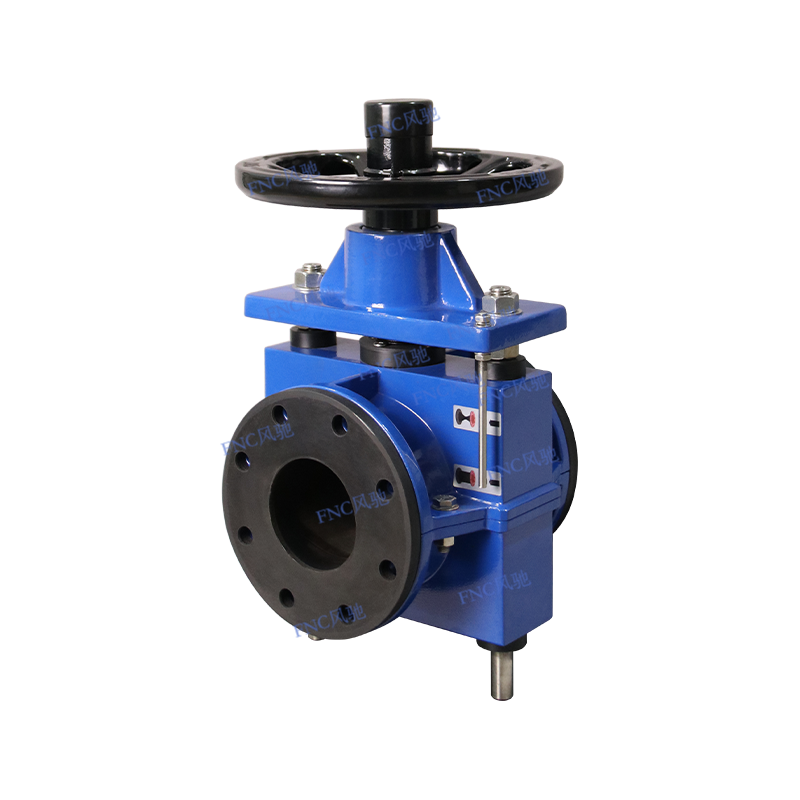
The operating principle of the FNC® enclosed pinch valve is straightforward. When in the open position, the valve provides a full-bore passage, allowi...
See Details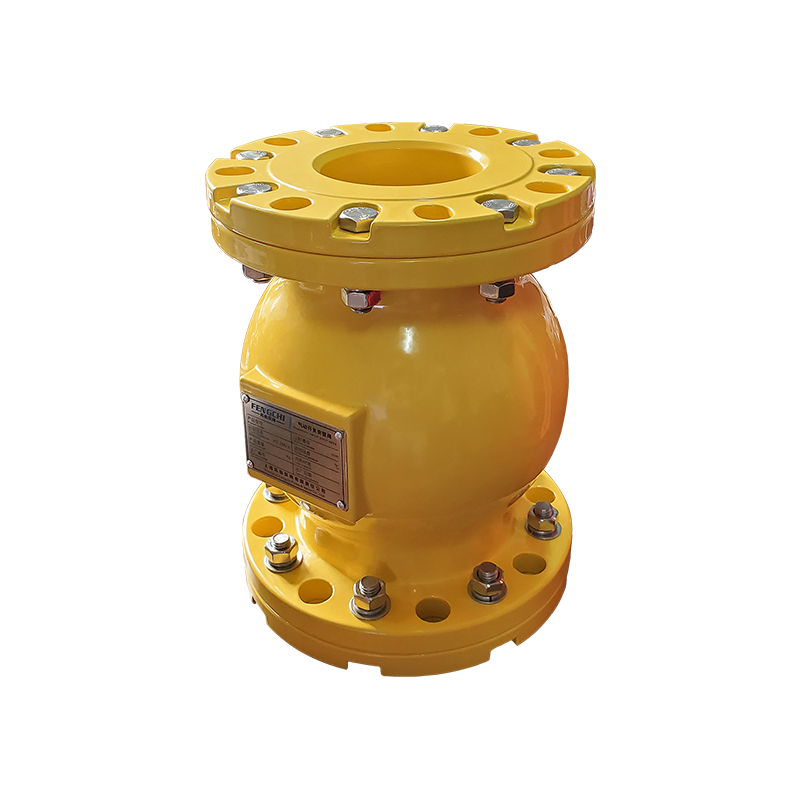
Air Operated pinch valves offer a unique and cost-effective solution for fluid control problems. The secret lies in the rubber valve sleeve - the onl...
See Details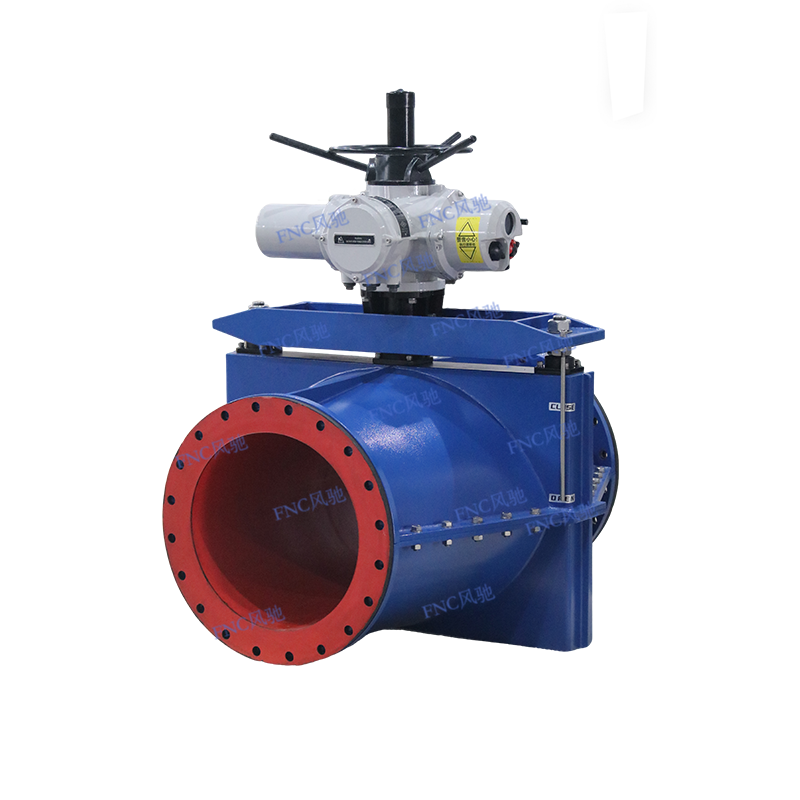
Compared to ordinary pinch valves, large-diameter pinch valves have much higher production requirements. As the “core component” of the pinch valve, t...
See Details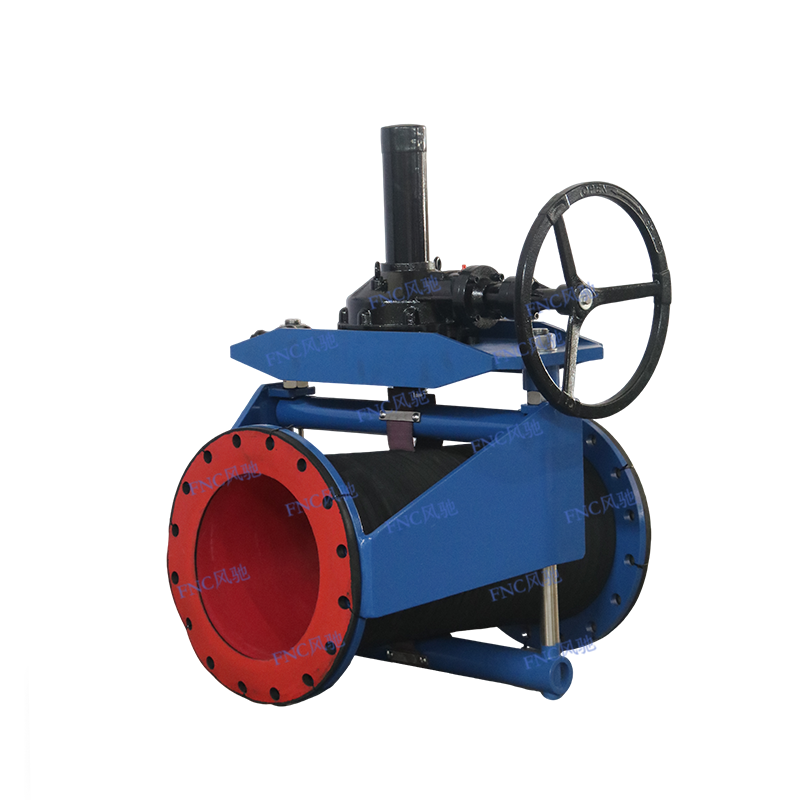
The operating principle of the FNC® enclosed pinch valve is straightforward. When in the open position, the valve provides a full-bore passage, allowi...
See Details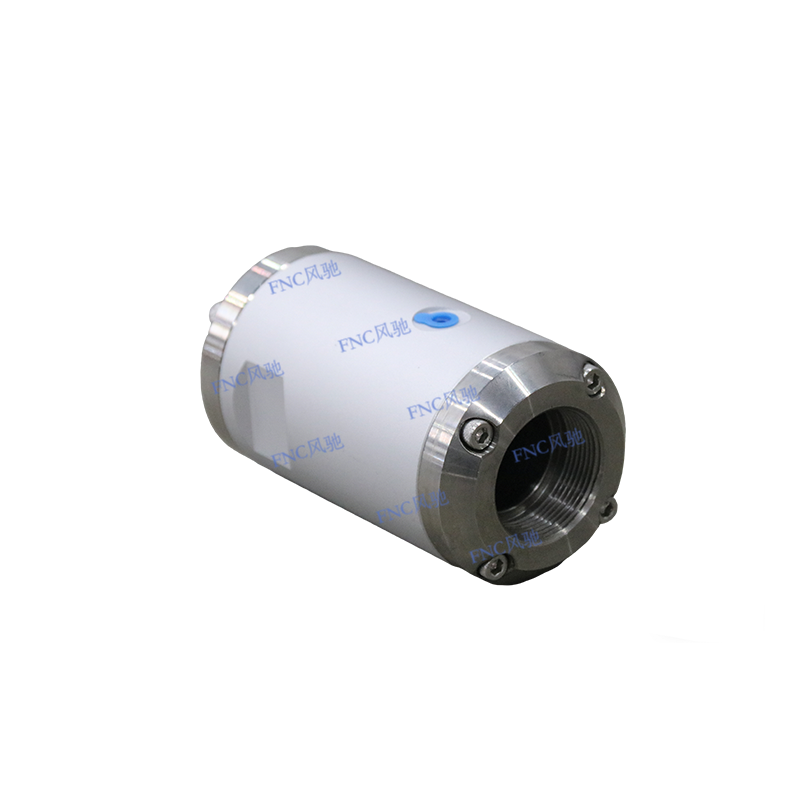
Air Operated pinch valves offer a unique and cost-effective solution for fluid control problems. The secret lies in the rubber valve sleeve - the onl...
See Details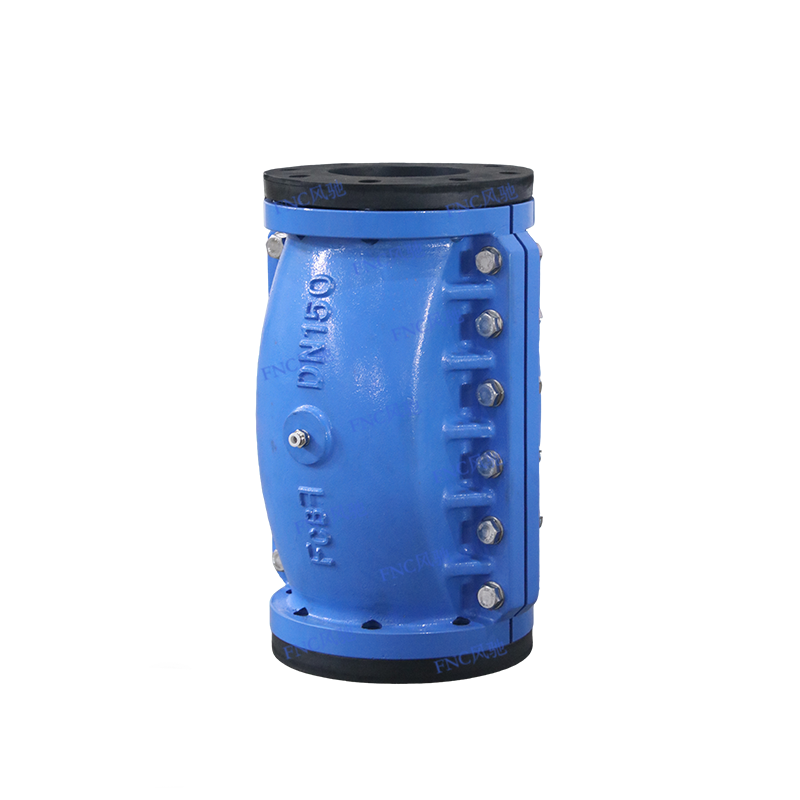
Air Operated pinch valves offer a unique and cost-effective solution for fluid control problems. The secret lies in the rubber valve sleeve - the onl...
See Details
Phone: +86-136 7173 4086

Tel: +86-563 5033 866

Email: red@pinchvalves.com.cn

Address:
