

 EN
EN

 English
 русский
 Español
Standard Air Operated Pinch Valves
Cat:Air Operated Pinch Valves
Air Operated pinch valves offer a unique and cost-effective solution for fluid control problems. The secret lies in the rubber valve sleeve - the onl...
See DetailsA 6-inch 600-class ball valve looks simple from the outside. Inside, the seat arrangement, cavity relief path, material traceability, and test records decide whether that valve will hold a hazardous line for twenty years or fail in the first winter. The quickest way to make good decisions about API 6D ball valves is to treat API 6D as a contract between purchaser and manufacturer, not as a badge.
Content
API 6D is the American Petroleum Institute specification for pipeline and piping valves, and its ball valve requirements are aligned with ISO 14313. It does not replace ASME B16.34; it adds the system-level checks that pipeline operators expect.
For a quick reference on how pressure ratings become operating limits, see our pressure rating guide.
API 6D accepts both primary ball valve layouts, but they are not interchangeable. The service conditions determine which geometry makes sense.
The ball is pushed against the downstream seat by line pressure. Construction is simple and cost is lower, but operating torque can be high in larger sizes and at higher pressure classes.
The ball is held by upper and lower trunnions. Seats are spring-loaded against the ball, so torque stays more predictable, especially for high-pressure and large-bore service.
The more important API 6D distinction is seat arrangement. In a DBB configuration, the closed valve seals against pressure from both ends and allows the cavity between the seats to be bled. DIB configurations add an extra layer of isolation logic. If you compare only shell ratings, you can miss the seat behavior that determines whether a maintenance crew can isolate a pump without removing spool pieces.
Also check cavity pressure relief. In liquid service, thermal expansion of fluid trapped inside the ball cavity can create internal pressure far above line pressure. A ball valve with self-relieving seats is often the safer and more practical answer.
Not all API 6D ball valves are equal. The practical direction is usually set by pressure, bore, and the need for double isolation.
For abrasive slurry, the comparison changes. Once solids enter a ball valve cavity, seats and stem seals become wear surfaces. A closed-body pinch valve eliminates the cavity and leaves media contact to a replaceable rubber sleeve.
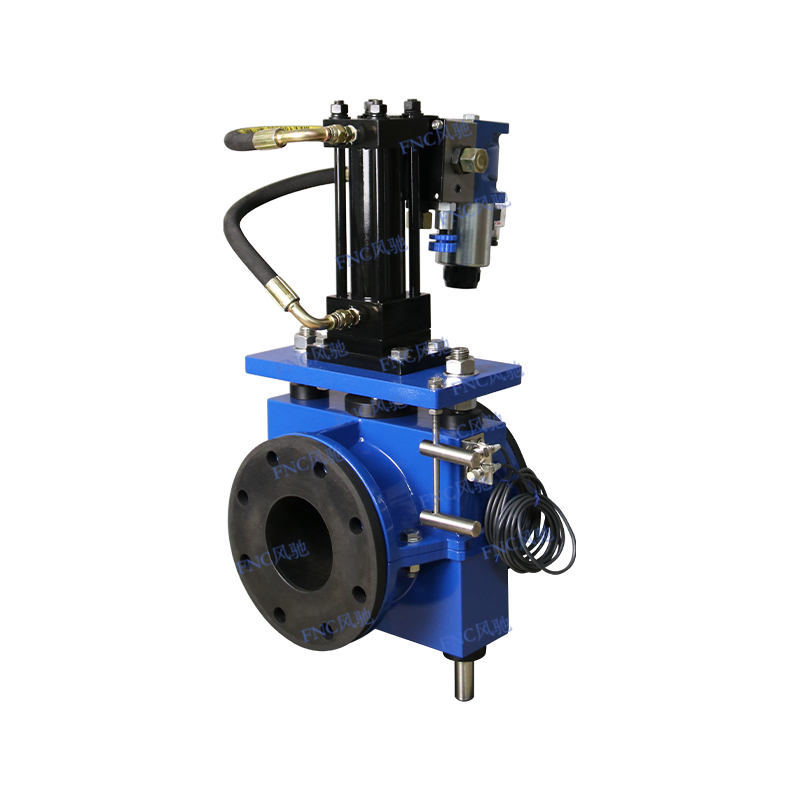 Closed Body Pinch Valve with Replaceable Sleeve for Abrasive MediaThis valve eliminates the body cavity that traps solids, leaving media contact to a replaceable rubber sleeve. It suits mineral slurry and offers Class V shutoff, with size and pressure options relevant to demanding isolation duties.View Product →
Most purchasing mistakes happen because the buyer focuses on the shell pressure rating and ignores the test package. API 6D gives the purchaser a way to make the test scope explicit.
Do not ask only for “API 6D certified.” Ask whether the valve is manufactured to API 6D, whether it will carry the API Monogram, and which tests will be witnessed. The difference matters when you need proof for an audit or a failure investigation.
The performance of an API 6D ball valve does not show up on the nameplate. Torque, cavity relief behavior, seat leakage under low differential pressure, and weld quality are the real indicators. The chart below shows a practical weighting for a supplier audit.
API 6D ball valves dominate clean and moderate-service pipeline duties. Their application spread, based on project demand, looks like this.
In mining, API 6D ball valves are common in air lines, water lines, and inert gas systems. For slurry isolation, a different geometry is usually better: an air-operated pinch valve avoids the cavities and seat traps that degrade a ball valve when mineral solids are present.
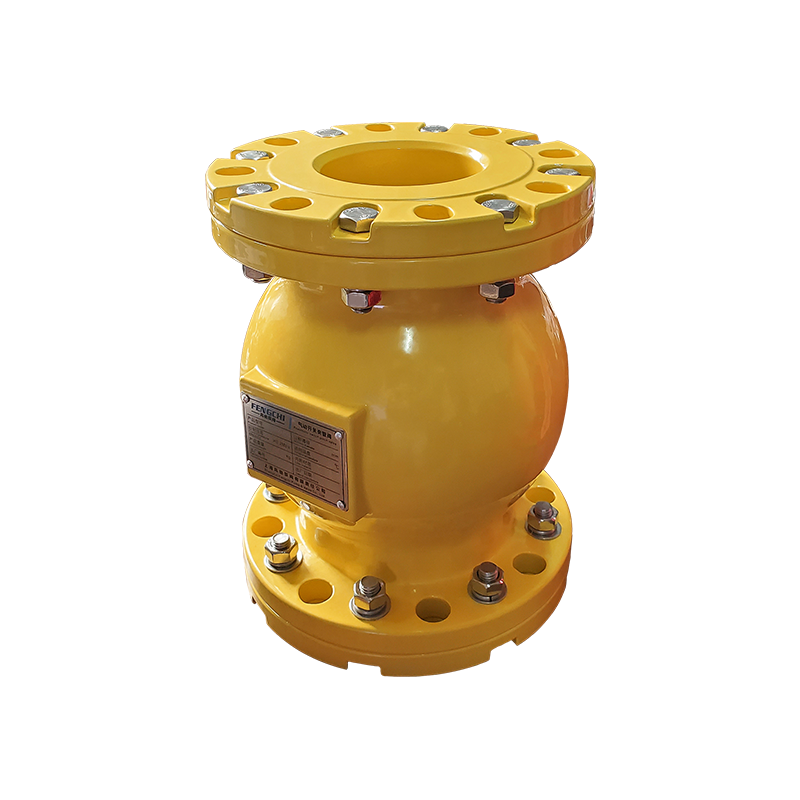 Standard Air Operated Pinch Valve for Mining Slurry IsolationDesigned for abrasive slurries, water, and oil, this pinch valve avoids seat traps and provides low flow resistance. Its replaceable sleeve and reliable shutoff help minimize downtime, supporting a strong ROI in process lines.View Product →
ROI in process valves is usually downtime cost. A small increase in initial purchase price is easy to justify if it prevents one unplanned shutdown.
Start with pressure, temperature, fluid phase, solids content, and required cycles.
Decide between DBB, DIB-1, and DIB-2 based on pipelogic and maintenance sequence.
Add high-pressure gas testing and Annex G NDE if the line is critical or hard to inspect.
Material certificates, NDE reports, and pressure charts must match each serial number.
Include actuator sizing, spare parts, seat and seal replacement intervals, and failure cost.
Compliance is not finished when the valve arrives. The documentation and maintenance history are part of the API 6D story.
Finally, remember that API 6D is a design and testing specification. A manufacturer can build a valve to API 6D without carrying the API Monogram. If the monogram is required, the purchase contract must say so explicitly, and the nameplate must support it.
Choosing an API 6D ball valve should begin with the application. If you need low-emission bidirectional isolation for clean pipeline service, a properly selected API 6D ball valve is a proven answer. If the fluid carries abrasive solids, change the geometry before changing seat material. Match the standard to the risk, and match the valve to the fluid.
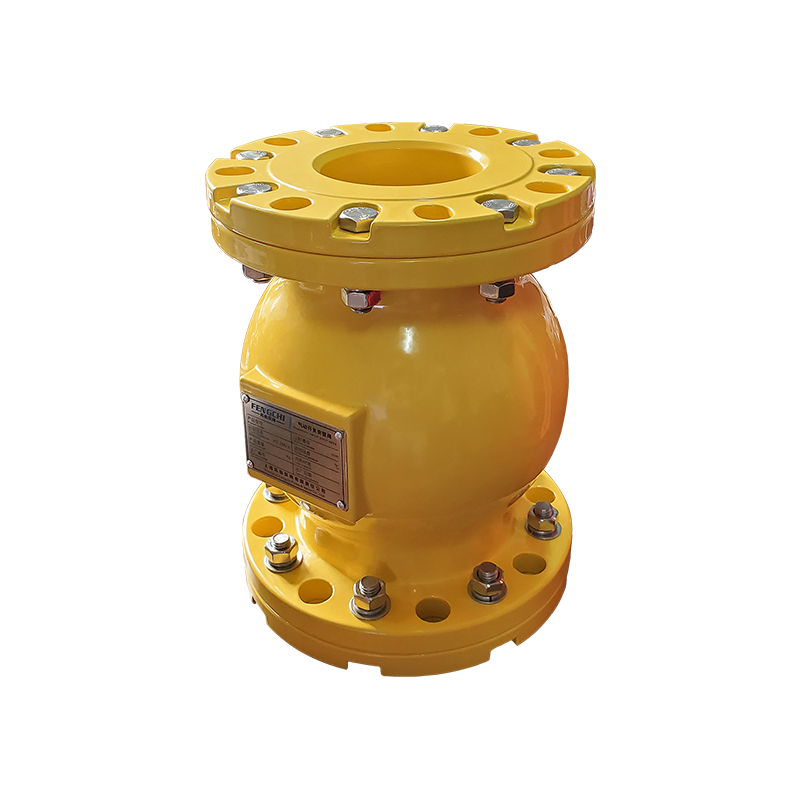
Air Operated pinch valves offer a unique and cost-effective solution for fluid control problems. The secret lies in the rubber valve sleeve - the onl...
See Details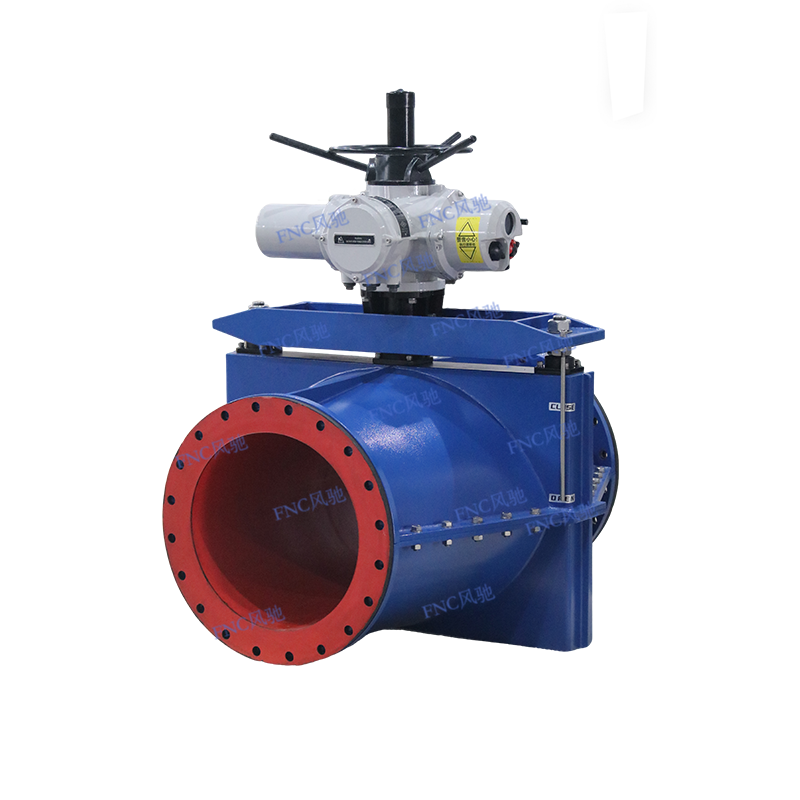
Compared to ordinary pinch valves, large-diameter pinch valves have much higher production requirements. As the “core component” of the pinch valve, t...
See Details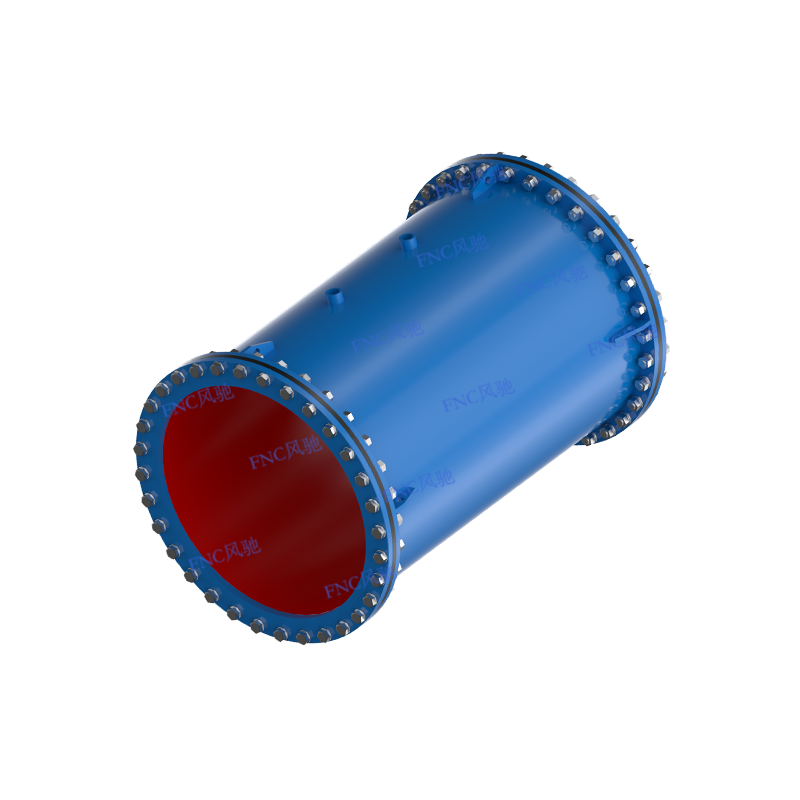
Air Operated pinch valves offer a unique and cost-effective solution for fluid control problems. The secret lies in the rubber valve sleeve - the onl...
See Details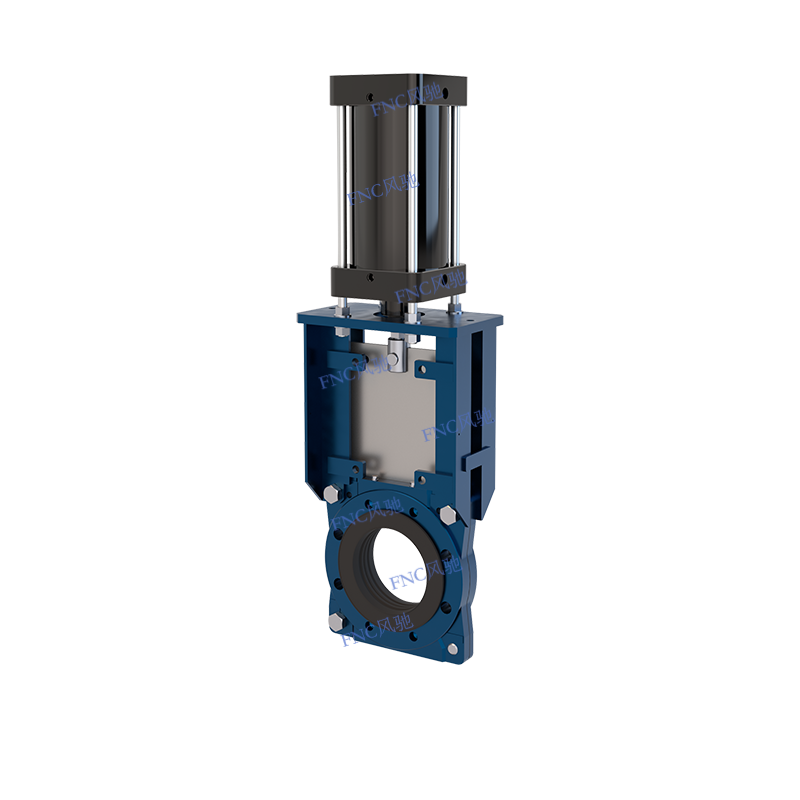
The FNC Slurry Knife Gate Valve is compatible with a variety of actuators. Its main body is constructed from materials such as cast iron, cast steel, ...
See Details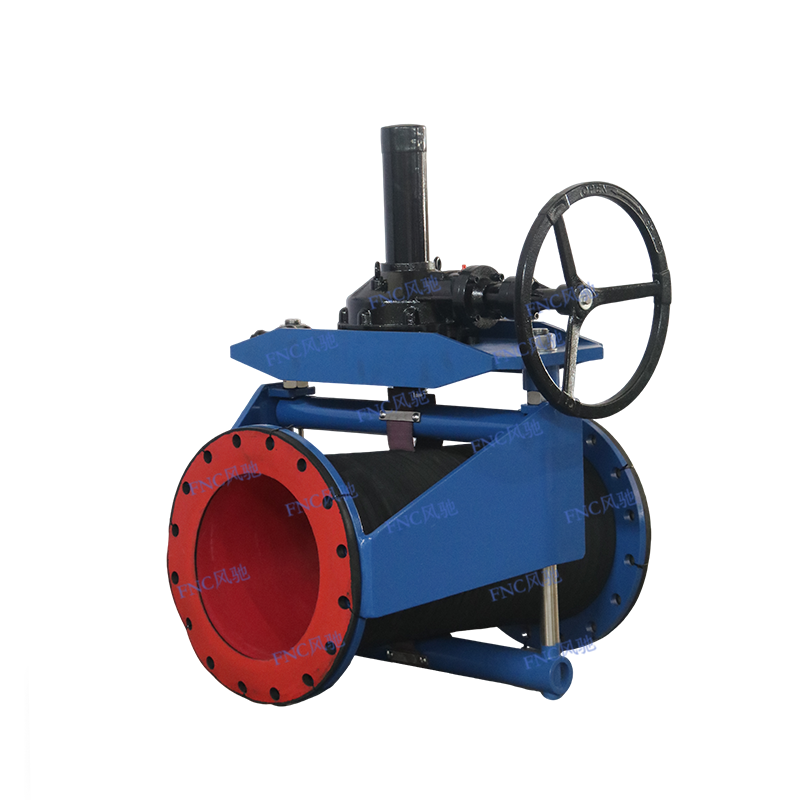
The operating principle of the FNC® enclosed pinch valve is straightforward. When in the open position, the valve provides a full-bore passage, allowi...
See Details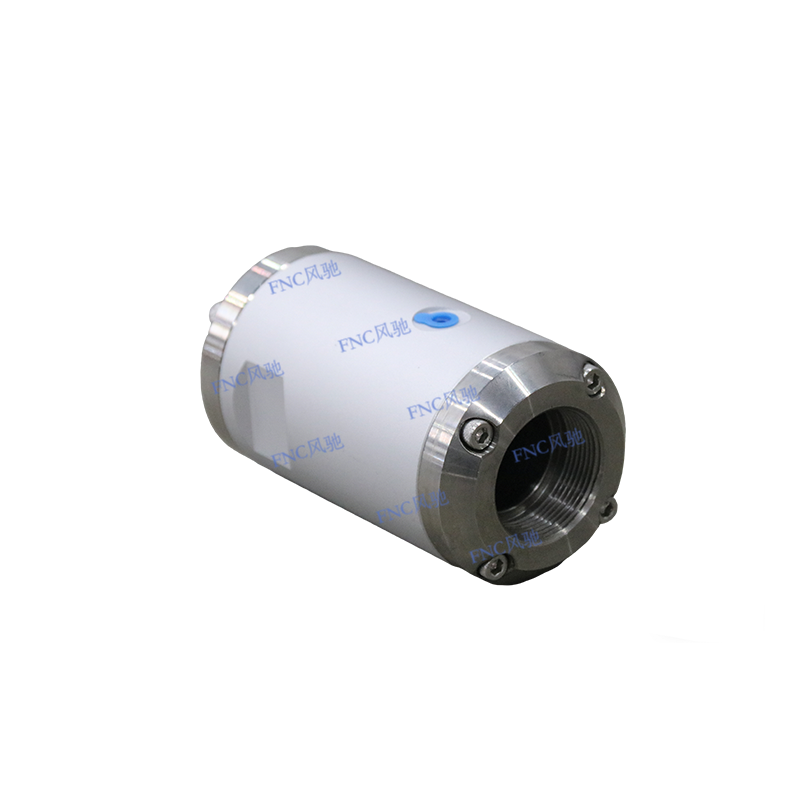
Air Operated pinch valves offer a unique and cost-effective solution for fluid control problems. The secret lies in the rubber valve sleeve - the onl...
See Details
Phone: +86-136 7173 4086

Tel: +86-563 5033 866

Email: red@pinchvalves.com.cn

Address:
