

 EN
EN

 English
 русский
 Español
Closed Body Pinch Valve
The operating principle of the FNC® enclosed pinch valve is straightforward. Whe...
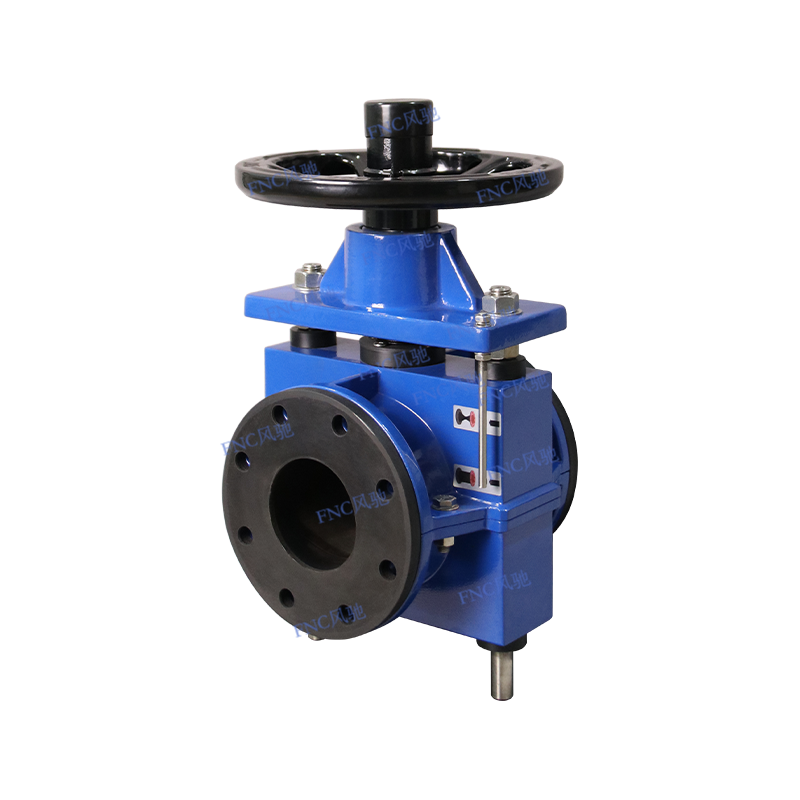
The operating principle of the FNC® enclosed pinch valve is straightforward. Whe...
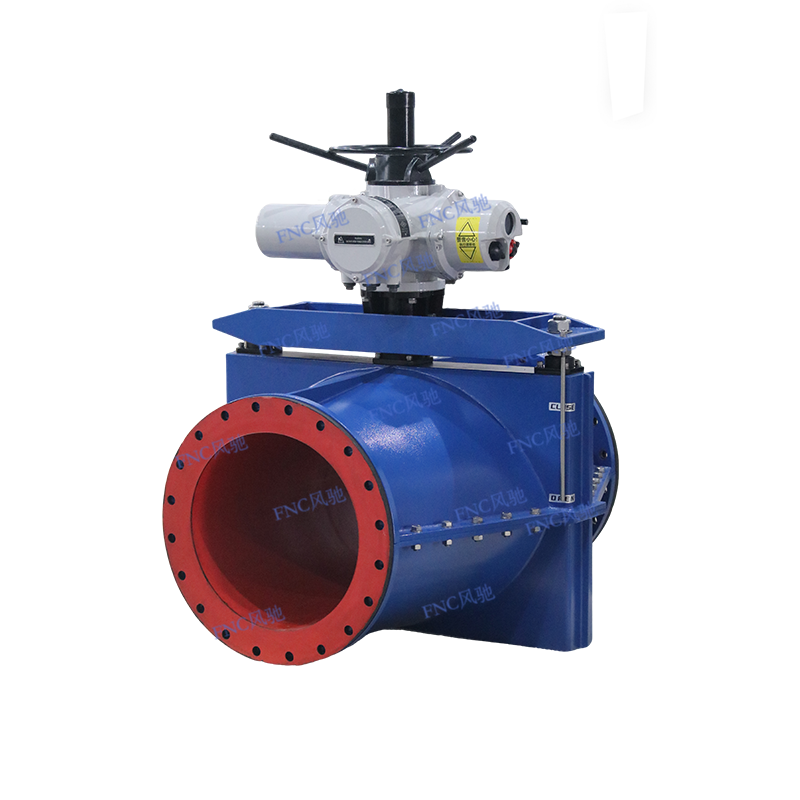
Compared to ordinary pinch valves, large-diameter pinch valves have much higher ...
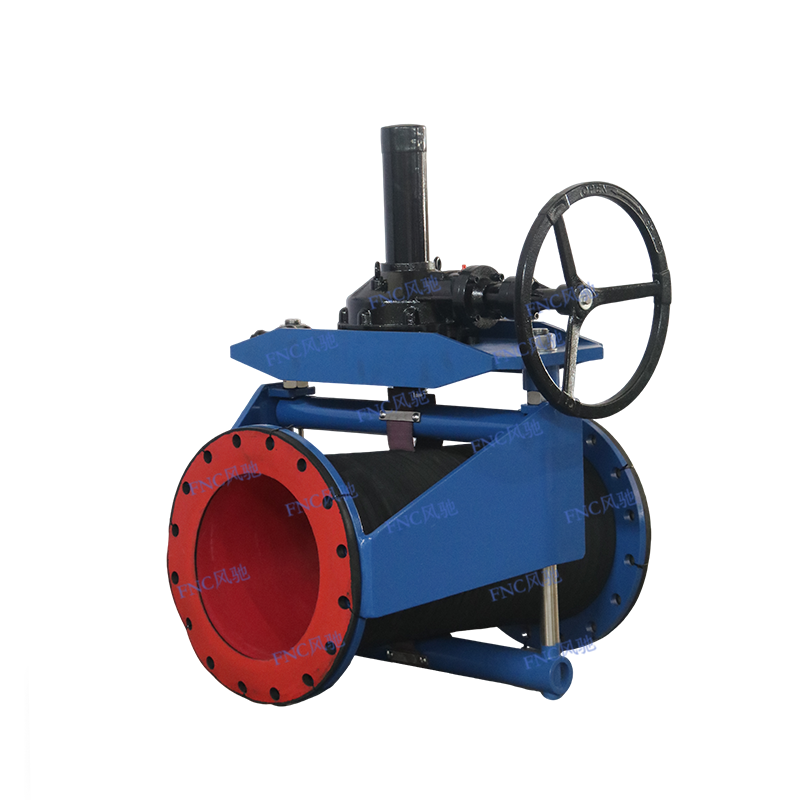
The operating principle of the FNC® enclosed pinch valve is straightforward. Whe...
Anhui Fengchi Pump Valve Manufacturing Co., Ltd. specializes in the production of pinch valves, air operated pinch valves, and slurry Knife gate valves and other products, focusing on fluid control solutions under harsh working conditions, with design and manufacturing capability of standardized and high-pressure pipe clamp valve series products, is a national high-tech The enterprise owns numerous invention and utility model patents. As Corrosion Resistant Pinch Valve Suppliers and Zero Leakage Pinch Valves Factory in China, its products are widely used both domestically and internationally in large mines, and it has the characteristics of wear resistance, corrosion resistance, maintenance-free, and high cost-effectiveness. It is a substitute, the best choice for replacing conventional valves.
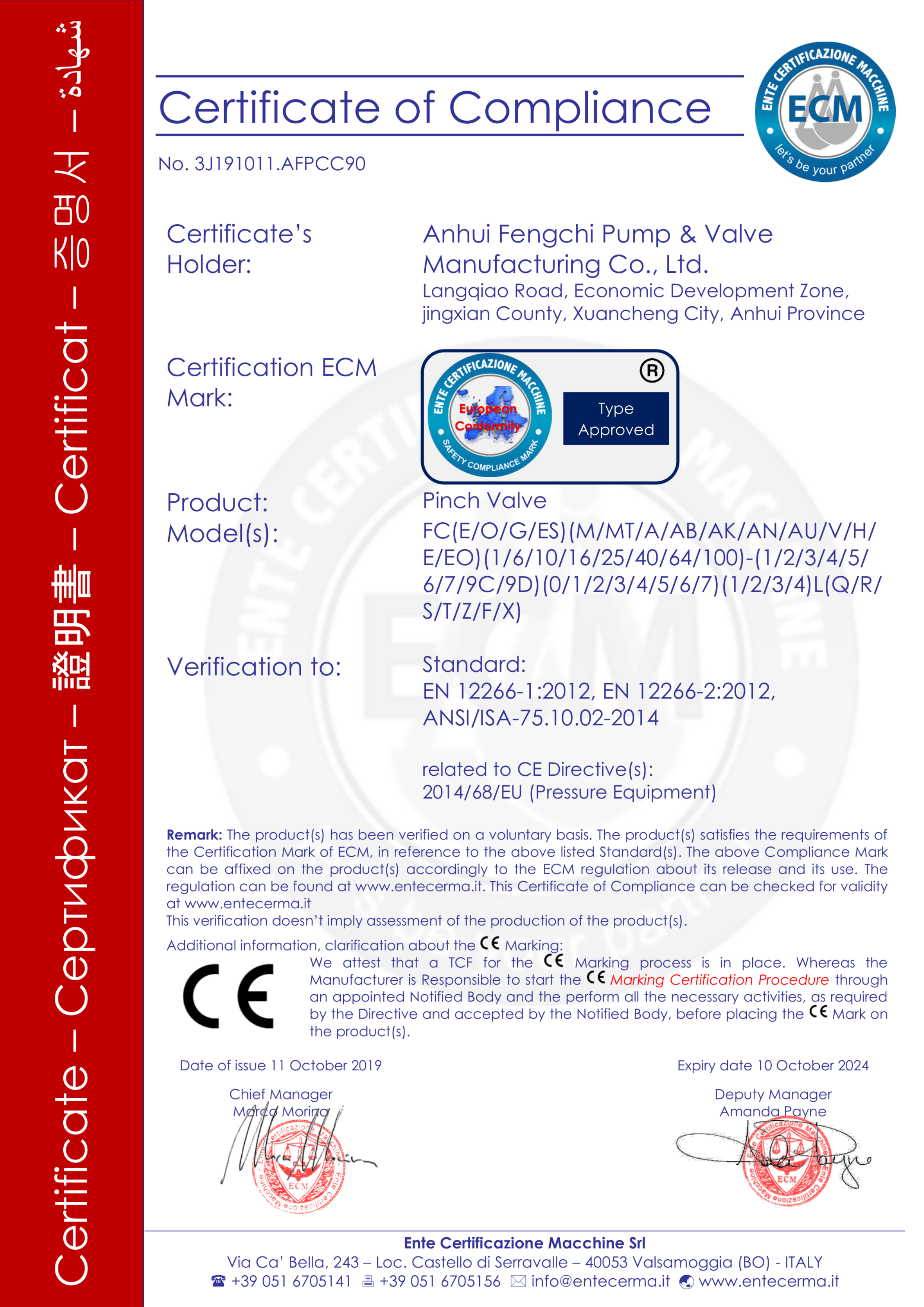
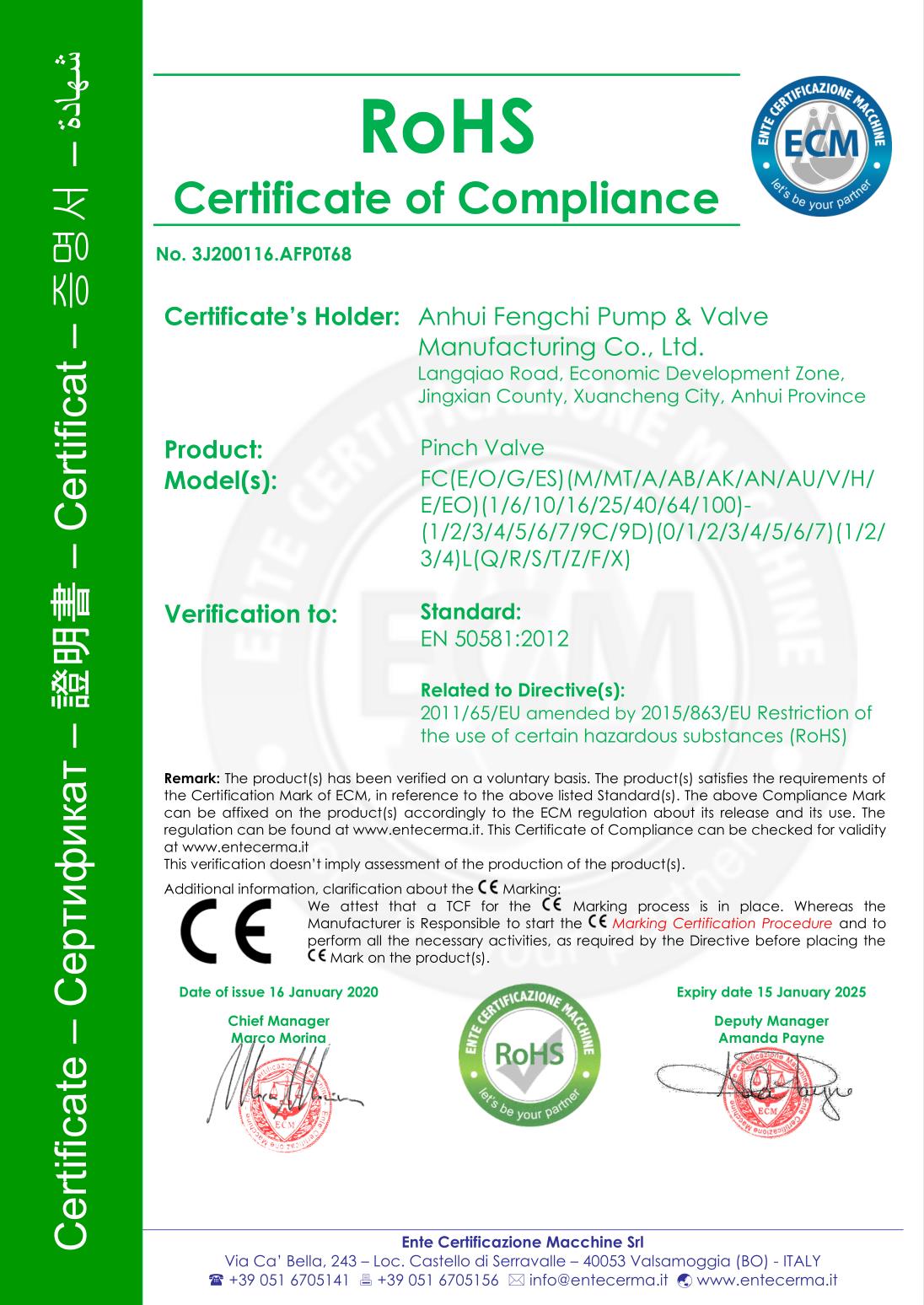
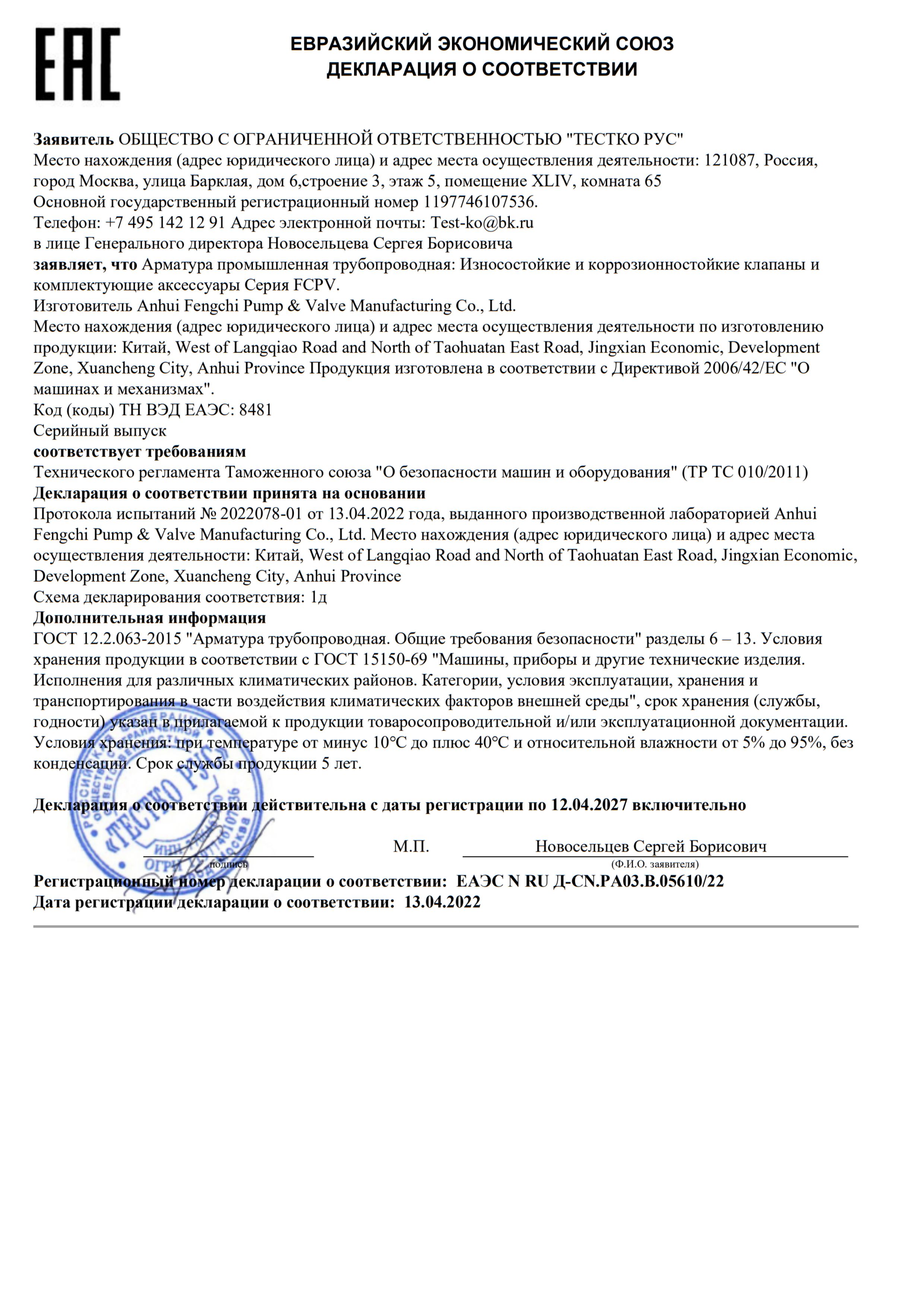
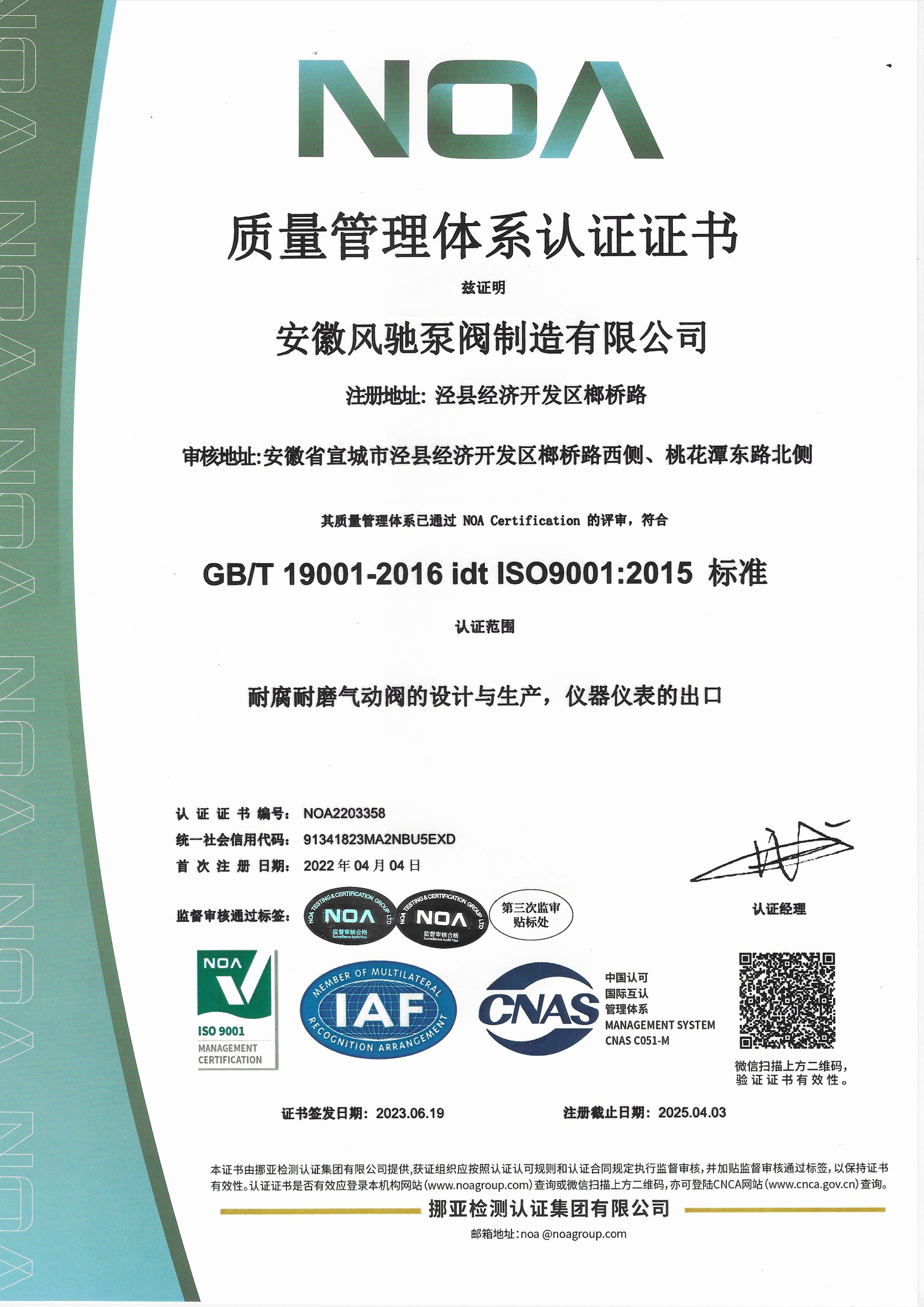
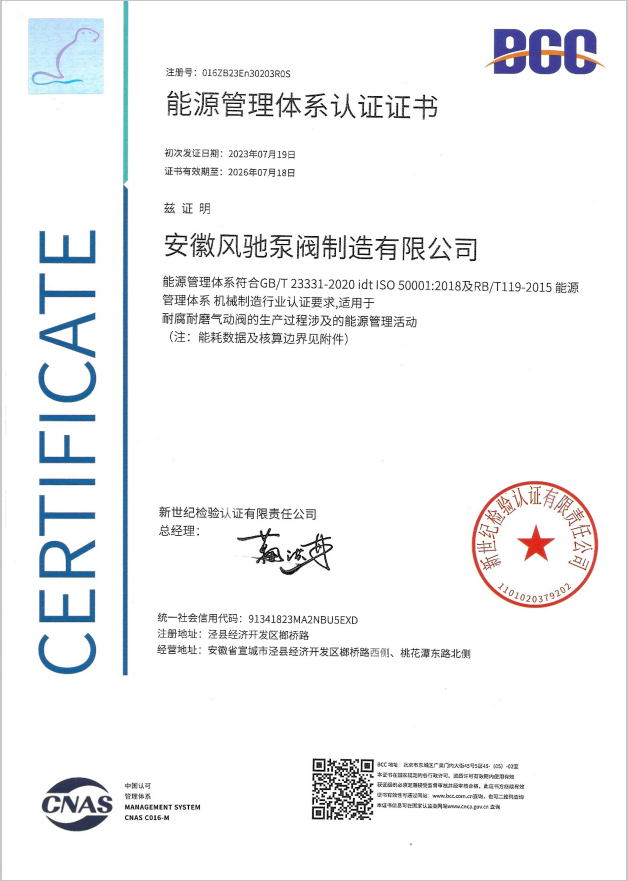
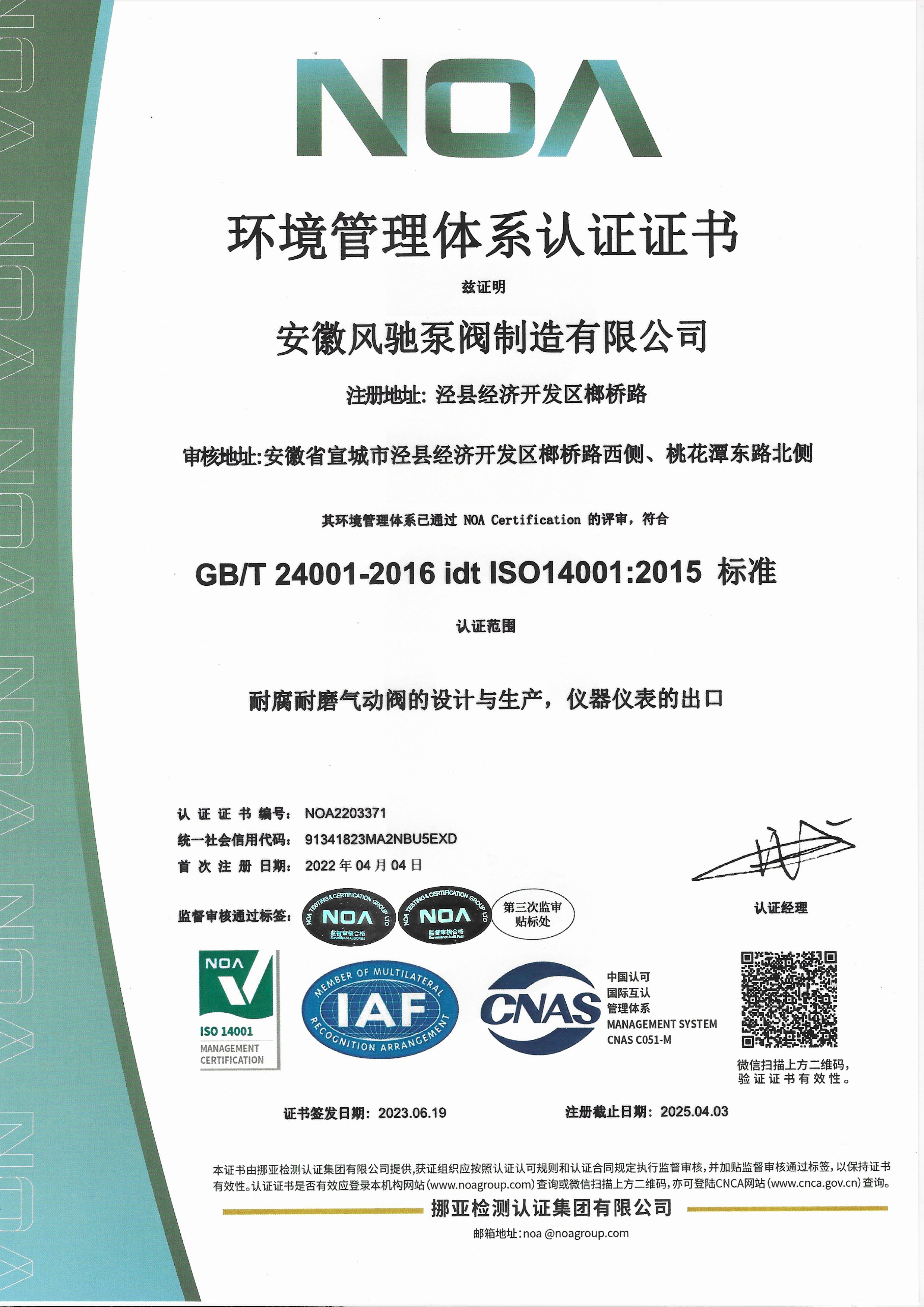
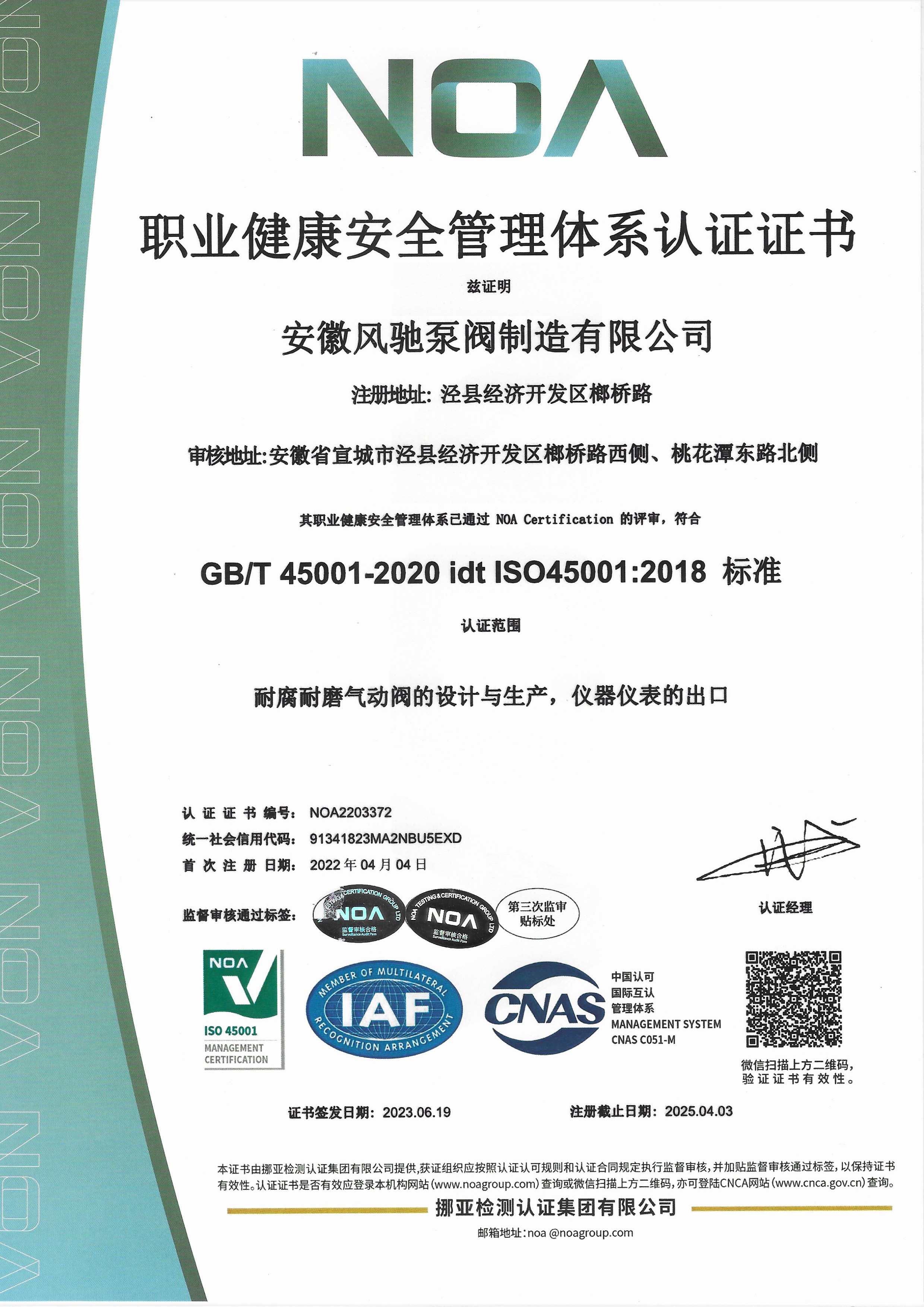
Anhui Fengchi Pump and Valve Manufacturing Co., Ltd. has successively passed the ISO9001-2015 quality management system Certification, ISO14000 Environmental Management System Certification, ISO45001 Occupational Health and Safety Management system certification, EU CE certification, Rohs certification.
The company has large-scale vulcanization equipment, rubber refining equipment, and numerous rubber raw material testing facilities. Capable of designing, manufacturing, and processing large-scale products. Supply Custom Wear Resistant Pinch Valves.
We adhere to the principle of extending customer satisfaction through high-quality products and a professional service team Equipment maintenance cycle, reducing the losses caused by frequent downtime and maintenance, thereby providing customers with more benefits. We look forward to your choice of the Fengchi pump valve, and let us customize a personalized fluid control solution for you based on your working conditions!
How Air Operated Pinch Valves Work Air operated pinch valves control flow by applying compressed air pressure to the outside of a flexible rubber sleeve, causing the sleeve to col...
In process industries where conventional valves fail prematurely due to abrasion, chemical attack, or media buildup on internal components, air operated pinch valves offer a struct...
What Are Air Operated Pinch Valves and How Do They Work Air operated pinch valves are a category of industrial flow control device that regulates the passage of media through a pip...
The Shift Toward Intelligent Flow Control in Modern Manufacturing Industrial plants are undergoing a fundamental transformation. The rise of the Industrial Internet of Things (IIoT...
In corrosive fluid control scenarios, the real performance difference of a corrosion resistant pinch valve lies not in the metal housing, but in the long-term chemical stability of the elastomer sleeve. In industries such as mining slurry transport, chemical processing, and acidic wastewater treatment, corrosion often originates from continuous contact between media and valve internals rather than short-term exposure.
High-performance pinch valves use specially formulated rubber compounds that resist swelling, embrittlement, and surface cracking when exposed to acids, alkalis, and salt solutions. The compounding process, vulcanization uniformity, and raw material testing all directly affect service life. Manufacturers with in-house rubber refining and large-scale vulcanization capabilities can better control these variables, reducing premature sleeve failure.
For operators facing frequent valve replacement due to corrosion, pinch valves with corrosion resistant sleeves often provide a more stable lifecycle cost than conventional metal-seated valves, especially under continuous-duty conditions.
Wear resistance in pinch valves is primarily a function of sleeve elasticity combined with abrasion-tolerant rubber compounds. Unlike rigid valves, pinch valves absorb particle impact through deformation, which significantly reduces localized erosion caused by sharp solids or high-velocity slurry flow.
In mining and mineral processing, particle size distribution, solids concentration, and flow velocity determine wear patterns. A properly selected wear resistant pinch valve can maintain stable sealing performance even as abrasive particles repeatedly pass through the valve bore.
| Valve Type | Wear Mechanism | Maintenance Frequency |
| Pinch Valve | Elastic deformation absorbs abrasion | Low |
| Knife Gate Valve | Sliding metal-to-solid contact | Medium |
| Ball Valve | Particle embedding and seat erosion | High |
Manufacturers experienced in slurry knife gate valves and pinch valves often combine field data from large mining projects to continuously optimize sleeve thickness and rubber hardness, improving wear life without sacrificing flow control precision.
Zero leakage performance in pinch valves is achieved through complete sleeve closure rather than seat-to-disc contact. This sealing principle allows the valve to shut off flow even when solids, fibers, or viscous media are present, which is a common failure point for traditional valves.
Air operated pinch valves, in particular, offer stable and repeatable closing force. By controlling air pressure, the sleeve can fully collapse along the entire bore, ensuring no bypass leakage paths remain. This is especially critical in applications involving hazardous or high-value fluids.
With ISO-certified quality management systems and extensive rubber testing facilities, manufacturers like Anhui Fengchi Pump Valve Manufacturing Co., Ltd. are able to deliver pinch valve solutions that maintain zero leakage performance while reducing downtime, maintenance cycles, and overall operational losses in demanding industrial environments.

Phone: +86-136 7173 4086

Tel: +86-563 5033 866

Email: sales@pinchvalves.com.cn

Address:
Copyright© 2025 Anhui Fengchi Pump Valve Manufacturing Co., Ltd.
Custom Wear and Corrosion Resistant Pinch Valve Factory