

 EN
EN

 English
 русский
 Español
Closed Body Pinch Valve
Cat:Pinch Valves
The operating principle of the FNC® enclosed pinch valve is straightforward. When in the open position, the valve provides a full-bore passage, allowi...
See DetailsA slurry pipeline that runs 24 hours a day is essentially a sandblasting machine pointed at every valve in the system. Particles suspended in fast-moving fluid strike valve seats, discs, and body walls thousands of times per minute. Within weeks, conventional ball valves seize, butterfly valve discs develop erosion grooves, and gate valves lose their seating surface entirely. The wear resistant pinch valve was built specifically for this condition—and the mechanism behind its durability is simpler and more reliable than any exotic metallurgy.
Content
Wear in a conventional valve concentrates at two points: the seating surfaces that must seal against each other, and the interior body walls where flow turbulence is highest. In a ball or plug valve, abrasive particles embed in the soft seat material, then act as secondary abrasives that score the ball surface on every open/close cycle. A valve that seals perfectly on day one may leak within 500 cycles in a coarse slurry application.
A pinch valve removes both failure points. When the valve is open, the rubber sleeve presents a smooth, full-bore cylindrical surface with no pockets, no edges, and no turbulence zones where particles can concentrate. When the valve closes, the sleeve pinches flat—the particles in the flow are simply squeezed out rather than trapped against a hard metal seat. The elastic recovery of the rubber after each closure is self-cleaning.
This is why engineers across mining, tailings management, and bulk material handling consistently reach for pinch valves in abrasive service. For a more detailed comparison of how this performance stacks up against diaphragm valves in demanding mining applications, see our pinch valve vs diaphragm valve comparison for mining environments.
The sleeve is the entire wear story in a pinch valve. Its durability determines maintenance intervals, replacement cost, and operational uptime. Understanding why rubber outperforms metal in abrasive service requires a brief look at the physics involved.
Metal surfaces resist abrasion by hardness—they try to be harder than the abrasive particle. This works until a particle harder than the metal arrives, at which point the metal loses rapidly. Rubber resists abrasion by elasticity. When a particle strikes a rubber surface, the rubber deforms locally and springs back, dissipating the impact energy rather than absorbing it as a cut or gouge. The particle passes through without removing material. This mechanism—sometimes called the rubber bounce-back effect—is most effective with high-resilience natural rubber (NR), which is why NR remains the standard sleeve compound for abrasive slurry service.
High-performance wear resistant sleeves take this further by engineering the rubber compound itself: higher natural rubber content, finer sulfur crosslink density, and reinforcing carbon black loading tuned to maximize abrasion resistance without sacrificing flexibility. The result is a sleeve that bends, flexes, and self-heals microcracks during service—behaviors that no metal valve component can replicate.
Wear resistance claims are only useful when attached to measurable parameters. When evaluating wear resistant pinch valve sleeves, three metrics carry the most weight:
| Material | Relative Wear Resistance vs. Standard Rubber (NR = 100%) | Typical Application |
|---|---|---|
| Standard Natural Rubber (NR) | 100% (baseline) | General slurry, dilute abrasive service |
| High-Abrasion NR Compound | 150–200% | Mining slurry, tailings, coarse particle flow |
| Polyurethane (PU) | 80–120% | Fine abrasive, low-impact service |
| Carbon Steel | 20–30% | Low-abrasion, non-slurry service only |
| Hardened Chrome Alloy Steel | 40–60% | High-pressure abrasive, rigid valve bodies |
Hardness (Shore A): Most wear resistant pinch valve sleeves run between 40 and 65 Shore A. Softer sleeves (40–50 Shore A) absorb impact better for coarse, high-velocity particles; harder sleeves resist cutting from sharp-edged particles at lower velocities. Specifying the wrong hardness for a given particle profile will reduce sleeve life significantly.
Abrasion index (DIN 53516 / ISO 4649): This standardized test measures volume loss under controlled abrading conditions. A high-abrasion NR compound might show 80–120 mm³ volume loss under test—less than half the loss of a standard elastomer under the same conditions.
Tensile strength and elongation at break: These properties predict how the sleeve will behave under combined mechanical stress and abrasive wear. A sleeve with high tensile strength (18+ MPa) and elongation above 400% will resist both puncture from sharp particles and fatigue cracking at the pinch point.
Wear resistant pinch valves appear wherever process media combines solids with liquid. The specific demands vary by industry, but the valve's fundamental advantage—elastic wear resistance without metal-to-metal contact—applies across all of them:
Valve sizing for abrasive service requires more inputs than standard flow calculations. Four parameters beyond flowrate and pressure directly affect sleeve life and should be confirmed before specifying:
Where particle size and concentration exceed what a pinch valve sleeve can handle economically, slurry knife gate valves as an alternative for high-solids applications may offer a better cost-per-cycle outcome for extremely coarse or high-pressure service. An accurate service profile comparison between the two configurations is the most reliable basis for that decision.
Fengchi wear resistant pinch valves are designed from the sleeve outward for abrasive service. The sleeves are manufactured from high-natural-rubber-content compounds using a hand-built construction method that ensures uniform wear layer thickness throughout the bore—avoiding the thin spots that cause premature failures in molded sleeves.
Available in DN25 to DN600, with pneumatic, electric, and manual actuation options, the range covers the majority of slurry and bulk-solids applications from pilot scale to full production. Body materials in aluminum alloy and ductile iron cover standard pressure classes; heavy-duty fabricated steel bodies are available for high-pressure or large-diameter installations. All valves are factory-tested at rated pressure before shipment.
Sleeve options include standard NR for general abrasive service, high-abrasion NR compound for coarse or high-velocity slurries, EPDM for abrasive streams with chemical carry-over, and NBR for oil-bearing slurries. Each application receives a sleeve recommendation based on a review of the actual service profile. Contact Fengchi's engineering team with your particle specification, slurry density, and operating pressure for a complete sizing and sleeve selection recommendation.
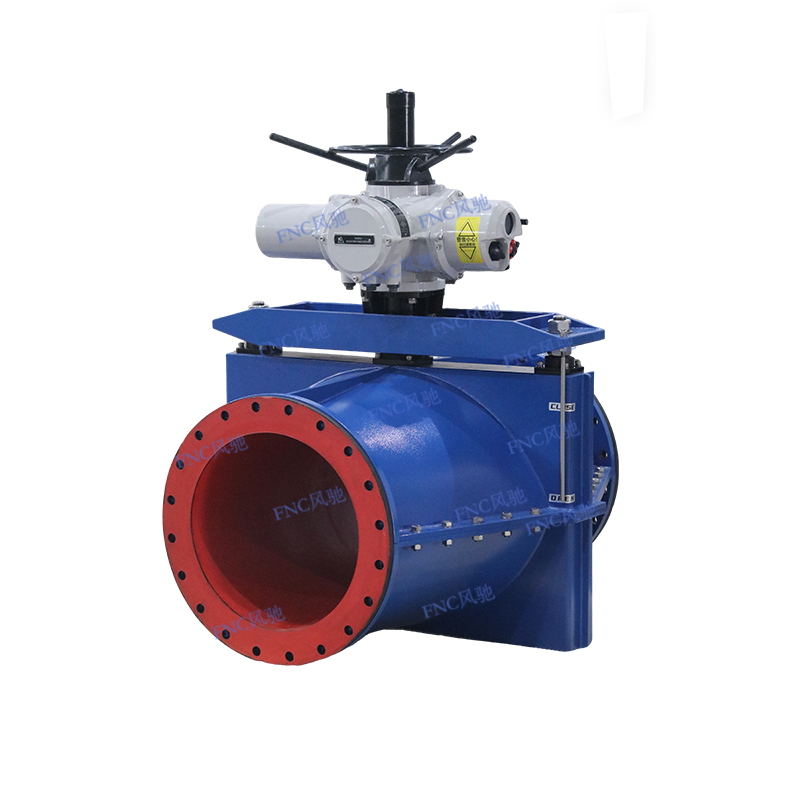
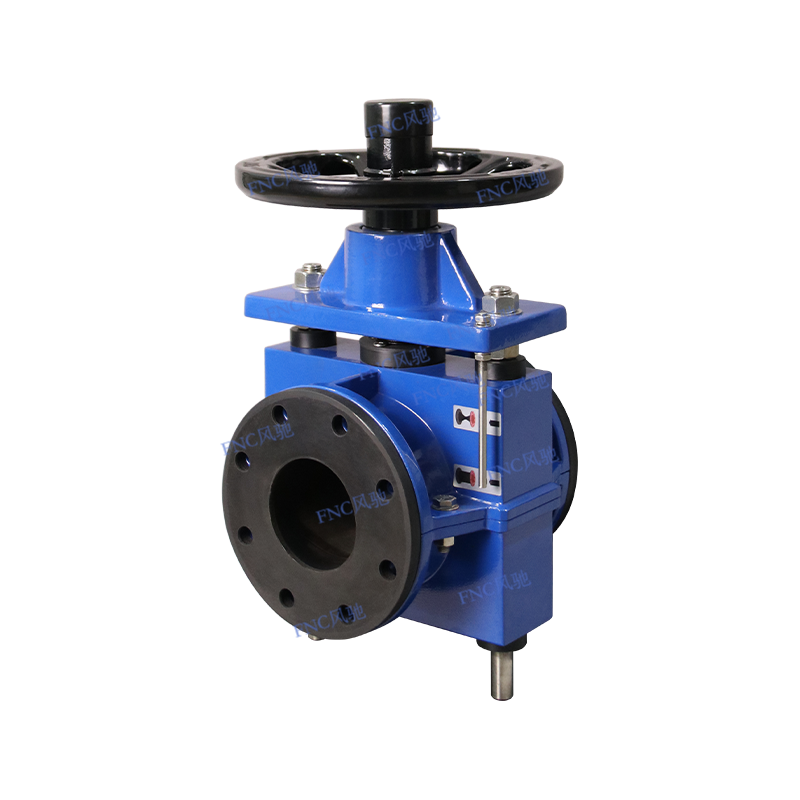
The operating principle of the FNC® enclosed pinch valve is straightforward. When in the open position, the valve provides a full-bore passage, allowi...
See Details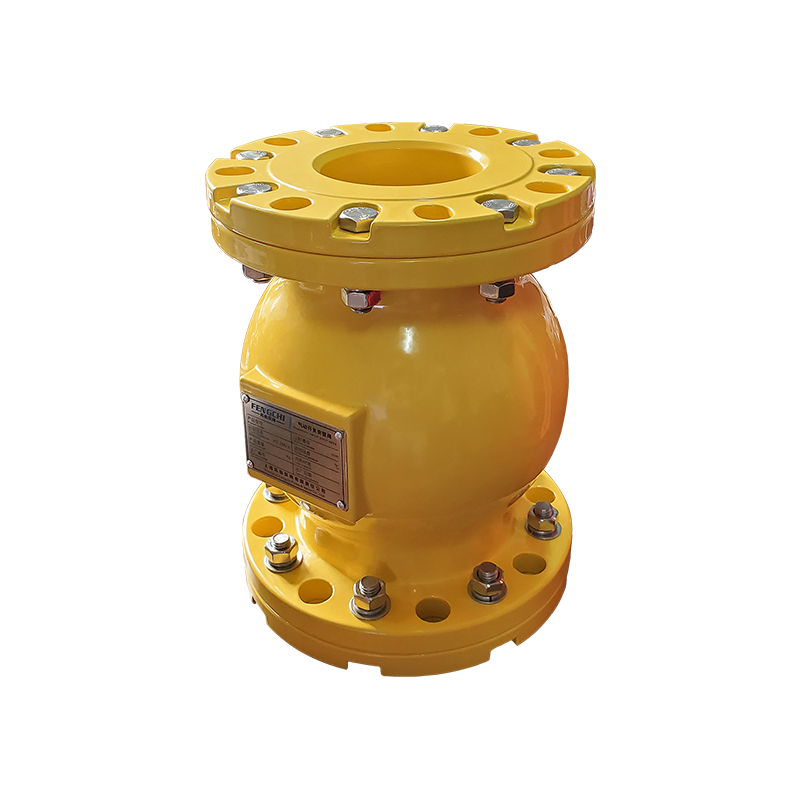
Air Operated pinch valves offer a unique and cost-effective solution for fluid control problems. The secret lies in the rubber valve sleeve - the onl...
See Details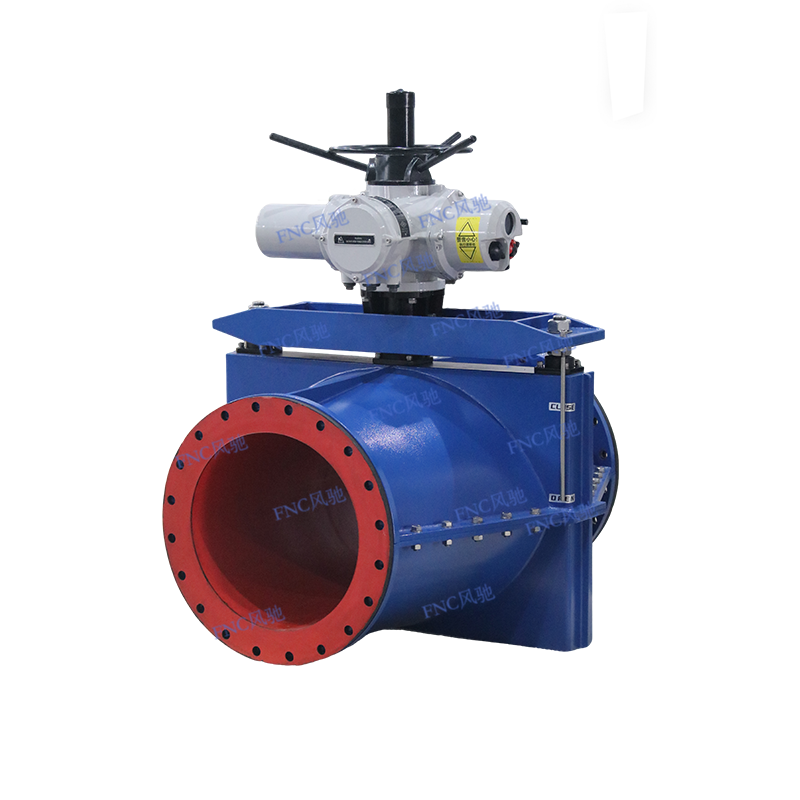
Compared to ordinary pinch valves, large-diameter pinch valves have much higher production requirements. As the “core component” of the pinch valve, t...
See Details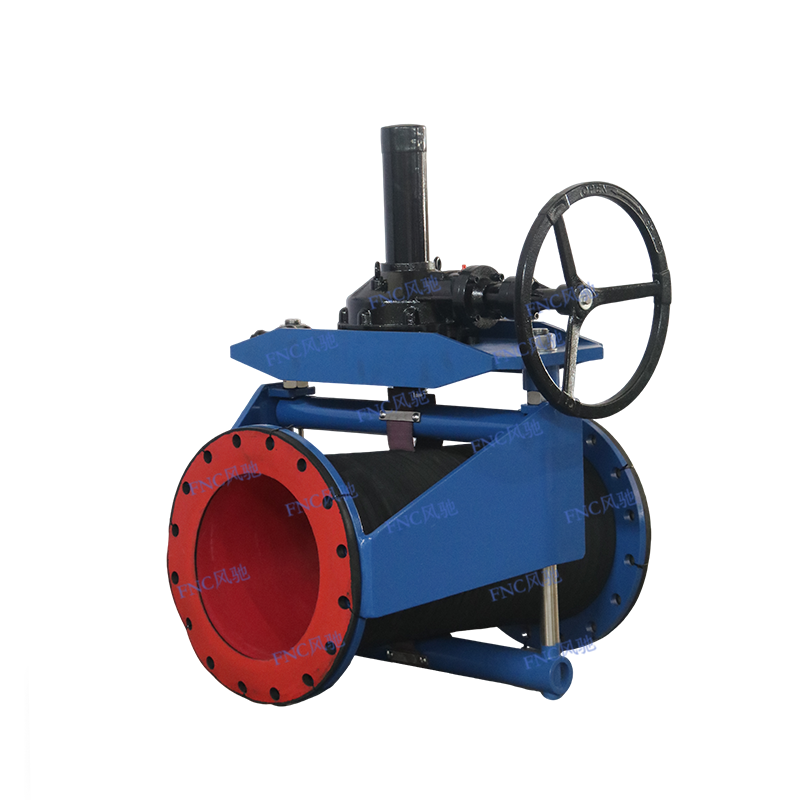
The operating principle of the FNC® enclosed pinch valve is straightforward. When in the open position, the valve provides a full-bore passage, allowi...
See Details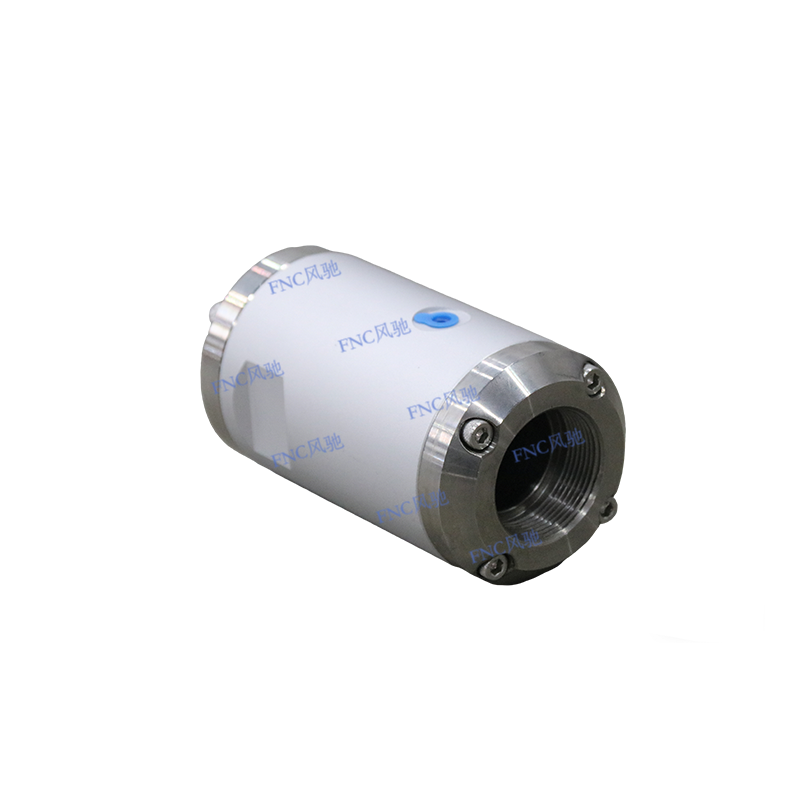
Air Operated pinch valves offer a unique and cost-effective solution for fluid control problems. The secret lies in the rubber valve sleeve - the onl...
See Details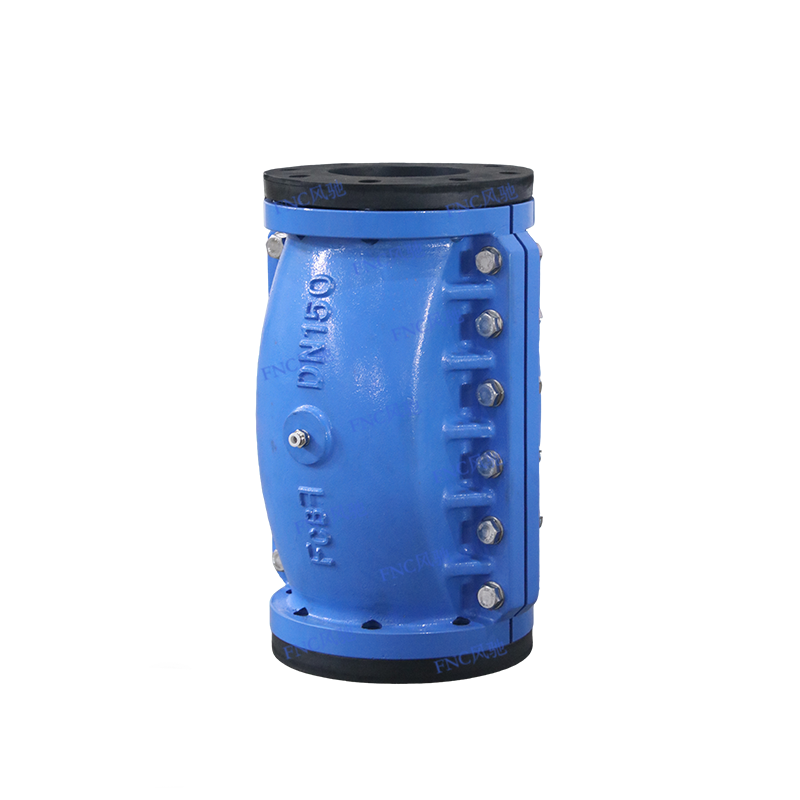
Air Operated pinch valves offer a unique and cost-effective solution for fluid control problems. The secret lies in the rubber valve sleeve - the onl...
See Details
Phone: +86-136 7173 4086

Tel: +86-563 5033 866

Email: red@pinchvalves.com.cn

Address:
