

 EN
EN

 English
 русский
 Español
Closed Body Pinch Valve
Cat:Pinch Valves
The operating principle of the FNC® enclosed pinch valve is straightforward. When in the open position, the valve provides a full-bore passage, allowi...
See DetailsMost valve failures in chemical processing don't start with the actuator or the body—they start at the point where aggressive media meets metal. Acids eat through cast iron. Chlorides pit stainless steel. Solvents swell polymer seats. The corrosion resistant pinch valve sidesteps this entire failure chain by keeping the media away from every structural component: the only part that touches the fluid is a replaceable rubber sleeve.
That single design principle makes corrosion resistant pinch valves the go-to choice wherever conventional valves struggle—chemical dosing lines, acid slurry discharge, wastewater streams laden with aggressive reagents, and dozens of other applications where the cost of a corroded valve body is measured in unplanned downtime and hazardous leaks.
Content
Open a conventional gate valve or butterfly valve after six months in a hydrochloric acid line and the evidence is unmistakable: pitting on the disc face, stress cracking at the seat, mineral deposits bridging the seal. The corrosion is structural—it compromises the valve body itself.
A pinch valve operates differently. When the actuator closes, it squeezes an internal rubber sleeve flat, cutting off flow. When it opens, the sleeve springs back to full bore. At no point does the process media contact the aluminum, ductile iron, or fabricated steel body. The body is a mechanical housing; the sleeve is the flow path.
This means corrosion resistance is a property of the sleeve material alone—not of the entire valve assembly. Engineers can choose a sleeve compound precisely matched to the target chemical without worrying about body metallurgy, seat material compatibility, or stem packing degradation. The result is a closed-body pinch valve design for fully enclosed media protection that delivers consistent corrosion isolation across the valve's entire service life.
Selecting the right sleeve compound is the most critical engineering decision in a corrosion resistant pinch valve specification. Each elastomer family covers a distinct chemical window, and overlapping that window with the actual process media determines whether the valve lasts six months or six years.
| Sleeve Material | Suitable Media | Temperature Range | Avoid |
|---|---|---|---|
| Natural Rubber (NR) | Dilute acids, alkalis, abrasive slurries | -40 °C to +70 °C | Oils, hydrocarbons, strong oxidizing acids |
| EPDM | Steam, hot water, ozone, dilute acids & alkalis | -50 °C to +120 °C | Petroleum products, aromatic solvents |
| NBR (Nitrile) | Oils, fuels, petroleum-based fluids | -30 °C to +100 °C | Ketones, esters, strong acids |
| Neoprene (CR) | Seawater, mild acids, refrigerants | -40 °C to +100 °C | Strong oxidizing agents, aromatic hydrocarbons |
| Hypalon (CSM) | Concentrated acids, oxidizing chemicals, UV exposure | -30 °C to +120 °C | Esters, ketones, chlorinated solvents |
| FKM (Viton) | Aggressive chemicals, high-concentration acids, solvents | -20 °C to +200 °C | Amines, steam at high pressure |
Natural rubber remains the workhorse for abrasive-corrosive slurries—its high elasticity absorbs particle impact while resisting dilute acid attack. EPDM dominates steam and hot-water chemical lines. Where petroleum contact is unavoidable alongside mild acid carry-over, blended NBR/CR compounds bridge the gap. For the most demanding high-concentration acid service, FKM sleeves provide exceptional chemical inertness, though at a higher sleeve cost that is still far below the cost of an exotic-alloy valve body.
Across industries where aggressive media is the norm rather than the exception, corrosion resistant pinch valves appear at some of the most critical points in the process:
Four parameters define sleeve selection in any corrosion resistant pinch valve application. Work through them in sequence and the correct elastomer becomes clear:
When the media profile is complex or novel, request a sleeve immersion test at your operating conditions before committing to a full installation. Most manufacturers can provide test coupons for laboratory evaluation against the ASTM fluid-resistance protocols for rubber.
Corrosion eventually affects every wetted component in any valve design—the difference with a pinch valve is that the only corroded component is also the cheapest and fastest to replace. When a rubber sleeve reaches the end of its service life, the replacement procedure typically takes 15 to 30 minutes without special tools and without removing the valve body from the pipeline.
This design characteristic has a direct financial implication. In a conventional ball valve or gate valve installation, chemical corrosion damages the body, seats, stem, and packing simultaneously. Repair often means full valve replacement. In a pinch valve installation, the body is reused indefinitely; only the sleeve turns over. For a DN200 valve in an acid service, a sleeve replacement costs a fraction of a full valve replacement—and the unplanned downtime avoided is worth more still.
For plants running continuous processes, the sleeve change can often be scheduled around production windows rather than forcing an emergency shutdown. This predictive maintenance model—inspect the sleeve, order a replacement, change it at the next planned stop—is far more manageable than responding to a catastrophic body failure. More detailed comparisons of valve maintenance cycles are covered in our air-operated pinch valves explained technical guide.
Fengchi corrosion resistant pinch valves are engineered for demanding chemical and slurry service across a broad size and pressure range. Available in both open-body and closed-body configurations, with pneumatic, electric, or manual actuation, the range covers the most common industrial corrosion applications from DN25 through DN600.
Key design features include precision-vulcanized sleeves in NR, EPDM, NBR, Neoprene, and Hypalon compounds; full-bore flow paths that minimize pressure drop and prevent solids accumulation; and body materials in aluminum alloy, ductile iron, or fabricated steel depending on pressure class. Each sleeve is factory-tested for dimensional consistency and rated at the published operating pressure before shipment.
For applications where chemical corrosion combines with particle abrasion—the most punishing service condition for any valve—Fengchi's reinforced natural rubber sleeves extend replacement intervals significantly compared to standard compounds. Explore the full pinch valve product range or contact our engineering team with your media specification for a sleeve material recommendation and sizing calculation.
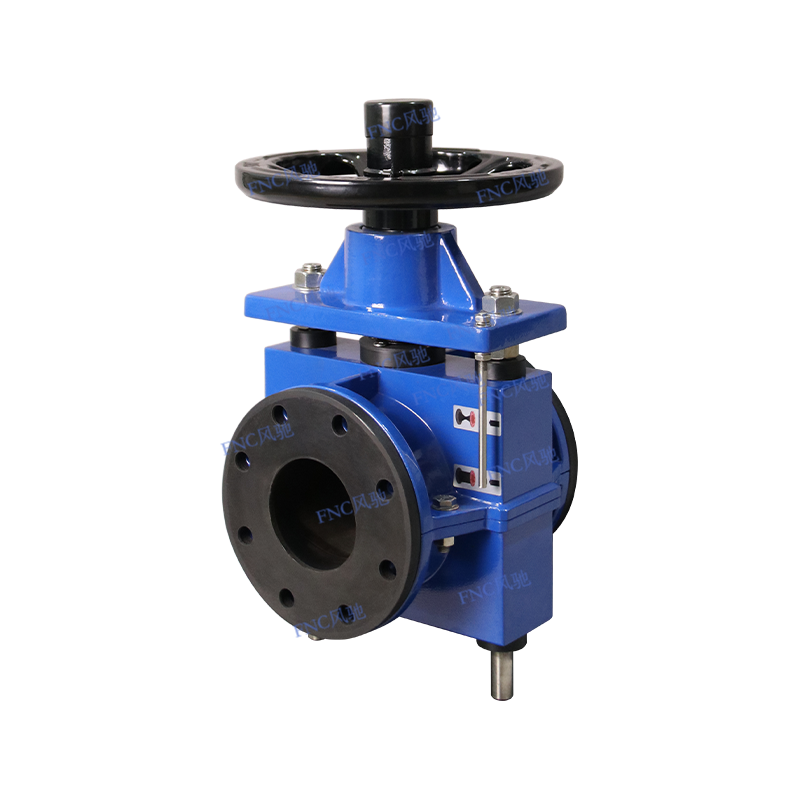
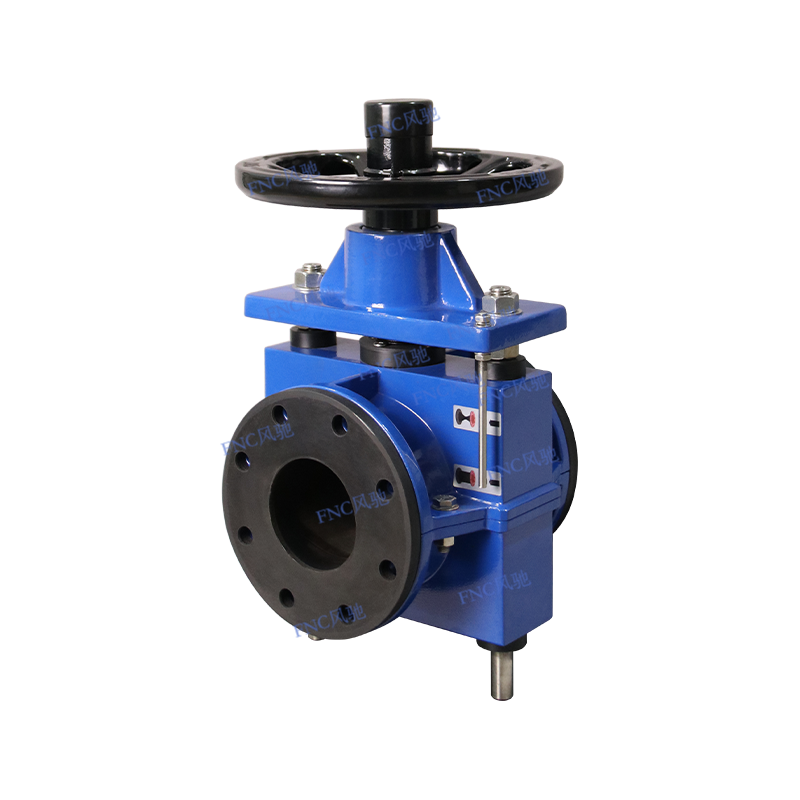
The operating principle of the FNC® enclosed pinch valve is straightforward. When in the open position, the valve provides a full-bore passage, allowi...
See Details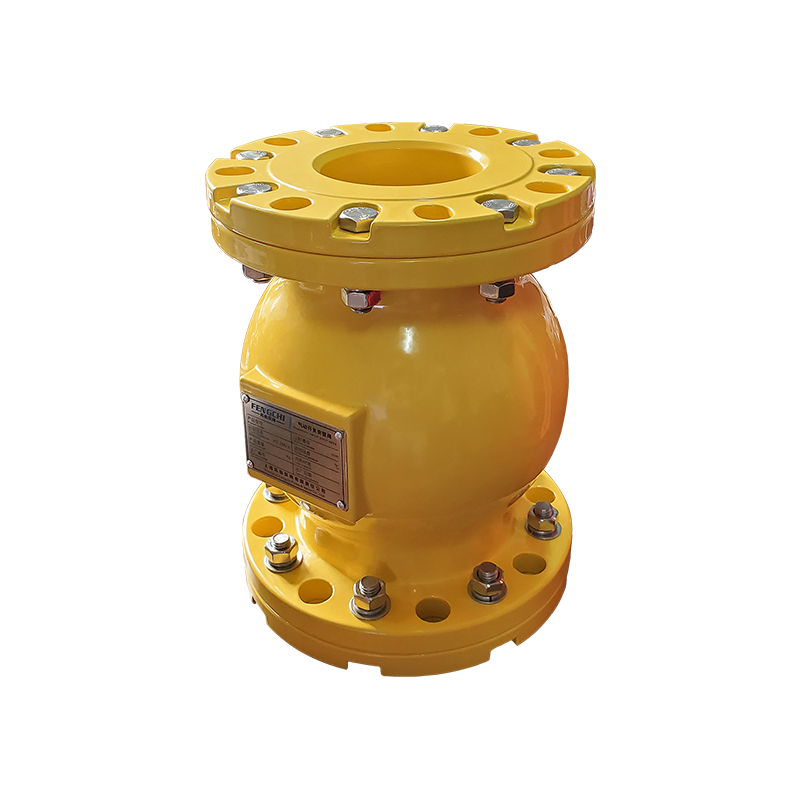
Air Operated pinch valves offer a unique and cost-effective solution for fluid control problems. The secret lies in the rubber valve sleeve - the onl...
See Details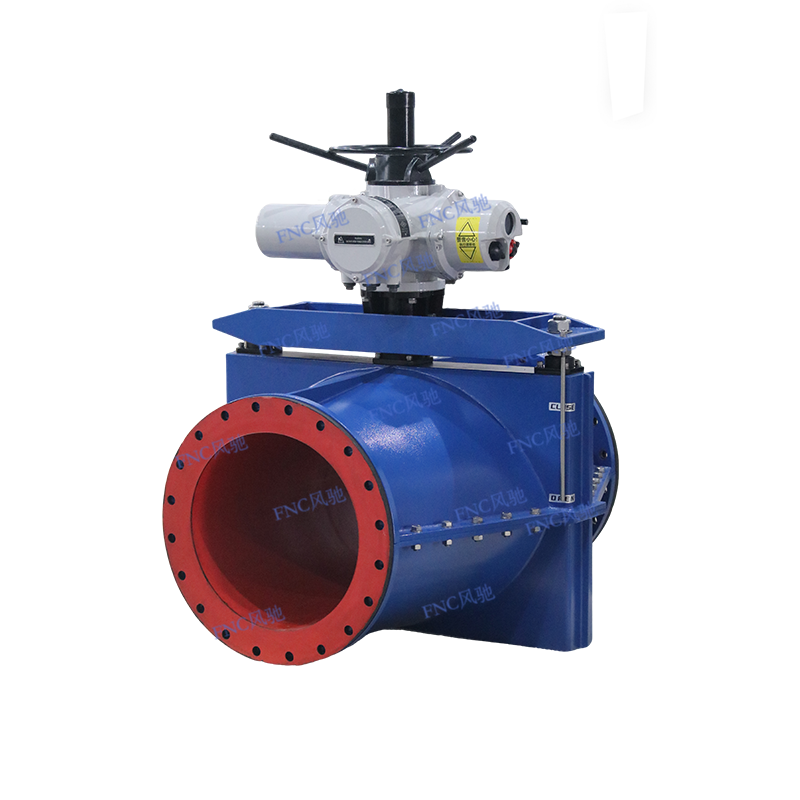
Compared to ordinary pinch valves, large-diameter pinch valves have much higher production requirements. As the “core component” of the pinch valve, t...
See Details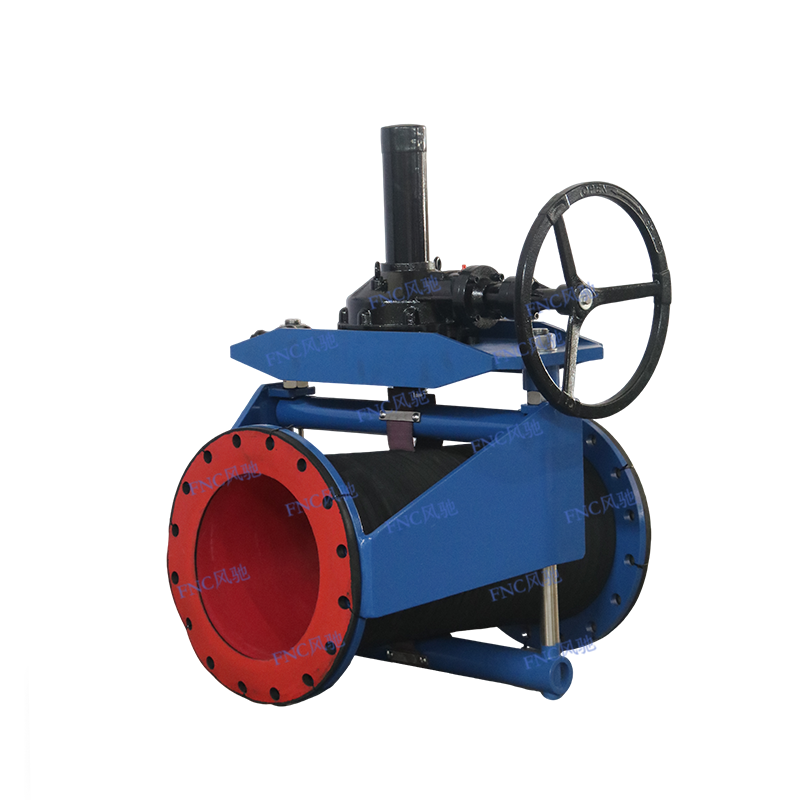
The operating principle of the FNC® enclosed pinch valve is straightforward. When in the open position, the valve provides a full-bore passage, allowi...
See Details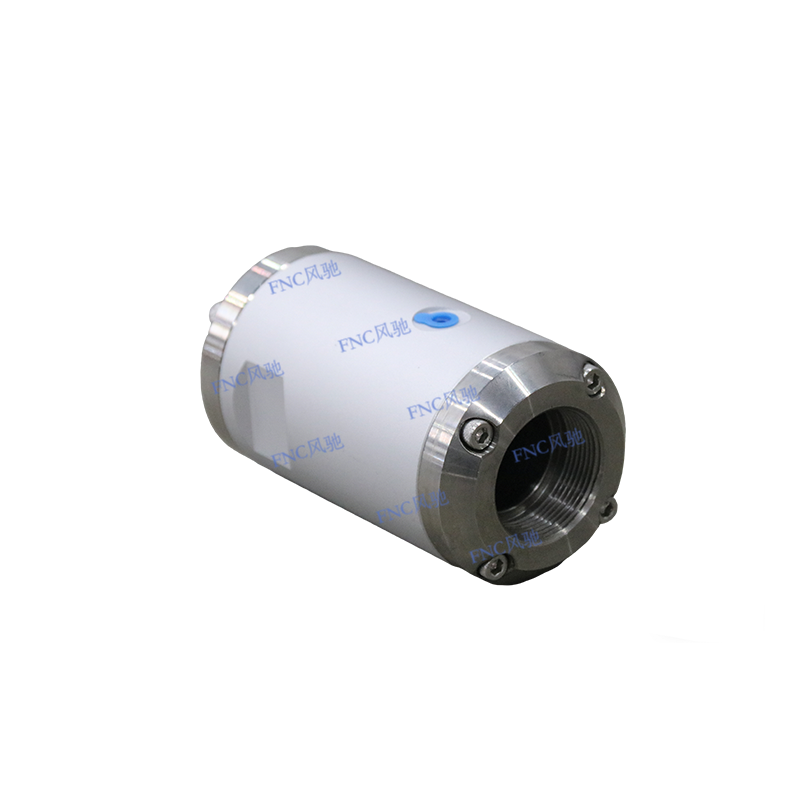
Air Operated pinch valves offer a unique and cost-effective solution for fluid control problems. The secret lies in the rubber valve sleeve - the onl...
See Details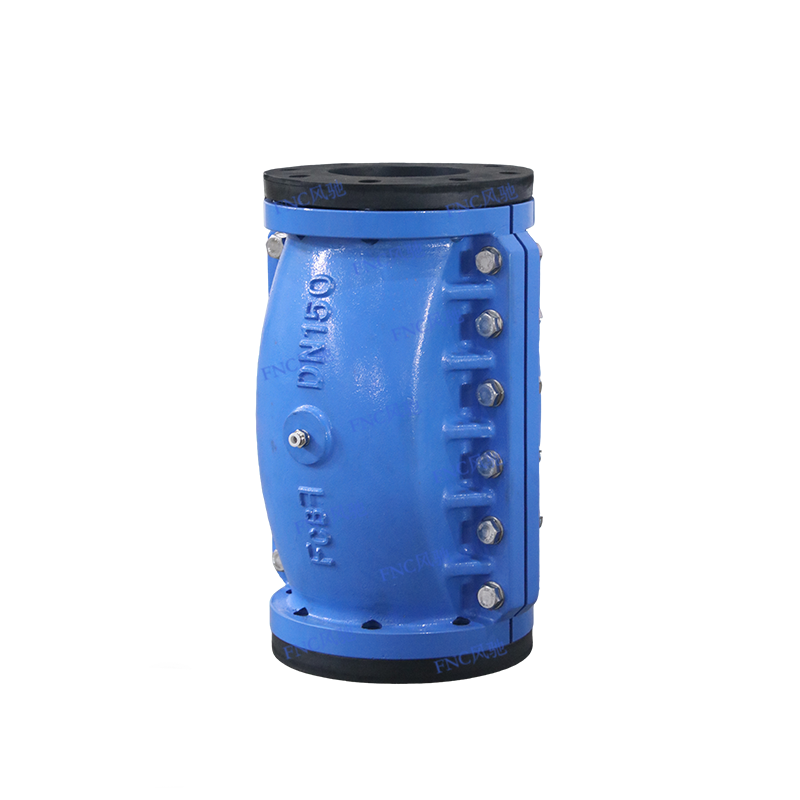
Air Operated pinch valves offer a unique and cost-effective solution for fluid control problems. The secret lies in the rubber valve sleeve - the onl...
See Details
Phone: +86-136 7173 4086

Tel: +86-563 5033 866

Email: red@pinchvalves.com.cn

Address:
