

 EN
EN

 English
 русский
 Español
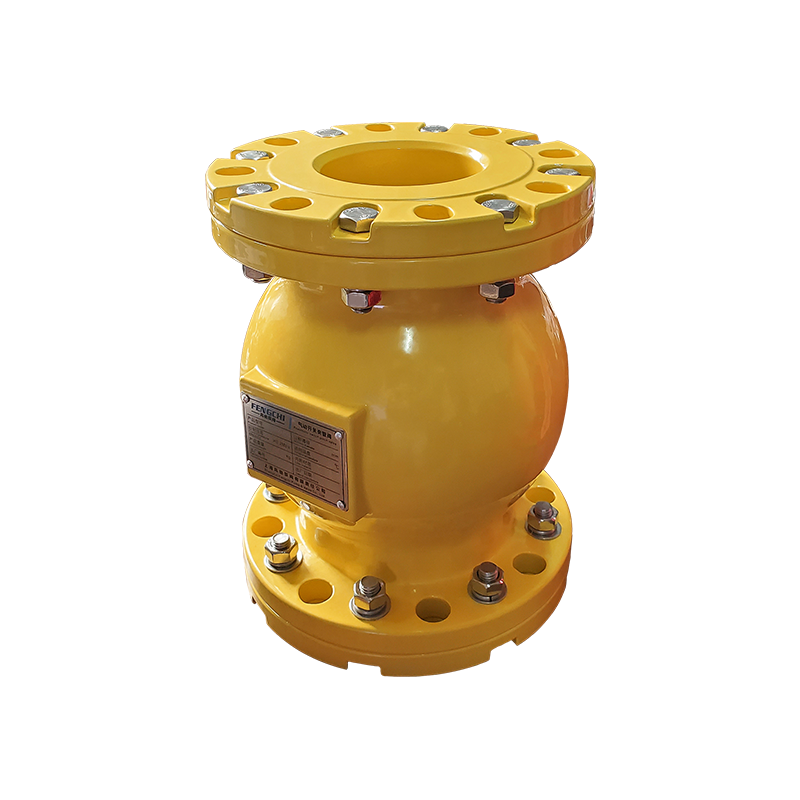
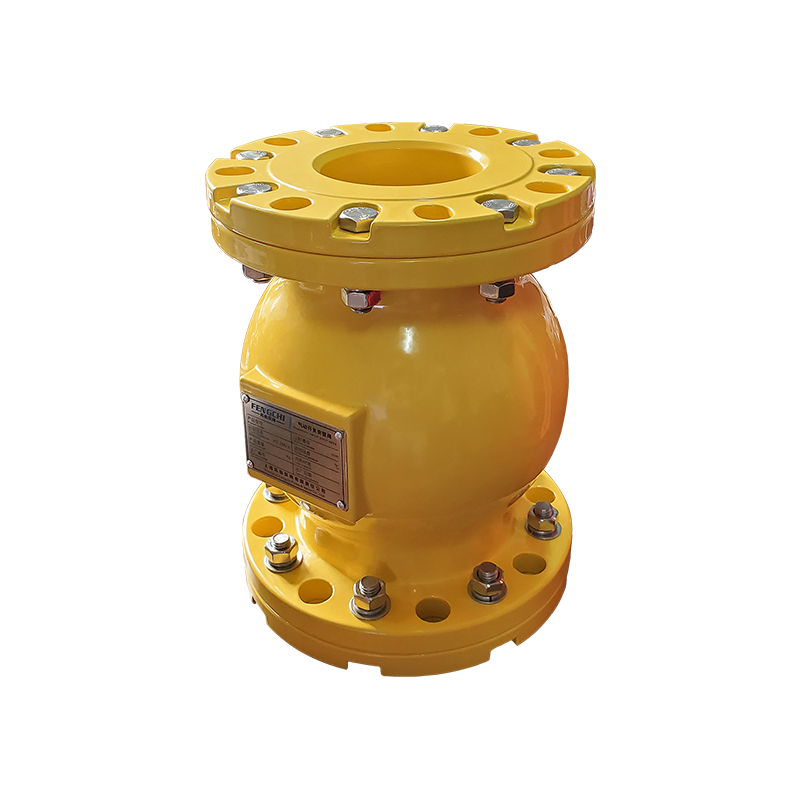
Standard Air Operated Pinch Valves
Cat:Air Operated Pinch Valves
Air Operated pinch valves offer a unique and cost-effective solution for fluid control problems. The secret lies in the rubber valve sleeve - the onl...
See DetailsMost valve failures in abrasive service share the same root cause: metal meets media. Ball valve seats score. Butterfly discs erode. Gate valve stems seize. The standard air operated pinch valve eliminates this failure mode entirely by keeping every metal component outside the process stream — the rubber sleeve handles the fluid, and compressed air handles the rest.
This article covers how standard air operated pinch valves work, what specifications define the "standard" configuration, how to match sleeve material to your media, and where these valves consistently outperform conventional alternatives.
Content
The operating principle is straightforward. Compressed air enters the annular space between the valve body and the rubber sleeve. As air pressure builds, the sleeve collapses inward, pinching the flow passage shut. Release the air pressure — or vent the body cavity — and the sleeve's natural elasticity drives it back to its fully open, full-bore position.
No stem, no disc, no seat. The valve body itself acts as an integrated actuator, eliminating the need for a separate pneumatic, hydraulic, or electric operator. This self-contained design means fewer external connections, fewer potential failure points, and a lower installed cost compared to actuated ball or butterfly configurations.
Closure requires approximately 2 bar of control pressure above line pressure. Because the sleeve closes symmetrically from all sides, it forms a lip-seal around any particles or solids still in the flow path — achieving Class V shutoff without damaging either the sleeve or the entrained material. When fully open, the valve bore is identical to the connecting pipe, producing zero flow restriction and no turbulence-induced wear.
Fengchi's pneumatic pinch valve product lineup is built on this same core architecture, with body geometry engineered to ensure a predictable elliptical fold pattern every time the sleeve closes — extending sleeve service life and guaranteeing consistent, repeatable shutoff.
The "standard" designation distinguishes the general inline body type from mini, large-bore, and split-body variants. Standard air operated pinch valves cover the widest diameter range and accept the broadest range of connection styles, making them the default choice for most industrial applications.
| Parameter | Specification |
|---|---|
| Nominal Diameter | DN15 – DN2000 (½" – 84") |
| Pressure Rating | ≤ PN10 (varies by diameter and connection type) |
| Leakage Class | Class V (zero leakage under standard conditions) |
| Temperature Range | -20°C to +120°C (media and sleeve material dependent) |
| Control Pressure Required | ~2 bar above line pressure for full closure |
| Connection Types | Flange, Threaded, Clamp |
| Body Materials | Cast iron, cast steel, aluminum alloy, stainless steel |
Pressure rating deserves particular attention during selection. Larger bore valves operate at lower maximum line pressures — a DN500 sleeve cannot sustain the same wall stress as a DN50 sleeve at identical pressure. Always confirm the pressure-diameter curve with the manufacturer before specifying. For guidance on industry-standard dimensional and pressure requirements, the Manufacturers Standardization Society's SP-88 practice for resilient-element valves provides a useful reference framework.
The sealed area spans approximately 95% of the sleeve length, with no dead zones, crevices, or cavities where process media can accumulate. This matters in slurry and powder applications where conventional valve internals are prone to packing and jamming.
The sleeve is the only component in contact with the process medium, which means sleeve material selection determines whether the valve lasts three months or three years. Fengchi standard air operated pinch valves are available in seven elastomer grades, each suited to a different chemical and thermal environment.
| Material | Abbreviation | Recommended For | Avoid With |
|---|---|---|---|
| Natural Rubber | NR | Water, abrasive slurries, mining tailings | Oils, hydrocarbons, ozone exposure |
| Ethylene Propylene Diene | EPDM | Hot water, steam, dilute acids, alkalis | Petroleum-based fluids |
| Nitrile Butadiene Rubber | NBR | Oils, fuels, petroleum emulsions | Ketones, strong acids |
| Chloroprene Rubber | CR | Weathering, ozone, refrigerants | Strong oxidizing acids, ketones |
| Fluoroelastomer | FPM | Aggressive chemicals, high temperatures | Ketones, low-molecular-weight esters |
| Butyl Rubber | IIR | Steam, phosphate esters, dilute acids | Petroleum solvents |
| Hypalon | CSM | Strong oxidizing acids, UV exposure | Aromatic hydrocarbons |
For most mining and mineral processing applications — where the dominant concern is abrasion from silica, ore slurries, or tailings — natural rubber remains the benchmark choice. Its high elasticity allows the sleeve to absorb the kinetic energy of solids rather than being cut by them, outperforming harder elastomers in high-cycle abrasive service.
In chemical plants handling mixed media streams, EPDM and FPM sleeves extend service intervals significantly. When in doubt, share your media composition, temperature, and concentration data with the manufacturer — selecting the wrong sleeve for a strongly oxidizing acid will produce rapid failure regardless of how well the rest of the valve is specified.
The standard general inline type is not the only form factor available. Understanding where each configuration fits prevents over-engineering or under-specifying for a given installation.
If your application requires manual isolation rather than pneumatic control, a manual pinch valve for isolation service provides the same full-bore, zero-leakage design with handwheel actuation — useful for maintenance bypasses, low-cycle isolation duty, or locations without instrument air supply.
Standard air operated pinch valves perform best wherever the process fluid is aggressive, abrasive, or prone to clogging conventional valve internals. Four industries account for the majority of installations.
Beyond these four sectors, pinch valves are routinely specified in pulp and paper, ceramics manufacturing, food-grade bulk solids handling, and pharmaceutical powder transfer wherever zero contamination and easy cleanability are required.
Anhui Fengchi Pump Valve Manufacturing Co., Ltd. is a nationally recognized high-tech enterprise with a manufacturing base in Jingxian County, Anhui Province, China. The facility is equipped with large-scale vulcanization equipment and rubber refining technology, giving Fengchi direct control over sleeve compound formulation and curing — the variables that most directly determine sleeve service life in abrasive applications.
The company holds numerous invention and utility model patents across its pinch valve and hose pump product lines. Quality management and environmental credentials include ISO 9001:2015, ISO 14001, ISO 45001, EU CE, and RoHS certifications. For buyers requiring compliance documentation, Fengchi's ISO 9001-certified quality management system provides a verifiable audit trail from raw material testing through finished product inspection.
Products are in active service at large mining operations across Asia, Africa, and South America — environments where valve reliability directly determines plant throughput. Customization is available for non-standard bore sizes, special sleeve compounds, atypical connection geometries, and project-specific certification requirements.
For application review, technical specifications, or a project quotation, explore the full Air Operated Pinch Valves category or contact the Fengchi technical team directly.
Air Operated pinch valves offer a unique and cost-effective solution for fluid control problems. The secret lies in the rubber valve sleeve - the onl...
See Details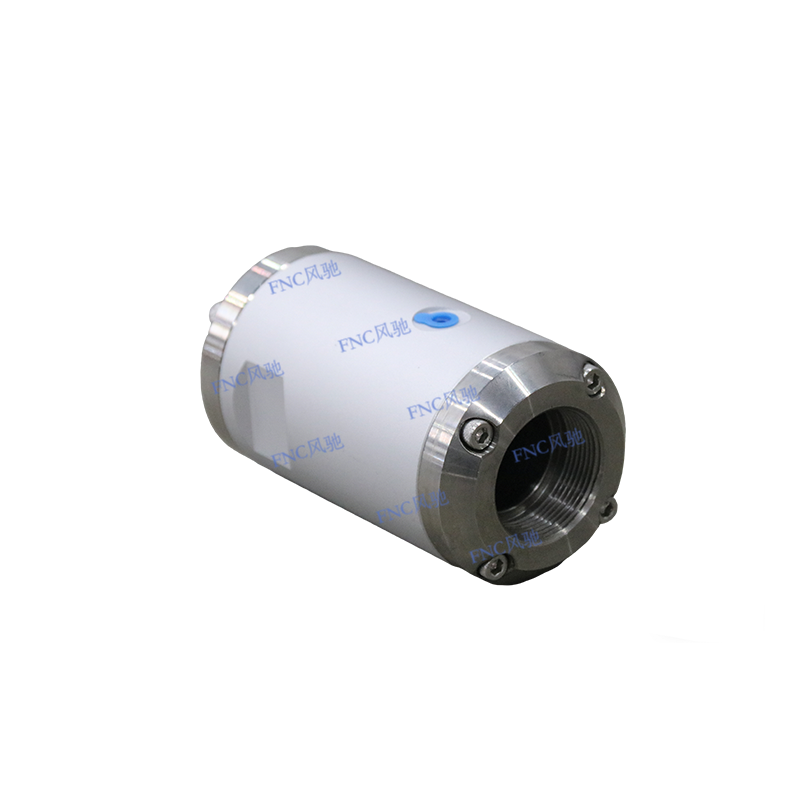
Air Operated pinch valves offer a unique and cost-effective solution for fluid control problems. The secret lies in the rubber valve sleeve - the onl...
See Details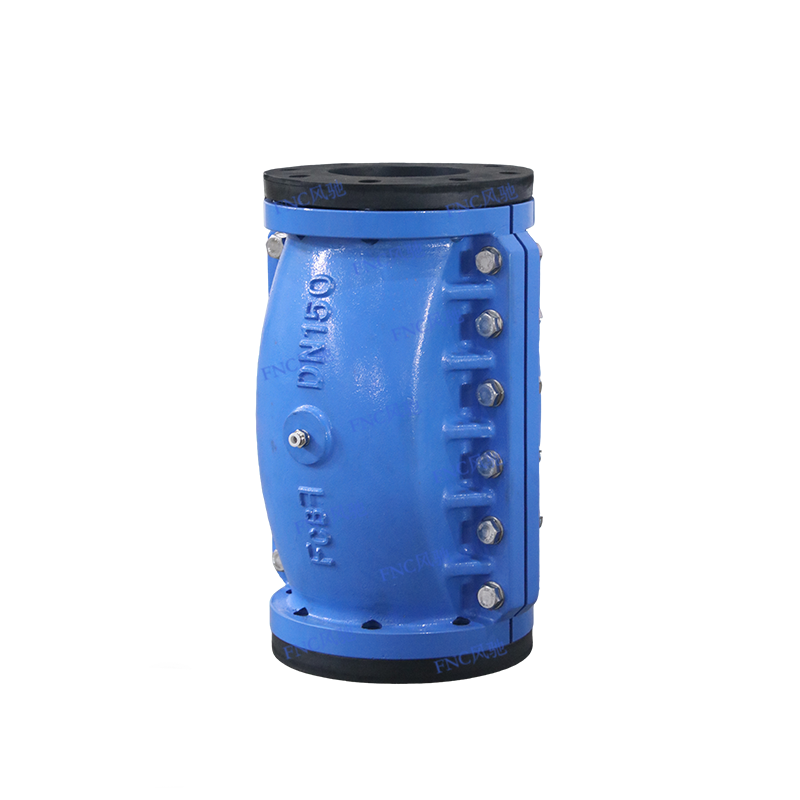
Air Operated pinch valves offer a unique and cost-effective solution for fluid control problems. The secret lies in the rubber valve sleeve - the onl...
See Details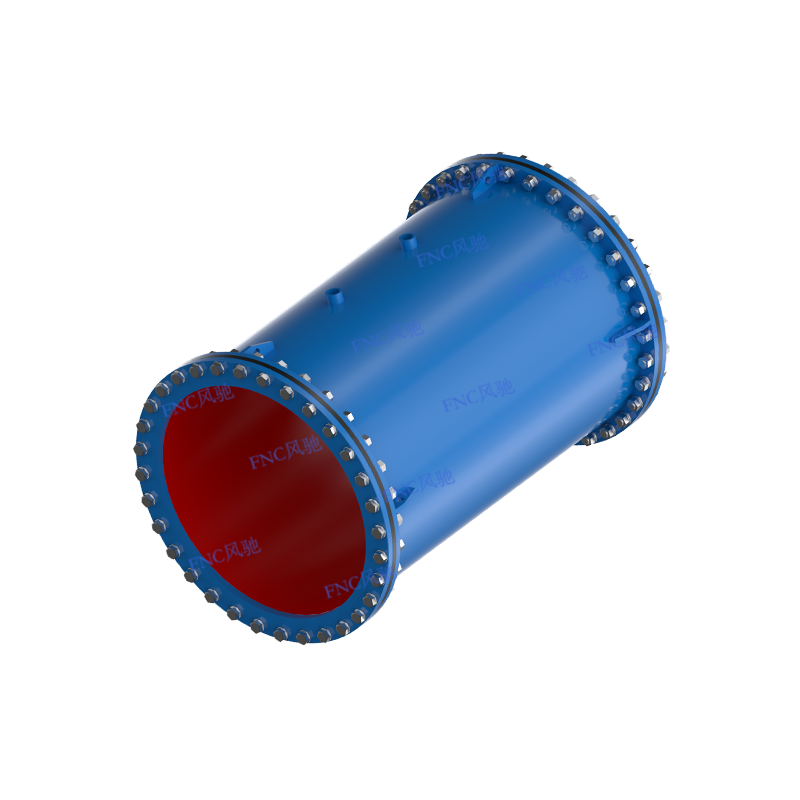
Air Operated pinch valves offer a unique and cost-effective solution for fluid control problems. The secret lies in the rubber valve sleeve - the onl...
See Details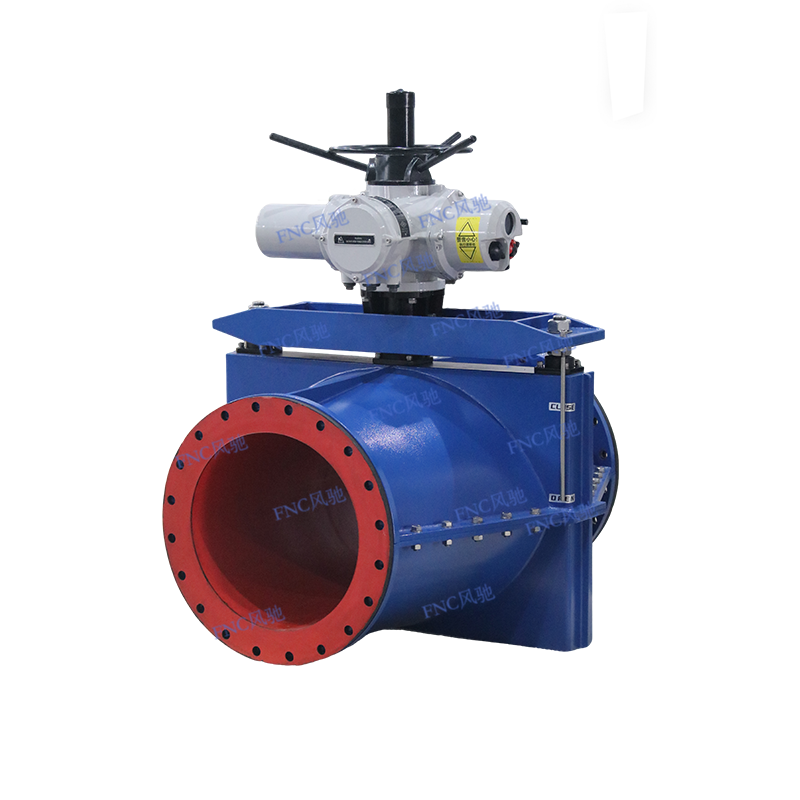
Compared to ordinary pinch valves, large-diameter pinch valves have much higher production requirements. As the “core component” of the pinch valve, t...
See Details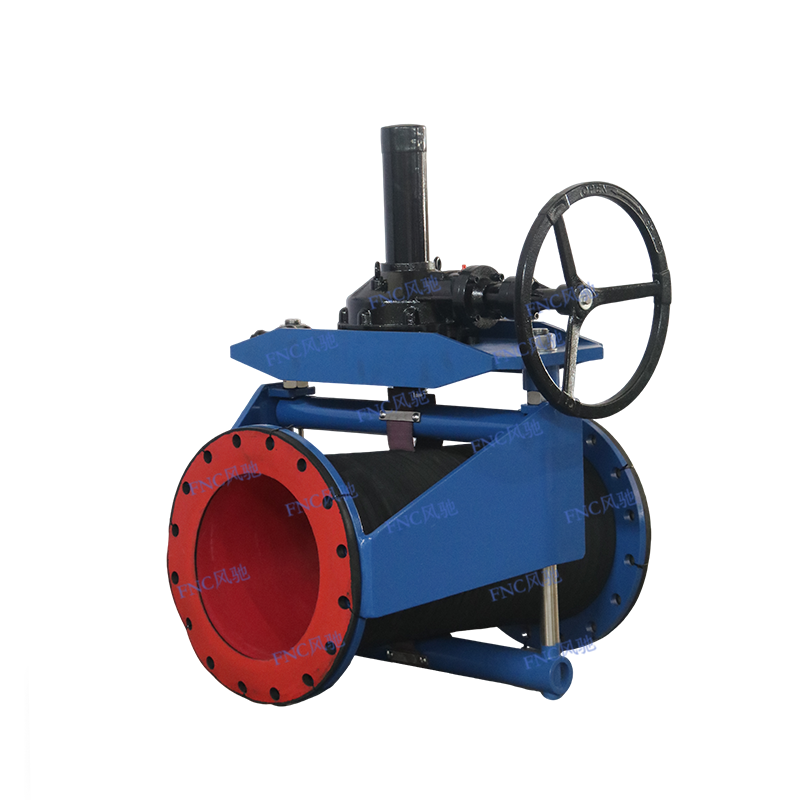
The operating principle of the FNC® enclosed pinch valve is straightforward. When in the open position, the valve provides a full-bore passage, allowi...
See Details
Phone: +86-136 7173 4086

Tel: +86-563 5033 866

Email: red@pinchvalves.com.cn

Address:
