

 EN

 English
 русский
 Español
Standard Air Operated Pinch Valves
Cat:Air Operated Pinch Valves
Air Operated pinch valves offer a unique and cost-effective solution for fluid control problems. The secret lies in the rubber valve sleeve - the onl...
See DetailsAn operator on a tailings line sees a thin slurry weep at a closed knife gate valve. The line is blocked, production is safe, and the leak is small, so the question becomes practical rather than academic: is that leak acceptable? For most isolation duty in abrasive, corrosive, or hazardous service, the answer is no. A visible weep, a continuous drip, or a steady bubble stream is not a tolerance to live with; it is a signal to inspect the seat, sleeve, gate, or sealing surface.
Practical rule: Isolation valves should show no visible leakage at the specified test pressure. Control valves should stay within the specified FCI 70-2 or IEC 60534-4 class. Fugitive emissions should meet the applicable ISO 15848 or local limit. Any leak that creates a safety, environmental, or product-loss issue is unacceptable, regardless of the class number on the datasheet.
The common mistake is treating one leakage class as universal. A control valve class, a metal-seated isolation valve acceptance rate, and a fugitive-emission limit are different tools for different jobs.
The most useful starting point is function. Ask whether the valve must isolate, regulate, or simply pass flow. That answer determines the standard, the test medium, the acceptance rate, and the maintenance plan.
Content
For isolation service, the acceptance target should be zero visible leakage at the specified pressure and test medium. That is especially true in mining slurry, chemical dosing, tailings, ash handling, and any line where a small leak can become a cleanup, safety, or environmental event. Resilient-seated valves generally need bubble-tight shutoff; metal-seated valves may have a permitted drop or rate under API 598 or ISO 5208, but that allowance is a test convention, not permission to ignore a visible leak in critical service.
A closed-body pinch valve is a useful example because the elastomer sleeve provides a flexible, full-port seal that can handle solids without a cavity for grit to pack into. In abrasive duty, the difference between a clean seal and a slow weep often comes down to sleeve condition, compression, and seat geometry rather than the valve body itself. For a closer look at zero-leakage shutoff in mining, see this comparison of pinch valve and diaphragm valve zero-leakage solutions.
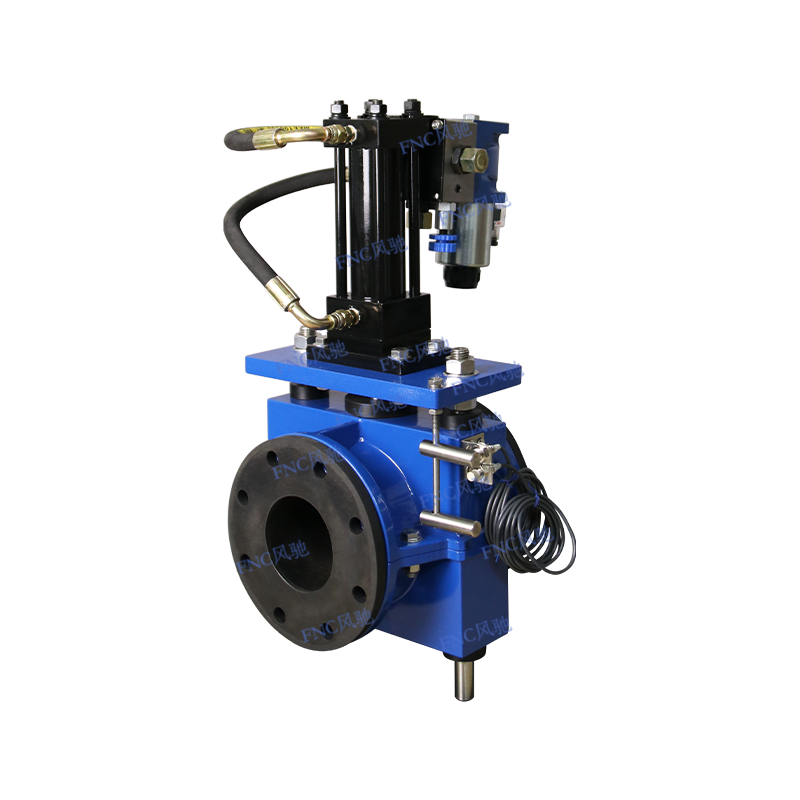 Closed Body Pinch Valve for Abrasive Slurry ShutoffFull-bore pinch valve with elastomer sleeve and bubble-tight shutoff, suited to abrasive slurry duties and zero-leakage comparisons in mining.View Product →
For control service, zero leakage is not the normal basis. A control valve must move, throttle, and respond, and the seat design may intentionally allow a small controlled amount of leakage. In that case, the acceptable limit is the specified leakage class, not a blanket “no drips” rule. The same valve can be perfectly acceptable in throttling service and unacceptable as a block valve.
ANSI/FCI 70-2, with its international equivalent IEC 60534-4, defines control-valve leakage classes. These classes are often quoted in purchase specifications because they give buyers and suppliers a common test basis. They are not a substitute for application judgment.
For isolation valves, API 598 and ISO 5208 are more relevant. ISO 5208 uses rate A through G, with rate A representing no visible leakage. API 598 applies to many gate, globe, check, plug, ball, and butterfly valves, and its allowable seat leakage depends on valve type, size, and seat material. A resilient-seated valve is usually expected to hold zero visible leakage; a metal-seated valve may have a small permitted rate. If the process cannot tolerate that rate, specify a tighter test or choose a different sealing design.
A valve that passes a water test can fail an air test. Water has viscosity and surface tension; air does not. A path that stays sealed under water may pass gas under pressure. That is why a leakage specification without a test medium is incomplete. The same applies to pressure differential, temperature, and whether the test is static or dynamic.
For a slurry line, a water test is useful for seat integrity, but it does not prove that fine solids will stay out of the sealing area. For a gas or vacuum application, a bubble test or pressure-decay test is more meaningful. For fugitive emissions, the test focuses on leakage to atmosphere through packing, gaskets, and body joints, not leakage through the seat.
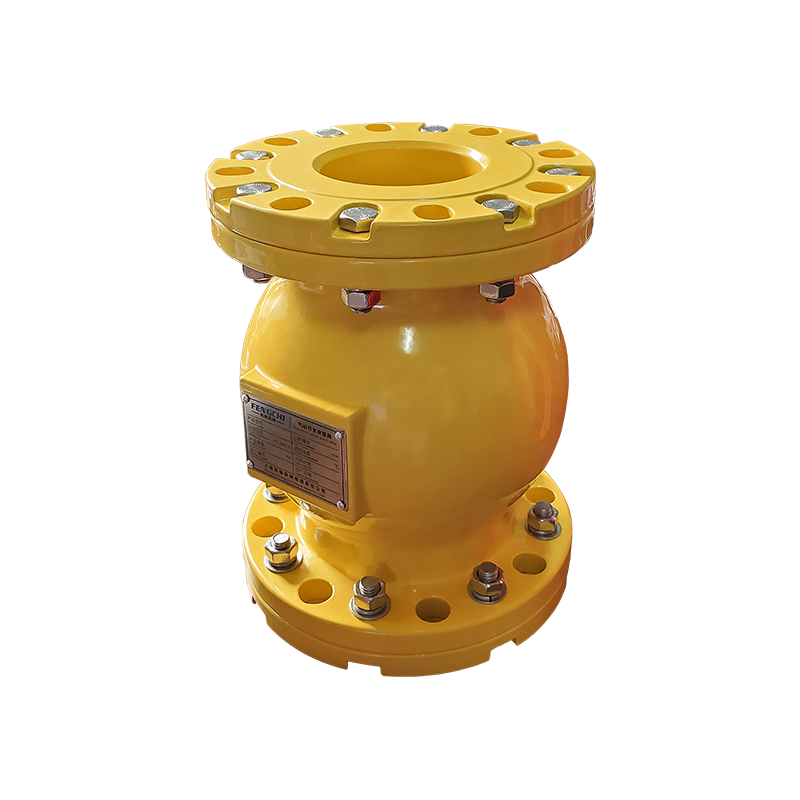 Standard Air Operated Pinch Valve for Slurry LinesAir-operated pinch valve with only a rubber sleeve in the flow path, useful where actuation force and zero-leakage closure must be checked in slurry service.View Product →
This is also where actuation matters. An air-operated pinch valve may seal well in a static test and still weep in service if the actuator does not deliver enough closing force, if the air supply is unstable, or if the sleeve has taken a compression set. The acceptance test should reflect the installed control system, not only the bare valve.
A small percentage can become a large volume. On a 10,000 L/h line, 0.01% leakage equals 1 L/h, or about 8,760 L over a year if the valve stays closed. That is easy to dismiss in a short test and hard to dismiss in a plant with expensive product, costly effluent treatment, or limited sump capacity.
Detection sensitivity also varies widely. The chart below is a relative illustration, not a substitute for a standard test procedure.
Visual
Water drop
Bubble test
Pressure decay
Gas tracer
The hidden indicator is not only the rate. It is the trend. A valve that moves from zero visible leakage to one drip per minute after a few weeks is telling you something about wear, solids ingress, or actuator force. That trend matters more than a single pass/fail number at commissioning.
Acceptance attention is not evenly distributed across industries. In abrasive and toxic services, the cost of a leak is driven by cleanup, downtime, safety exposure, and environmental reporting rather than by the valve price alone. The profile below is an illustrative view of where tight shutoff deserves the most scrutiny.
Mining slurry isolation: 40%
Chemical dosing: 25%
Water and wastewater: 20%
Power and ash handling: 15%
The practical takeaway is not the exact split. It is that a mining slurry valve and a clean-water bypass valve should not share the same acceptance language. One may need zero visible leakage and a wear-inspection plan; the other may accept a documented class limit with routine checks.
A good purchase specification answers the leakage question before the valve arrives. It also gives maintenance a fair basis for accepting or rejecting a valve after repair.
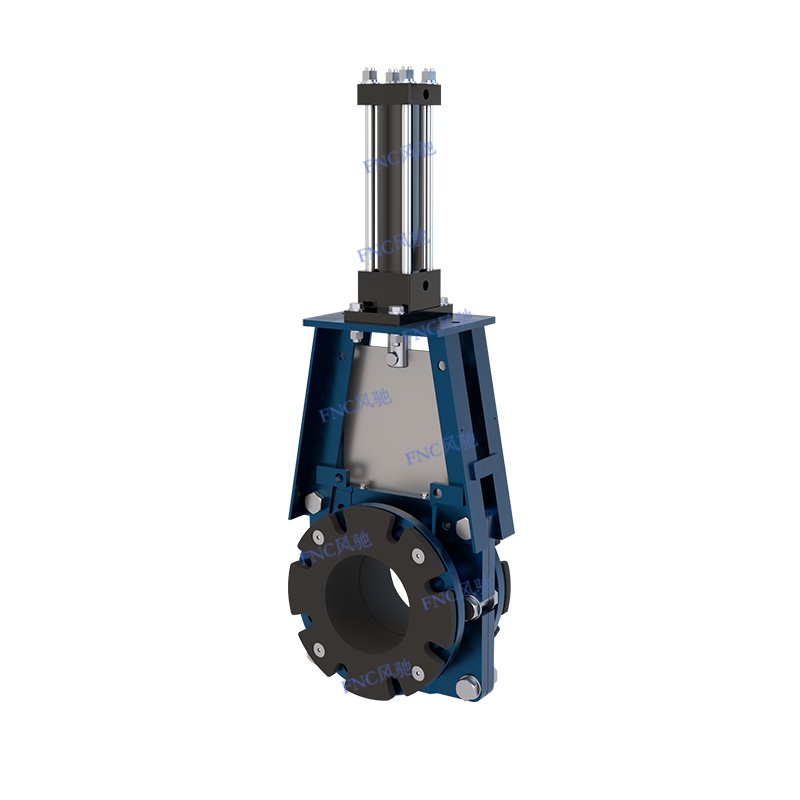 KGV-A Slurry Knife Gate Valve for Abrasive DutiesSlurry knife gate valve with shearing stainless-steel gate and bidirectional bubble-tight sealing, relevant when specifying leakage and pressure limits for large lines.View Product →
For high-pressure or large-diameter lines, pressure rating and closing force deserve equal attention. These pinch valve pressure ratings and operating limits are part of the leakage conversation because a seal that is adequate at low pressure may not hold at the upper end of the range.
The ROI case is usually built on avoided cleanup, reduced downtime, lower product loss, and fewer environmental incidents. A slightly higher-cost tight-shutoff valve can be the cheaper choice when a weep turns into a weekly washdown and a recurring maintenance order.
Acceptance is not a one-time event. Elastomer sleeves take compression set, knife gates wear at the seat, and actuators drift. A maintenance plan should include visual inspection, stroke and closing-force checks, seat or sleeve condition, and a repeat leak test at a defined interval.
Compliance adds another layer. Fugitive-emission limits may require ISO 15848 testing or API 624/641 qualification for packing and body joints. Local environmental rules may be tighter than the general standard. For critical isolation, document the test pressure, medium, duration, allowable limit, and result. That record protects both the operator and the supplier when a leak is later disputed.
In slurry service, keep the acceptance criterion realistic but firm: zero visible leakage for isolation, a defined class for control, and a clear inspection trigger when performance changes. That approach is easier to audit than a vague instruction to “minimize leakage.”
If you remember one rule, make it this: acceptable leakage is defined by function, standard, test method, and consequence. A control valve may legally pass a small classified leak and still be right for the job. An isolation valve that drips slurry, chemical, or gas is giving you information you should act on. Write the acceptance limit before the purchase order, test it the same way in the shop and in the field, and treat any change from zero visible leakage as a maintenance signal rather than a new normal.
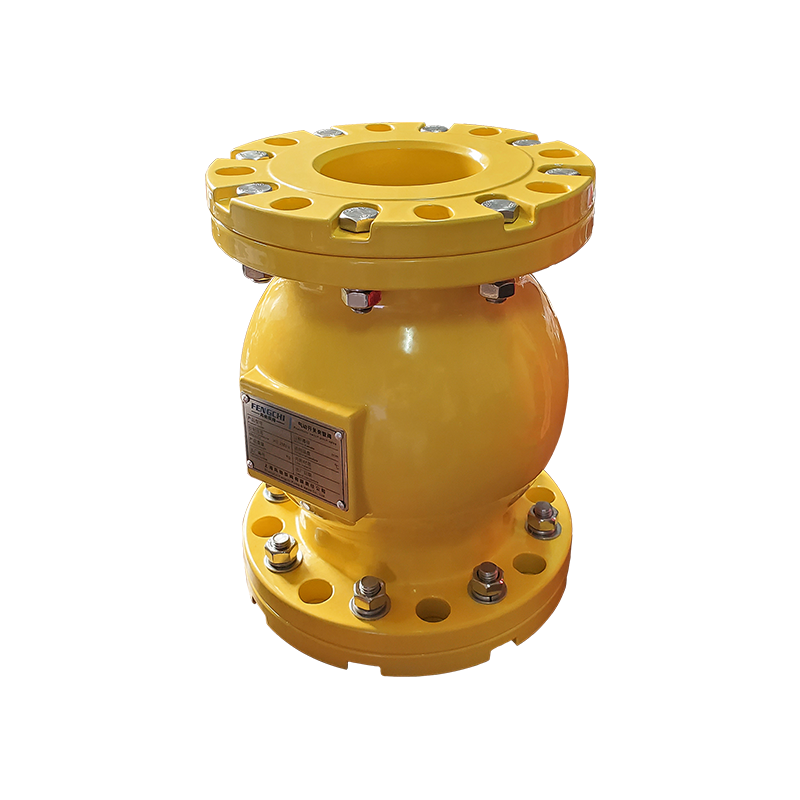
Air Operated pinch valves offer a unique and cost-effective solution for fluid control problems. The secret lies in the rubber valve sleeve - the onl...
See Details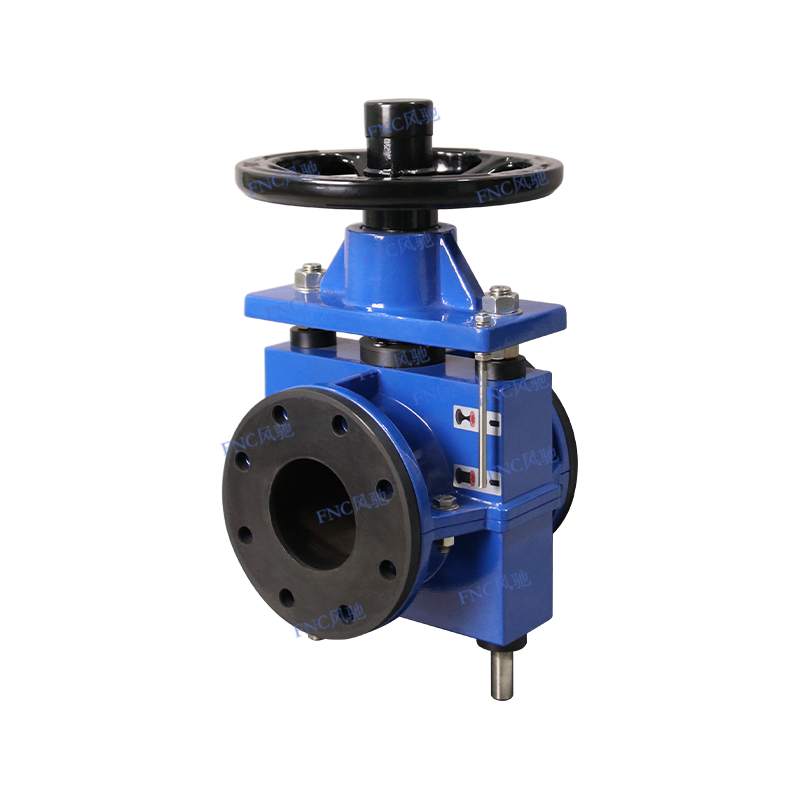
The operating principle of the FNC® enclosed pinch valve is straightforward. When in the open position, the valve provides a full-bore passage, allowi...
See Details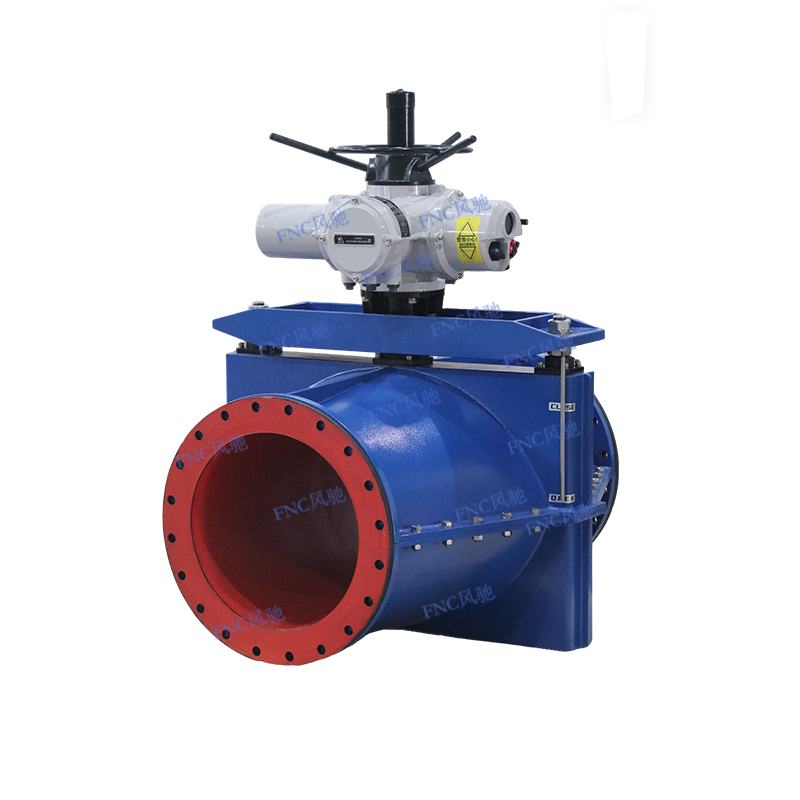
Compared to ordinary pinch valves, large-diameter pinch valves have much higher production requirements. As the “core component” of the pinch valve, t...
See Details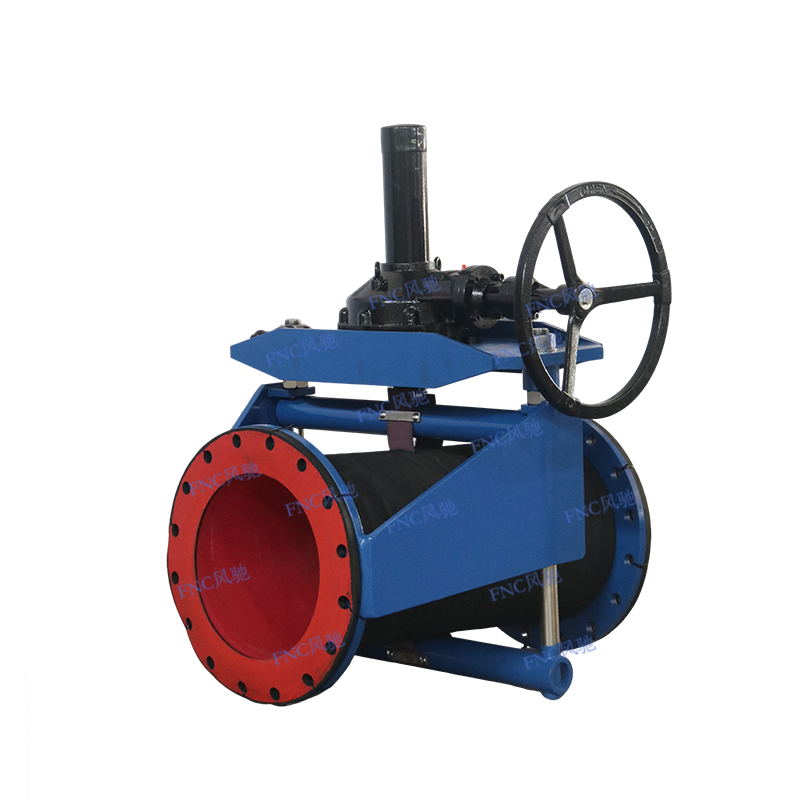
The operating principle of the FNC® enclosed pinch valve is straightforward. When in the open position, the valve provides a full-bore passage, allowi...
See Details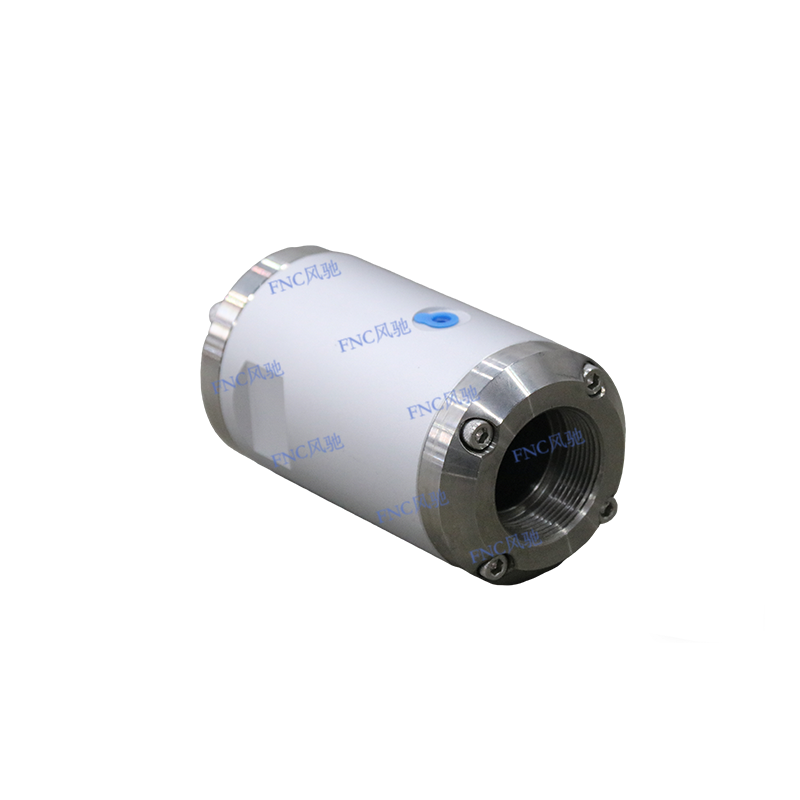
Air Operated pinch valves offer a unique and cost-effective solution for fluid control problems. The secret lies in the rubber valve sleeve - the onl...
See Details
Air Operated pinch valves offer a unique and cost-effective solution for fluid control problems. The secret lies in the rubber valve sleeve - the onl...
See Details
Phone: +86-136 7173 4086

Tel: +86-563 5033 866

Email: red@pinchvalves.com.cn

Address:
