

 EN

 English
 русский
 Español
Standard Air Operated Pinch Valves
Cat:Air Operated Pinch Valves
Air Operated pinch valves offer a unique and cost-effective solution for fluid control problems. The secret lies in the rubber valve sleeve - the onl...
See DetailsPicture a tailings line where a standard knife gate valve has been swapped out three times in eighteen months. The maintenance team assumes the valve is undersized. More often the failure comes from something duller: a hardened seat that cannot close on a bed of coarse sand, or an elastomer that swells in the process water. That is usually the point where buyers start hunting for a customized valve manufacturer, and it is also the point where most of the budget risk begins.
Conclusion first: a custom build is worth the extra weeks only when a catalogue valve fails on one of three points, which are elastomer compatibility, interface dimensions, or actuator and control logic. If your problem is none of those, a standard valve with a properly chosen trim will cost less and arrive sooner.
Content
The word covers three very different levels of engineering effort, and mixing them up is the fastest way to pay for patterns you never needed. Ask which level your application really requires, and get the answer in writing before the quotation arrives.
A catalogue body with changed flange drilling, a different bore, or an alternative actuator. Drawings already exist and only the machining programme changes. Typical planning window is one to two weeks.
Same body, new rubber compound, revised sleeve wall thickness, or a re-sized cylinder. This level needs a compound trial and a cycle test, so plan on three to six weeks and expect a minimum batch on the elastomer.
New geometry, an unusual pressure class, a split body for inline sleeve changes, or a tight installation envelope. Patterns and drawings are involved, so eight weeks and up is realistic, with a witnessed factory test.
One practical test: if the supplier quotes a fully engineered price for a flange drilling change, you are paying for engineering you did not ask for.
In a pinch valve the sleeve is the wear part, and the body is mostly a frame. That single fact reshapes how a customized valve should be specified. Total cost of ownership is the valve price plus the number of sleeves you will consume per year, so a compound that doubles sleeve life usually beats a discount on the hardware.
Four parameters drive the compound choice and they pull against each other:
Bore and face-to-face dimensions belong in the same conversation, since a valve that will not fit the pipe spool wastes a shutdown window no matter how good the rubber is. A pinch valve sizing guide is a quick way to fix those numbers before the RFQ goes out.
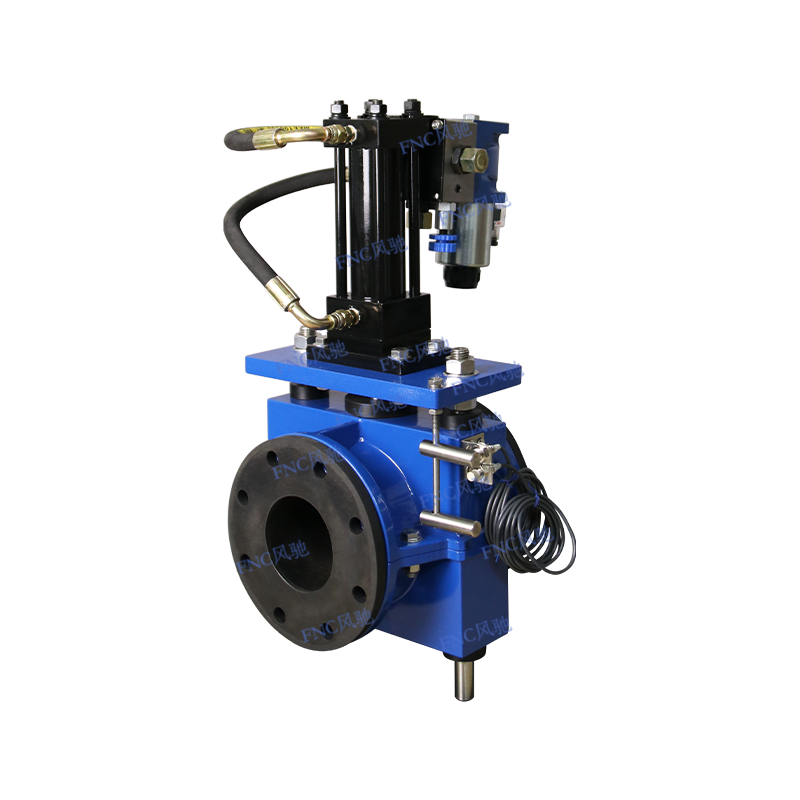 Closed Body Pinch ValveConnection and Actuation MethodsView Product →
Closed-body units suit lines where the media must be fully contained; open-body versions make sleeve inspection a minutes-long job, which matters on a plant with limited maintenance hours.
Use the comparison below to sanity-check a quotation. If the lead time and the engineering effort do not line up with the same column, ask why.
Most of the money lost on a custom valve is lost after the purchase order, when a detail turns out to be wrong and the shutdown date is already fixed. The chart below reflects how change orders typically distribute on industrial valve projects. Elastomer mistakes dominate because they only surface once the valve is in service.
The practical response is to freeze four numbers before release: media composition, particle size range, operating pressure and cycle frequency. Suppliers who ask for all four upfront are usually the ones who do not come back with a change order later.
Demand for custom builds clusters where media are abrasive, where lines are large, or where the valve must be automated. Mining and mineral processing dominate, which is why slurry-rated designs get most of the engineering attention.
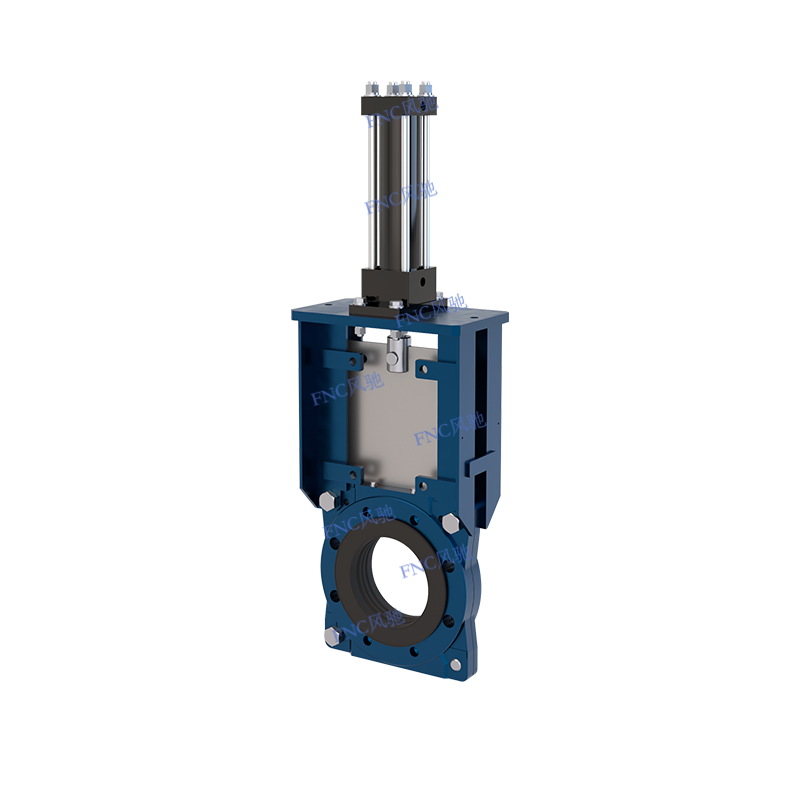 KGV-D Slurry Knife Gate Valve for Abrasive MediaSlurry-rated knife gate with shearing gate, DN50–DN1500, PN16 and multiple body/actuation options; relevant where high heads and large diameters suit knife gates.View Product →
For slurry duty the choice between a pinch valve and a knife gate usually comes down to whether solids must be fully isolated from the mechanism. A knife gate handles high heads and large diameters well; a pinch valve wins where the seat would otherwise clog.
A customized valve is only as fast as its slowest outsourced step, and that step is almost always the sleeve. Manufacturers that mix, form, vulcanize and test rubber on their own site can iterate a compound without waiting on a third party, and they can trace a batch when a sleeve fails earlier than expected.
Anhui Fengchi Pump Valve Manufacturing Co., Ltd. is one example worth benchmarking against. The company states it was founded in 2017 and lists a 35,000 plant footprint, around 100 employees and a 40% export share, which points to cross-border supply experience rather than domestic-only delivery. Its published capability includes large vulcanizing equipment, rubber mixing equipment and raw-material testing, so sleeve development sits inside the same plant as valve assembly. The company also states ISO 9001:2015, ISO 14001, ISO 45001, CE and RoHS certification, and offers a factory tour and certificate section on its site, both of which are useful when a buyer needs to verify a claim rather than read it.
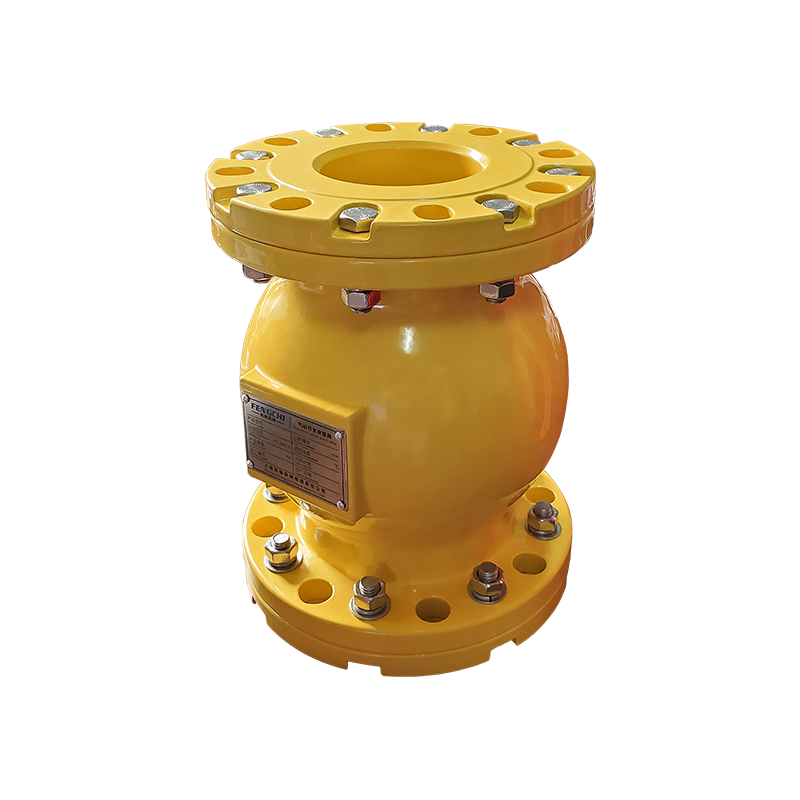 Standard Air Operated Pinch Valves for Abrasive and Corrosive DutiesPneumatic pinch valves with a replaceable rubber sleeve as the only flow-through part, available DN15–DN2000 and suited to slurry, corrosive or remote automated lines.View Product →
Automated and remote-operated lines are where most recent customization requests land, and the pinch valve range splits into open-body, closed-body and large-diameter variants so a retrofit rarely needs a new pipe spool.
Order of operations matters more than order size. The sequence below keeps engineering effort proportional to the problem.
Media, solids percentage, particle size, temperature, pressure, and cycles per day. Written, not verbal.
Face-to-face length, flange standard, actuator clearance, and whether the line can be drained for installation.
Ask for the proposed compound, hardness and a sample sleeve or test coupon before the full order is released.
Hydrostatic hold time, cycle count, leak class, and who witnesses. Put the acceptance numbers in the purchase order.
Sleeves age in storage and cost little at the time of order. One spare per valve avoids a future air-freight bill.
A pinch valve fails gradually, so inspection beats replacement. Check the sleeve for wall thinning, cracking at the pinch line, and loss of rebound at an interval tied to cycle count rather than calendar time; heavy slurry duty often justifies a quarterly look. Record the date and cycles each time, because the data is what turns a guess into a purchasing decision.
Compliance follows the same logic. For EU shipments, keep the CE declaration, RoHS statement and material certificates in the same file as the pressure test record, and check that the certificate revision matches the valve serial number. Environmental and occupational health certifications should be current at the time of shipment, not at the time of quotation. Where the line falls under additional local rules for pressure equipment or hazardous media, confirm with the manufacturer which standards were applied and whether third-party witnessing is available, since a customized valve has no generic certificate to fall back on.
Finally, confirm the spare sleeve is the same batch or a documented equivalent. A new compound introduced quietly by a supplier is the most common reason a valve that performed well for two years suddenly does not.
A customized valve manufacturer earns its premium by removing uncertainty, not by adding features. Judge the offer on four things: whether the elastomer was chosen for your media, whether the interface dimensions are fixed in a drawing, whether the acceptance test is written into the order, and whether spares and documents arrive with the valve. Everything else is sales language.
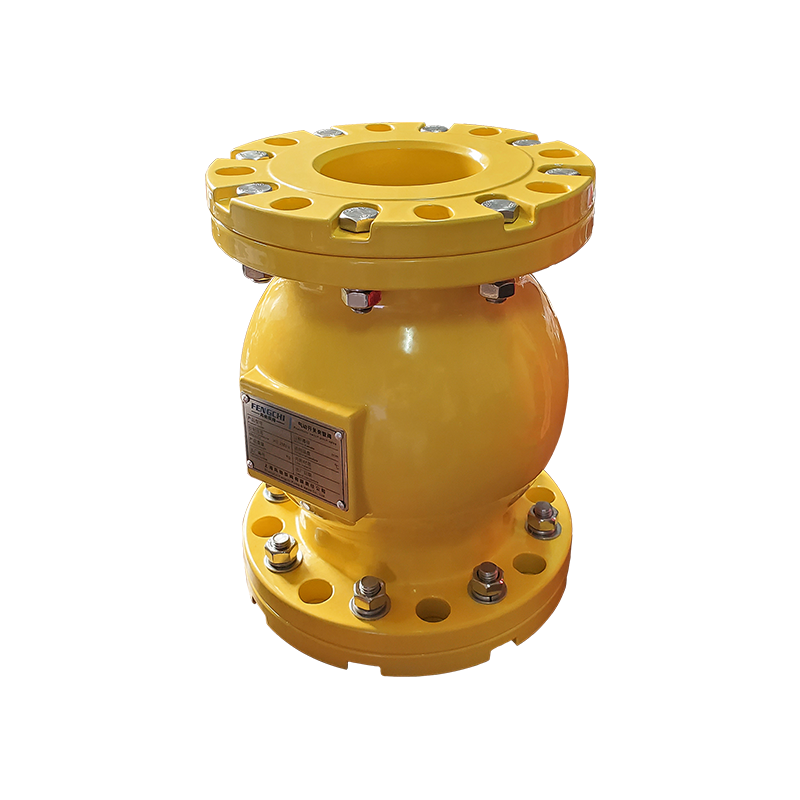
Air Operated pinch valves offer a unique and cost-effective solution for fluid control problems. The secret lies in the rubber valve sleeve - the onl...
See Details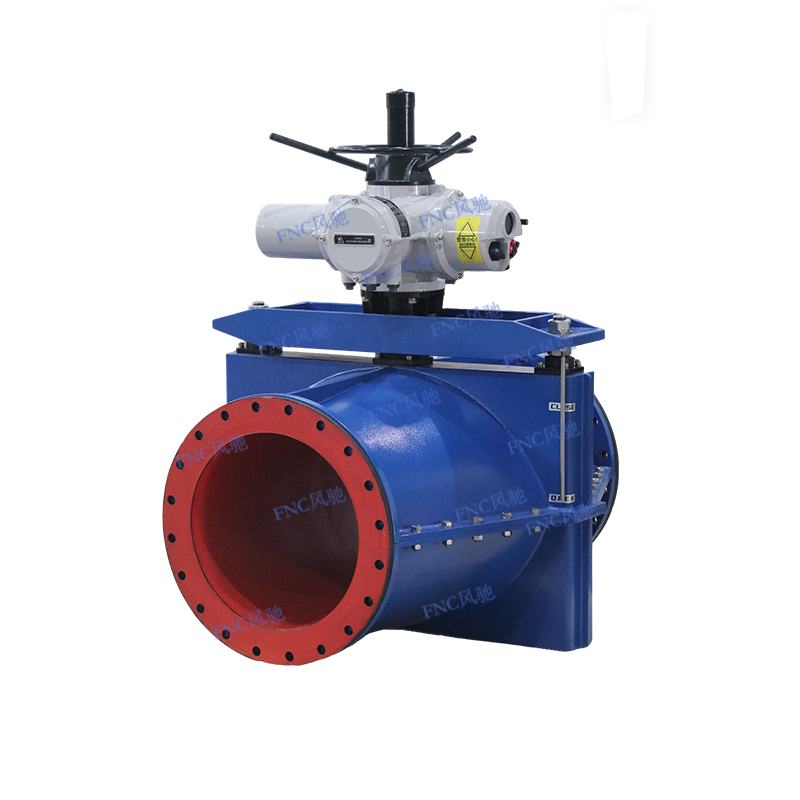
Compared to ordinary pinch valves, large-diameter pinch valves have much higher production requirements. As the “core component” of the pinch valve, t...
See Details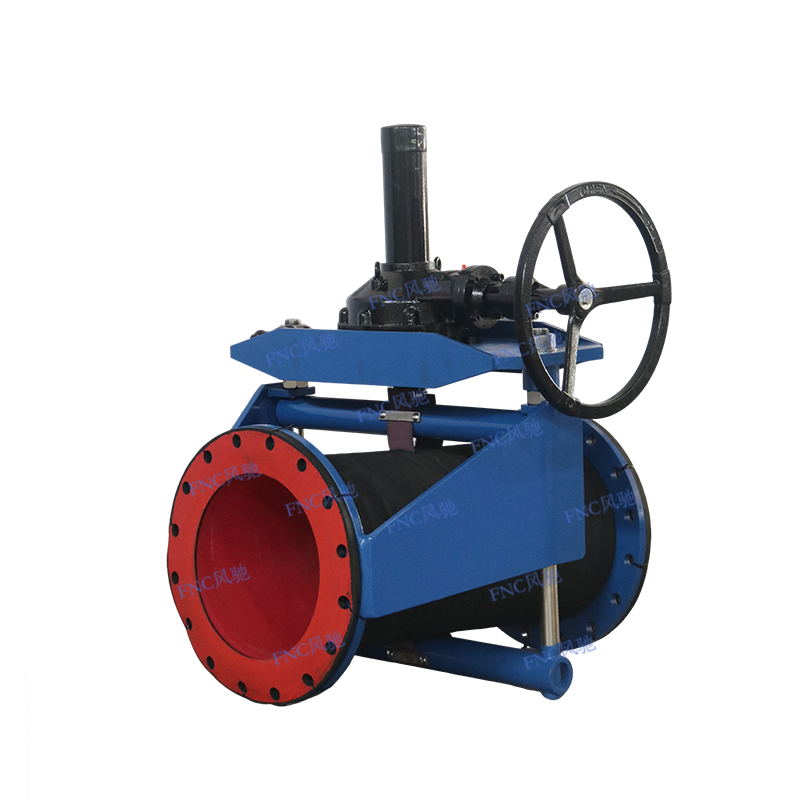
The operating principle of the FNC® enclosed pinch valve is straightforward. When in the open position, the valve provides a full-bore passage, allowi...
See Details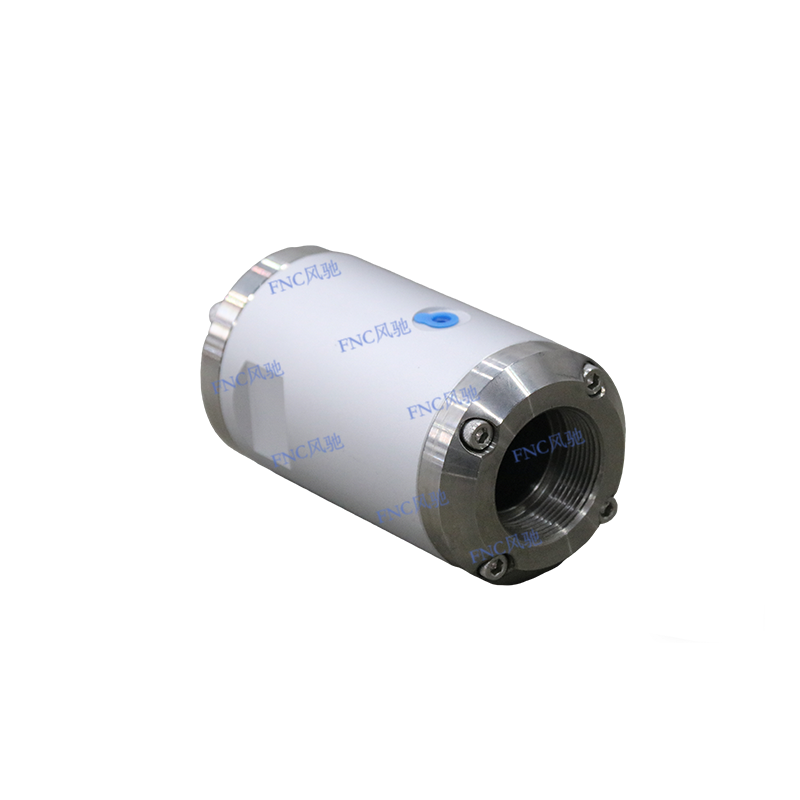
Air Operated pinch valves offer a unique and cost-effective solution for fluid control problems. The secret lies in the rubber valve sleeve - the onl...
See Details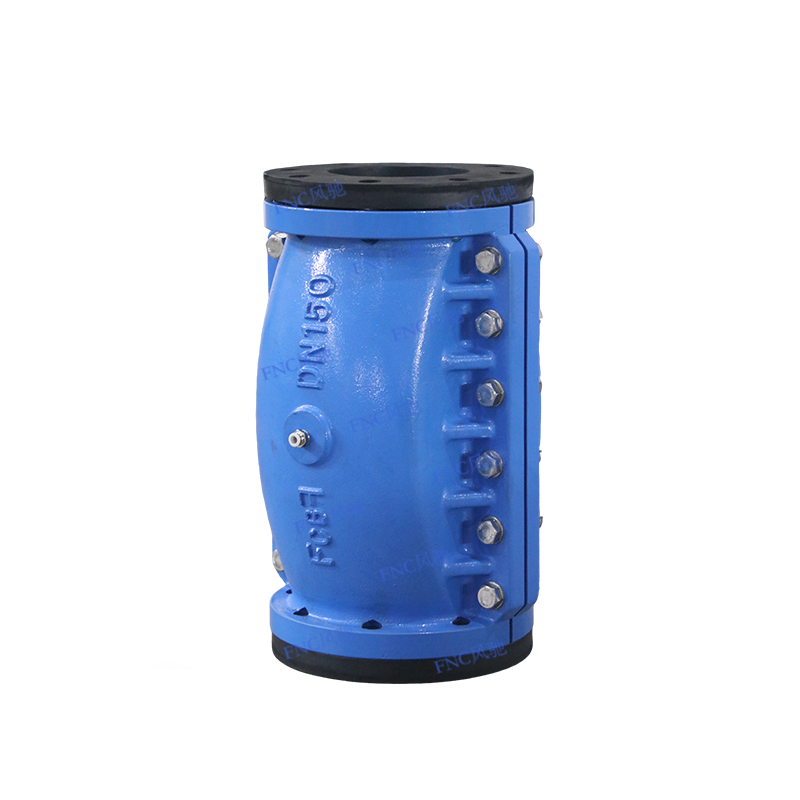
Air Operated pinch valves offer a unique and cost-effective solution for fluid control problems. The secret lies in the rubber valve sleeve - the onl...
See Details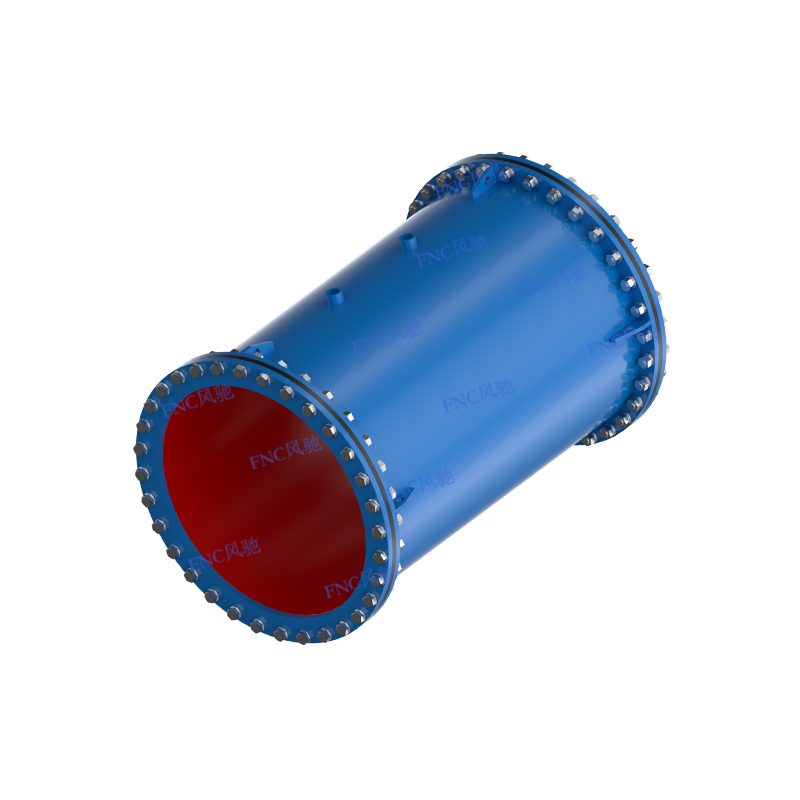
Air Operated pinch valves offer a unique and cost-effective solution for fluid control problems. The secret lies in the rubber valve sleeve - the onl...
See Details
Phone: +86-136 7173 4086

Tel: +86-563 5033 866

Email: red@pinchvalves.com.cn

Address:
