

 EN

 English
 русский
 Español
Standard Air Operated Pinch Valves
Cat:Air Operated Pinch Valves
Air Operated pinch valves offer a unique and cost-effective solution for fluid control problems. The secret lies in the rubber valve sleeve - the onl...
See DetailsA maintenance planner at a copper concentrator can recite the figure from memory: fourteen hours to swap the sleeve on a 300 mm slurry control valve, most of it spent waiting for the line to drain. That number, not the price on the quotation, decides which valve gets installed on an abrasive duty. A valve that needs a crane and a two-day window every eight months turns the lowest bid into the most expensive decision in the room.
The short answer
What follows is the engineering behind those three points, the numbers that separate a well-chosen installation from a cheap one, and the maintenance habits that decide whether a sleeve lasts six months or two years.
Content
Abrasion is a mechanical problem, not a chemical one. Hard particles moving at speed remove material wherever the flow path turns or accelerates, which is why the geometry of the valve matters as much as the material it is built from.
In a metal-seated valve the seat, disc, body liner and stem packing all see slurry. In a pinch valve the rubber sleeve is the wetted part, so the wear budget is concentrated in a single replaceable component that comes out without cutting the pipe.
The sleeve closes by being compressed, so nothing rubs against a hard sealing face. Solids cannot wedge between a gate and a seat, and there is no cavity for settled grit to pack into and jam the mechanism.
A straight-through sleeve gives a Cv close to that of an equivalent length of pipe. Pump head is spent moving slurry rather than fighting the valve, and the local velocity that drives wear stays lower.
Natural rubber sleeves are comfortable to about 80 °C, EPDM to roughly 100 °C, and every sleeve has a pressure ceiling. Slurries carrying long tramp steel or large sharp rock can cut a sleeve, and high pressure classes push size and cost up quickly.
Body style then follows the site, not the catalogue. A closed-body pinch valve protects the mechanism on buried, insulated or bunded lines, while an open-body version is easier to inspect where sleeve changes happen several times a year.
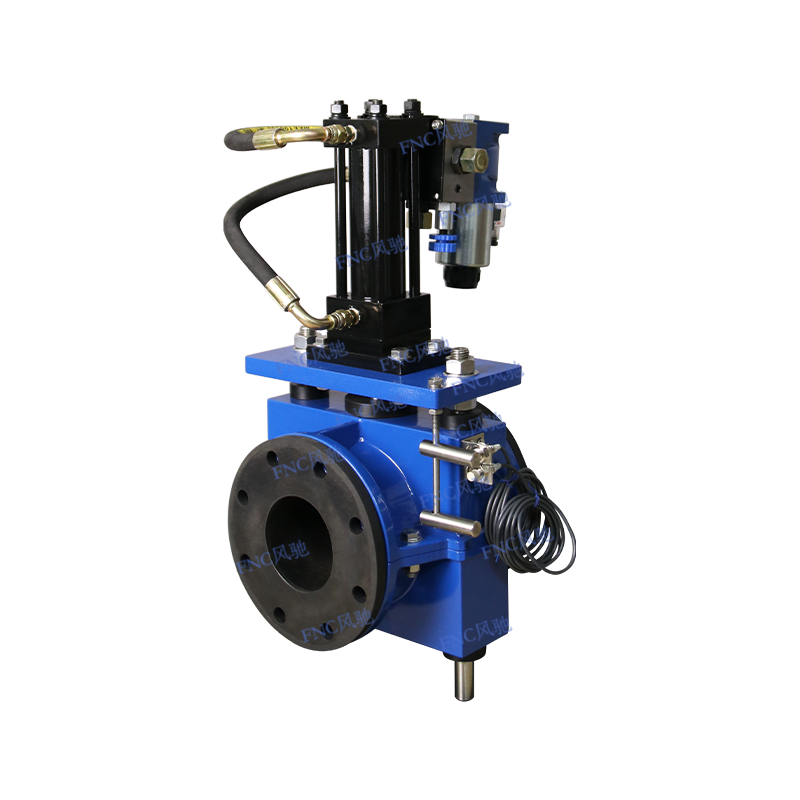 Closed Body Pinch Valve for Abrasive Slurry LinesEnclosed pinch valve with full-bore elastomer sleeve for abrasive media; closed body suits buried or bunded lines where mechanism protection matters.View Product →
Purchase price is the least useful column in this comparison. What matters is how each design behaves at the wear point, whether it can modulate, and how long the line is down when the wear part finally gives up.
Indicative comparison for 150–300 mm lines at moderate pressure; real cost and life depend on solids concentration, particle shape and duty cycle.
The knife gate row deserves a caveat. A slurry knife gate valve with a polyurethane seat is an excellent isolator: it closes through settled solids, has a short face-to-face length and automates easily. It is also the wrong tool for flow control, because a partly open gate puts the seat directly in the fastest part of the stream. Where one valve is expected to both isolate and regulate, the usual result is a worn seat within a season. Splitting the duty is almost always cheaper than rebuilding seats, and the pinch versus diaphragm comparison for zero-leakage mining duty explains why the elastomer route wins on abrasive lines.
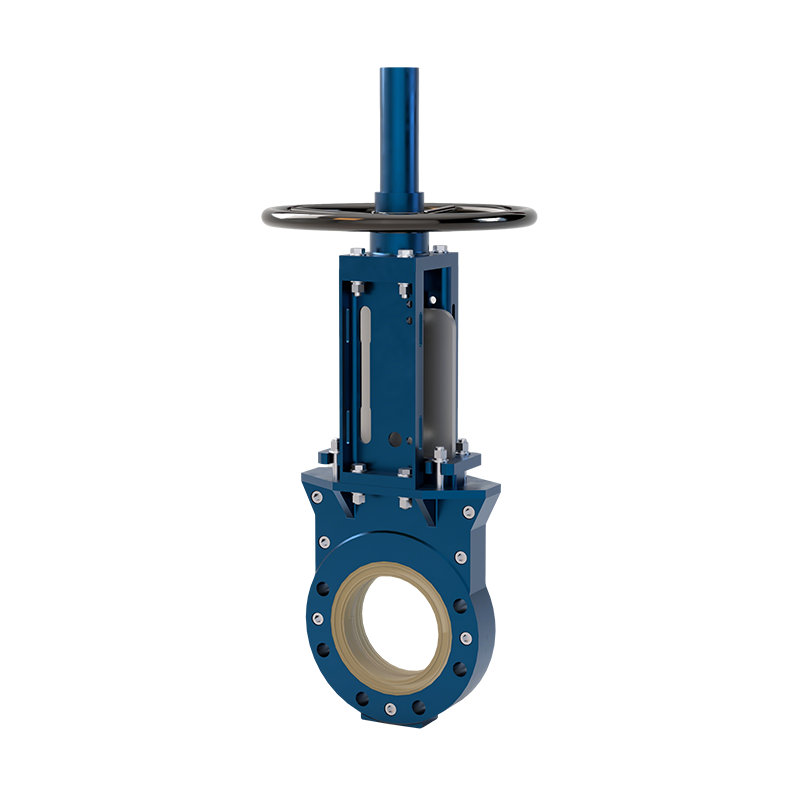 Polyurethane-Lined Slurry Knife Gate ValveFully lined polyurethane knife gate for slurry isolation with bubble-tight shutoff; best suited to on/off duty rather than flow regulation.View Product →
Erosion scales roughly with the cube of local velocity. Doubling velocity does not double wear, it multiplies it by about eight. A control valve is by definition a local velocity machine: as it closes, the same tonnage is forced through a smaller opening and the particles speed up. This is the mechanism behind most premature failures that get blamed on bad rubber.
Relative erosion rate on an elastomer sleeve (index, 2.5 m/s = 100)
The practical consequences are simple to apply. Size control valves so normal flow happens between 40% and 80% open rather than at 10%. Do not let one valve absorb the whole pump head unless the process genuinely needs it. And check the real pipe velocity at design tonnage, because a line running at 3.5 m/s will consume sleeves regardless of who built the valve.
The valve population in a typical concentrator is not spread evenly. Throttling duties cluster where flow must follow a process variable, while isolation duties cluster on the many branches opened and closed a few times per shift.
The useful reading is that most installed valves are isolators, yet most of the maintenance budget goes to the minority that throttle. That is why plants often standardise knife gates across the branch lines and still keep a small, carefully specified population of pinch control valves for the handful of modulating duty points.
State whether the valve throttles or isolates, the flow range, solids concentration by weight, maximum particle size, and how the slurry settles during a shutdown.
Calculate velocity through the valve at minimum and maximum flow. If the maximum exceeds about 2.5 m/s with abrasive solids, resize the valve or split the pressure drop.
Oversized valves throttle at the seat; undersized ones cannot pass design tonnage. Both shorten sleeve life and both show up as pump problems first.
Sleeve compound, hardness (typically 50–70 Shore A), flange drilling to EN 1092-1 or ASME B16.5, and face-to-face dimensions belong in the data sheet, not in a side email.
Fail-safe position, minimum air pressure, air quality class and a starting sleeve inventory are part of the scope. Buying them after the first failure is what turns a good valve into a bad story.
On automated lines, the actuator is sized against the sleeve, not against the line pressure alone. A cylinder chosen for a clean-fluid valve will struggle once the sleeve stiffens in cold weather or after a few months of compression set.
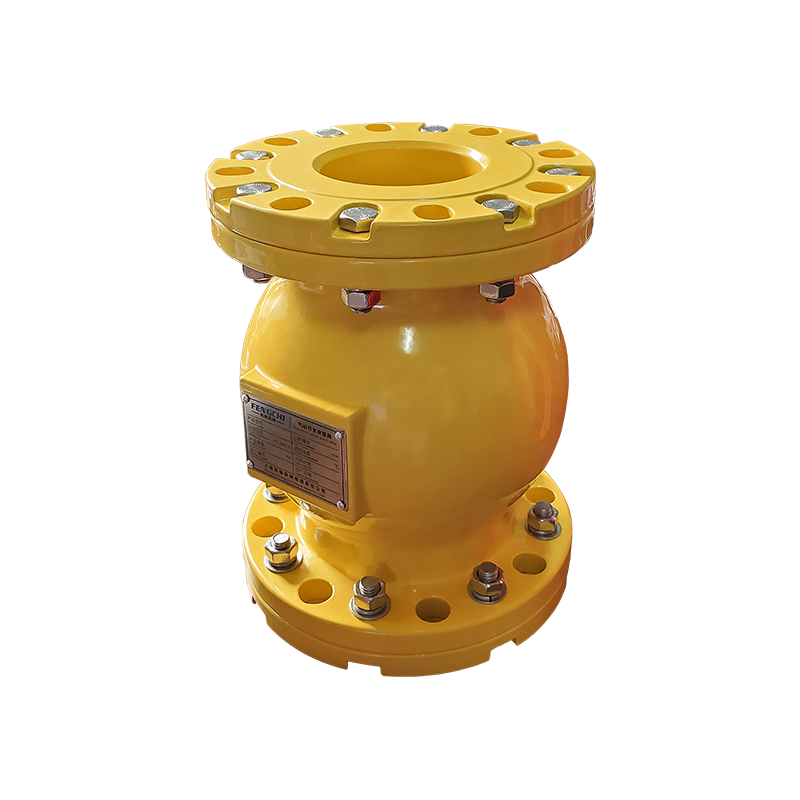 Air Operated Pinch Valve with Integrated ActuationRubber-sleeve pinch valve with integrated pneumatic or hydraulic actuation and no external moving parts; suits automated slurry or corrosive service.View Product →
None of this is exotic. The plants that achieve long sleeve life treat the valve as a wear item with a defined replacement interval, size it for the flow they actually run, and hold velocity in a range the elastomer can survive. Everyone else spends the maintenance budget proving the same point one sleeve at a time.
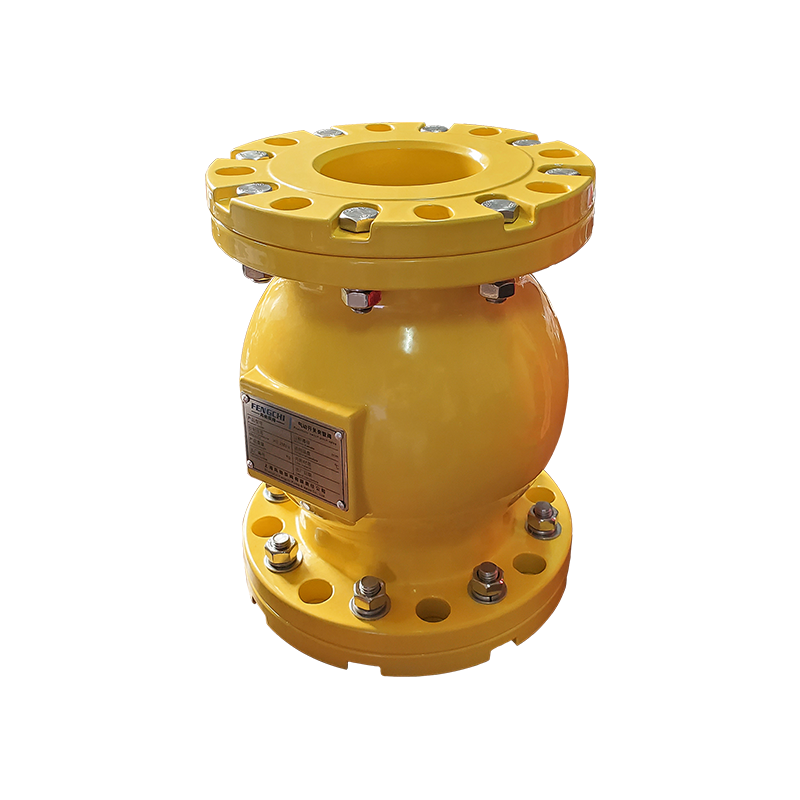
Air Operated pinch valves offer a unique and cost-effective solution for fluid control problems. The secret lies in the rubber valve sleeve - the onl...
See Details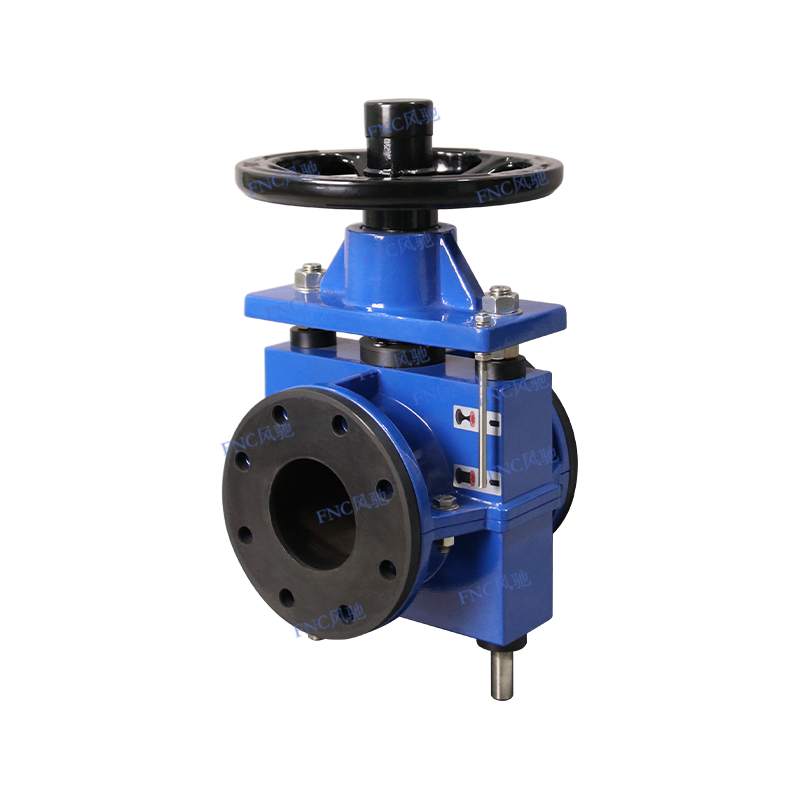
The operating principle of the FNC® enclosed pinch valve is straightforward. When in the open position, the valve provides a full-bore passage, allowi...
See Details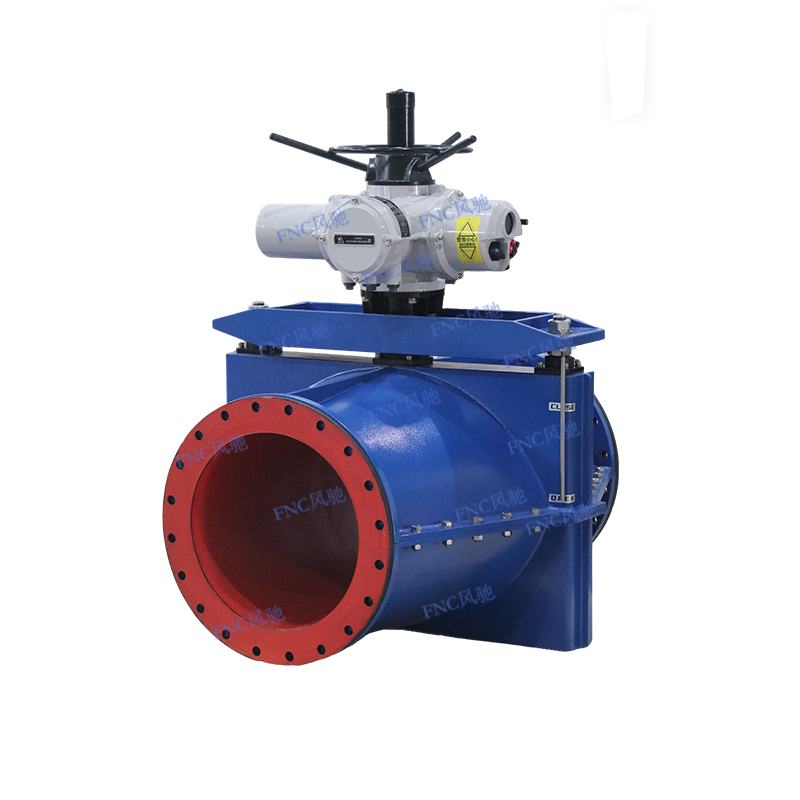
Compared to ordinary pinch valves, large-diameter pinch valves have much higher production requirements. As the “core component” of the pinch valve, t...
See Details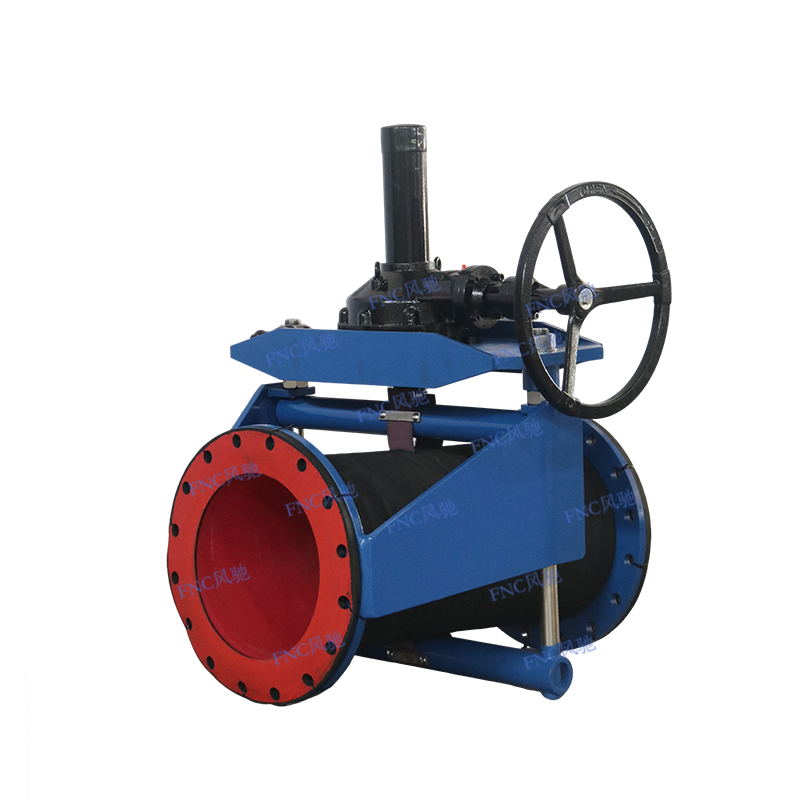
The operating principle of the FNC® enclosed pinch valve is straightforward. When in the open position, the valve provides a full-bore passage, allowi...
See Details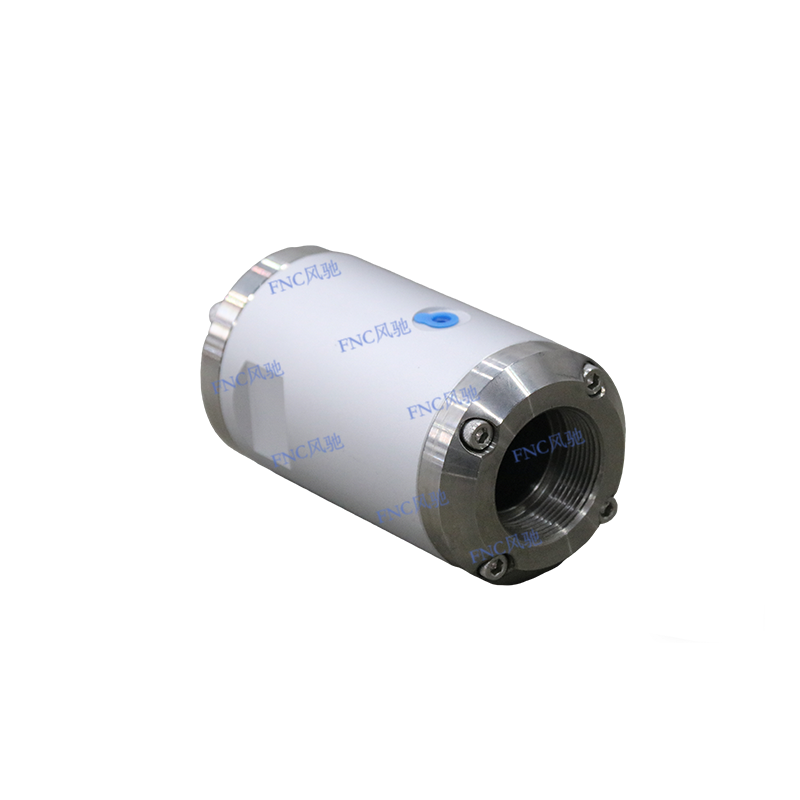
Air Operated pinch valves offer a unique and cost-effective solution for fluid control problems. The secret lies in the rubber valve sleeve - the onl...
See Details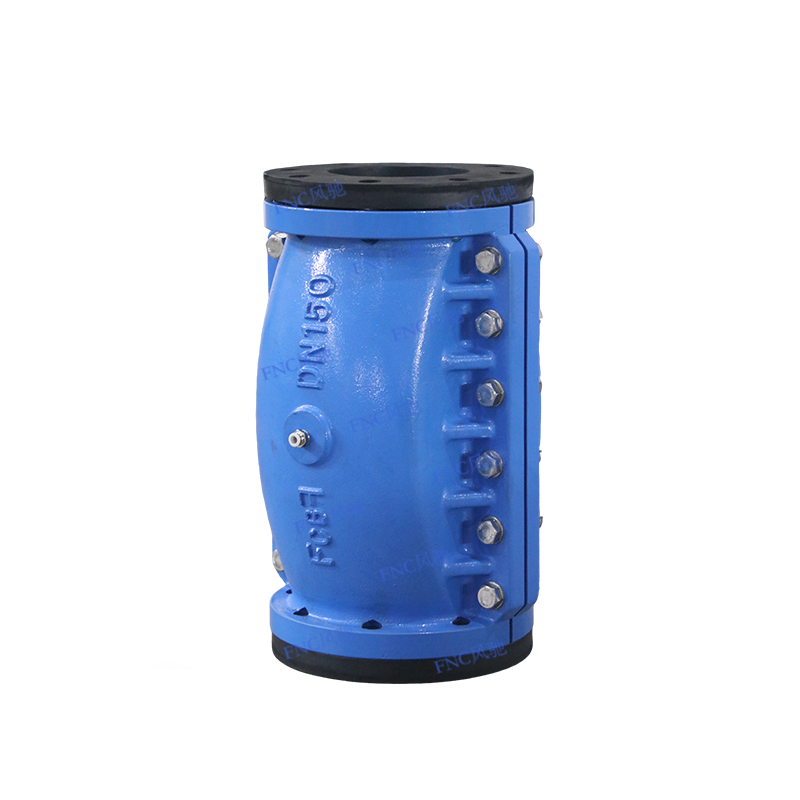
Air Operated pinch valves offer a unique and cost-effective solution for fluid control problems. The secret lies in the rubber valve sleeve - the onl...
See Details
Phone: +86-136 7173 4086

Tel: +86-563 5033 866

Email: red@pinchvalves.com.cn

Address:
