

 EN
EN

 English
 русский
 Español
Mini Air Operated Pinch Valves
Cat:Air Operated Pinch Valves
Air Operated pinch valves offer a unique and cost-effective solution for fluid control problems. The secret lies in the rubber valve sleeve - the onl...
See DetailsContent
In fluid control engineering, most valve types rely on mechanical components — gates, balls, plugs, or discs — that come into direct contact with the media flowing through the system. These internal parts are subject to wear, corrosion, and fouling, particularly when the media contains abrasive solids, aggressive chemicals, or viscous slurries. Air operated pinch valves take a fundamentally different approach. Rather than inserting a mechanical obstruction into the flow path, they use a flexible rubber sleeve as the only flow-through component. When pressurized air is introduced into the valve casing surrounding the sleeve, it compresses the sleeve from the outside, pinching it shut and stopping flow. When air pressure is released, the sleeve returns to its original open position under its own elasticity, restoring full bore flow without any mechanical parts ever touching the media.
This design philosophy gives air operated pinch valves a decisive advantage in applications where conventional valves fail prematurely or require prohibitively frequent maintenance. The absence of internal mechanical components means there are no seats to erode, no stems to corrode, and no cavities where media can accumulate and cause blockages. The result is a valve that is inherently self-cleaning, highly reliable, and exceptionally well-suited to demanding industrial environments.
The rubber valve sleeve is the defining engineering element of every air operated pinch valve. It is the only component that the process media ever contacts, which means the selection of sleeve material is the most critical decision in the valve specification process. The sleeve must be chemically compatible with the media, capable of withstanding operating temperatures, and flexible enough to complete many thousands of open-close cycles without fatigue cracking or permanent deformation.
The operating principle is straightforward but effective. Pressurized air — supplied from a standard compressed air line — is directed into the annular space between the outer valve casing and the rubber sleeve. As air pressure builds, it acts uniformly on the exterior surface of the sleeve, causing it to collapse inward from all sides simultaneously. This even, circumferential compression produces a complete and leak-tight seal across the full bore of the valve. Unlike gate valves or butterfly valves, which create a seal through linear or rotary mechanical contact, the pinch mechanism eliminates the turbulence, pressure drop, and partial-obstruction wear that those designs produce at intermediate positions.
When compressed air is exhausted from the casing — either by venting to atmosphere or by the control system switching state — the inherent elasticity of the rubber sleeve causes it to spring back to its fully open, cylindrical shape. This self-restoring action requires no return spring, no actuator reversal mechanism, and no external assistance, which simplifies the overall system design and reduces potential failure points.
Standard air operated pinch valves represent the most widely used configuration in industrial fluid control. They are designed for straightforward on/off service — fully open or fully closed — in applications where the primary requirements are reliable shutoff, low maintenance, and resistance to abrasive or corrosive media. The standard configuration consists of a rigid outer casing, typically manufactured from cast iron, carbon steel, or stainless steel, and a replaceable rubber sleeve that runs the full internal length of the valve body.
The casing serves two purposes: it provides the structural rigidity needed to contain the actuating air pressure, and it protects the rubber sleeve from external mechanical damage. Air inlet ports on the casing connect to the plant compressed air supply through a solenoid valve or manual control, allowing the valve to be integrated into automated process control systems with minimal complexity. Standard air operated pinch valves are available across a wide range of nominal bore sizes, typically from 10mm up to 400mm or larger for heavy industrial applications, and are rated for operating pressures that vary by sleeve material and casing design.
Key specification parameters for standard air operated pinch valves include:
Air operated pinch valves have established a strong presence across a broad range of industries precisely because their design advantages align with some of the most challenging fluid control scenarios in industrial processing. Any application involving media that would damage, clog, or corrode a conventional valve is a strong candidate for pinch valve technology.
Slurries containing coarse abrasive particles — ore concentrates, tailings, and process water loaded with fine solids — destroy conventional valve seats and seals rapidly. Air operated pinch valves handle these media with ease, as the abrasive particles pass through the smooth, unobstructed bore of the rubber sleeve without creating wear on any metal surface. The sleeve itself is the only wear component, and its replacement is straightforward and inexpensive compared to the cost of rebuilding a conventional valve assembly.
Wastewater and sewage streams contain fibrous materials, grit, and biological solids that jam and foul conventional valves. The full-bore, clog-resistant design of standard air operated pinch valves allows these materials to pass without obstruction. The pinch action also provides a wiping effect on closure, clearing the sealing zone of any trapped fibers or particles and ensuring a reliable shutoff every cycle.
Aggressive chemicals that attack metal valve internals are safely contained within the chemically resistant rubber sleeve. Pharmaceutical applications benefit from the hygienic, crevice-free bore of the sleeve, which prevents bacterial growth and simplifies cleaning validation. Silicone sleeves in particular meet FDA and USP Class VI requirements for direct contact with pharmaceutical media.
Viscous food products — sauces, purees, and dairy streams — flow through pinch valves without the pressure drops or flow restrictions that diaphragm or butterfly valves impose. The clean-in-place compatibility of food-grade rubber sleeves makes air operated pinch valves a practical and hygienic choice for food production lines.
Since the rubber sleeve is the only component in contact with process media, its material selection is the most consequential engineering decision in the specification of any air operated pinch valve. Using an incompatible sleeve material will result in rapid degradation, loss of sealing performance, and potential contamination of the process stream. The following table provides a practical guide to the most common sleeve materials and their appropriate applications:
| Sleeve Material | Temperature Range | Chemical Resistance | Typical Applications |
| Natural Rubber (NR) | -40°C to +70°C | Good abrasion resistance | Mining slurries, aggregates |
| EPDM | -40°C to +120°C | Excellent for steam and hot water | Wastewater, acids, alkalis |
| NBR (Nitrile) | -30°C to +100°C | Excellent oil and fuel resistance | Petroleum, oils, lubricants |
| Neoprene (CR) | -40°C to +100°C | Good weather and ozone resistance | Refrigerants, outdoor systems |
| Silicone | -60°C to +200°C | FDA/USP compliant | Pharmaceutical, food processing |
One of the most compelling practical arguments for air operated pinch valves — and standard air operated pinch valves in particular — is their low total cost of ownership over a full service life. The initial purchase price of a pinch valve is generally comparable to or lower than that of equivalent ball or butterfly valves designed for similar service conditions. But the real cost advantage emerges over time, through reduced maintenance expenditure and extended service intervals.
Installation is straightforward. Standard air operated pinch valves are inline devices that connect to standard flanged pipework, require only a compressed air supply connection, and can be wired into existing solenoid valve control circuits without modification. There is no requirement for special pipe supports, actuator brackets, or complex mounting hardware. Valve orientation is flexible — pinch valves can be installed horizontally, vertically, or at any angle without affecting performance, provided the actuating air connection remains accessible.
Maintenance of air operated pinch valves is limited almost entirely to periodic sleeve inspection and replacement. Because the sleeve is the only wear component, maintenance personnel do not need to disassemble the casing, replace seats, re-grind sealing faces, or repack stem seals. Sleeve replacement on most standard air operated pinch valves can be completed in under thirty minutes by a single technician with basic hand tools, significantly reducing maintenance downtime compared to conventional valve types. The cost of a replacement sleeve is a small fraction of the cost of a full valve assembly, making the long-term maintenance budget predictable and manageable.
When evaluating total cost of ownership for air operated pinch valves, the following factors consistently favor them over conventional alternatives:
For process engineers and procurement managers evaluating valve solutions for difficult media applications, air operated pinch valves — particularly standard air operated pinch valves in routine on/off service — consistently deliver the lowest combined cost of acquisition, operation, and maintenance. Their mechanical simplicity, material versatility, and inherent resistance to the failure modes that drive up costs in conventional valve installations make them one of the most reliable and cost-effective fluid control technologies available across the full range of modern industrial applications.
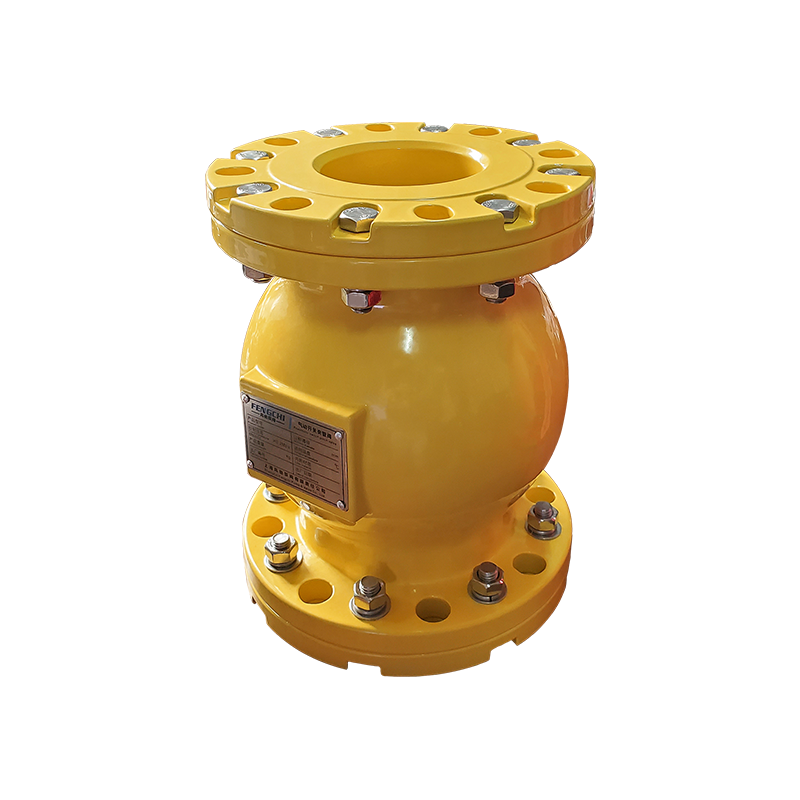
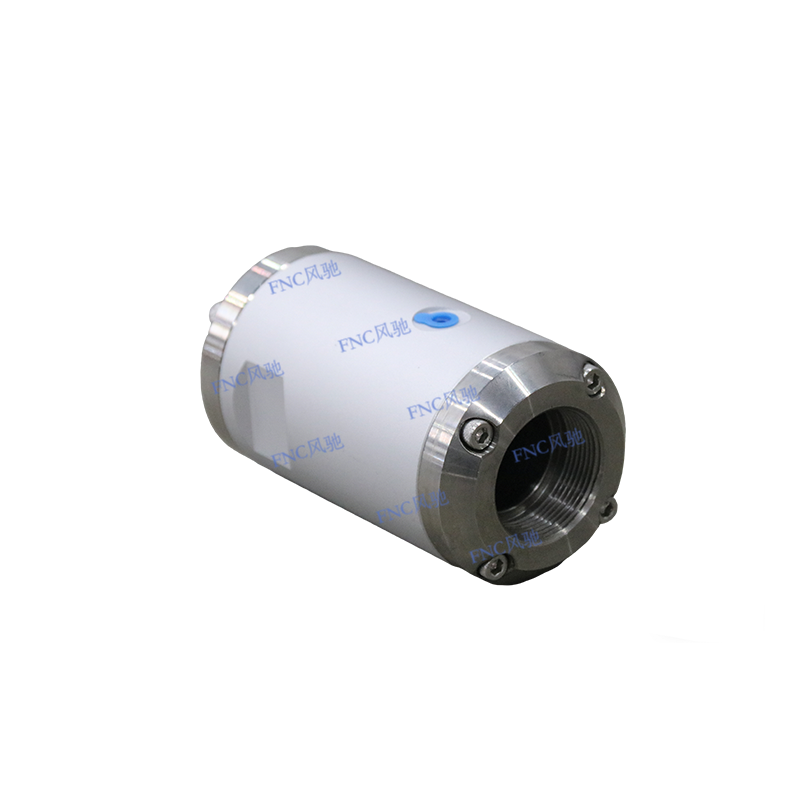
Air Operated pinch valves offer a unique and cost-effective solution for fluid control problems. The secret lies in the rubber valve sleeve - the onl...
See Details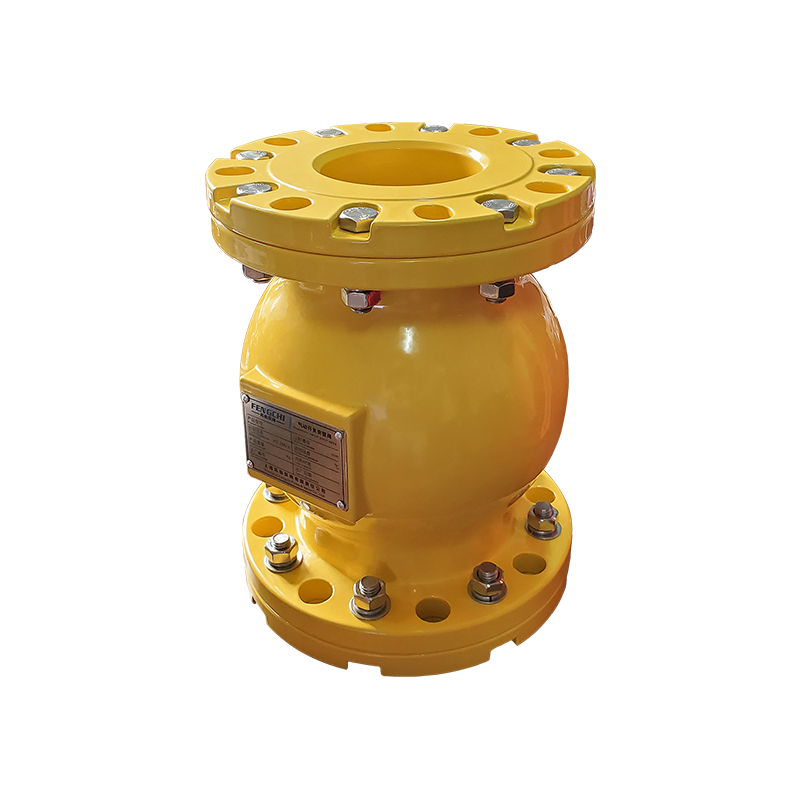
Air Operated pinch valves offer a unique and cost-effective solution for fluid control problems. The secret lies in the rubber valve sleeve - the onl...
See Details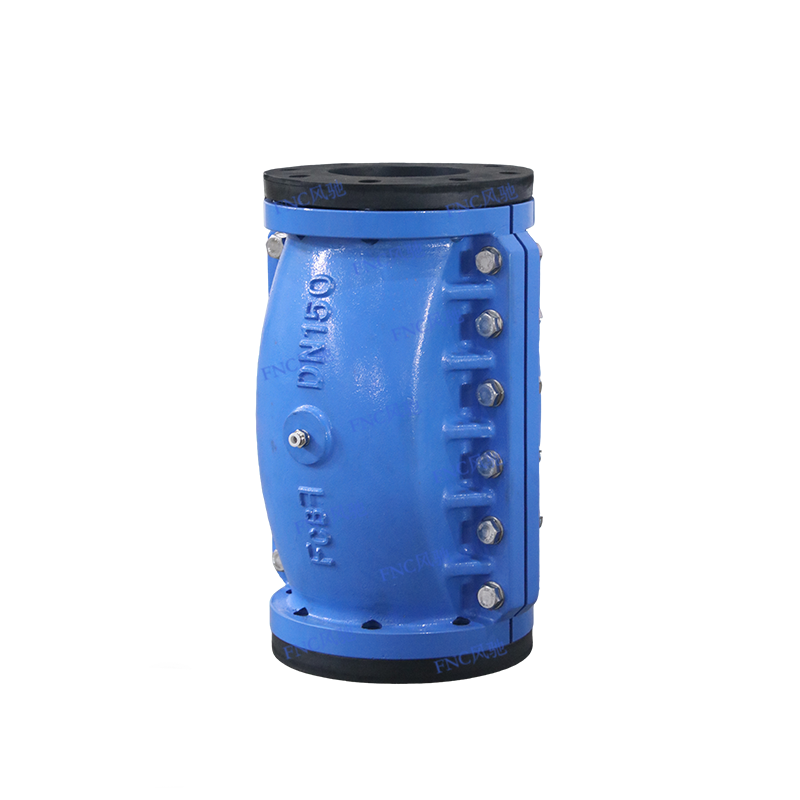
Air Operated pinch valves offer a unique and cost-effective solution for fluid control problems. The secret lies in the rubber valve sleeve - the onl...
See Details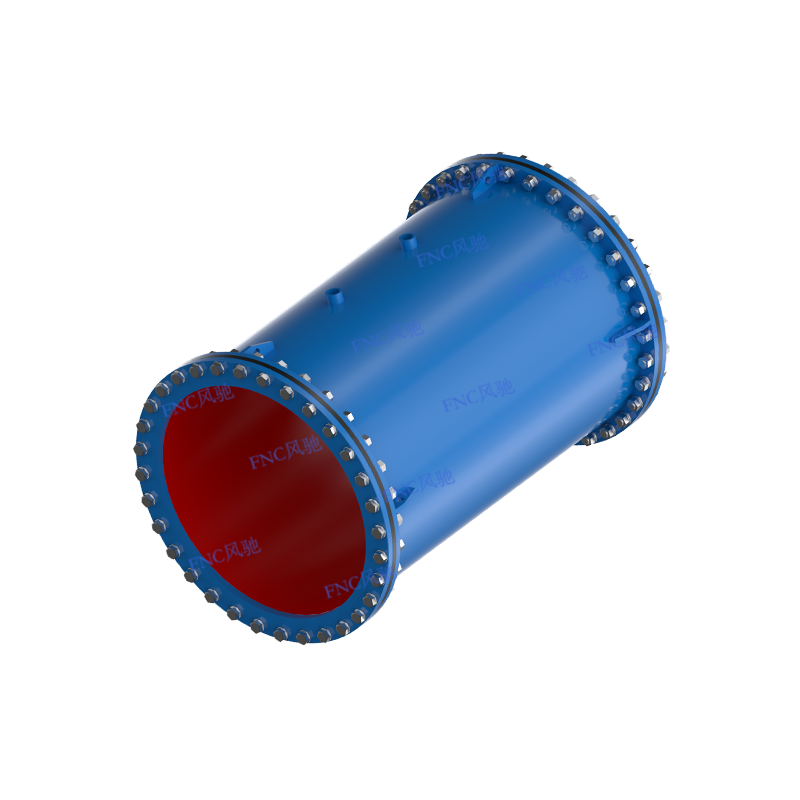
Air Operated pinch valves offer a unique and cost-effective solution for fluid control problems. The secret lies in the rubber valve sleeve - the onl...
See Details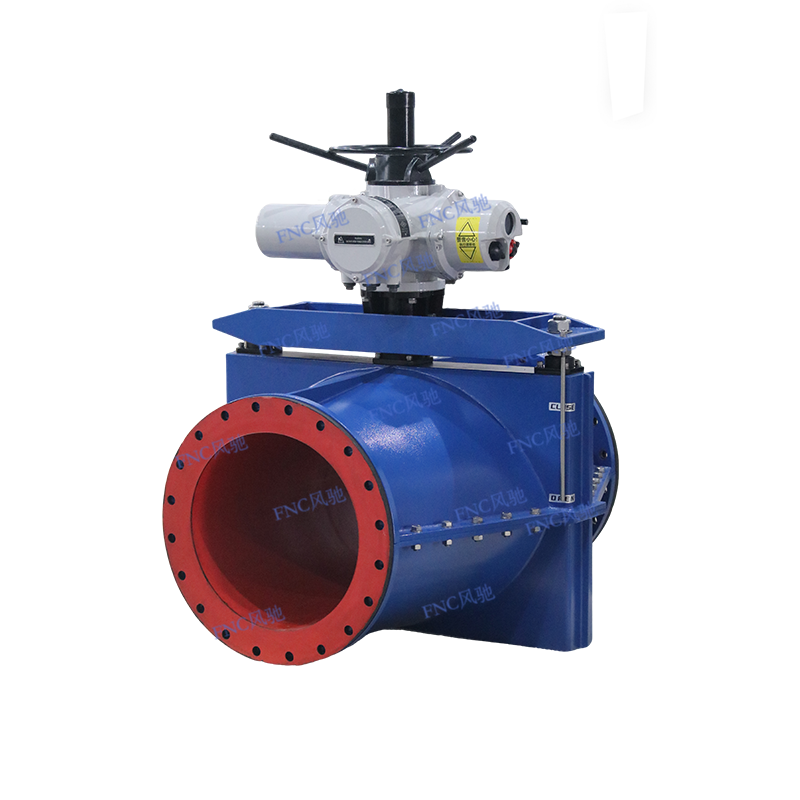
Compared to ordinary pinch valves, large-diameter pinch valves have much higher production requirements. As the “core component” of the pinch valve, t...
See Details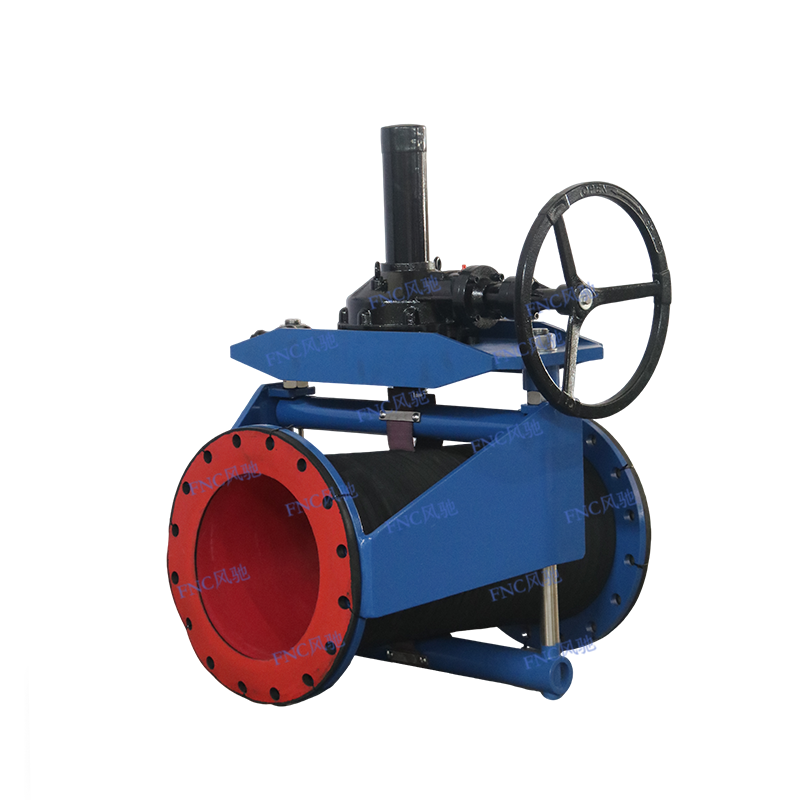
The operating principle of the FNC® enclosed pinch valve is straightforward. When in the open position, the valve provides a full-bore passage, allowi...
See Details
Phone: +86-136 7173 4086

Tel: +86-563 5033 866

Email: red@pinchvalves.com.cn

Address:
