

 EN
EN

 English
 русский
 Español
Standard Air Operated Pinch Valves
Cat:Air Operated Pinch Valves
Air Operated pinch valves offer a unique and cost-effective solution for fluid control problems. The secret lies in the rubber valve sleeve - the onl...
See DetailsTwo quotations for the same duty — a Class 300, NPS 8 dual-plate check valve on a tailings line — arrive 55 mm apart in face-to-face length. Both suppliers describe their product as "API 594". Only one of them drops into the existing spool piece without a cutting torch, a welder and a two-day shutdown.
That gap is the practical meaning of the standard. API 594 is an envelope specification: it fixes how a check valve must fit, how its pressure boundary must be built and how it must be tested. It says almost nothing about whether the valve will survive the fluid you are pumping, and buyers who confuse the two pay for the lesson in repeated replacements.
The short version
API 594 covers wafer, lug, double-flanged and butt-welding check valves in Classes 150 to 2500 and sets design, material, dimensional and test requirements. Face-to-face dimensions change with size, class and body style, and they have changed between editions. In abrasive slurry service the dual-plate check valve is often the wrong component for the duties around it, which is why rubber-sleeved pinch valves and slurry knife gate valves carry the isolation and control work instead.
Content
The full title of the document is Check Valves: Flanged, Lug, Wafer, and Butt-Welding. Read it as a piping-hardware specification rather than a performance promise.
Minimum wall thickness for pressure-containing parts, acceptable body patterns, and the option of a retainerless construction — no retainer plug penetrating the body wall, which removes one leak path on a line you cannot easily isolate.
Tabulated by pressure class from 150 to 2500. Older editions distinguish Type A from Type B layouts, and the longer envelope exists so that lug and double-flanged bodies can carry full bolt holes. Matching an existing spool means confirming the edition, not just the class.
Carbon steel and stainless grades form the baseline. Plate, hinge-pin and spring materials decide how the valve behaves under corrosion and high cycling. Sour service adds hardness and chemistry limits that the standard itself does not set.
Shell and seat tests follow API 598, with the leakage class chosen by the purchaser. A certificate that names the standard is not the same thing as a test report that names a result.
The consequence is easy to state and easy to forget: two valves can both be fully compliant and still differ by 50 mm in length, by plate material, by spring rate and by leakage class. The standard narrows the field. It does not make the decision.
The four body styles are not interchangeable, and the difference shows up on the day something has to come out of the line.
The retrofit case is usually where the choice turns. If the valve sits between two fixed flange faces with 20 mm of clearance, only a wafer envelope will fit, and that constraint will often override a preference for the more serviceable double-flanged design.
Sales literature for dual-plate valves leads with weight and face-to-face length. Field experience puts the emphasis somewhere else, and the comparison below shows why "smaller is better" is only half the story.
Indicative index with a conventional swing check valve set at 100. Lower is better for space, weight and cost; higher is better for solids tolerance and serviceability.
Cracking pressure is the number that rarely appears on a datasheet. A dual-plate valve opens on a very small differential, which keeps pump energy consumption low and softens water hammer because the plates close over a short stroke. The same geometry, however, leaves a narrow gap between plate and seat where a slurry particle can lodge.
In tailings and concentrate lines the outcome is predictable: plates that no longer seat flush, springs that fatigue, and a valve that either leaks backwards or chatters. That is why mining operators increasingly split the duties. Keep a check valve where the fluid is clean and low in solids, and move the abrasive work to a valve whose sealing element is squeezed rather than seated.
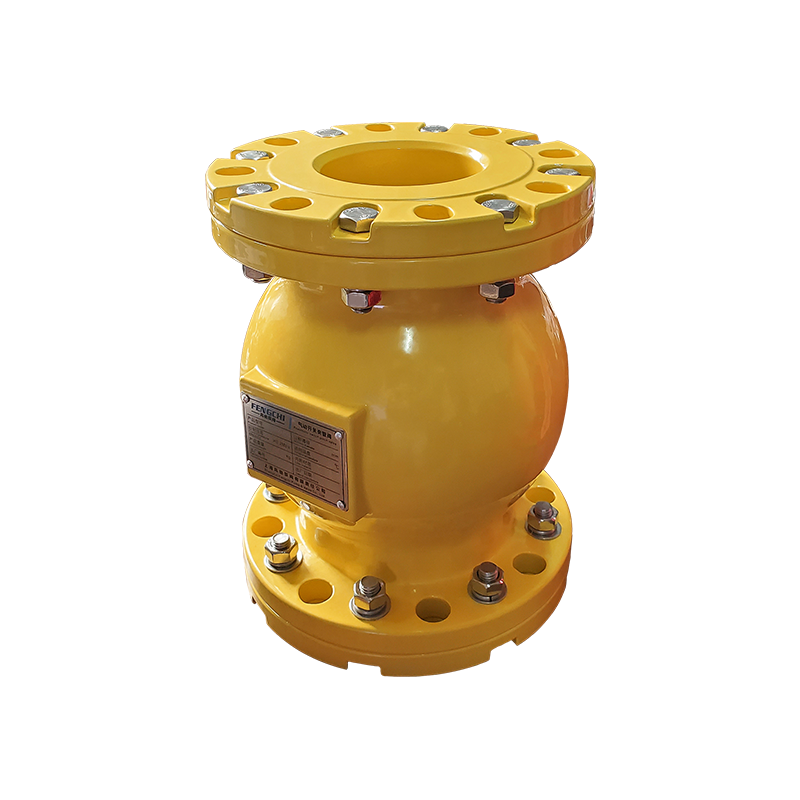 Standard Air Operated Pinch Valve for Abrasive Slurry ControlFor abrasive slurries in mining, this air-operated pinch valve uses a rubber sleeve that squeezes shut for zero-leakage closure even with residual particles.View Product →
Across the installed base, dual-plate check valves built to this standard cluster in five areas. The shares below are approximate and move with the project cycle, but the ranking is stable.
The last slice is small, and it generates the most replacement work per valve. In mining and tailings duty, solids content, particle shape and cycling frequency all work against a metal-seated disc. Operators who have already paid for two or three rebuilds tend to choose differently the next time, putting an isolation valve with a rubber sleeve or a heavy slurry gate at the wear point. A structured walk-through of that decision sits in our slurry knife gate valve selection guide.
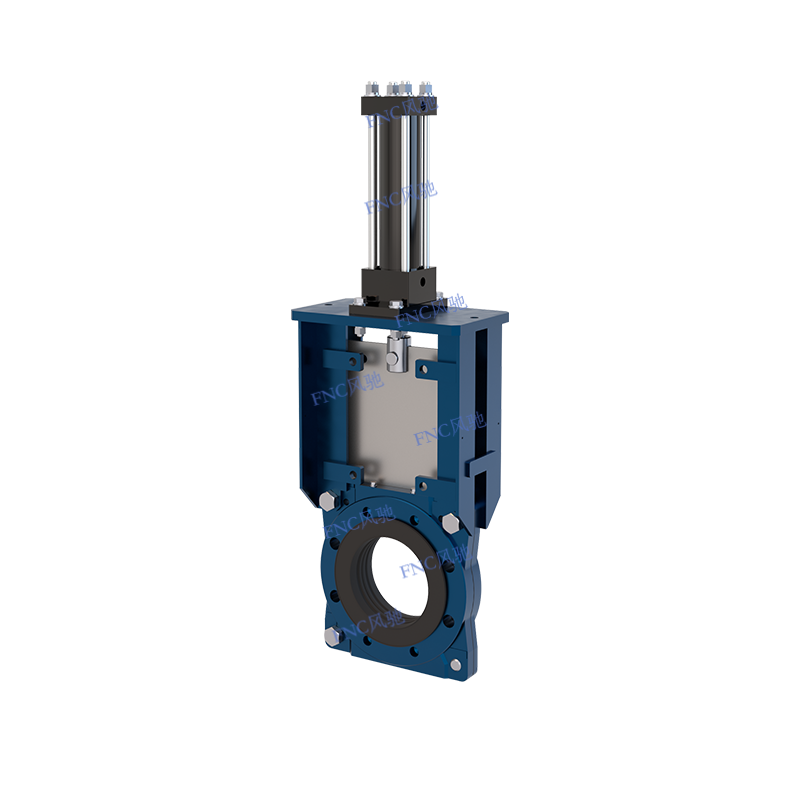 KGV-D Slurry Knife Gate Valve for Mining and TailingsFor abrasive mining slurries, this knife gate valve's shearing gate removes debris, offering a wear-resistant alternative to metal-seated valves.View Product →
Most failed purchases trace back to a step that was skipped rather than to a bad product.
Fluid, solids content and particle size, pH, temperature, design and surge pressure, and cycles per hour. Without this, every later decision is a guess.
NPS, pressure class, the face-to-face value with the edition named, flange standard and bolt pattern. This is the step that prevents the 55 mm surprise.
Wafer where clearance is tight, double-flanged where maintenance access matters, butt-weld where joints must be permanent. Match plate, pin and spring material to the fluid.
A retainerless body removes a wall penetration and suits critical lines that are hard to isolate. Retained designs are cheaper to repair in a workshop.
API 598 test report, material certificates, hardness results for sour service, and a name and number for spare parts.
Total cost of ownership usually settles the argument faster than technical preference. A cheap wafer valve that costs one shift of lost production to replace is not cheap. A higher-class, serviceable valve that comes out in half an hour with a torque wrench often pays for itself inside a single maintenance window.
Documentation is what separates a valve that can be defended in a quality review from one that cannot.
On abrasive duty the variable that matters is sleeve life, not valve life, and it is worth buying from a supplier who controls the rubber rather than reselling it. Anhui Fengchi Pump Valve Manufacturing Co., Ltd. compounds, cures and tests its own rubber sleeves in house, which is the component that decides how many tonnes of slurry a valve will pass before it needs attention.
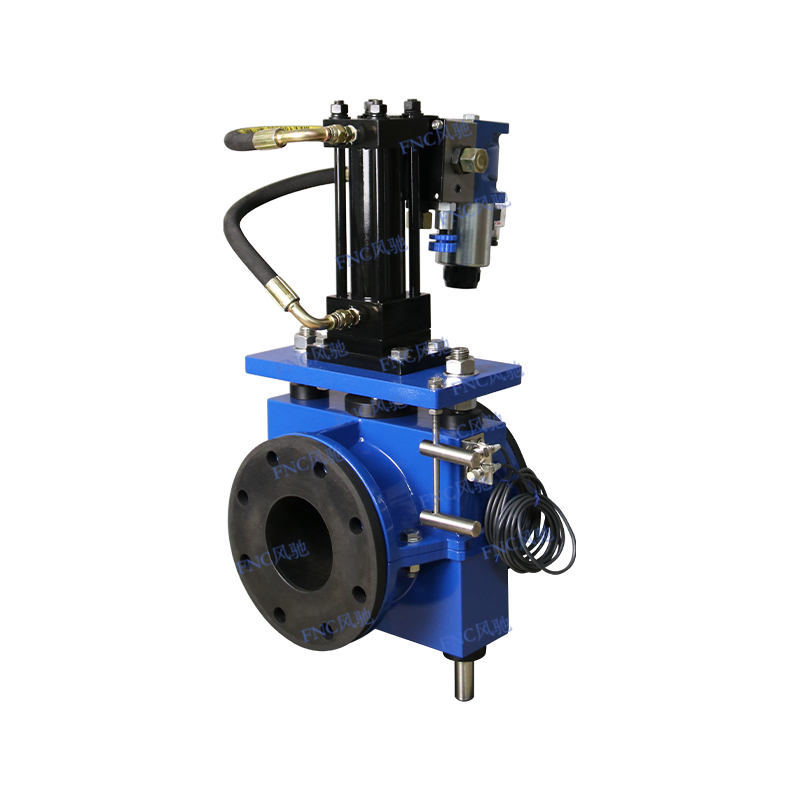 Closed Body Pinch Valve with In-House Rubber SleevesWith sleeve life critical in abrasive duty, this enclosed pinch valve features a self-cleaning rubber sleeve and in-house manufacturing for longer service.View Product →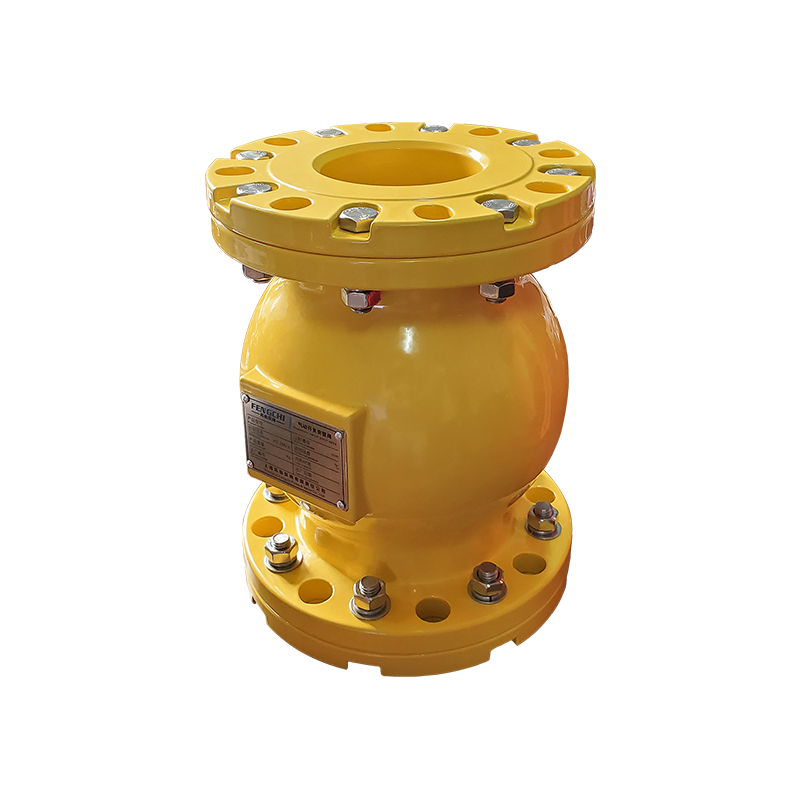
Air Operated pinch valves offer a unique and cost-effective solution for fluid control problems. The secret lies in the rubber valve sleeve - the onl...
See Details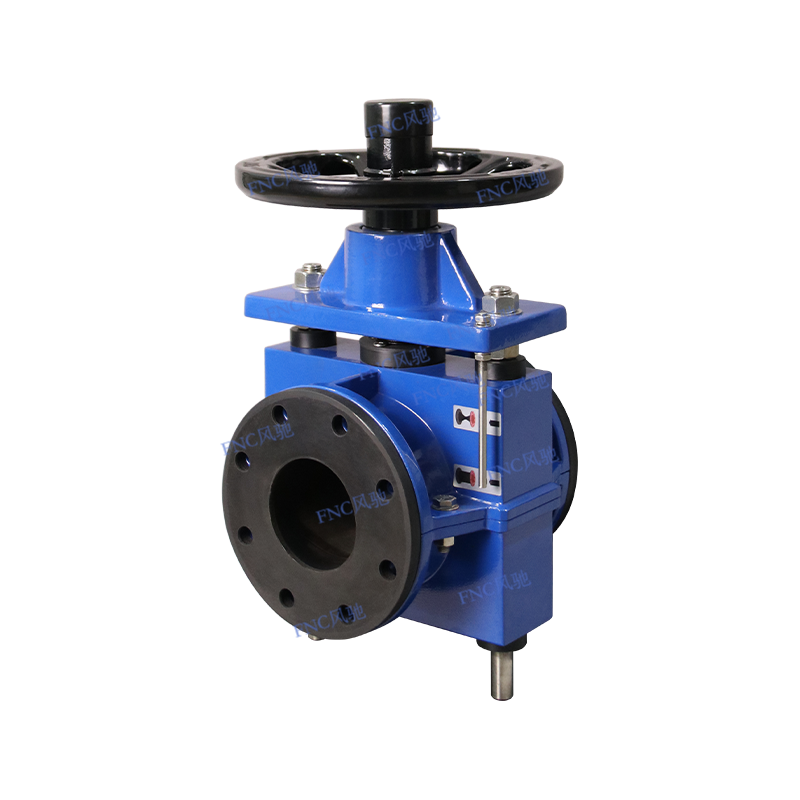
The operating principle of the FNC® enclosed pinch valve is straightforward. When in the open position, the valve provides a full-bore passage, allowi...
See Details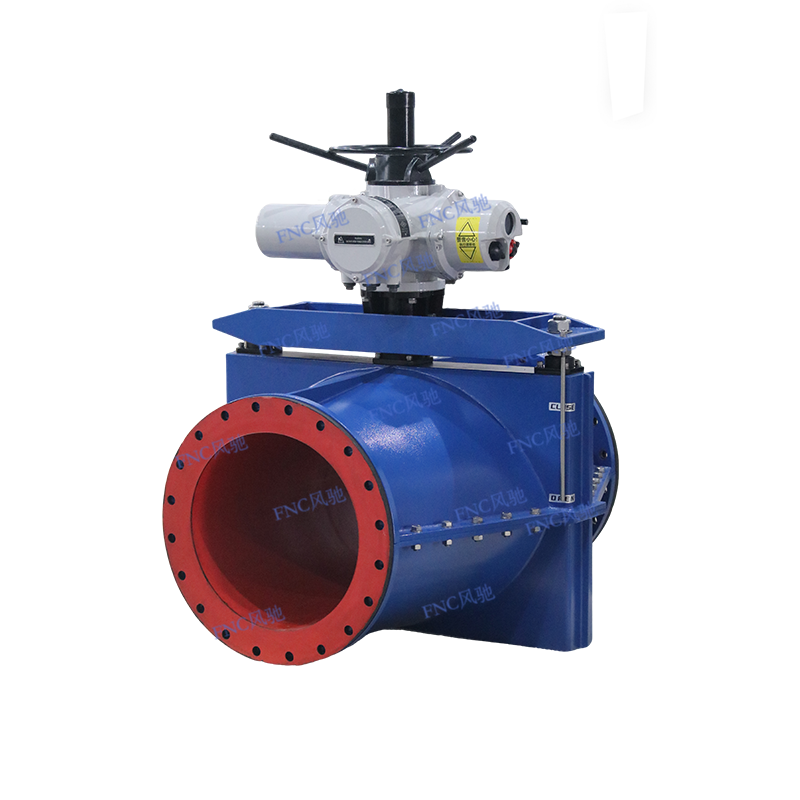
Compared to ordinary pinch valves, large-diameter pinch valves have much higher production requirements. As the “core component” of the pinch valve, t...
See Details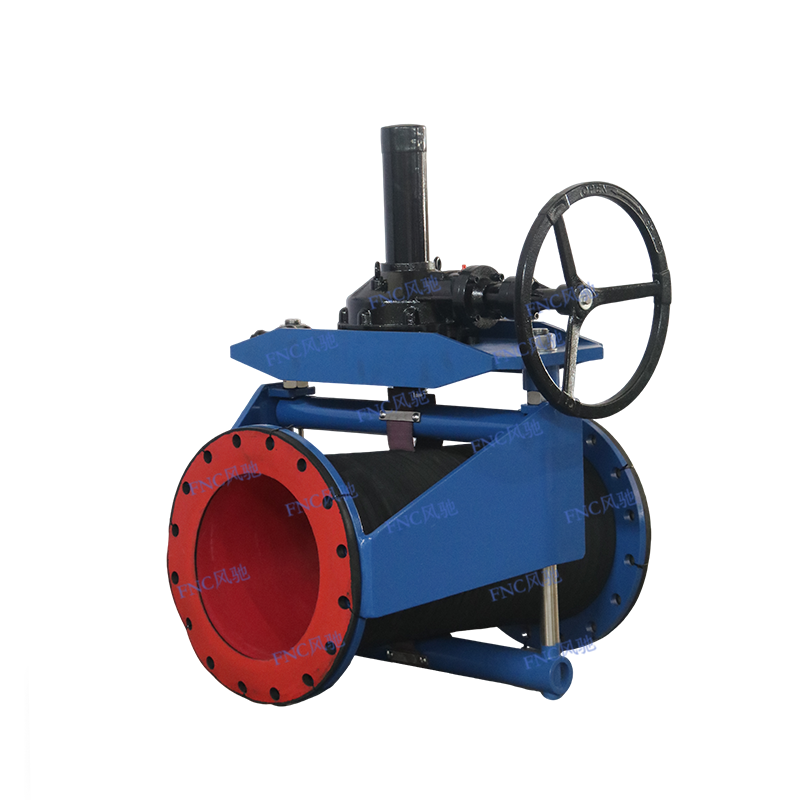
The operating principle of the FNC® enclosed pinch valve is straightforward. When in the open position, the valve provides a full-bore passage, allowi...
See Details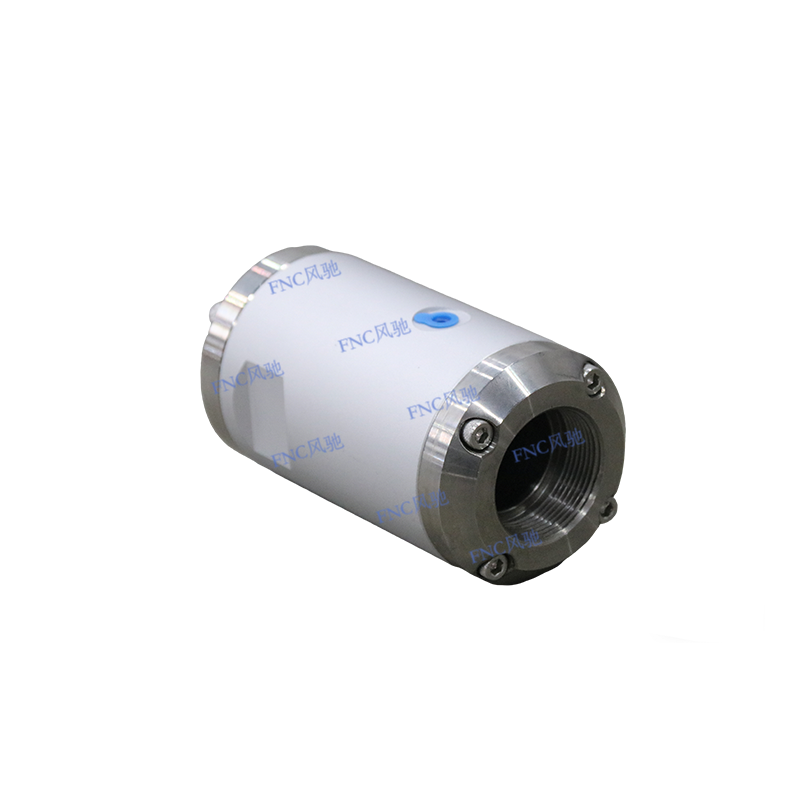
Air Operated pinch valves offer a unique and cost-effective solution for fluid control problems. The secret lies in the rubber valve sleeve - the onl...
See Details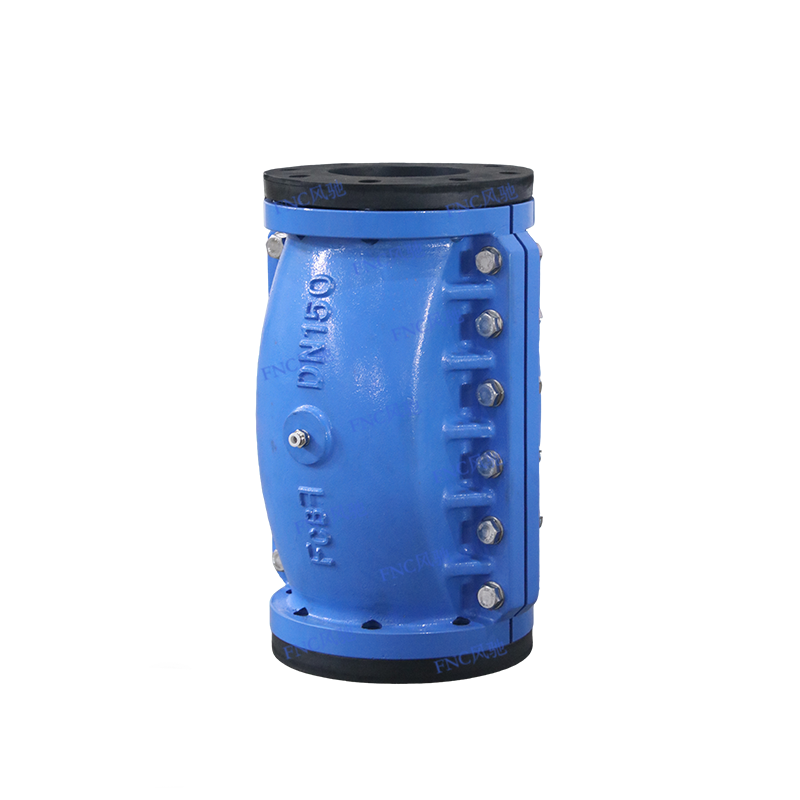
Air Operated pinch valves offer a unique and cost-effective solution for fluid control problems. The secret lies in the rubber valve sleeve - the onl...
See Details
Phone: +86-136 7173 4086

Tel: +86-563 5033 866

Email: red@pinchvalves.com.cn

Address:
