

 EN
EN

 English
 русский
 Español
Standard Air Operated Pinch Valves
Cat:Air Operated Pinch Valves
Air Operated pinch valves offer a unique and cost-effective solution for fluid control problems. The secret lies in the rubber valve sleeve - the onl...
See DetailsContent
Standard air operated pinch valves represent a streamlined approach to industrial fluid management, eliminating the complexity and cost associated with traditional valve designs. By utilizing a single rubber sleeve as the only wetted part, these valves offer zero leakage risk and minimal maintenance requirements. The integrated drive mechanism uses pressurized air to clamp the sleeve, providing reliable on/off or throttling control without the need for separate actuators, stems, or packing glands that are prone to failure in abrasive or corrosive environments.
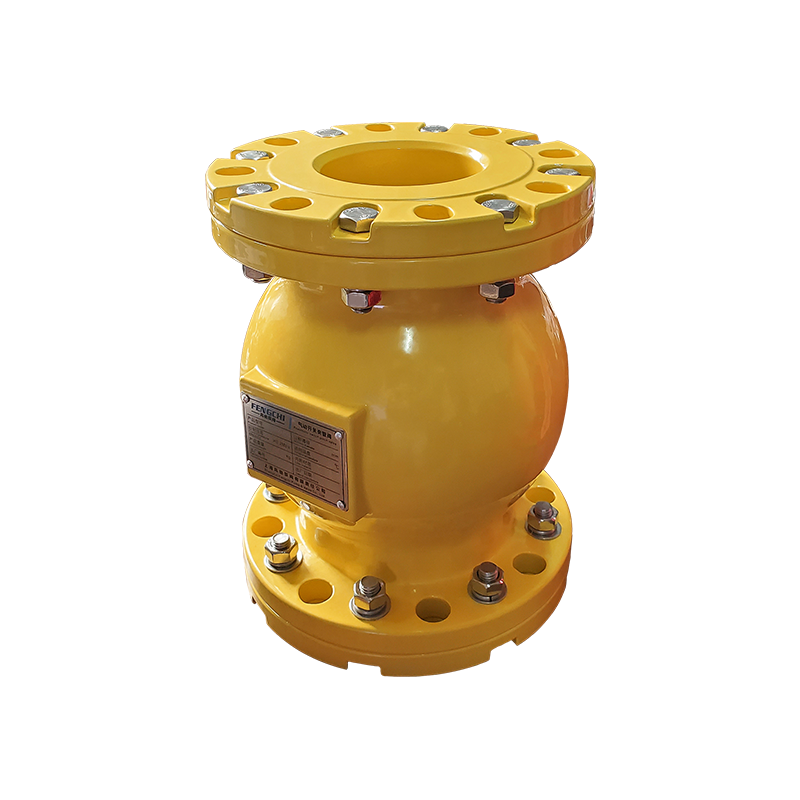
The core innovation of the air operated pinch valve lies in its simplicity. The valve body serves as both the housing and the actuator, creating an annular space between the outer casing and the inner rubber sleeve. When air pressure is applied to this space, the sleeve collapses inward, pinching off the flow path. Releasing the pressure allows the elastic memory of the rubber to return the sleeve to its open position.
Unlike globe or ball valves that require expensive pneumatic, hydraulic, or electric actuators to move a stem or disc, the pinch valve’s body is the actuator. This design reduces the total number of components by up to 50%, significantly lowering initial procurement costs and simplifying inventory management for maintenance teams. The absence of moving mechanical parts also means there are no seals to leak around a stem, a common failure point in traditional valves handling hazardous fluids.
The performance of a standard air operated pinch valve is largely determined by the elastomer used for the sleeve. Manufacturers offer a variety of materials to suit specific chemical and temperature requirements:
For industries dealing with slurries, powders, or corrosive liquids, the total cost of ownership is a critical factor. Standard air operated pinch valves excel in this regard by minimizing downtime and replacement costs. The following table compares key maintenance aspects against traditional valve types.
| Feature | Air Operated Pinch Valve | Traditional Globe/Ball Valve |
|---|---|---|
| Wetted Parts | Single rubber sleeve | Body, seat, disc/ball, stem, multiple seals |
| Clogging Risk | None (full bore when open) | High in cavities around seats and discs |
| Replacement Time | Under 5 minutes | 30–60 minutes or more |
| Actuator Requirement | Integrated (none needed) | Separate pneumatic/electric unit required |
The unique characteristics of standard air operated pinch valves make them particularly suited for challenging industrial processes where reliability is paramount. In mining and mineral processing, they handle abrasive slurries containing sand, ore, and tailings without wearing out internal metal components. The full-bore design ensures that solids pass through freely, preventing the blockages that frequently plague gate and diaphragm valves.
In wastewater treatment plants, these valves manage sludge, lime slurries, and chemically aggressive effluents. The ability to select specific elastomers like EPDM or Viton ensures long-term resistance to pH extremes and oxidizing agents. Furthermore, in the food and beverage industry, FDA-approved sleeves allow for hygienic processing of viscous products like chocolate, dough, and fruit purees, where cleanability and contamination prevention are critical.
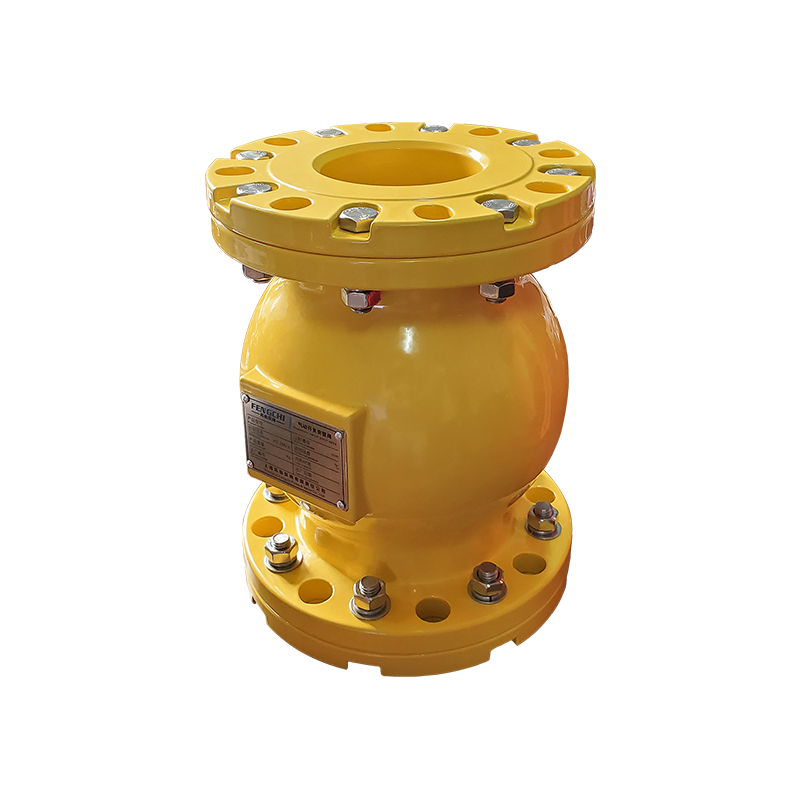
Air Operated pinch valves offer a unique and cost-effective solution for fluid control problems. The secret lies in the rubber valve sleeve - the onl...
See Details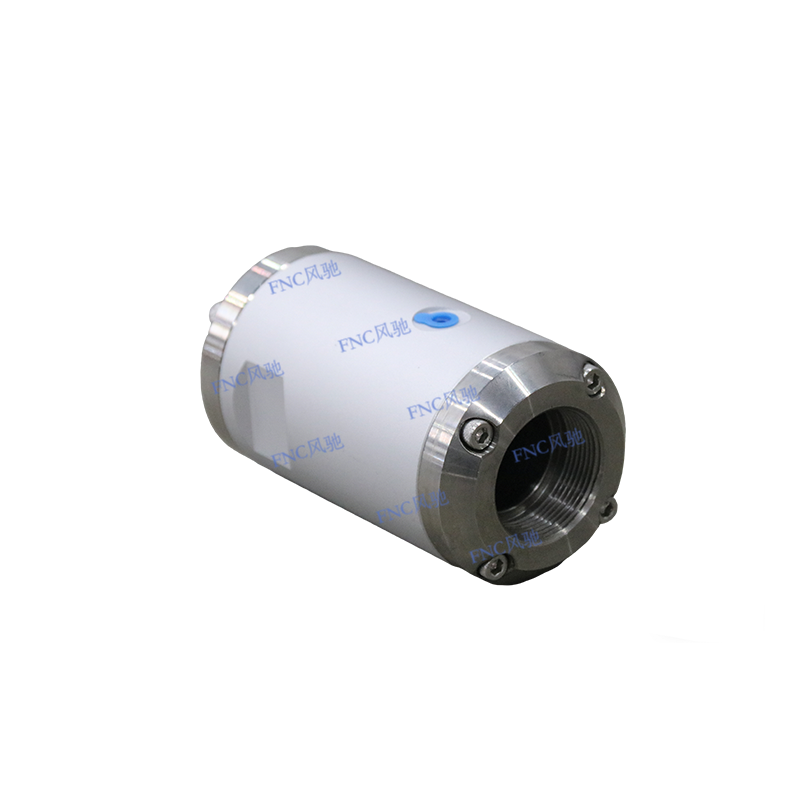
Air Operated pinch valves offer a unique and cost-effective solution for fluid control problems. The secret lies in the rubber valve sleeve - the onl...
See Details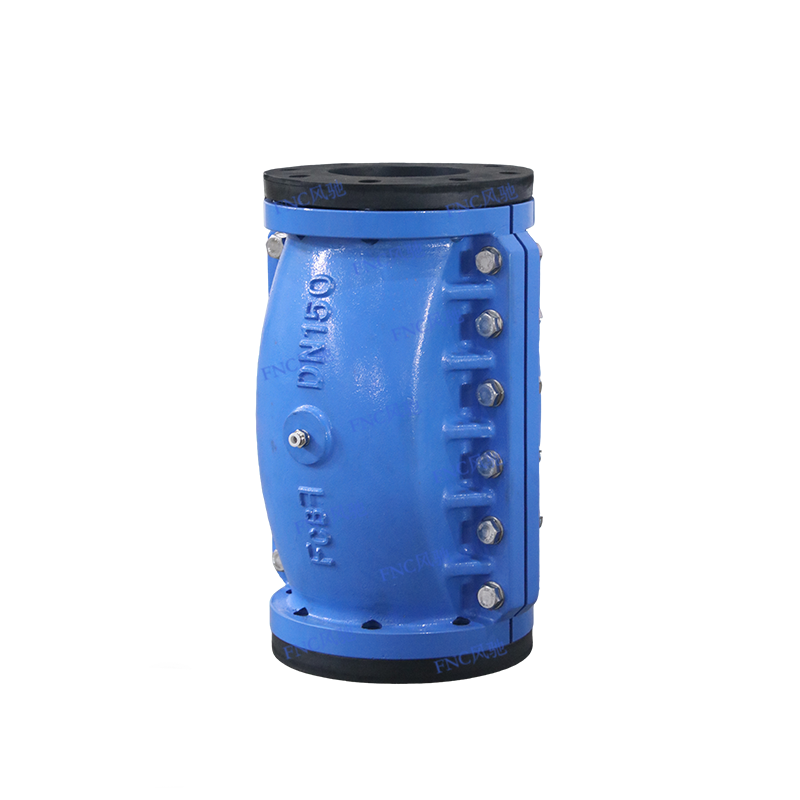
Air Operated pinch valves offer a unique and cost-effective solution for fluid control problems. The secret lies in the rubber valve sleeve - the onl...
See Details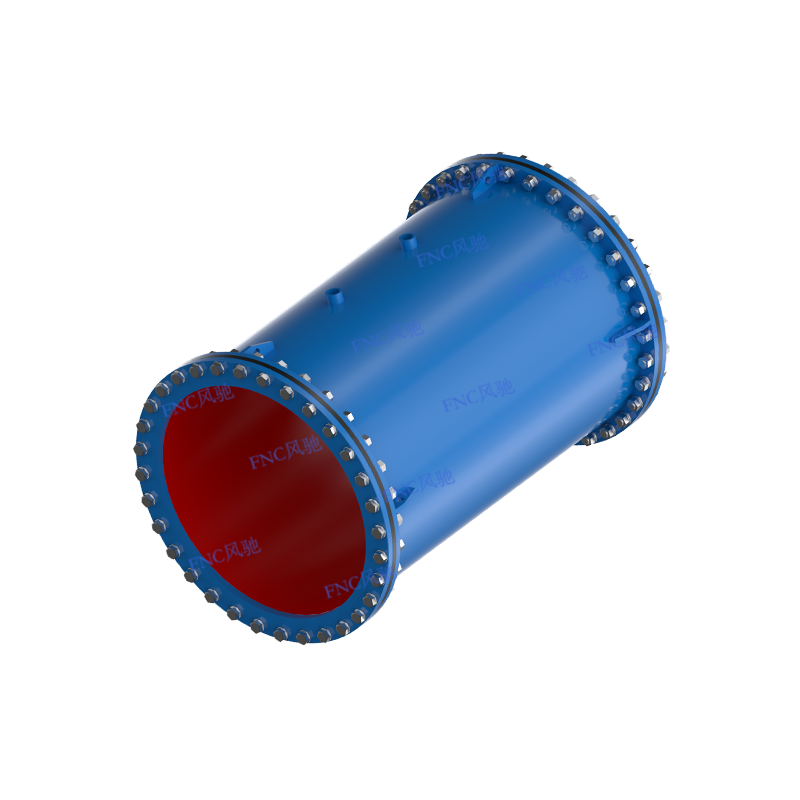
Air Operated pinch valves offer a unique and cost-effective solution for fluid control problems. The secret lies in the rubber valve sleeve - the onl...
See Details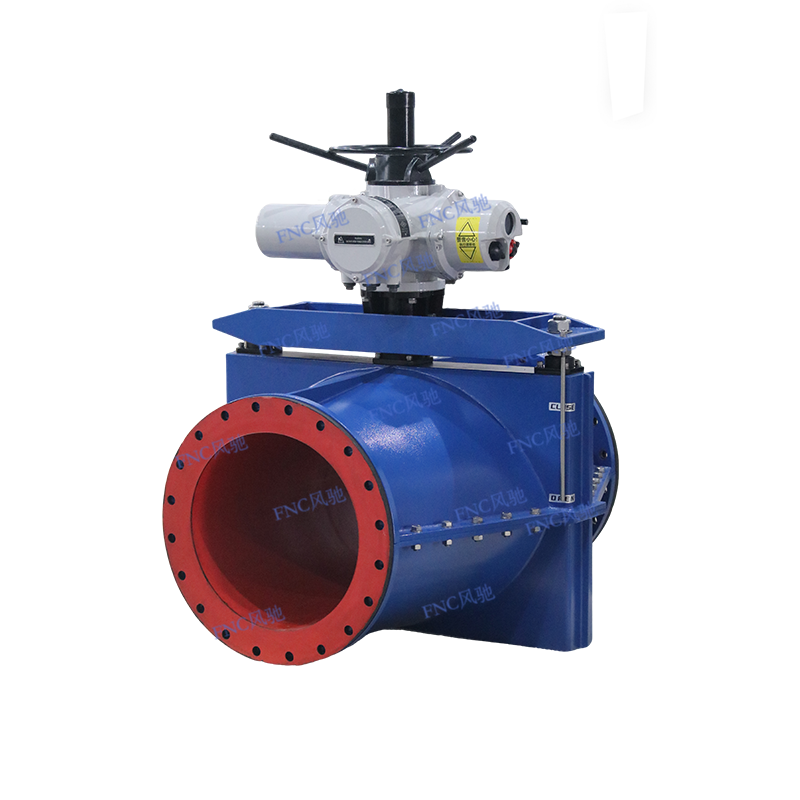
Compared to ordinary pinch valves, large-diameter pinch valves have much higher production requirements. As the “core component” of the pinch valve, t...
See Details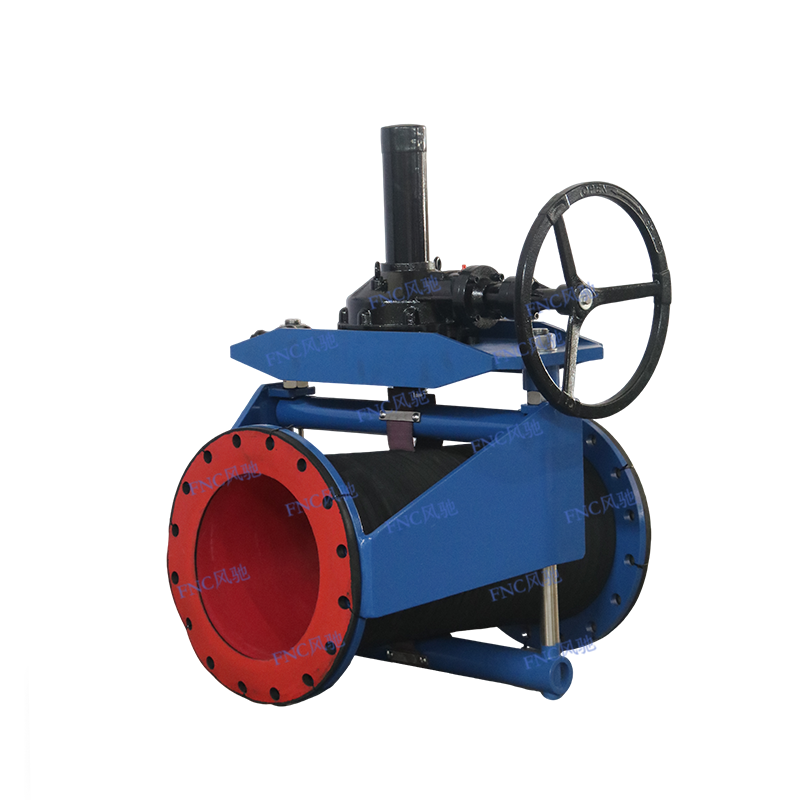
The operating principle of the FNC® enclosed pinch valve is straightforward. When in the open position, the valve provides a full-bore passage, allowi...
See Details
Phone: +86-136 7173 4086

Tel: +86-563 5033 866

Email: red@pinchvalves.com.cn

Address:
