

 EN
EN

 English
 русский
 Español
Closed Body Pinch Valve
Cat:Pinch Valves
The operating principle of the FNC® enclosed pinch valve is straightforward. When in the open position, the valve provides a full-bore passage, allowi...
See DetailsContent
Closed body pinch valves achieve full-bore flow with zero obstruction in the open position and self-cleaning closure through elastic sleeve compression, making them the optimal isolation solution for slurries, powders, and crystallizing fluids where traditional gate, ball, or butterfly valves suffer from seat erosion, packing leakage, and internal fouling. Unlike metal-seated valves that rely on precise machining tolerances and lubricated stem seals, the closed body pinch valve isolates the process medium entirely within an elastomeric sleeve—there are no stuffing boxes, no gland packings, and no metal components exposed to the flow stream. This fundamental design difference eliminates the three most common failure modes in abrasive service: seat scoring from particle impingement, stem seizure from crystalline buildup, and packing extrusion from pressure spikes. When a 6-inch closed body pinch valve opens, the sleeve retracts fully against the valve body wall, presenting a smooth cylindrical bore with a pressure loss coefficient (K-value) typically below 0.3—comparable to a straight pipe section and significantly lower than the K-value of 2.5–4.0 for an equivalent butterfly valve with a central disc obstruction.
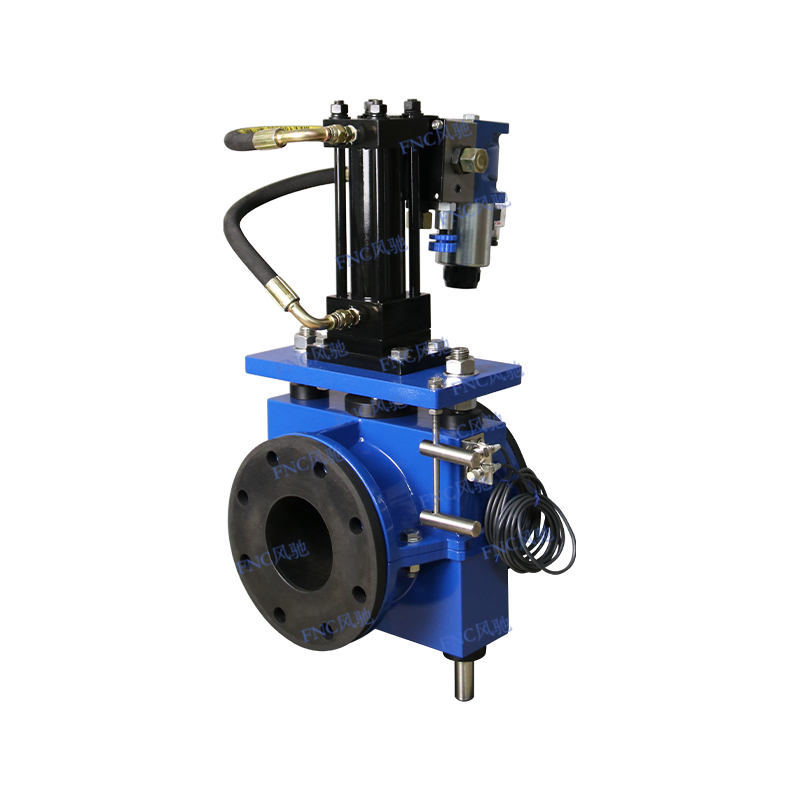
In the fully open position, a closed body pinch valve offers an unobstructed flow path with a cross-sectional area equal to the nominal pipe diameter. This is not merely a marketing claim but a measurable hydraulic advantage. Computational fluid dynamics (CFD) studies on DN150 (6-inch) closed body pinch valves show a turbulence intensity of less than 3% at velocities up to 5 m/s, compared to 12–18% turbulence intensity downstream of a conventional gate valve where the seat recess creates flow separation vortices. The practical consequence is reduced energy consumption: a pumping system operating at 500 m³/h through a closed body pinch valve requires approximately 8–12% less motor power than the same system with a partially obstructing butterfly valve, translating to annual electricity savings of $1,200–$2,800 for continuous-duty installations at $0.12/kWh. For mining slurry pipelines where pumps represent 35–45% of total operational energy, this efficiency gain compounds across hundreds of valves in a single concentrator plant.
The elastomeric sleeve is the only wetted component in a closed body pinch valve, which means material selection determines the entire service life of the valve. Natural rubber (NR) sleeves provide excellent resilience and abrasion resistance for mineral slurries with particle hardness below 6 Mohs, achieving service lives of 18–36 months in iron ore tailings applications where quartz content is minimal. For phosphate or bauxite slurries containing sharp silica particles, nitrile-butadiene rubber (NBR) with a Shore A hardness of 65–75 offers superior tear resistance, extending sleeve replacement intervals to 24–48 months depending on solids concentration and velocity. In chemical processing environments, ethylene propylene diene monomer (EPDM) sleeves withstand pH ranges from 2 to 12 and temperatures up to 130°C, making them suitable for acid leaching circuits and caustic scrubbing systems. For extreme chemical resistance, fluorocarbon (FKM/Viton®) sleeves handle concentrated sulfuric acid (up to 98%) and aromatic hydrocarbons at temperatures reaching 200°C, though at a cost premium of 3–4 times over standard NBR.
Standard unreinforced elastomer sleeves in closed body pinch valves are rated for working pressures up to 6 bar (87 psi), but reinforced designs with embedded textile or wire braiding extend this to 16 bar (232 psi) or higher. The reinforcement layer—typically polyester fabric or high-tensile steel wire—is encapsulated within the elastomer matrix during molding, creating a composite structure that resists radial expansion under internal pressure while maintaining the axial flexibility required for pinch closure. In pneumatic conveying systems operating at 8–10 bar, reinforced sleeves prevent the "ballooning" failure mode where unreinforced elastomers extrude into the body cavity, causing permanent deformation and loss of sealing capability. The table below summarizes sleeve specifications for common industrial applications.
| Sleeve Material | Max Temperature | Max Pressure | Abrasion Resistance | Typical Application |
|---|---|---|---|---|
| Natural Rubber (NR) | 80°C | 6 bar | Excellent | Mining slurry, sand handling |
| NBR (Nitrile) | 100°C | 10 bar | Very Good | Oil slurry, hydraulic fluids |
| EPDM | 130°C | 8 bar | Good | Chemical processing, water treatment |
| FKM (Viton®) | 200°C | 16 bar | Moderate | Concentrated acids, aromatics |
| Polyurethane (PU) | 70°C | 6 bar | Superior | Coarse abrasive, high-velocity slurry |
One of the most distinctive operational advantages of closed body pinch valves is their inherent self-cleaning capability during the closure cycle. When crystalline solids—such as gypsum from flue gas desulfurization, salt from brine evaporation, or lime from water softening—accumulate on the interior sleeve wall, conventional valves experience progressive bore restriction and eventual seizure. In a closed body pinch valve, the closure action compresses the sleeve along its centerline with a force of 15–25 kN per linear meter of sleeve length, generating localized surface strains of 40–60% that fracture brittle crystal deposits. As the valve reopens, the elastic rebound of the sleeve ejects the dislodged particles into the flow stream, where they are carried away rather than remaining trapped in crevices. This mechanism is particularly valuable in FGD (flue gas desulfurization) systems where calcium sulfite scaling rates of 2–5 mm per month would render a ball valve inoperable within 90 days, whereas a closed body pinch valve with an EPDM sleeve operates maintenance-free for 12–18 months in the same service.
Field data from a European cement plant illustrates the maintenance differential: in a pneumatic conveying line handling raw meal powder with 15% moisture content, knife gate valves required manual cleaning every 14 days due to material packing in the seat cavity, butterfly valves needed seal replacement every 8 weeks from abrasive wear, and closed body pinch valves achieved uninterrupted operation for 22 months before sleeve replacement. The total cost of ownership over three years favored the pinch valve by 62% when accounting for labor, spare parts, and production downtime. For crystallizing applications such as alumina processing, where sodium aluminate precipitates at temperatures below 60°C, closed body pinch valves with NBR sleeves have demonstrated mean time between maintenance (MTBM) of 8,500 operating hours, compared to 1,200 hours for diaphragm valves whose weir and seat geometries trap crystals in dead zones.
Closed body pinch valves accommodate a range of actuation technologies, from manual handwheels for isolation duties to precision pneumatic and hydraulic systems for modulating control. Pneumatic actuation is the most common configuration in process industries: a 4–6 bar air supply acting on the annular space between the valve body and sleeve creates uniform radial compression. For on/off service, a spring-return pneumatic actuator achieves full closure in 0.5–1.2 seconds for DN50 valves and 1.5–3.0 seconds for DN300 valves—fast enough for emergency isolation in bulk solids handling but gentle enough to avoid water hammer in liquid pipelines. For throttling applications, a positioner-controlled pneumatic actuator modulates sleeve compression between 10% and 90% of full stroke, providing linear flow characteristics with a rangeability of 25:1—superior to the 15:1 typical of characterized butterfly valves but inferior to the 50:1 of globe valves. The key limitation is that sustained throttling at partial closure accelerates sleeve wear: operating a closed body pinch valve at 50% open for more than 30% of duty cycle reduces sleeve life by approximately 40% compared to on/off cycling.
In high-pressure slurry pipelines operating above 10 bar, pneumatic actuators may lack the force to achieve complete sleeve compression against the hydrostatic load. Hydraulic actuation systems operating at 80–120 bar deliver closure forces of 50–200 kN, ensuring bubble-tight shutoff even with reinforced sleeves and back pressures up to 16 bar. Fail-safe configurations store hydraulic energy in accumulators that automatically close the valve upon loss of power or control signal—a critical safety feature in tailings dam discharge lines where uncontrolled flow could trigger catastrophic structural failure. The trade-off is complexity: hydraulic power units require reservoir heating in cold climates, filter maintenance at 500-hour intervals, and seal replacement every 2–3 years, adding $3,000–$8,000 to the total installed cost compared to pneumatic equivalents.
Proper sizing of closed body pinch valves requires understanding that the pressure drop characteristics differ fundamentally from other valve types. In the fully open position, the valve behaves hydraulically as a short pipe section with a friction factor determined by the sleeve's internal surface roughness—typically 0.01–0.03 mm for molded rubber, compared to 0.05–0.10 mm for cast steel valve bodies. The Darcy-Weisbach equation yields pressure drops of 0.02–0.05 bar for DN100 valves at 3 m/s water velocity, versus 0.15–0.30 bar for equivalent gate valves with seat recesses. During closure, the pressure drop increases non-linearly: at 50% closure, the flow area reduces to an elliptical opening with an equivalent diameter of approximately 0.7 times the nominal bore, and the pressure drop rises to 0.3–0.6 bar. At 75% closure, the opening becomes a narrow slit with high jet velocity, and cavitation becomes a risk in liquid service above 6 m/s. Engineers should specify closed body pinch valves with a 1.5× safety margin on operating pressure to accommodate pressure spikes during rapid closure, and should avoid sustained throttling below 30% open in abrasive service where the high-velocity jet erodes the sleeve at the pinch point.
Despite their mechanical simplicity, closed body pinch valves require careful installation to achieve design life. The most common field error is pipeline misalignment: if the valve is installed between flanges with angular deflection exceeding 0.5°, the sleeve experiences asymmetric compression during closure, creating a high-stress concentration at one edge that initiates fatigue cracking after 5,000–10,000 cycles. Another frequent issue is over-torquing of flange bolts: the elastomeric sleeve has a compression set limit of 15–20% strain; exceeding this during installation permanently deforms the sleeve lip, causing leakage at the flange interface. For vertical installations with upward flow, a support bracket is mandatory to prevent the sleeve from sagging under its own weight—a 300 mm DN valve sleeve weighs 8–12 kg and will distort the bore geometry if unsupported, creating a preferential wear zone at the lower quadrant. Finally, control air quality for pneumatic actuators must meet ISO 8573-1 Class 4 standards (maximum particle size 5 μm, oil content 5 mg/m³); contaminated air introduces abrasive particles into the annular space that score the sleeve exterior and accelerate ozone cracking in rubber compounds.
The purchase price of a closed body pinch valve is typically 20–40% higher than an equivalent carbon steel gate valve, but the lifecycle economics invert within the first two years of operation in abrasive service. A DN200 closed body pinch valve with an NBR sleeve costs approximately $2,800–$3,500 versus $1,800–$2,200 for a cast steel gate valve. However, the gate valve requires seat resurfacing ($800–$1,200), stem packing replacement ($200–$400), and gland adjustment every 6–12 months in slurry service, while the pinch valve needs only sleeve replacement at 18–36 month intervals costing $400–$700 including labor. Over a 10-year service life in a mining concentrator, the total cost of ownership for the closed body pinch valve is $8,500–$11,000 versus $18,000–$24,000 for the gate valve—a 55% savings that justifies the initial premium. For chemical processing where corrosion-resistant alloys (Hastelloy C-276, Alloy 20) would be required for metal valves, the cost advantage of an EPDM or FKM sleeve in a standard carbon steel body is even more pronounced: a DN150 Hastelloy ball valve costs $12,000–$18,000, while the closed body pinch valve alternative with FKM sleeve is $4,500–$6,000 with equivalent chemical resistance.
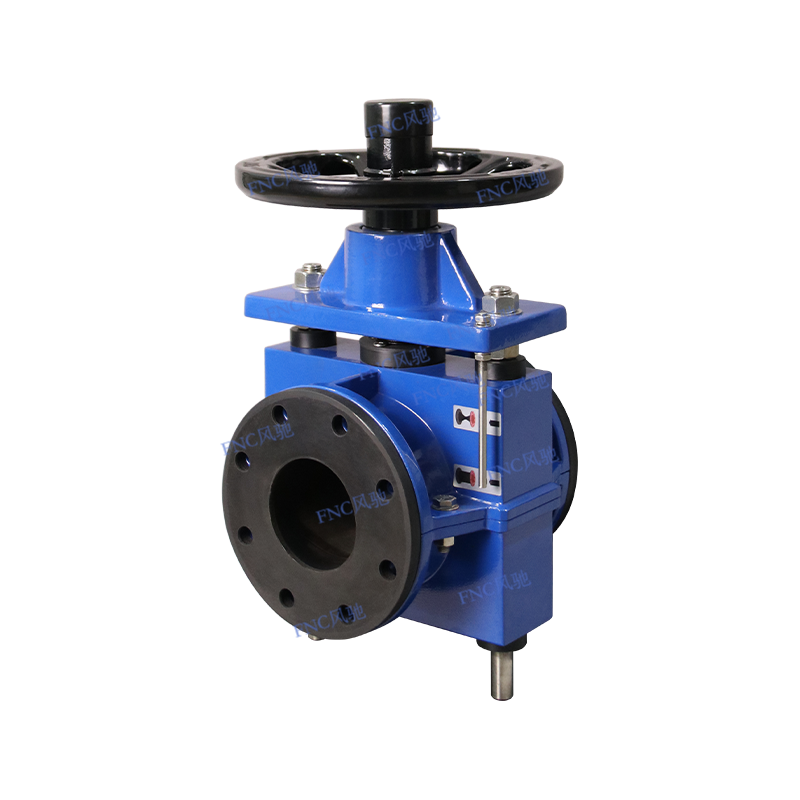
The operating principle of the FNC® enclosed pinch valve is straightforward. When in the open position, the valve provides a full-bore passage, allowi...
See Details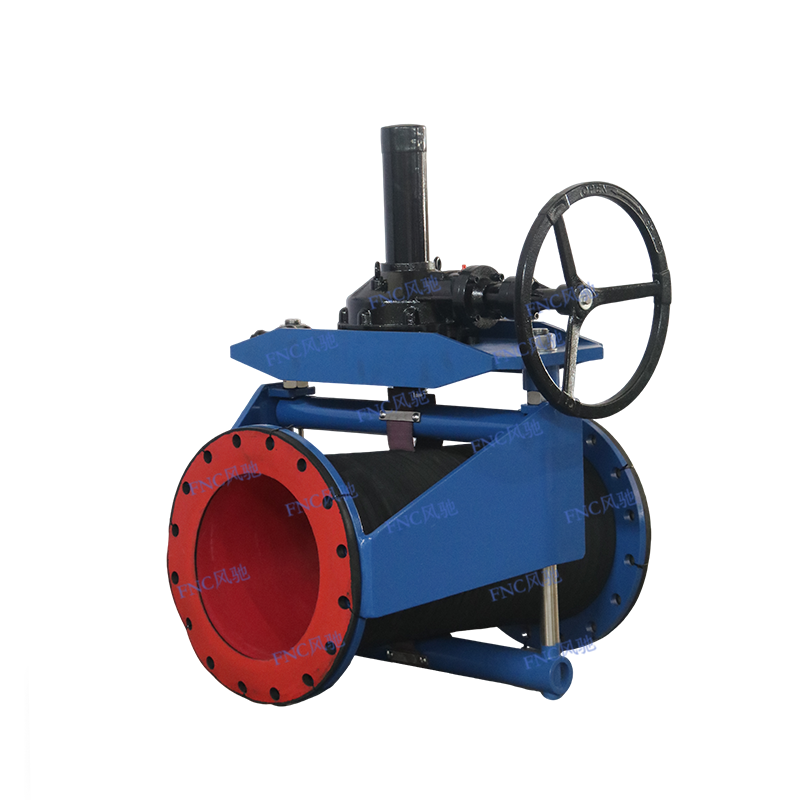
The operating principle of the FNC® enclosed pinch valve is straightforward. When in the open position, the valve provides a full-bore passage, allowi...
See Details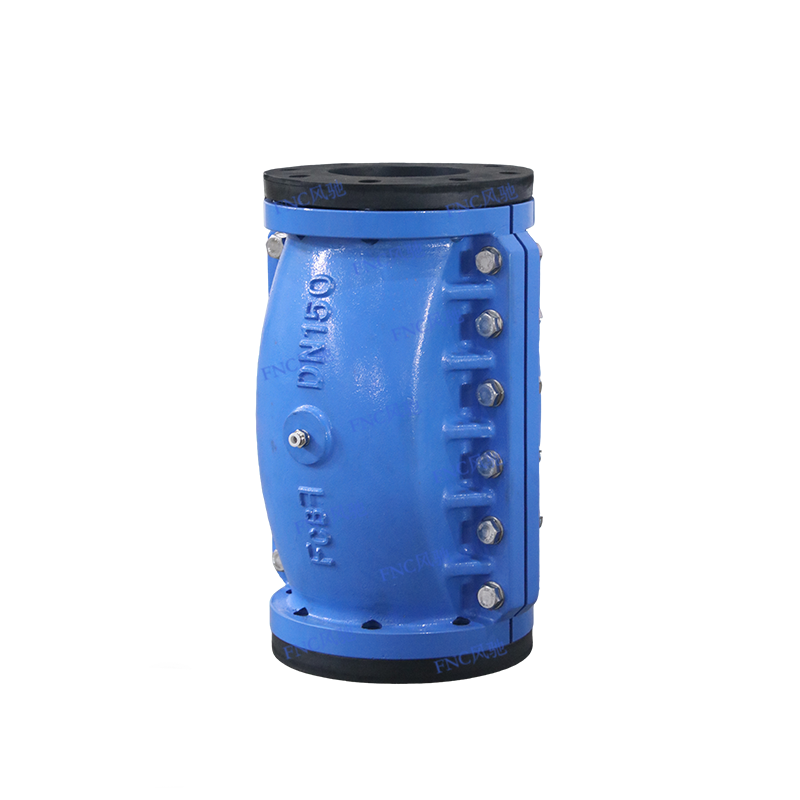
Air Operated pinch valves offer a unique and cost-effective solution for fluid control problems. The secret lies in the rubber valve sleeve - the onl...
See Details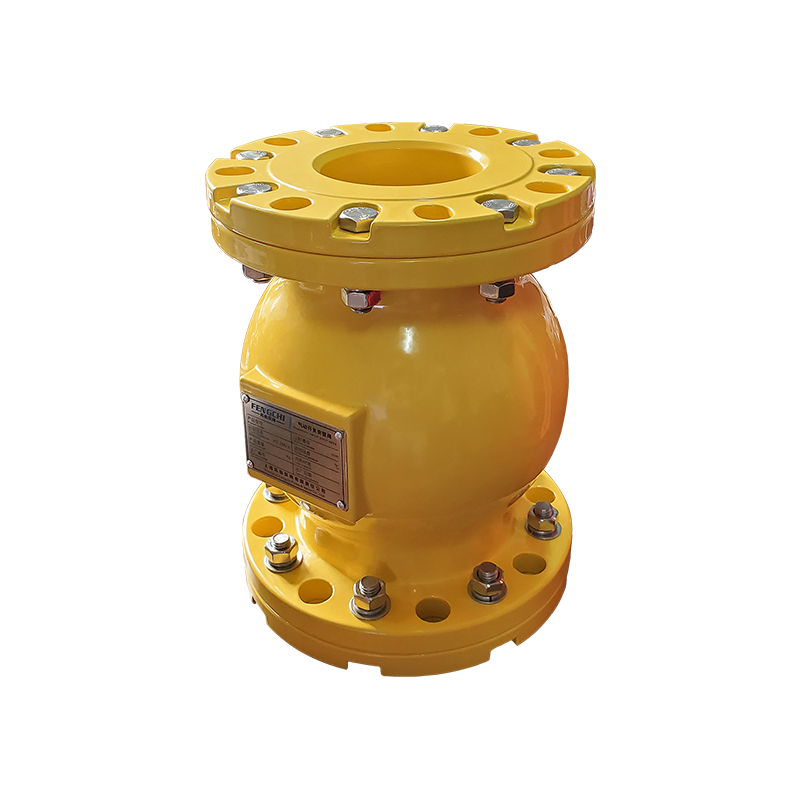
Air Operated pinch valves offer a unique and cost-effective solution for fluid control problems. The secret lies in the rubber valve sleeve - the onl...
See Details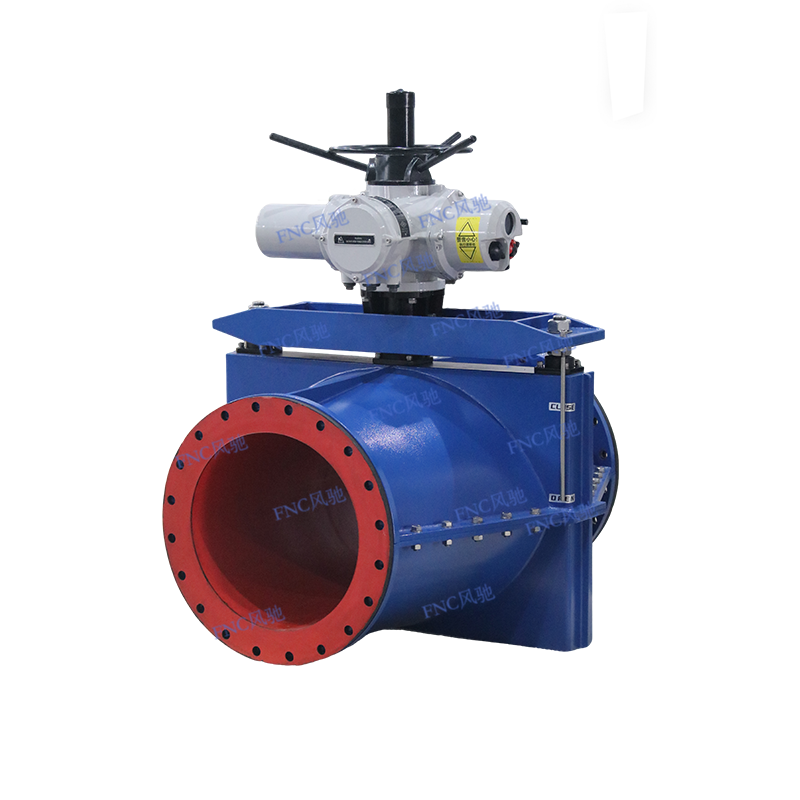
Compared to ordinary pinch valves, large-diameter pinch valves have much higher production requirements. As the “core component” of the pinch valve, t...
See Details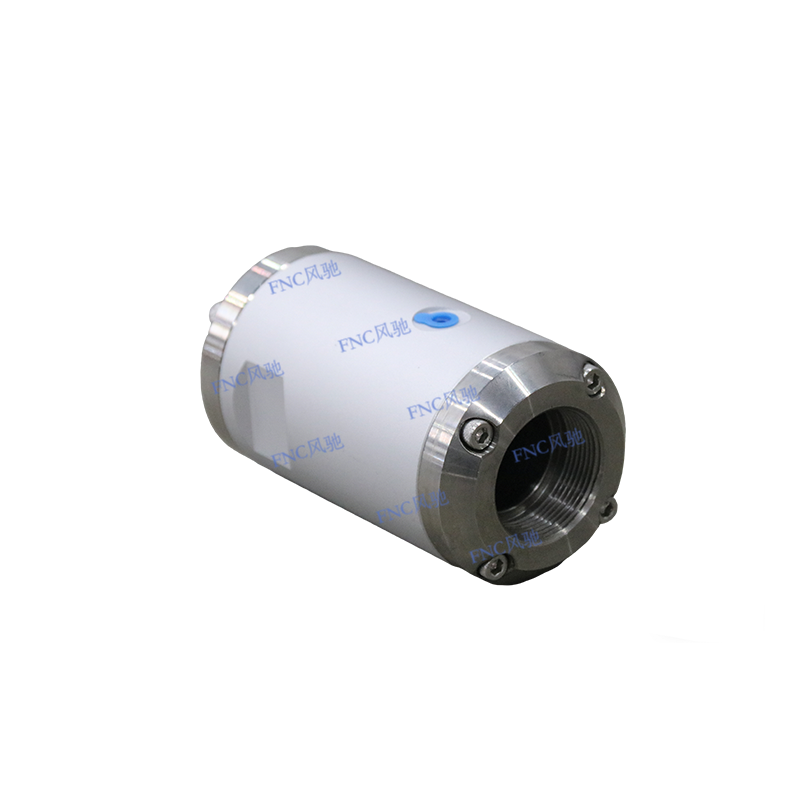
Air Operated pinch valves offer a unique and cost-effective solution for fluid control problems. The secret lies in the rubber valve sleeve - the onl...
See Details
Phone: +86-136 7173 4086

Tel: +86-563 5033 866

Email: red@pinchvalves.com.cn

Address:
