

 EN
EN

 English
 русский
 Español
Split-Body Air Operated Pinch Valves
Cat:Air Operated Pinch Valves
Air Operated pinch valves offer a unique and cost-effective solution for fluid control problems. The secret lies in the rubber valve sleeve - the onl...
See DetailsContent
Split-body air operated pinch valves represent a critical advancement in flow control technology, specifically designed to handle challenging media such as slurries, powders, and corrosive fluids. Unlike traditional gate or ball valves that rely on internal cavities where material can accumulate and cause blockages, pinch valves utilize a flexible elastomer sleeve that collapses to stop flow. The "split-body" design allows for rapid access to this sleeve, significantly reducing maintenance downtime and operational costs in heavy industries like mining, wastewater treatment, and chemical processing.
The integration of pneumatic actuation ensures precise, automated control with fail-safe capabilities, making these valves ideal for remote or hazardous environments. By isolating the working mechanism from the process fluid, split-body pinch valves offer extended service life and reliability, providing a robust alternative to conventional metal-seated valves that often suffer from wear and leakage when handling abrasive materials.
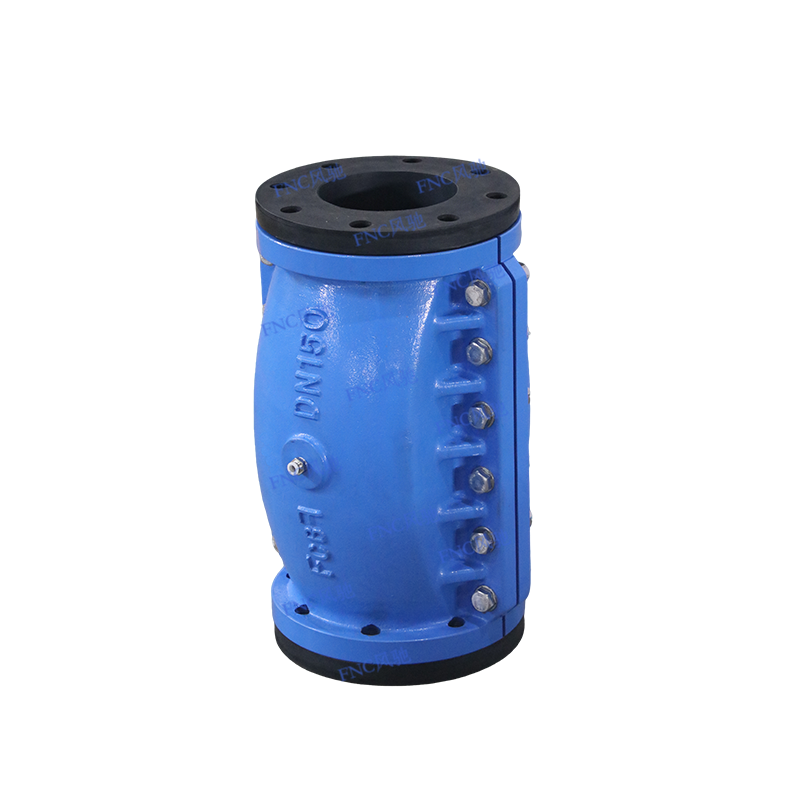
The core functionality of a split-body air operated pinch valve relies on the compression of a resilient sleeve. When air pressure is applied to the actuator, it drives two opposing bars or plates together, pinching the sleeve closed. This action creates a tight seal without any dead spots where fluid can trap. The split-body construction consists of two halves bolted together, which can be easily separated to inspect or replace the sleeve without removing the entire valve from the pipeline.
One of the most significant benefits of the split-body design is the ease of maintenance. In traditional valves, replacing worn components often requires specialized tools and extensive labor. With a split-body pinch valve, the sleeve—the only wearing part—can be replaced in minutes by simply unbolting the body halves. This modular approach reduces mean time to repair (MTTR) and minimizes production interruptions.
| Feature | Split-Body Pinch Valve | Traditional Gate Valve |
|---|---|---|
| Wearing Parts | Sleeve only | Seat, gate, stem, packing |
| Replacement Time | 15-30 minutes | 2-4 hours |
| Tool Requirement | Standard wrenches | Specialized pulling tools |
This efficiency translates directly to lower lifecycle costs. While the initial investment may be comparable to high-end metal valves, the reduced spare parts inventory and labor hours make split-body pinch valves a more economical choice over time, especially in applications with high cycle frequencies.
The performance of a pinch valve is largely determined by the material of its sleeve. Different elastomers offer varying levels of resistance to abrasion, chemicals, and temperature. Selecting the correct compound is crucial for maximizing valve life.
Natural rubber is often used for highly abrasive slurries due to its excellent elasticity and tear resistance. For chemical applications, EPDM provides superior resistance to acids and alkalis, while Nitrile (Buna-N) is preferred for oils and hydrocarbons. In high-temperature environments, Fluoroelastomers (Viton) can withstand temperatures up to 200°C (392°F), ensuring reliable operation in demanding processes.
Split-body air operated pinch valves are versatile components found in a wide range of industries. Their ability to handle difficult media makes them indispensable in sectors where reliability is paramount.
By choosing the right split-body air operated pinch valve, engineers can solve complex flow control challenges, ensuring process continuity and safety. The combination of simple mechanics, easy maintenance, and robust performance makes this valve type a cornerstone of modern industrial infrastructure.
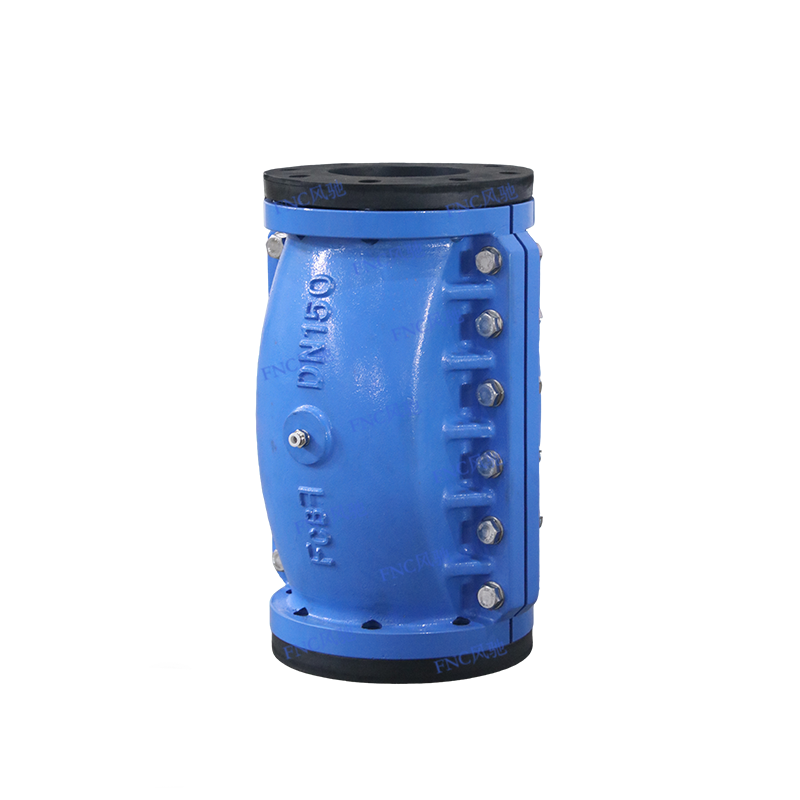
Air Operated pinch valves offer a unique and cost-effective solution for fluid control problems. The secret lies in the rubber valve sleeve - the onl...
See Details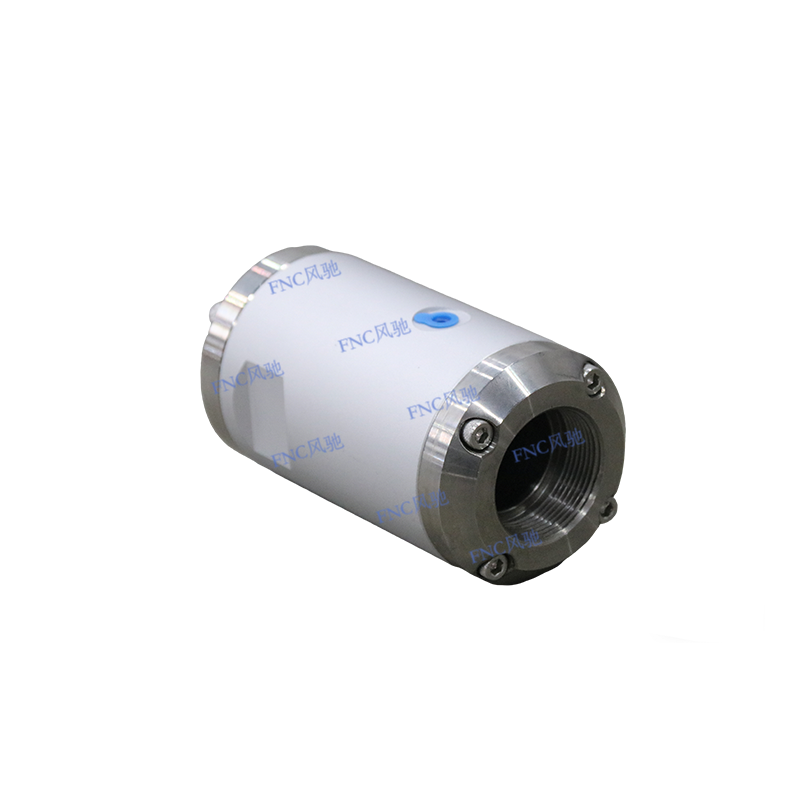
Air Operated pinch valves offer a unique and cost-effective solution for fluid control problems. The secret lies in the rubber valve sleeve - the onl...
See Details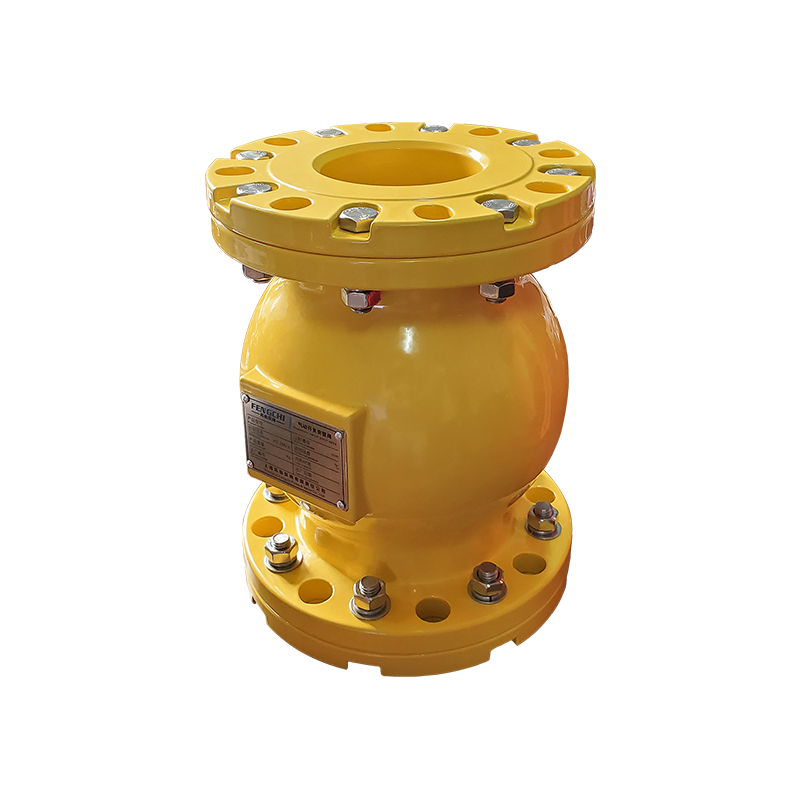
Air Operated pinch valves offer a unique and cost-effective solution for fluid control problems. The secret lies in the rubber valve sleeve - the onl...
See Details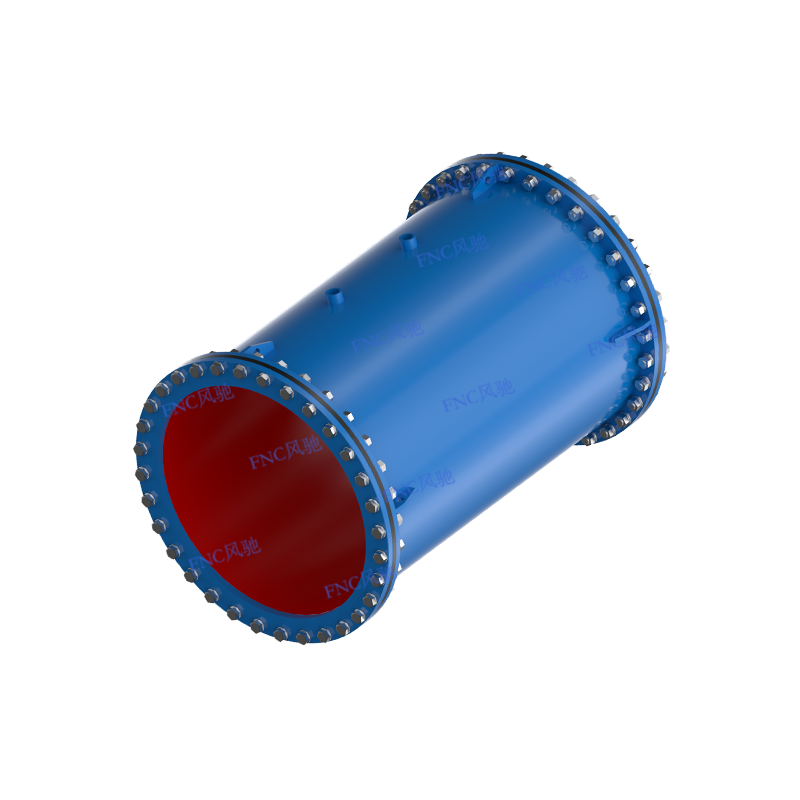
Air Operated pinch valves offer a unique and cost-effective solution for fluid control problems. The secret lies in the rubber valve sleeve - the onl...
See Details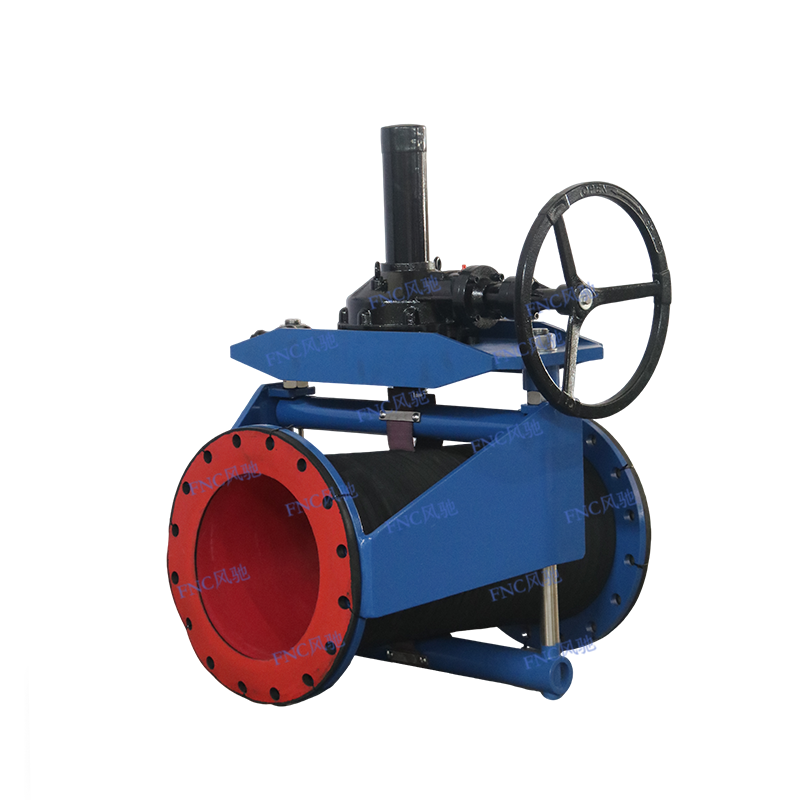
The operating principle of the FNC® enclosed pinch valve is straightforward. When in the open position, the valve provides a full-bore passage, allowi...
See Details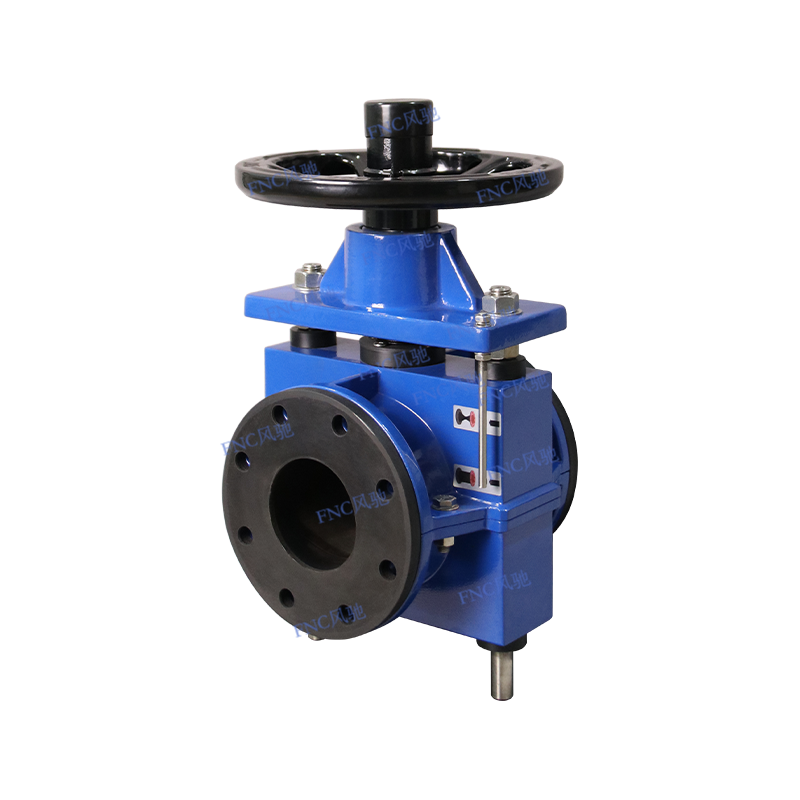
The operating principle of the FNC® enclosed pinch valve is straightforward. When in the open position, the valve provides a full-bore passage, allowi...
See Details
Phone: +86-136 7173 4086

Tel: +86-563 5033 866

Email: red@pinchvalves.com.cn

Address:
