

 EN
EN

 English
 русский
 Español
Open Body Pinch Valves
Cat:Pinch Valves
The operating principle of the FNC® enclosed pinch valve is straightforward. When in the open position, the valve provides a full-bore passage, allowi...
See DetailsContent
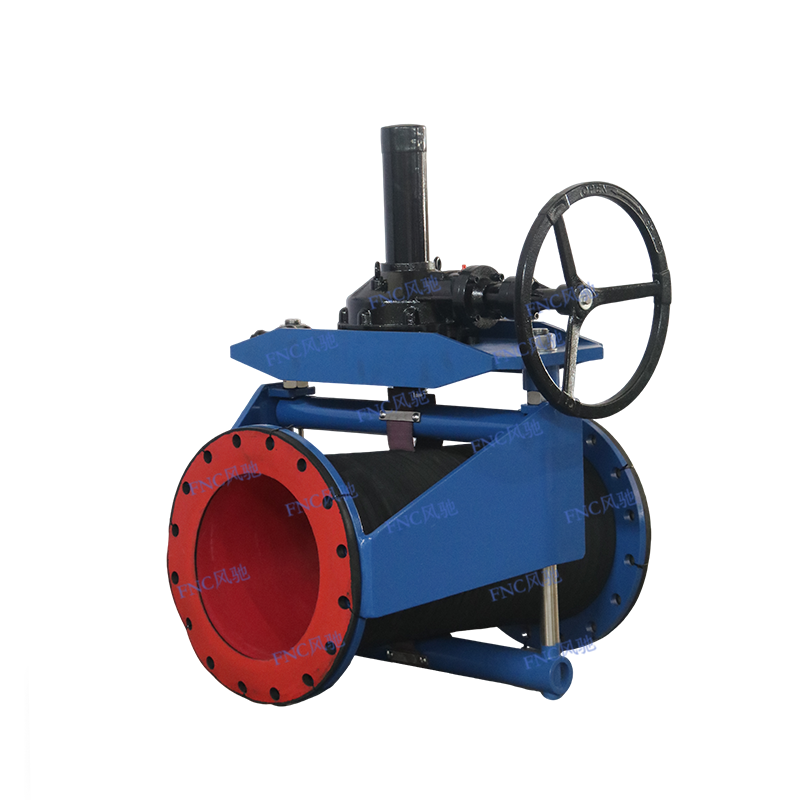
An open body pinch valve uses a skeletal metal frame instead of a solid casing to hold its rubber sleeve in place. Two cross-bars, bolted to flange supports on either end, squeeze the sleeve shut when the valve closes, while the sleeve itself stays fully visible along its length. That exposed sleeve is the defining feature of the design, and it's what separates an open body valve from an enclosed one, where the same rubber sleeve sits hidden inside a metal shell.
The tradeoff is straightforward: visibility and light weight in exchange for less protection from the surrounding environment. For plants running slurries, powders, or granular solids at moderate pressure, that tradeoff usually works in the valve's favor.
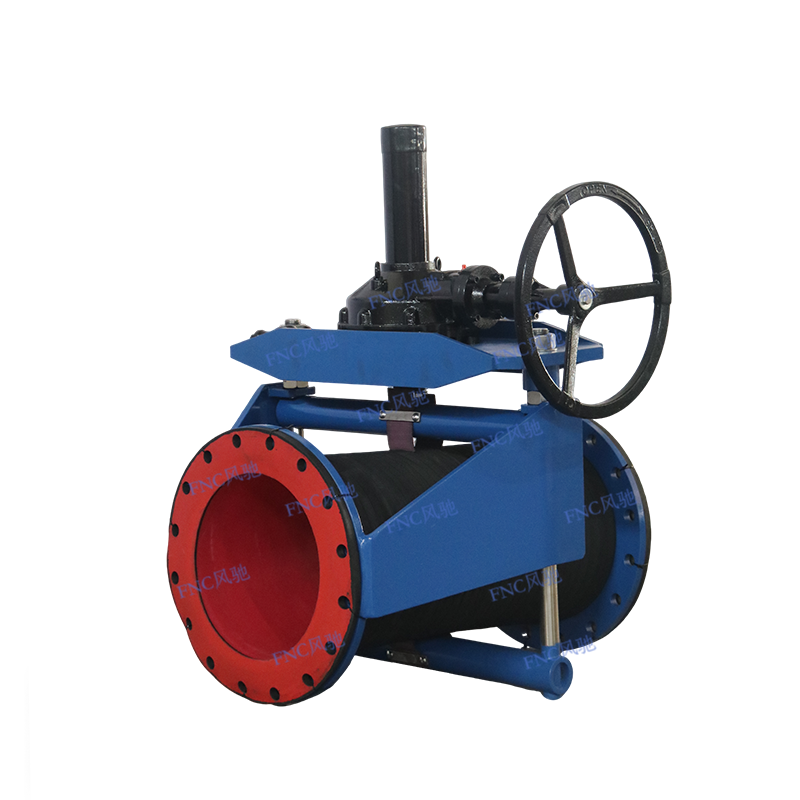
Both designs pinch the same type of rubber sleeve shut to stop flow, and both handle abrasive or corrosive media without letting it touch metal parts. The difference shows up in what happens around the sleeve, not in how the sleeve itself works.
| Characteristic | Open Body | Enclosed Body |
|---|---|---|
| Sleeve visibility | Fully exposed | Hidden inside casing |
| Weight | Lighter | Heavier |
| External protection | Limited | High |
| Vacuum service | Limited, sleeve may collapse | Better suited, casing can assist |
| Sleeve inspection | Direct visual check | Requires disassembly or drain check |
The open frame also isolates vibration and tolerates minor pipeline misalignment better than a rigid enclosed body, since the flanges aren't locked into a single fixed shell.
Open body pinch valves show up most often in systems moving non-hazardous, low-to-moderate pressure media where a straight, unrestricted bore matters more than external containment. Typical uses include:
In these settings, the flow passage stays free of crevices where solids could lodge, and the rubber sleeve can seal tightly around trapped particles that would jam a valve with a rigid seat. That's a meaningful advantage over gate or ball valves in the same service, where solids buildup is a recurring cause of failure.
The valve body doesn't need to resist the media, since it never touches it — but the sleeve does, and material choice determines service life. Common options include natural rubber, NBR (nitrile), EPDM, silicone, and food-grade rubber, with wall thickness ranging from about 1/8 inch to over 1 inch depending on the pressure the sleeve has to withstand.
Elastomeric sleeves are not built for high-temperature service; most compounds top out around 250°F, and a high differential pressure across the sleeve can cause it to collapse or deform, preventing a full open. Before specifying an open body valve, confirm the sleeve's rated pressure differential exceeds your system's operating pressure by a reasonable margin, not just matches it on paper.
Because the sleeve sits in the open, a maintenance technician can visually check for bulges, soft spots, or wear without pulling the valve apart. That's a real time saver on a plant floor where an enclosed valve would need to be drained and opened just to confirm the sleeve is still sound.
The lighter overall weight of the open frame also simplifies installation and replacement, particularly on elevated piping runs or in facilities where a crane isn't readily available for heavier enclosed-body alternatives.
The same exposure that makes inspection easy also leaves the sleeve more vulnerable to UV exposure, ambient chemicals, and physical impact from equipment or foot traffic nearby. In outdoor installations or areas with heavy environmental exposure, that can shorten sleeve life compared to an enclosed design.
None of these rule out the open body design — they just define the operating envelope it's meant for. Matched to the right pressure range and installed away from harsh ambient conditions, an open body pinch valve remains one of the simplest, lowest-maintenance options for handling abrasive bulk media.
The operating principle of the FNC® enclosed pinch valve is straightforward. When in the open position, the valve provides a full-bore passage, allowi...
See Details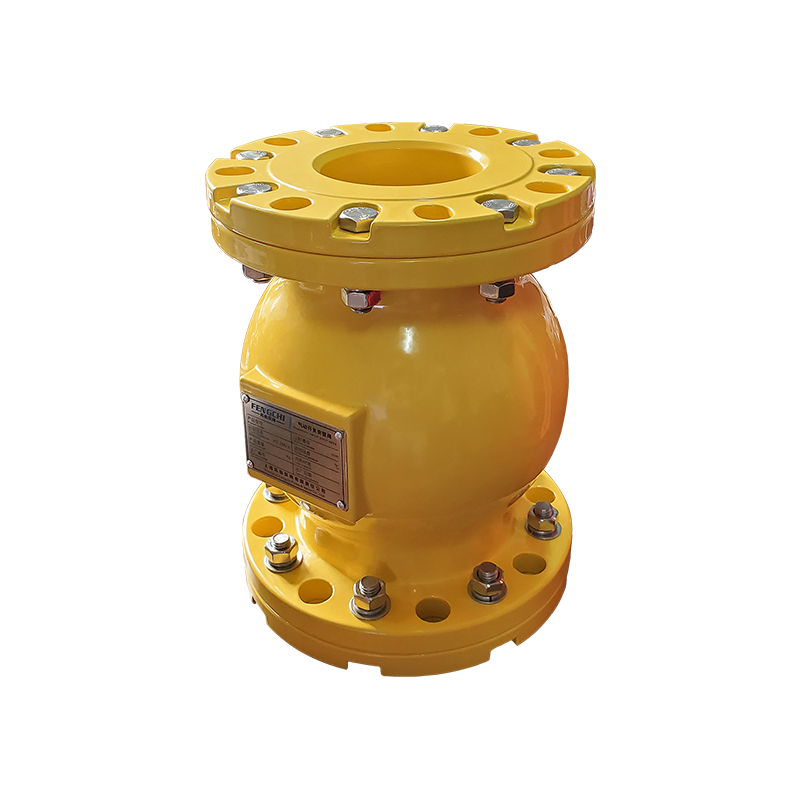
Air Operated pinch valves offer a unique and cost-effective solution for fluid control problems. The secret lies in the rubber valve sleeve - the onl...
See Details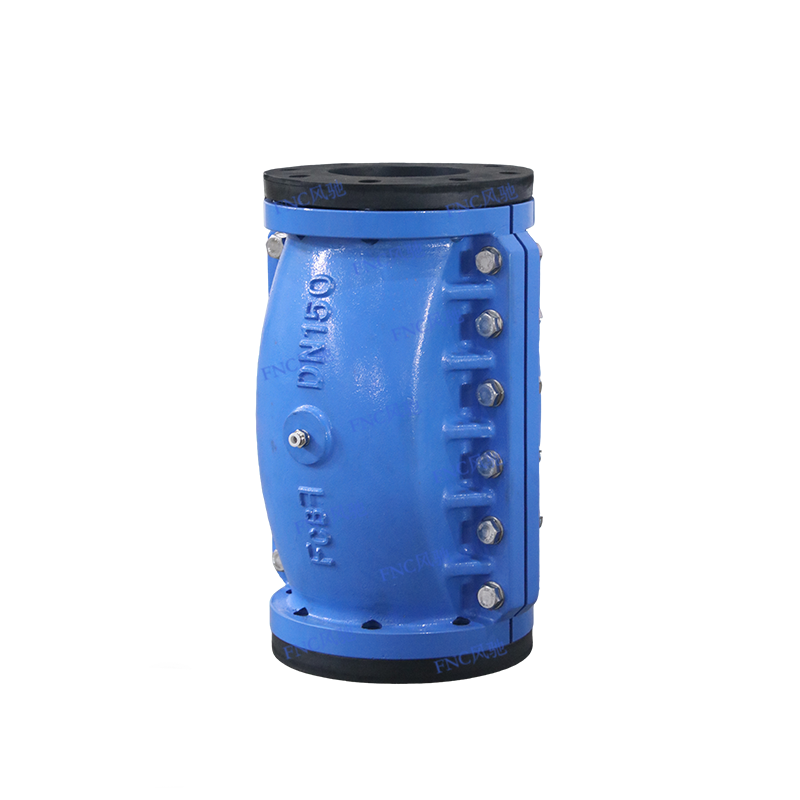
Air Operated pinch valves offer a unique and cost-effective solution for fluid control problems. The secret lies in the rubber valve sleeve - the onl...
See Details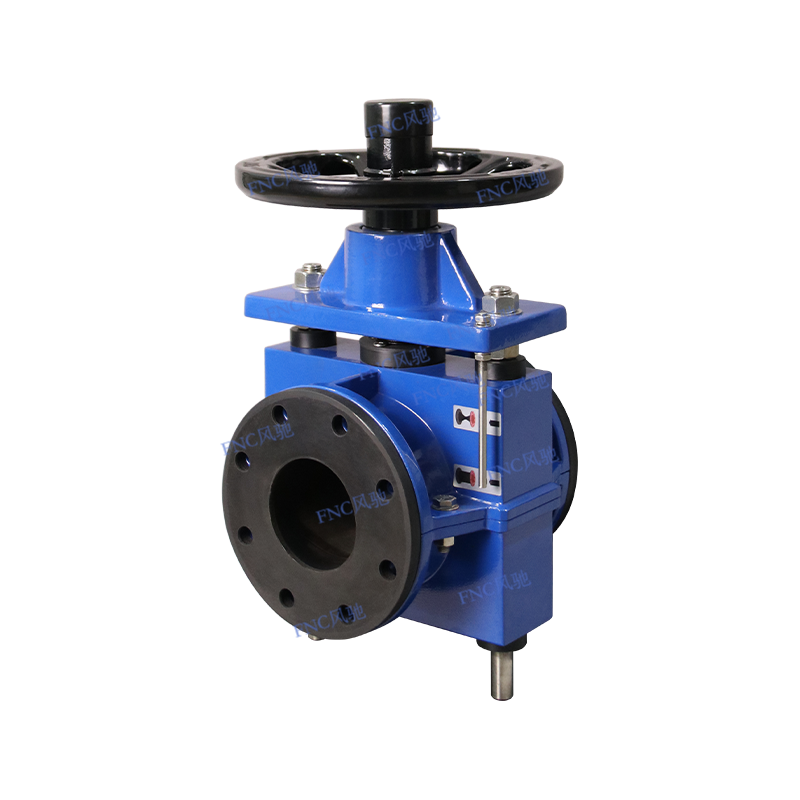
The operating principle of the FNC® enclosed pinch valve is straightforward. When in the open position, the valve provides a full-bore passage, allowi...
See Details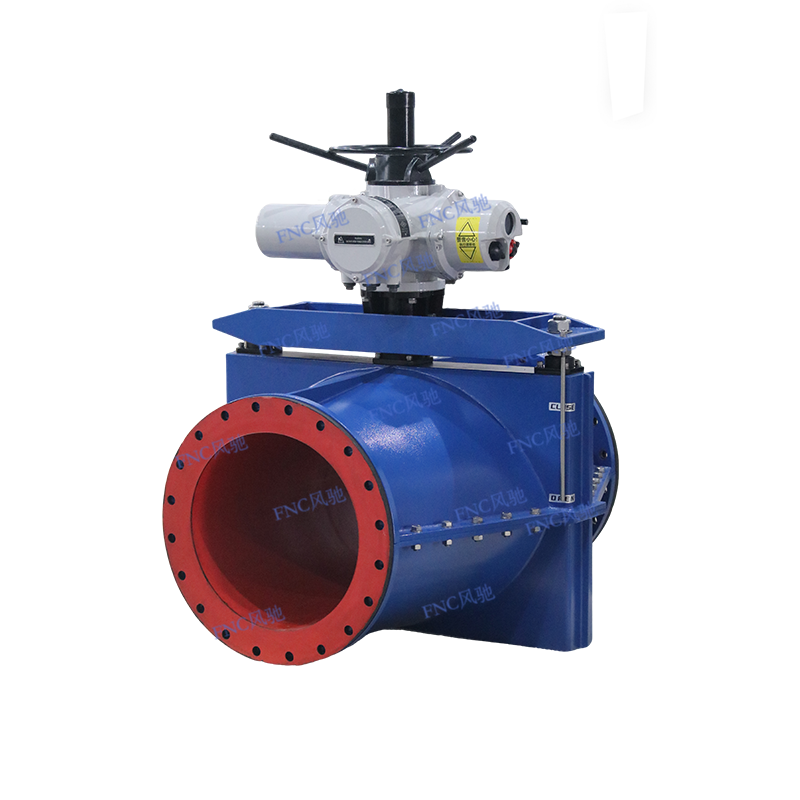
Compared to ordinary pinch valves, large-diameter pinch valves have much higher production requirements. As the “core component” of the pinch valve, t...
See Details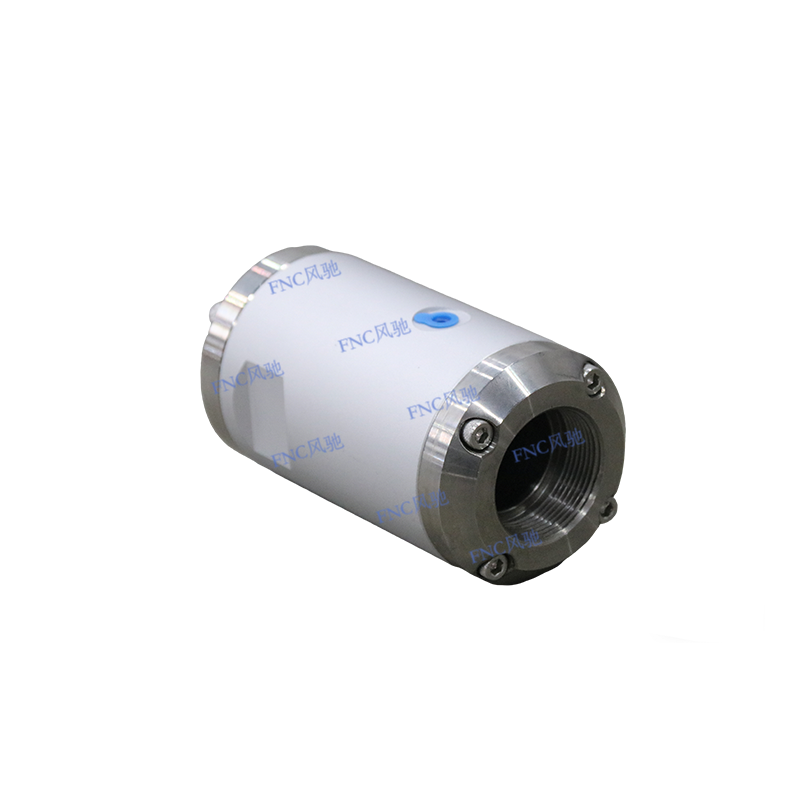
Air Operated pinch valves offer a unique and cost-effective solution for fluid control problems. The secret lies in the rubber valve sleeve - the onl...
See Details
Phone: +86-136 7173 4086

Tel: +86-563 5033 866

Email: red@pinchvalves.com.cn

Address:
