

 EN
EN

 English
 русский
 Español
Mini Air Operated Pinch Valves
Cat:Air Operated Pinch Valves
Air Operated pinch valves offer a unique and cost-effective solution for fluid control problems. The secret lies in the rubber valve sleeve - the onl...
See DetailsContent
Air operated pinch valves control flow by applying compressed air pressure to the outside of a flexible rubber sleeve, causing the sleeve to collapse inward and pinch shut against itself. When air pressure is released, the sleeve's natural elasticity returns it to its fully open position, restoring unrestricted flow through the valve bore. This operating principle is fundamentally different from ball valves, gate valves, or butterfly valves — there are no internal mechanical components, seats, discs, or stems that contact the process media. The sleeve is the only wetted part, and the entire flow control function is achieved through its elastic deformation.
This design gives air operated pinch valves a set of performance characteristics that no other valve type can replicate across the same range of applications. The full-bore open position creates zero flow restriction and zero turbulence when the valve is open, making it ideal for abrasive slurries, viscous fluids, and media containing solids that would clog, erode, or jam conventional valve internals. The self-cleaning action of the sleeve as it opens and closes prevents particle accumulation at the sealing point — a persistent problem with seat-type valves handling settling or crystallizing media.
Air operated pinch valves are manufactured in two distinct body configurations, each suited to different operating conditions and media types. Understanding the difference is essential for correct specification.
In an open-body design, the rubber sleeve is exposed between two end flanges or end connections, with the actuating mechanism — typically a mechanical bar or air-pressurized bladder — contacting the sleeve from the outside. This configuration allows visual inspection of the sleeve condition during operation and facilitates rapid sleeve replacement without removing the valve from the pipeline. Open-body air operated pinch valves are commonly specified in applications where sleeve wear is expected to be significant, such as in ceramic slurry transfer or mineral processing, where quick maintenance access reduces downtime.
Enclosed-body air operated pinch valves house the sleeve within a rigid metal or reinforced body, with compressed air introduced into the annular space between the sleeve outer wall and the body interior. When air pressure is applied to this annular chamber, it acts uniformly around the entire circumference of the sleeve, producing a highly consistent and symmetric pinch closure. This configuration provides superior pressure containment, making enclosed-body designs the standard choice for higher-pressure applications and media that cannot be exposed to atmosphere even momentarily, such as toxic, flammable, or sterile process streams.
The sleeve is the most critical component of any air operated pinch valve — it is the only part in contact with the process media, and its material must be chemically compatible with the fluid, physically durable under the expected abrasion and pressure conditions, and capable of repeated elastic cycling without fatigue cracking. The selection of sleeve material is therefore as important as any other specification parameter.
| Sleeve Material | Temperature Range | Key Properties | Typical Applications |
| Natural Rubber (NR) | -40°C to +70°C | Excellent abrasion resistance, high elasticity | Mining slurries, mineral processing |
| EPDM | -40°C to +120°C | Ozone, steam, and acid resistance | Chemical processing, water treatment |
| Neoprene (CR) | -30°C to +100°C | Oil and weather resistance | Oil-laden slurries, outdoor installations |
| Nitrile (NBR) | -30°C to +100°C | Excellent hydrocarbon resistance | Petroleum products, fuel handling |
| Food-Grade Natural Rubber | -20°C to +80°C | FDA-compliant, non-tainting | Food and beverage, pharmaceutical |
| Silicone | -60°C to +180°C | High-temperature, biocompatible | Sterile processing, high-temp media |
Sleeve wall thickness and fabric reinforcement layer count also significantly affect performance. Heavier-wall sleeves with multiple reinforcement plies handle higher internal pressures and provide greater resistance to external abrasion, but require higher actuation air pressure to achieve full closure. Thinner-wall sleeves close at lower air pressures and offer greater sensitivity for throttling applications, but have lower pressure ratings. Always specify sleeve construction in conjunction with the operating pressure range and actuation air supply available at the installation point.
The unique operating principle of air operated pinch valves makes them the preferred — and in many cases the only practical — choice across a range of industries handling difficult media that would rapidly destroy conventional valve designs.
Mining operations represent the largest single application sector for air operated pinch valves. Ore slurries, tailings, coal wash water, and mineral concentrates are highly abrasive and frequently contain coarse solids that would erode metal valve seats and discs within weeks of service. The rubber sleeve of a pinch valve absorbs abrasive particle impact elastically, distributing wear across the entire sleeve surface rather than concentrating it at a seating line. In well-designed mining installations, pinch valve sleeves routinely achieve service lives measured in months where competing valve types fail within days.
Municipal and industrial water treatment plants specify air operated pinch valves for sludge handling, grit chamber discharge, filter backwash control, and chemical dosing lines. The self-cleaning closure action prevents sludge from accumulating at the valve seat — a chronic maintenance problem with gate and butterfly valves in these services. EPDM sleeves provide the chemical resistance needed for contact with chlorine solutions, ferric sulfate, and polymer flocculants used in treatment processes.
In hygienic process applications, the smooth, crevice-free bore of a pinch valve sleeve meets clean-in-place (CIP) and sterilize-in-place (SIP) requirements that many conventional valves cannot satisfy. Food-grade and FDA-compliant sleeve materials enable direct contact with food products, beverages, and pharmaceutical intermediates without contamination risk. The complete absence of internal valve components eliminates the dead zones and product entrapment points that create microbial harborage in diaphragm and seat valves.
Chemical plants use air operated pinch valves for corrosive acid and alkali slurries, crystallizing media, and highly viscous fluids where conventional valve internals would be attacked or blocked. The ability to specify sleeve material independently of body material allows engineers to optimize chemical resistance for the specific process chemistry while maintaining structural integrity of the valve body in the surrounding environment.
Correct sizing of air operated pinch valves requires consideration of several interrelated parameters. Getting these right at the specification stage prevents both performance failures and premature sleeve wear in service.
One of the most operationally significant advantages of air operated pinch valves is the simplicity of their maintenance requirements. With no internal metal components to corrode, erode, or seize, the maintenance program reduces almost entirely to periodic sleeve inspection and replacement — a task that requires no special tools and can be completed in minutes on most open-body designs without removing the valve body from the pipeline.
Installation orientation is flexible — air operated pinch valves can be installed in horizontal, vertical, or angled pipelines without performance compromise, though vertical installation with flow downward is preferred for media containing heavy solids to prevent settling in the sleeve when the valve is closed. The valve body should be supported independently of the pipeline to avoid transferring pipe stress to the sleeve end connections, which can cause premature flange seal failure.
Routine inspection should focus on the sleeve exterior for surface cracking, blistering, or hardening that indicates chemical attack or thermal degradation, and on the closure quality — a valve that no longer achieves zero-leakage shut-off despite correct actuation pressure has a sleeve approaching end of life and should be scheduled for replacement before complete failure occurs. Maintaining a stock of replacement sleeves in the correct material and size at the plant storeroom eliminates extended downtime when emergency sleeve replacement is required, and is considered best practice in any facility operating multiple air operated pinch valves in critical service.
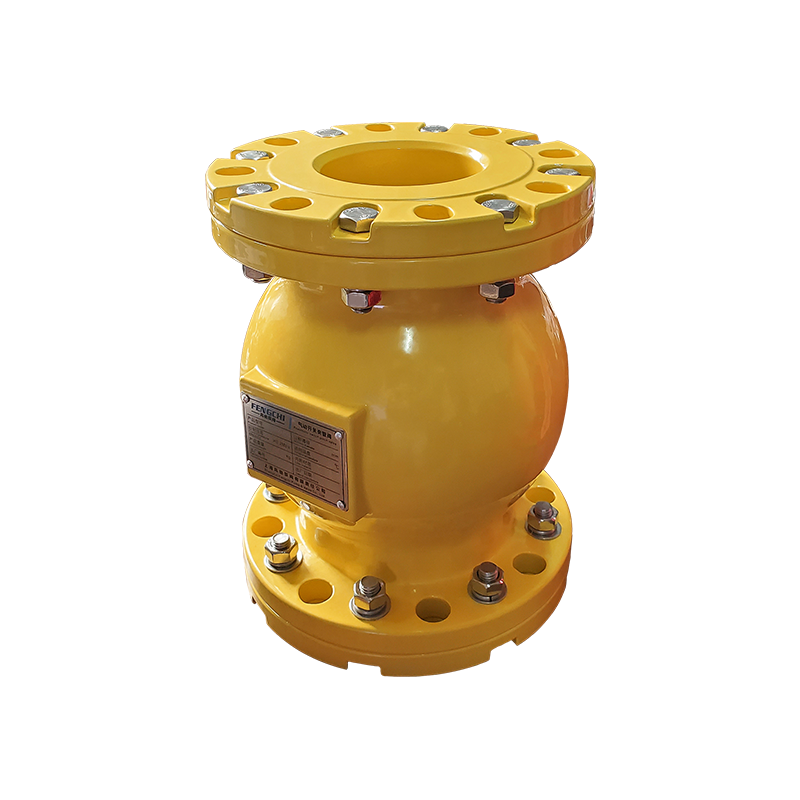
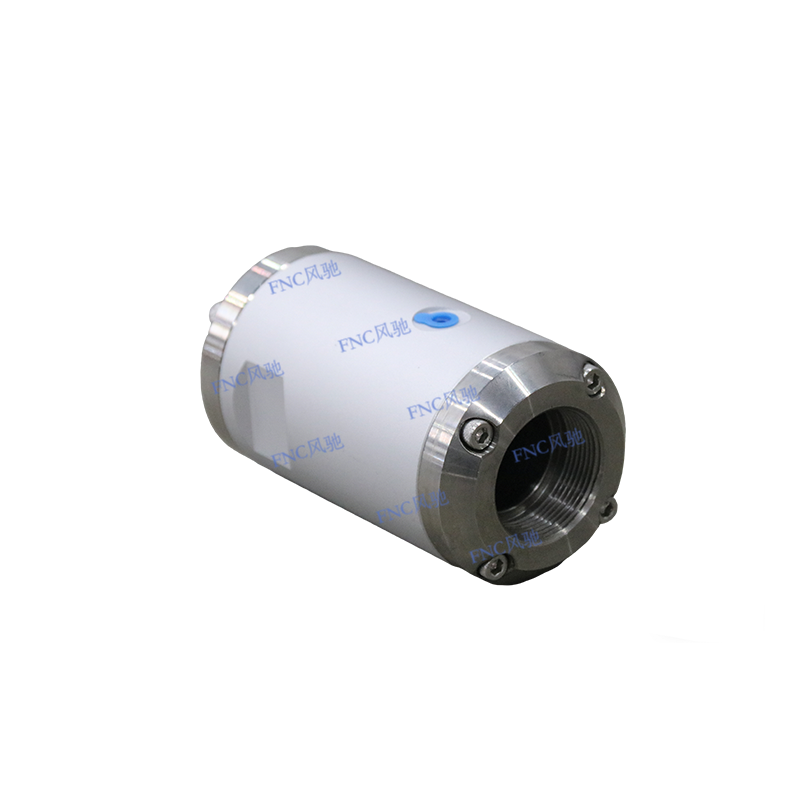
Air Operated pinch valves offer a unique and cost-effective solution for fluid control problems. The secret lies in the rubber valve sleeve - the onl...
See Details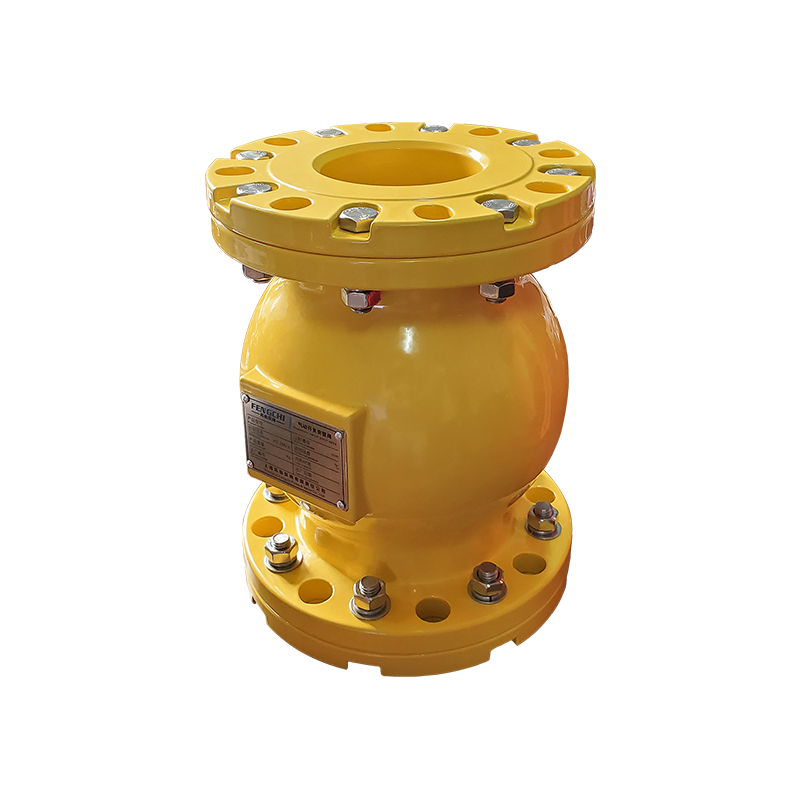
Air Operated pinch valves offer a unique and cost-effective solution for fluid control problems. The secret lies in the rubber valve sleeve - the onl...
See Details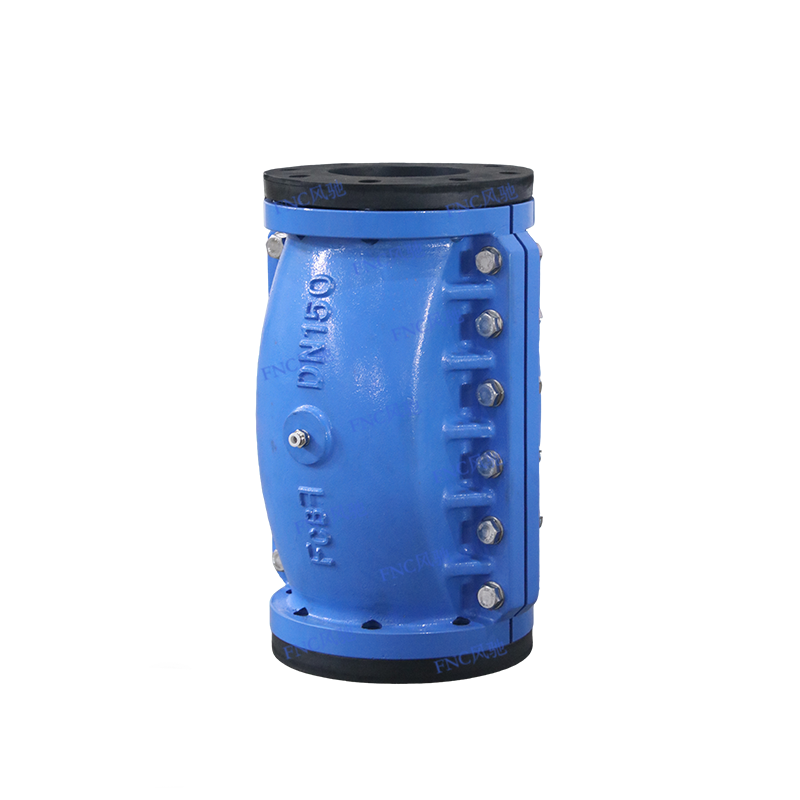
Air Operated pinch valves offer a unique and cost-effective solution for fluid control problems. The secret lies in the rubber valve sleeve - the onl...
See Details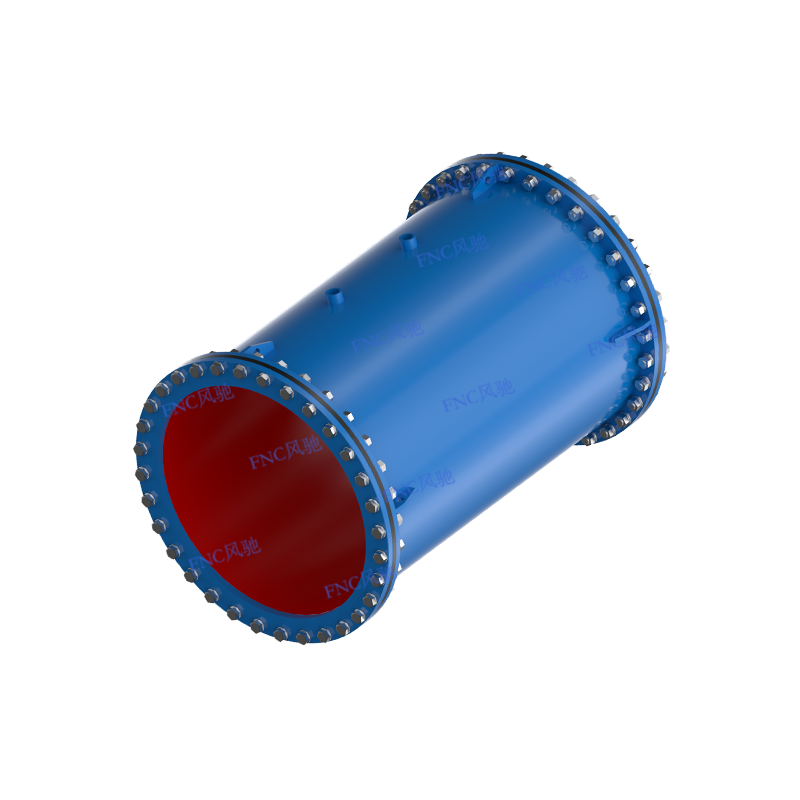
Air Operated pinch valves offer a unique and cost-effective solution for fluid control problems. The secret lies in the rubber valve sleeve - the onl...
See Details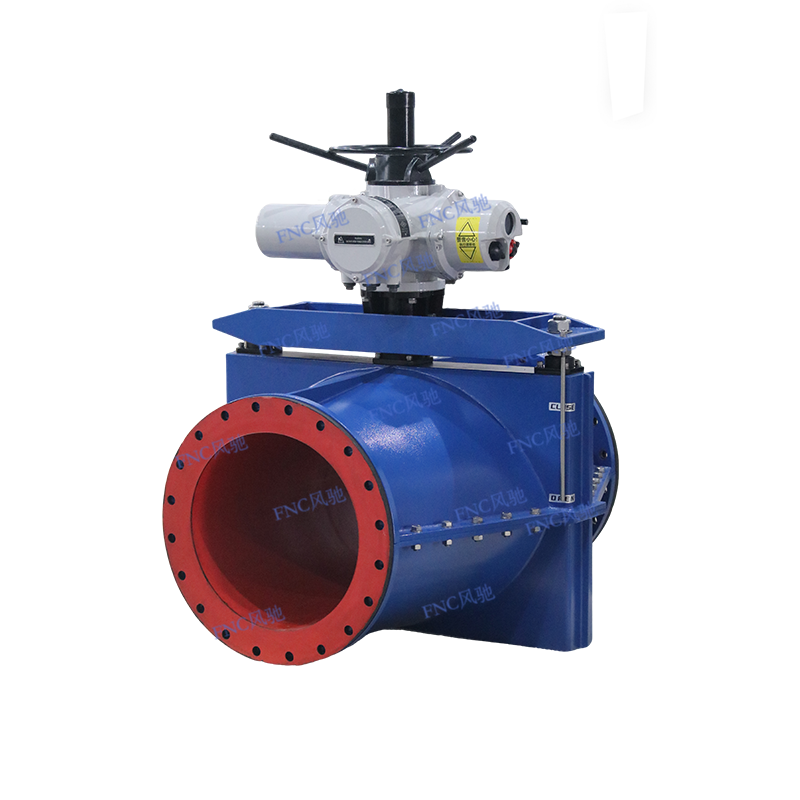
Compared to ordinary pinch valves, large-diameter pinch valves have much higher production requirements. As the “core component” of the pinch valve, t...
See Details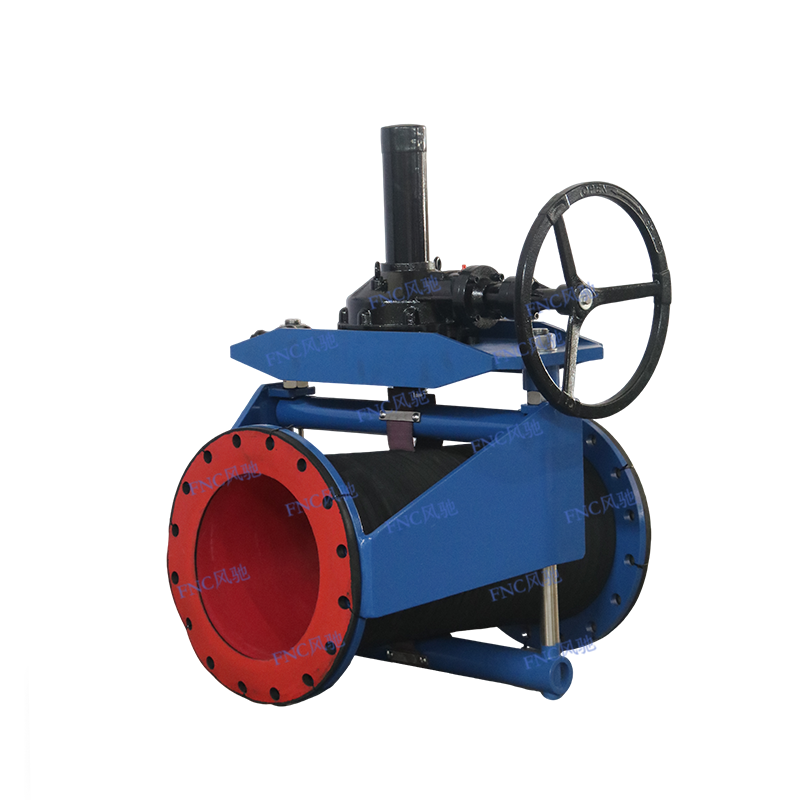
The operating principle of the FNC® enclosed pinch valve is straightforward. When in the open position, the valve provides a full-bore passage, allowi...
See Details
Phone: +86-136 7173 4086

Tel: +86-563 5033 866

Email: red@pinchvalves.com.cn

Address:
