

 EN
EN

 English
 русский
 Español
Large Diameter Air Operated Pinch Valves
Cat:Air Operated Pinch Valves
Air Operated pinch valves offer a unique and cost-effective solution for fluid control problems. The secret lies in the rubber valve sleeve - the onl...
See DetailsWhen a large-diameter valve fails on site, the root cause can usually be traced back to the machining phase rather than to the sealing material. A valve body that is out of round, a flange face that is no longer flat, or a sealing surface with a rough finish will leak under working pressure no matter how carefully the valve was assembled. That hidden dependency is why experienced buyers make machining quality their first screening criterion when choosing a valve manufacturer for large-bore lines.
Core conclusion: machining accuracy, not material grade alone, decides whether a large valve will hold its rated pressure and reach its expected service life. Specify measurable tolerances for bore runout, flange flatness, and surface roughness, and demand documented inspection data before accepting delivery.
Content
The physics of large valves amplifies small machining errors. A deviation of 0.10 mm that would be harmless on a 2-inch valve becomes a sealing problem on a 400 mm or larger valve, because the sealing perimeter is longer and the error is distributed unevenly across it. The result is uneven contact pressure, premature seat wear, and higher actuation forces. Four areas deserve the most attention in any large-valve project:
Large castings release residual stress as metal is removed, and the body distorts. A reliable process allows for this relaxation by machining in two stages: a roughing cut followed by a finishing pass on the same setup.
Sealing faces in large metal-seated valves are typically specified at Ra 1.6 to 3.2 µm. Rougher surfaces trap particles, accelerate seat erosion, and increase breakout torque.
The bore that guides the closure member and the opposite bore must share the same centerline within tight limits. Misalignment shows up as sticking, uneven wear, and internal leakage.
Machining exposes porosity, slag inclusions, and hardness variations that were invisible on the raw casting. Ultrasonic or dye-penetrant inspection after the roughing pass is the only way to catch them early.
In abrasive slurry services, engineers increasingly use large-diameter pinch valves precisely because they reduce the number of precision-machined surfaces that can fail. The metal body is a straight bore, and the elastomer sleeve absorbs wear and provides the seal, so the critical machined areas are limited to the flange faces that support the sleeve.
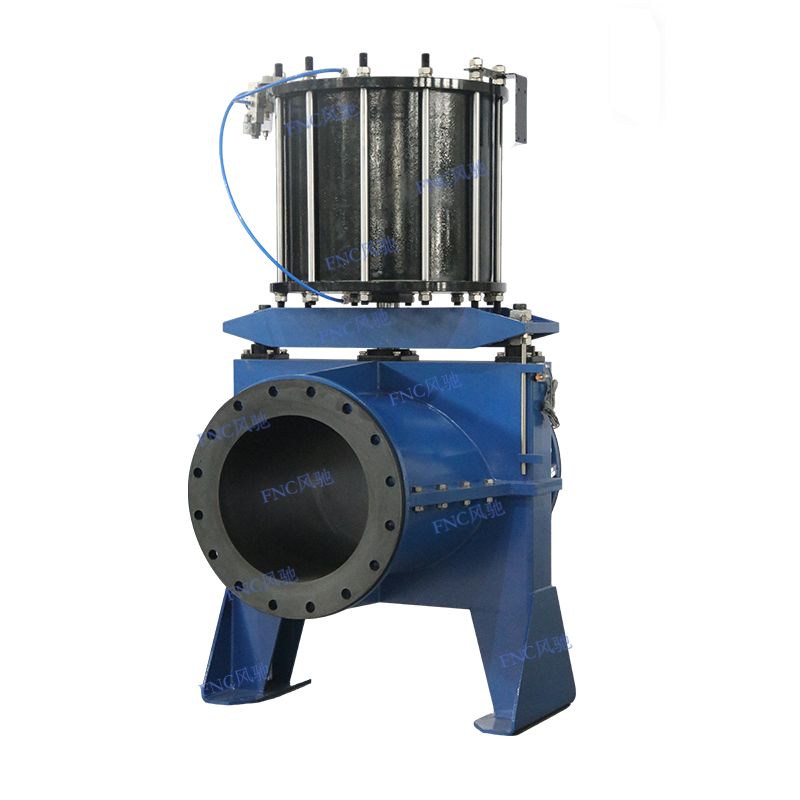 Large Diameter Pinch Valves Suppliers, Company - Anhui Fengchi Pump Valve ManufaFengchi is Large Diameter Pinch Valves Suppliers and Company in China, Wholesale Large Diameter Pinch Valves online, Compared to ordinary...View Product →
Asking a supplier for "high precision" is less effective than specifying realistic, measurable limits. The following ranges are commonly used in the manufacture of large industrial valves with nominal diameters from DN 300 up to DN 1200:
| Feature | Typical range | Why it matters |
|---|---|---|
| Body bore runout | 0.05–0.15 mm | Prevents uneven sealing pressure around the closure member |
| Flange face flatness | ≤ 0.10 mm per 300 mm | Avoids flange leaks and uneven bolting loads |
| Sealing surface roughness | Ra 1.6–3.2 µm | Reduces seat wear and particle entrapment |
| Stem hole concentricity | ≤ 0.05 mm | Ensures smooth actuation and even compression |
| Wall thickness uniformity | ± 10% of nominal | Maintains consistent pressure rating and casting weight |
If the valve is a pinch-valve design, bore roundness and flange alignment also determine whether the sleeve can be installed without twisting and pinching. Consult the large-diameter pinch valve sizing guide to convert your service pressure, flow rate, and pipe size into the correct body dimension before you request a quotation.
The most expensive machining errors are the ones found late. The chart below compares the relative cost of discovering a machining defect in a large valve at different stages of a project, with the cost of an in-process check taken as one unit:
The practical meaning is straightforward. A manufacturer that measures bore runout and flatness while the part is still clamped can correct a deviation in minutes. The same defect found on the assembled valve requires disassembly, re-machining, and a new pressure test, and may even scrap the body once the machining allowance is gone. Once the valve is installed, every hour of downtime is multiplied by lost production, which is why mining and water operators now ask for actual inspection records before shipment.
Three hidden indicators are worth verifying with your supplier:
Machining-related failures are not evenly distributed across industries. The pie chart below shows the approximate share of large-diameter valve installations in which machining quality is the dominant reliability factor, based on current industrial project data:
Mining stands out because the fluid carries solids. In a large slurry line, any leak erodes quickly and widens, and a seat surface with a poor finish can fail within weeks. Slurry knife gate valves and pinch valves are used in these lines because their machined seats and replaceable sleeves are designed for repeated exposure to abrasive media.
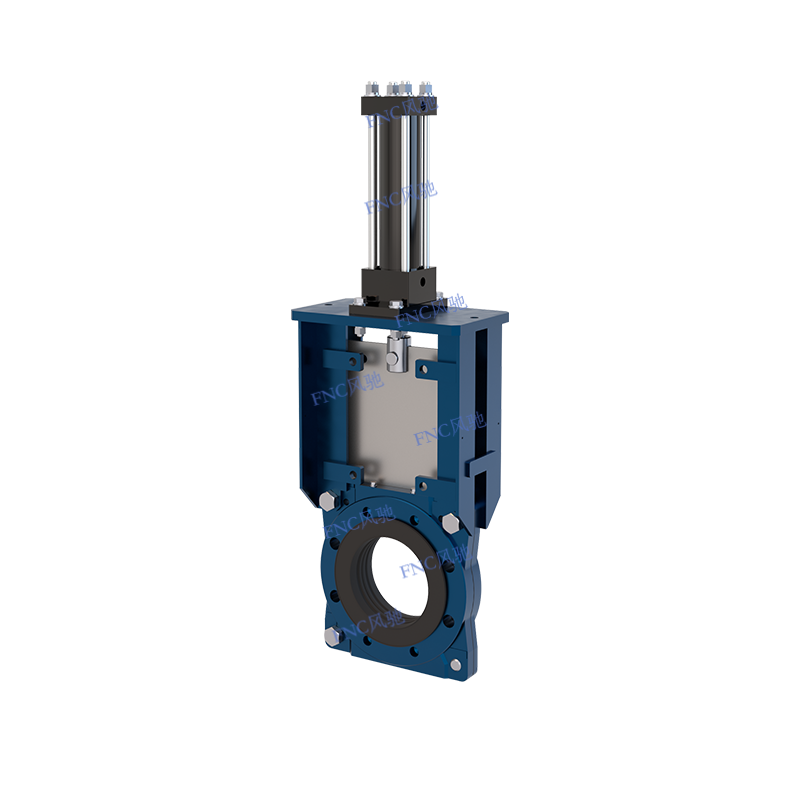 KGV-D knife gate valves Suppliers, Company - Anhui Fengchi Pump Valve ManufacturFengchi is KGV-D knife gate valves Suppliers and Company in China, Wholesale KGV-D knife gate valves online, The FNC Slurry Knife Gate Va...View Product →
A disciplined manufacturing sequence looks simple but is expensive to copy. Four stages determine the final quality of any large valve body, and each adds measurable value to the project:
Chemical composition, hardness, and ultrasonic testing for porosity. Rejecting a defective casting here avoids all downstream machining cost.
Removes residual stress so the body does not distort during final machining or after installation under pressure.
Rough-cut, let the body relax, then finish the bore and flange faces in one setup. Measure runout and roughness before unclamping.
Hydrostatic shell and seat tests per the applicable standard, with actual values recorded and traced to the casting heat number.
The ROI logic is simple: paying slightly more for a body machined with this discipline eliminates multiplier costs later. In slurry circuits, large-diameter air-operated pinch valves offer a further economic advantage because the sleeve is the only wearing component; it can be replaced without re-machining and without removing the body from the pipeline.
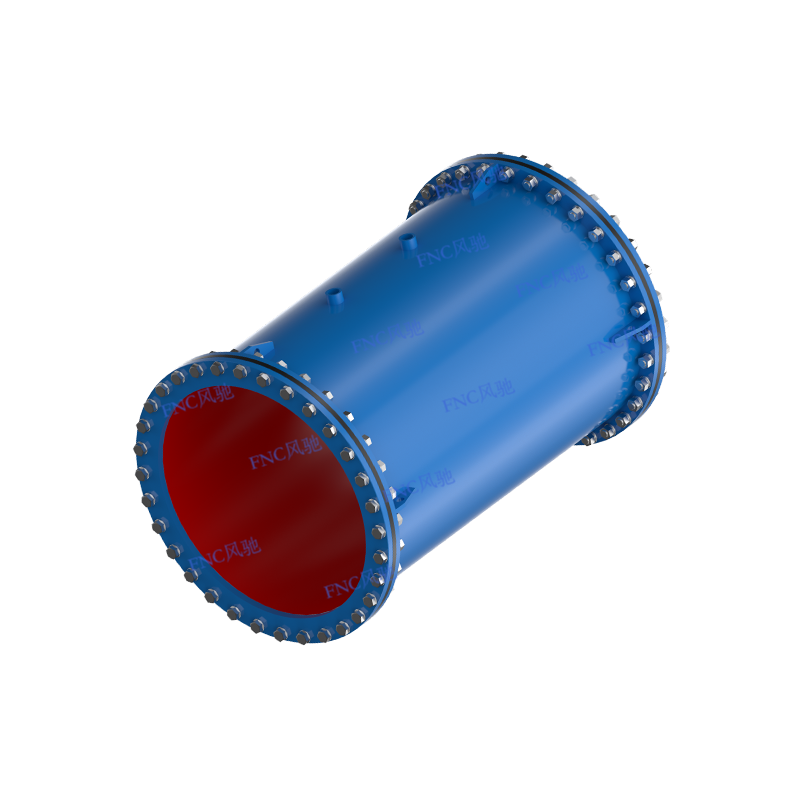 Large Diameter Air Operated Pinch Valves Suppliers, Company - Anhui Fengchi PumpFengchi is Large Diameter Air Operated Pinch Valves Suppliers and Company in China, Wholesale Large Diameter Air Operated Pinch Valves on...View Product →
Before ordering, verify that the supplier can justify its tolerance claims. The most practical step is to arrange a factory audit: review the machine tools, the inspection equipment, and the actual records from a recent batch. A manufacturer that can show you the process will almost always deliver a better valve than one that only shows a catalog.
Machining quality continues to influence maintenance after the valve is installed. A few disciplines make the difference between a low-maintenance valve and a recurring problem:
Compliance-wise, match the manufacturer's certifications to your project jurisdiction: ISO 9001 for the quality management system, CE marking under the Pressure Equipment Directive for European projects, and documented hydrostatic test certificates for each valve. If the body material is safety-critical, request EN 10204 type 3.1 material certificates so the casting heat remains traceable from the foundry to the installed valve.
Machining quality is invisible in a photograph of the finished product, but it determines the first few years of service life. Ask the right questions about tolerances, inspection, and process discipline, and choose a manufacturer that can prove both — because in large-diameter valves, the machined body is the foundation on which every other component depends.
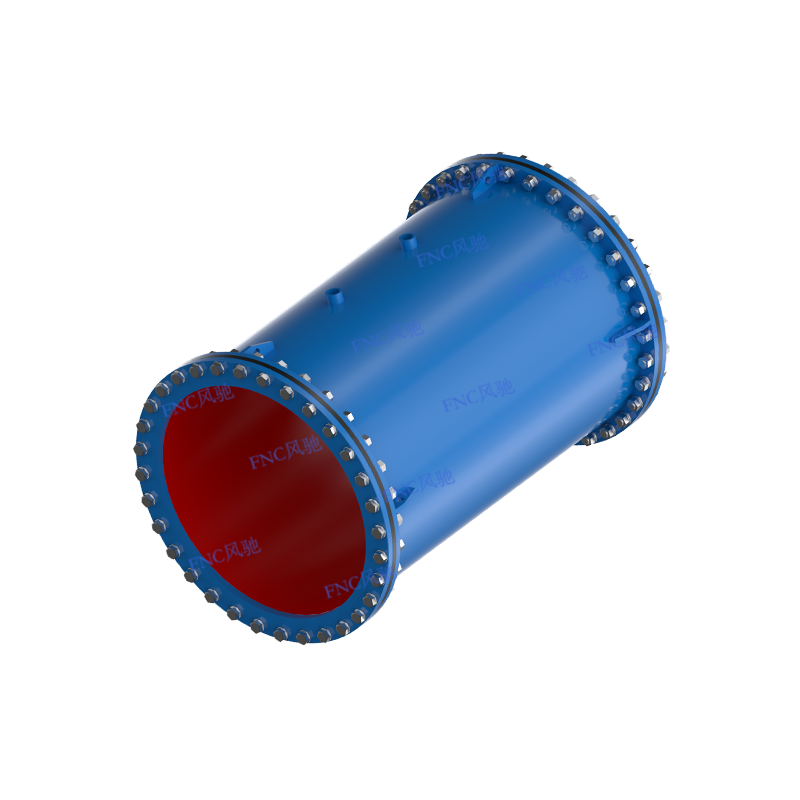
Air Operated pinch valves offer a unique and cost-effective solution for fluid control problems. The secret lies in the rubber valve sleeve - the onl...
See Details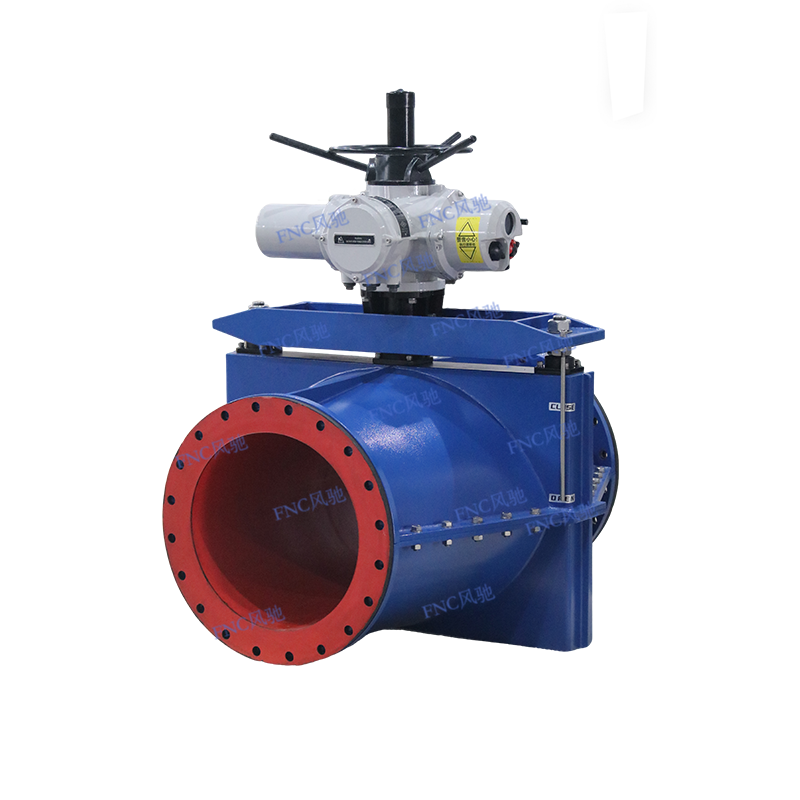
Compared to ordinary pinch valves, large-diameter pinch valves have much higher production requirements. As the “core component” of the pinch valve, t...
See Details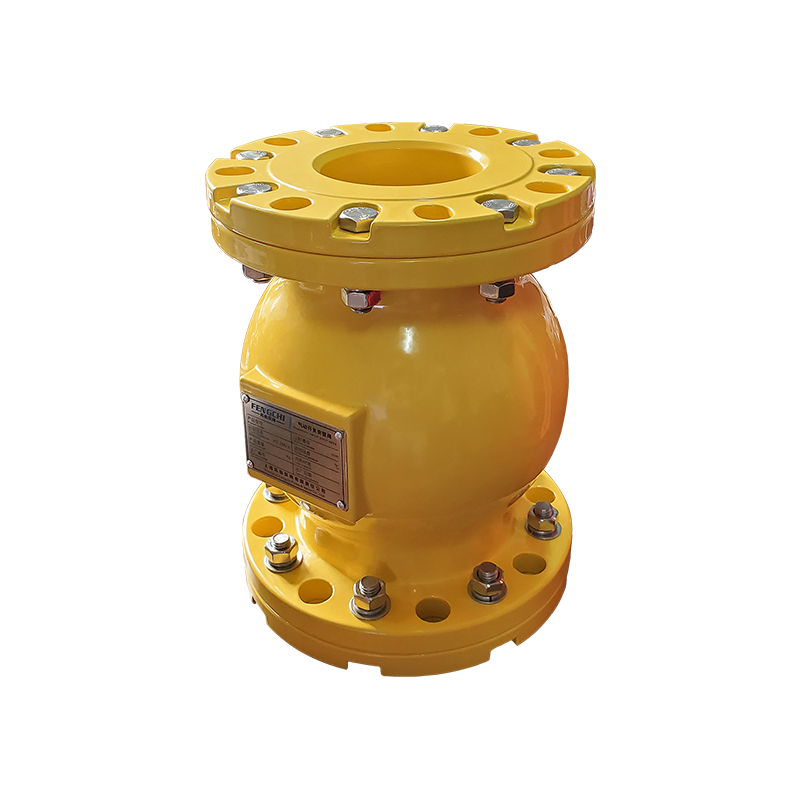
Air Operated pinch valves offer a unique and cost-effective solution for fluid control problems. The secret lies in the rubber valve sleeve - the onl...
See Details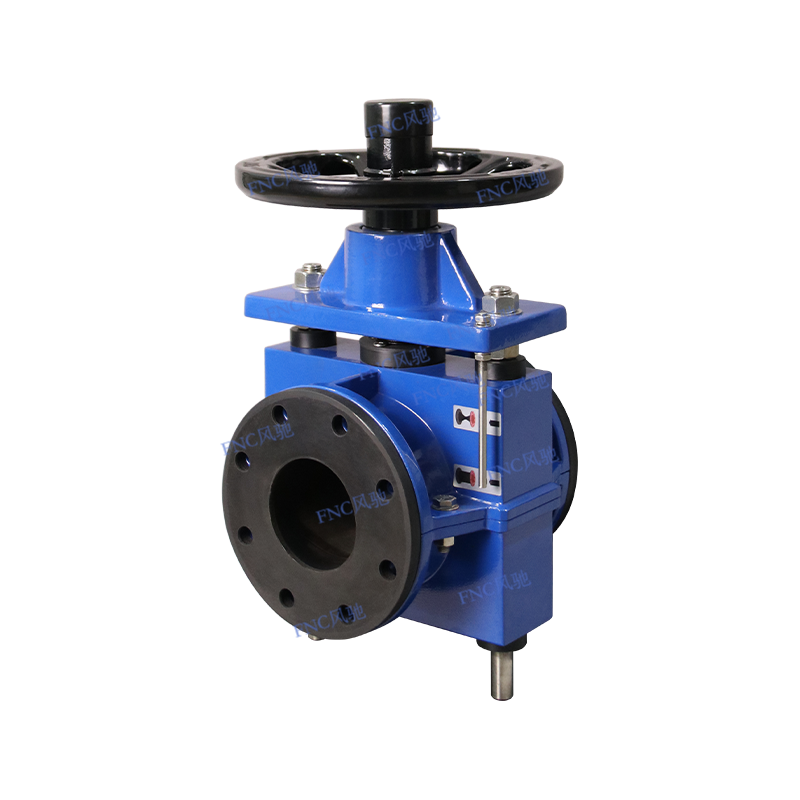
The operating principle of the FNC® enclosed pinch valve is straightforward. When in the open position, the valve provides a full-bore passage, allowi...
See Details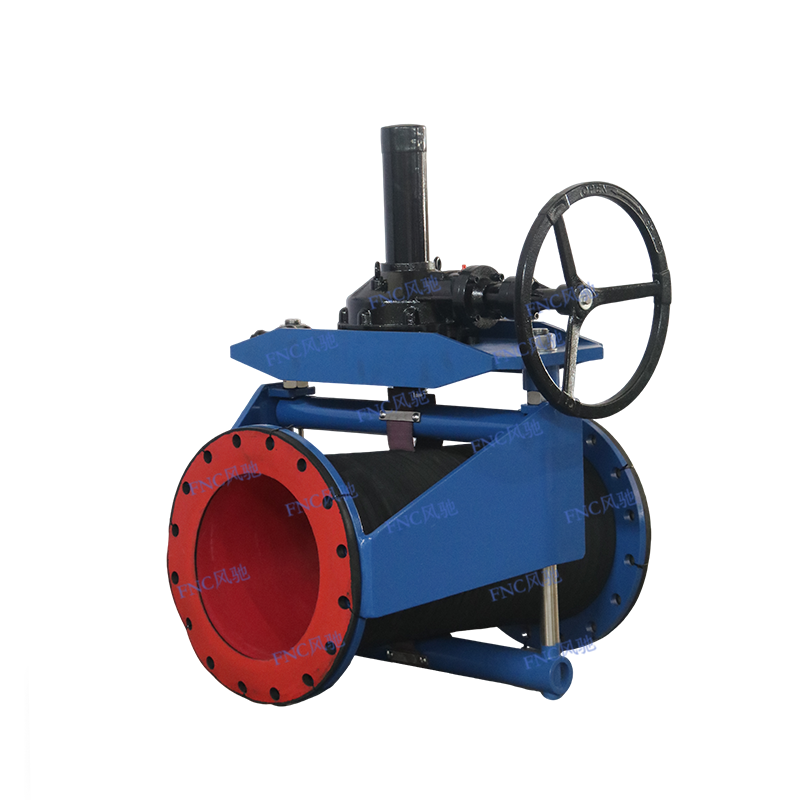
The operating principle of the FNC® enclosed pinch valve is straightforward. When in the open position, the valve provides a full-bore passage, allowi...
See Details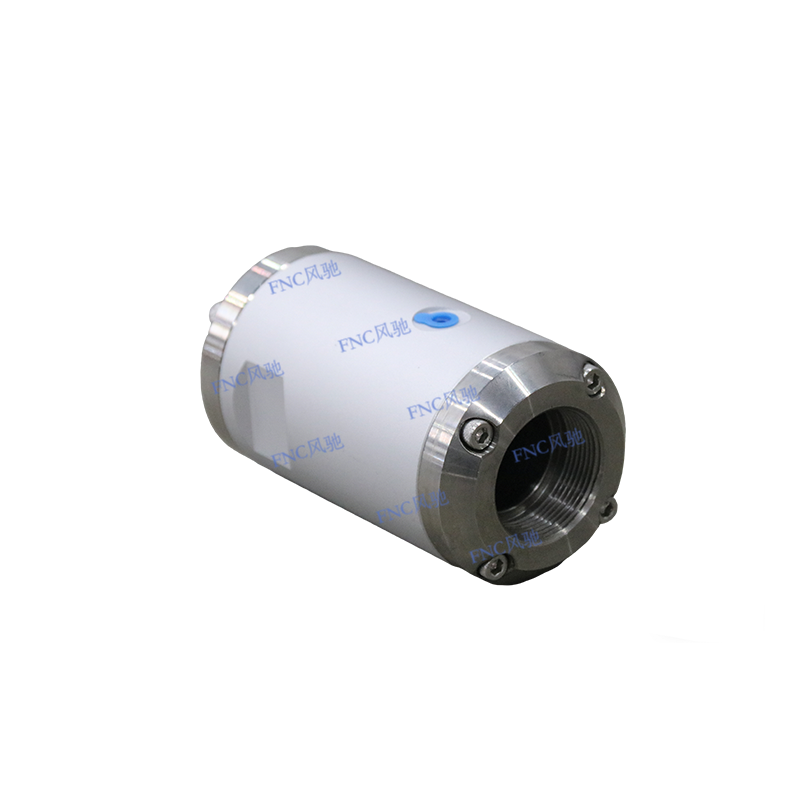
Air Operated pinch valves offer a unique and cost-effective solution for fluid control problems. The secret lies in the rubber valve sleeve - the onl...
See Details
Phone: +86-136 7173 4086

Tel: +86-563 5033 866

Email: red@pinchvalves.com.cn

Address:
