

 EN
EN

 English
 русский
 Español
Rollers Hose Pump
Cat:Hose Pump
Hose pumps fall under the category of peristaltic pumps. The FNC Hose Pump is capable of conveying highly abrasive media. It features no valves or sea...
See DetailsContent
In industrial fluid handling, the choice of pump technology has direct consequences on operational uptime, maintenance frequency, and long-term cost efficiency. A positive displacement pump works by trapping a fixed volume of fluid and forcing it through the discharge outlet with each cycle — a mechanism fundamentally different from centrifugal pumps, which rely on rotational velocity to move fluid. This distinction matters enormously in demanding environments such as mining, chemical processing, and slurry transport, where fluid viscosity, abrasive content, and pressure consistency cannot be left to chance.
The core advantage of a positive displacement pump is its ability to deliver a consistent, predictable flow rate regardless of changes in system pressure. Where centrifugal pumps lose efficiency and flow accuracy as backpressure increases, positive displacement designs maintain output integrity. This makes them the preferred solution wherever precise dosing, high-viscosity media, or abrasive slurries are involved — conditions that are routine in large-scale mining and industrial processing operations worldwide.
Among the various designs within the positive displacement pump family, the hose pump — also referred to as a peristaltic pump — has earned a distinct reputation for versatility and low maintenance in abrasive or corrosive fluid applications. Its operating principle is elegantly simple: a rotor with rollers or shoes compresses a reinforced hose in sequence, creating a traveling compression wave that pushes fluid forward. The fluid never contacts any mechanical component other than the interior of the hose itself.
This design delivers several practical advantages that are difficult to replicate with other pump types:
When the hose eventually wears — the only consumable component in the system — replacement is straightforward and requires no special tools or pump disassembly beyond removing the casing cover. This maintenance simplicity translates directly into reduced downtime and lower total servicing costs over the pump's operational life.
Not all positive displacement pump designs perform equally across every application. Understanding the strengths and limitations of the most common types helps engineers and procurement managers select the right solution for their specific process requirements.
| Pump Type | Best For | Key Limitation | Seal Requirement |
|---|---|---|---|
| Hose Pump | Abrasive slurries, corrosive media | Hose wear at high pressures | None (seal-free) |
| Gear Pump | Clean, viscous fluids | Not suitable for abrasive media | Mechanical seal required |
| Diaphragm Pump | Chemical dosing, sensitive fluids | Diaphragm fatigue over time | None |
| Screw Pump | High-pressure, continuous flow | Complex maintenance | Mechanical seal required |
| Piston Pump | Very high pressure applications | Pulsating flow, higher noise | Packing or mechanical seal |
For operations involving high-solids slurries, chemically aggressive fluids, or environments where seal leakage poses safety or contamination risks, the hose pump consistently emerges as the most practical and cost-effective positive displacement pump solution available.
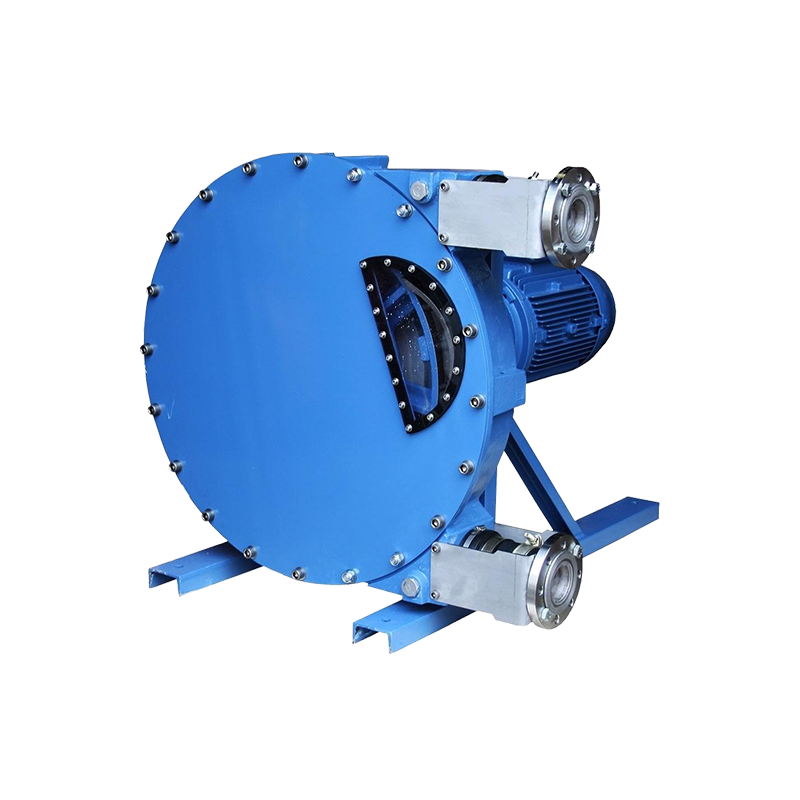
The hose pump's combination of seal-free construction, abrasion resistance, and self-priming capability makes it particularly well-suited to a specific range of industrial applications where conventional pump technologies struggle to maintain reliable performance.
Large mines represent one of the most demanding environments for any fluid handling equipment. Slurries containing sharp mineral particles at high concentrations rapidly destroy the internal components of centrifugal and gear-type positive displacement pump designs. The hose pump isolates all mechanical parts from the fluid completely — wear is confined to the hose, which is far cheaper and faster to replace than impellers, gears, or mechanical seals. Anhui Fengchi Pump Valve Manufacturing Co., Ltd. has established a strong track record in mine-site deployments, with products recognized for their wear resistance, corrosion resistance, and maintenance-free operational profile across both domestic and international large-scale mining projects.
In chemical processing and wastewater treatment plants, the hose material can be specified to resist a wide range of aggressive substances — including acids, alkalis, and solvents — allowing the positive displacement pump to handle fluids that would rapidly corrode metal pump internals. The zero-leakage characteristic is particularly valuable in these environments, where fluid containment is both an environmental and a regulatory requirement.
High-density construction slurries such as concrete, grout, and cement pose extreme challenges for most pump types due to their high solids content and tendency to set if flow stops. The hose pump handles these materials effectively, and its reversible flow capability allows lines to be back-flushed to prevent hardening — a practical feature that significantly extends equipment service intervals in construction applications.
The performance of a positive displacement pump over its operational lifespan is inseparable from the quality of its materials and the rigor of its manufacturing process. For hose pumps specifically, the hose itself is the critical component: its compound formulation, reinforcement structure, and vulcanization quality determine resistance to both mechanical fatigue and chemical attack.
Anhui Fengchi Pump Valve Manufacturing Co., Ltd. operates large-scale vulcanization equipment and rubber refining facilities, supported by comprehensive rubber raw material testing infrastructure. This in-house capability allows precise control over hose compound properties — hardness, elongation, chemical compatibility, and fatigue resistance — ensuring that each hose element meets the specific demands of its intended application rather than relying on generic off-the-shelf materials.
The company's manufacturing quality is independently validated through a comprehensive set of international certifications:
These certifications are not merely administrative achievements — they represent a manufacturing culture built around process discipline, traceability, and continuous improvement, all of which directly contribute to the field reliability that end users depend on.
For procurement engineers and plant managers, the initial purchase price of a positive displacement pump is rarely the most significant cost over the equipment's service life. Maintenance labor, spare parts, unplanned downtime, and energy consumption collectively determine the true total cost of ownership — and this is where the hose pump's design philosophy delivers its most compelling financial argument.
Because the hose is the only wear component, spare parts inventory is dramatically simplified. There are no impellers, mechanical seals, gland packing sets, or valve assemblies to stock — just hose elements matched to the pump model and application chemistry. Planned hose replacement intervals can be established based on application-specific wear data, converting what would otherwise be unpredictable breakdowns into scheduled maintenance events with minimal production impact.
Anhui Fengchi Pump Valve Manufacturing Co., Ltd. structures its customer support around this principle — extending equipment maintenance cycles, reducing the frequency and cost of downtime, and delivering greater long-term value per unit invested. For operations running around the clock in remote or high-output environments, this commitment to post-sale reliability is as important as the technical specification of the pump itself.
Selecting a high-quality hose pump from a manufacturer with certified production processes, in-house materials expertise, and a proven international deployment record is the most effective way to ensure that your positive displacement pump investment delivers consistent, cost-efficient performance across its full operational life.
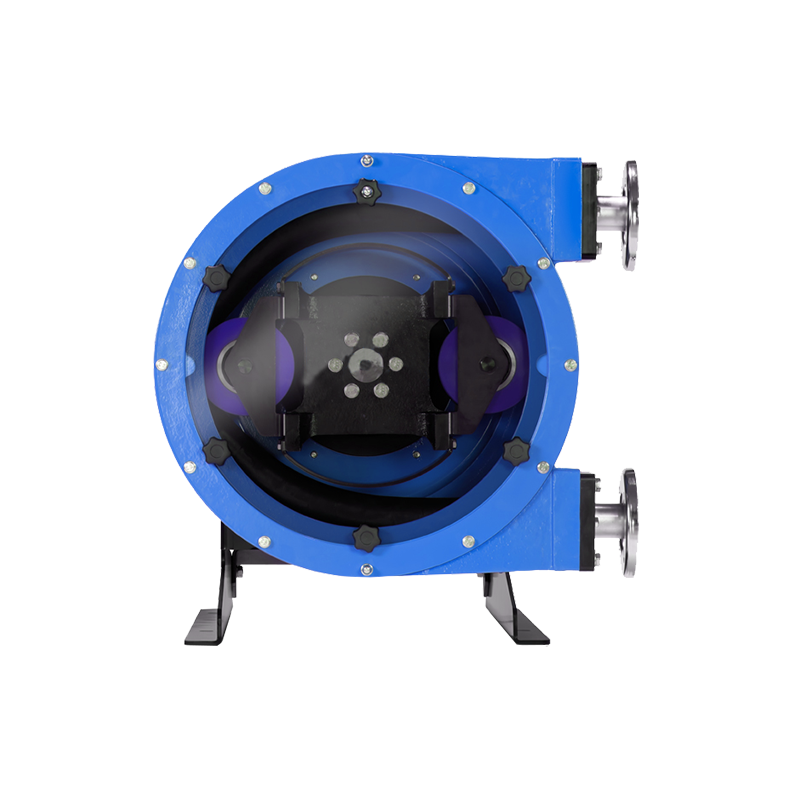
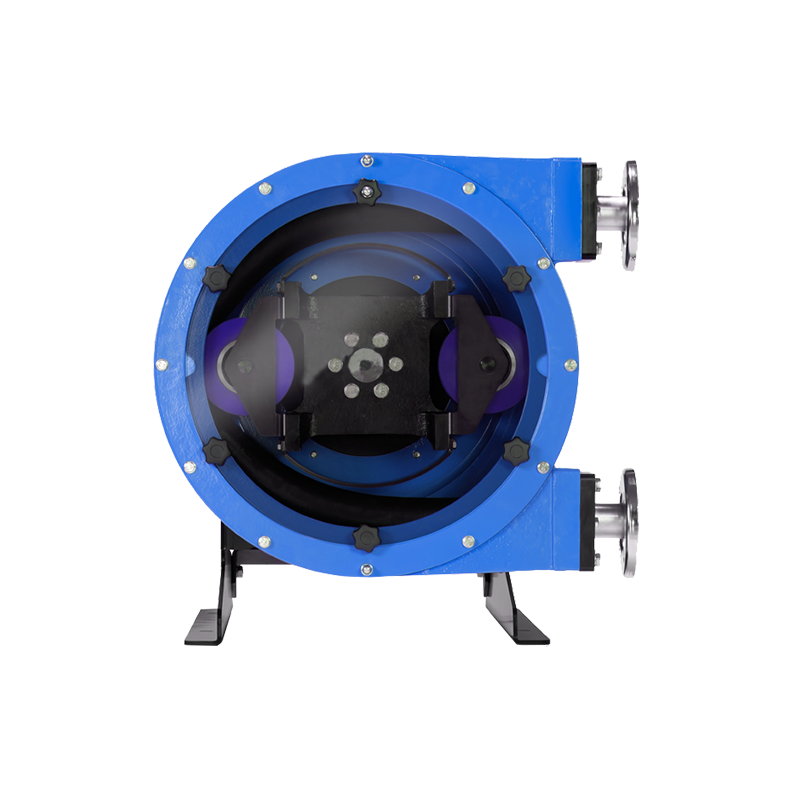
Hose pumps fall under the category of peristaltic pumps. The FNC Hose Pump is capable of conveying highly abrasive media. It features no valves or sea...
See Details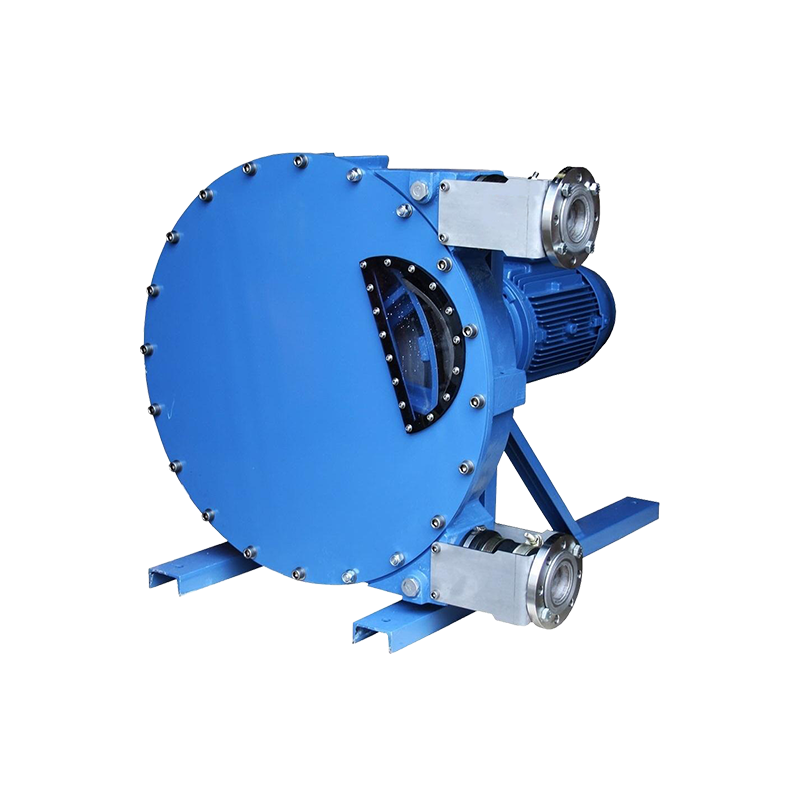
Hose pumps fall under the category of peristaltic pumps. The FNC Hose Pump is capable of conveying highly abrasive media. It features no valves or sea...
See Details
Phone: +86-136 7173 4086

Tel: +86-563 5033 866

Email: red@pinchvalves.com.cn

Address:
