

 EN
EN

 English
 русский
 Español
Mini Air Operated Pinch Valves
Cat:Air Operated Pinch Valves
Air Operated pinch valves offer a unique and cost-effective solution for fluid control problems. The secret lies in the rubber valve sleeve - the onl...
See DetailsContent
In fluid control engineering, the choice of valve technology directly affects system reliability, maintenance costs, and process safety. The air operated pinch valve stands apart from conventional valve designs through a fundamentally different operating principle — one that removes nearly all internal mechanical complexity from the fluid path. Rather than relying on discs, seats, stems, or rotating elements, the entire flow-control function is performed by a single flexible rubber sleeve compressed by regulated air pressure. This deceptively simple architecture delivers performance advantages that more complex valve designs often cannot match, particularly in demanding or abrasive service conditions.
Unlike gate valves or ball valves, where the actuating mechanism is physically separate and must be bolted or coupled to the valve body, an air operated pinch valve integrates the drive function directly into the valve casing. Pressurized air is introduced into the annular space between the outer valve body and the rubber sleeve. As pressure builds, the sleeve collapses inward, progressively restricting and ultimately sealing the flow passage. When air pressure is released, the inherent elasticity of the rubber restores the sleeve to its full bore open position. No additional actuator is required — the valve body itself is the actuator.
The rubber sleeve is the operational heart of every air operated pinch valve, and understanding its behavior explains why this valve type achieves what other designs struggle to deliver: consistent zero leakage pinch valve performance even when solid particles are present in the flow stream. When a conventional valve attempts to seal around a particle lodged on the seat surface, the rigid geometry of the seat prevents full closure and creates a leak path. The rubber sleeve behaves differently — it deforms elastically around any residual particles, conforming to their shape and maintaining an effective seal without damage to either the sleeve or the particle.
The sealed area extends across approximately 95% of the total valve length when fully closed. This extended sealing zone is far greater than the single-line contact of a ball or butterfly valve seat, and it means that the closure force is distributed broadly rather than concentrated at a single point. The result is a reliable, full-bore shutoff that does not depend on precision-machined metal-to-metal contact. For processes handling crystallizing fluids, slurry with suspended solids, or granular dry materials, this characteristic is operationally critical — it means the valve closes cleanly every cycle, regardless of what is suspended in the medium at the moment of actuation.
The air pressure required to achieve full closure is defined by a straightforward relationship: the supply pressure needs to be approximately 2 bar above the operating pipeline pressure. This clear and predictable control parameter makes system design and pressure regulation straightforward, and it ensures that the valve closes with consistent and sufficient force across a range of line pressures.
Few industrial applications are more destructive to conventional valve components than slurry service. Slurries — suspensions of abrasive solid particles in liquid — erode metal seats, score plug and disc surfaces, and clog the internal cavities and dead zones present in most valve designs. A pinch valve for slurry eliminates these failure modes by removing the problematic components entirely. Because the rubber sleeve is the only element that contacts the process medium, and because it has no internal cavities, recesses, or geometrical discontinuities, there is simply nowhere for abrasive material to accumulate or for erosive flow to concentrate.
When the valve is fully open, the bore of the rubber sleeve presents a smooth, unobstructed cylindrical passage equivalent to a straight section of pipe. Flow velocity is undisturbed, turbulence is minimal, and abrasive particles pass through without impacting any mechanical component. This full-bore, low-turbulence flow geometry is essential in slurry applications where even minor flow restrictions can cause settling, blockage, or accelerated erosion at restriction points.
Conventional automated valves — whether pneumatically, hydraulically, or electrically actuated — require a discrete actuator unit mounted to the valve body through a bracket and coupling assembly. This external actuator represents a significant portion of the total valve package cost, adds mechanical complexity, requires its own maintenance schedule, and introduces additional potential failure points. The air operated pinch valve removes this entire assembly from the equation. Because compressed air acts directly on the valve casing to compress the sleeve, the valve body functions as its own integrated drive device.
This integration eliminates the cost of the actuator itself, removes the need for mounting brackets and stem couplings, and simplifies the overall valve profile. There are no external handles, pistons, gearboxes, or rotating shafts projecting from the valve body. The result is a compact, low-profile installation that is well-suited to congested pipework, confined spaces, and locations where a conventional valve with external actuator would be physically impractical to install or service.
The maintenance economics of the air operated pinch valve are among its most compelling practical advantages. Because there are no valve seats, sealing packings, stem seals, or internal mechanical components in contact with the process fluid, the range of parts subject to wear or corrosion is reduced to essentially one: the rubber sleeve. There are no packing glands to adjust or replace, no metal seating surfaces to lap or regrind, and no stem seals to monitor for leakage.
| Feature | Air Operated Pinch Valve | Conventional Valve |
| Wearing parts in fluid path | Rubber sleeve only | Seat, disc/plug, stem, packing |
| Risk of particle jamming | None — no gaps or dead corners | High — internal cavities trap debris |
| External actuator required | No | Yes |
| Shut-off with suspended solids | Zero leakage | Potential bypass leakage |
| Suitability for harsh environments | Excellent — no external moving parts | Limited — exposed actuator components |
When the sleeve does eventually require replacement — after an extended service life determined by the nature and temperature of the process fluid — the procedure is straightforward and does not require specialized tooling or technical expertise beyond what a standard maintenance technician possesses. Sleeve replacement is a fraction of the cost and time associated with overhauling a conventional valve with multiple internal components.
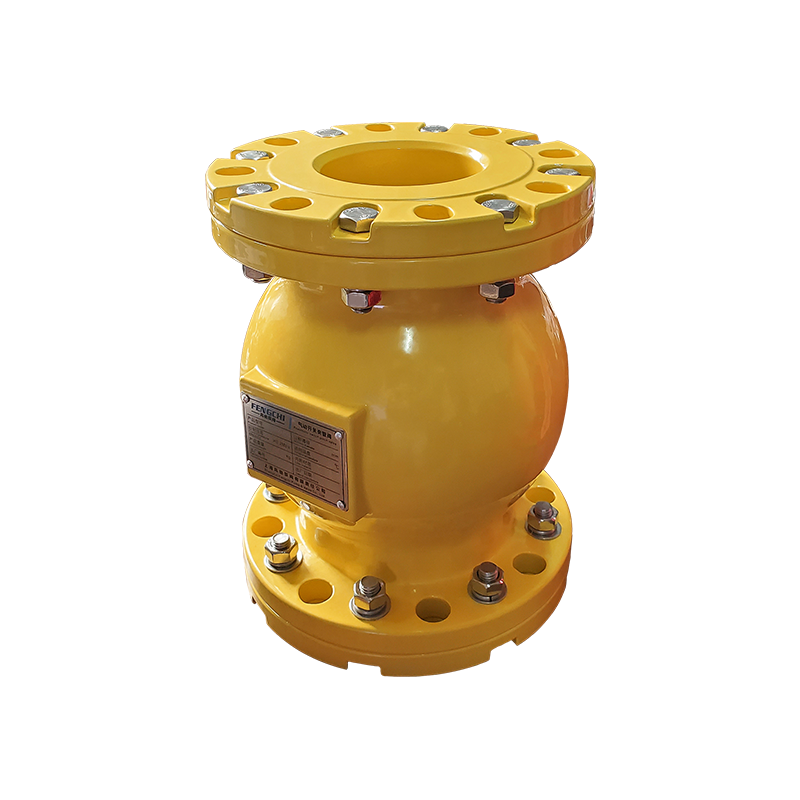
The absence of external moving parts — no handles, levers, pistons, rotating shafts, or protruding actuator housings — makes the air operated pinch valve particularly appropriate for installations where access is restricted or environmental conditions are severe. In offshore platforms, underground mining operations, chemical containment areas, or dusty and corrosive outdoor environments, the failure of external actuator components is a persistent maintenance challenge. Exposed gearboxes corrode, piston rods seize, and limit switches fail in conditions of high humidity, extreme temperature, or chemical exposure.
The pinch valve's enclosed, actuator-free design has no such vulnerabilities. The only connection to the valve is the compressed air supply line — a single, simple interface that can be routed from a safe or accessible location to wherever the valve is installed. This characteristic significantly reduces unplanned shutdowns caused by actuator malfunction, and it makes the valve suitable for genuinely remote or inaccessible pipeline sections where maintenance interventions must be minimized.
While the operating principle of the air operated pinch valve is consistent across all applications, the choice of sleeve material must be matched carefully to the specific process conditions. The sleeve is the only component in direct contact with the medium, so its chemical compatibility, temperature rating, and mechanical properties determine the valve's suitability and service life in a given application.
Matching sleeve material to application conditions is not a secondary consideration — it is the primary specification decision for any air operated pinch valve installation. Correct material selection ensures that the valve's inherent wear resistance and zero leakage capability are sustained throughout its intended service life, protecting both the process and the investment in the valve system.
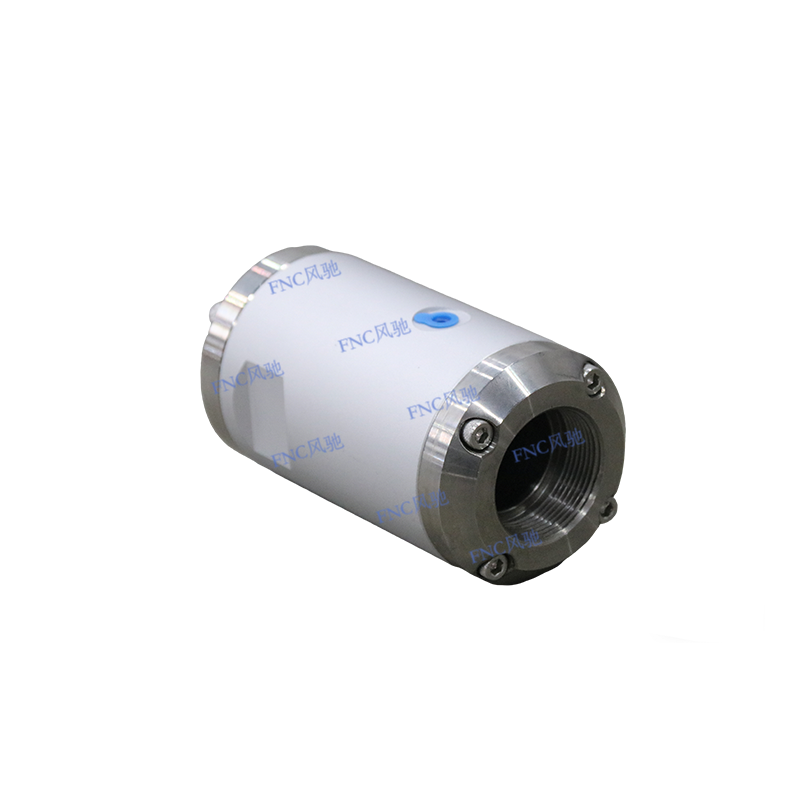
Air Operated pinch valves offer a unique and cost-effective solution for fluid control problems. The secret lies in the rubber valve sleeve - the onl...
See Details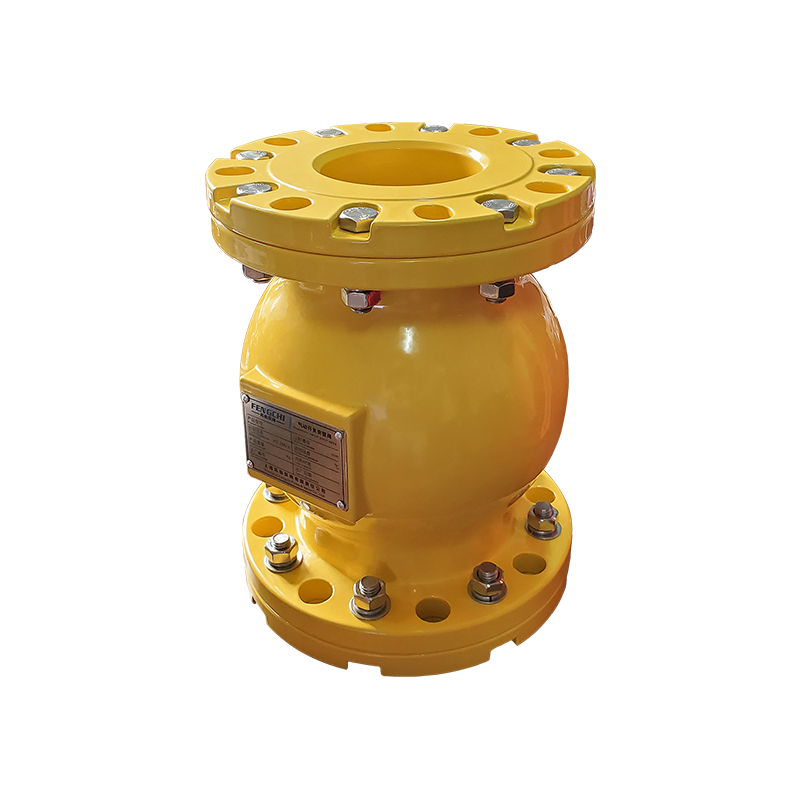
Air Operated pinch valves offer a unique and cost-effective solution for fluid control problems. The secret lies in the rubber valve sleeve - the onl...
See Details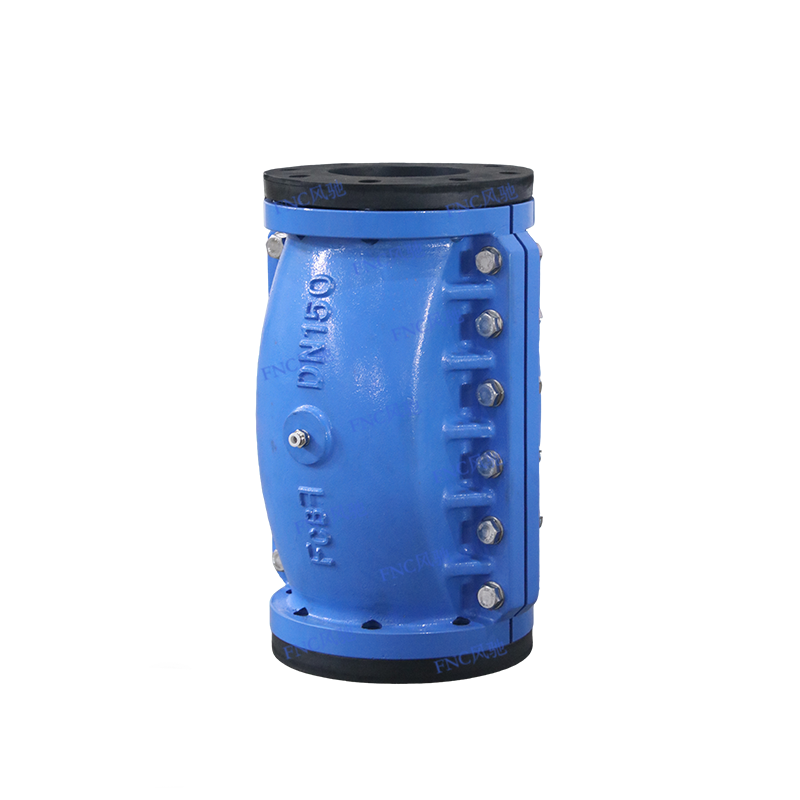
Air Operated pinch valves offer a unique and cost-effective solution for fluid control problems. The secret lies in the rubber valve sleeve - the onl...
See Details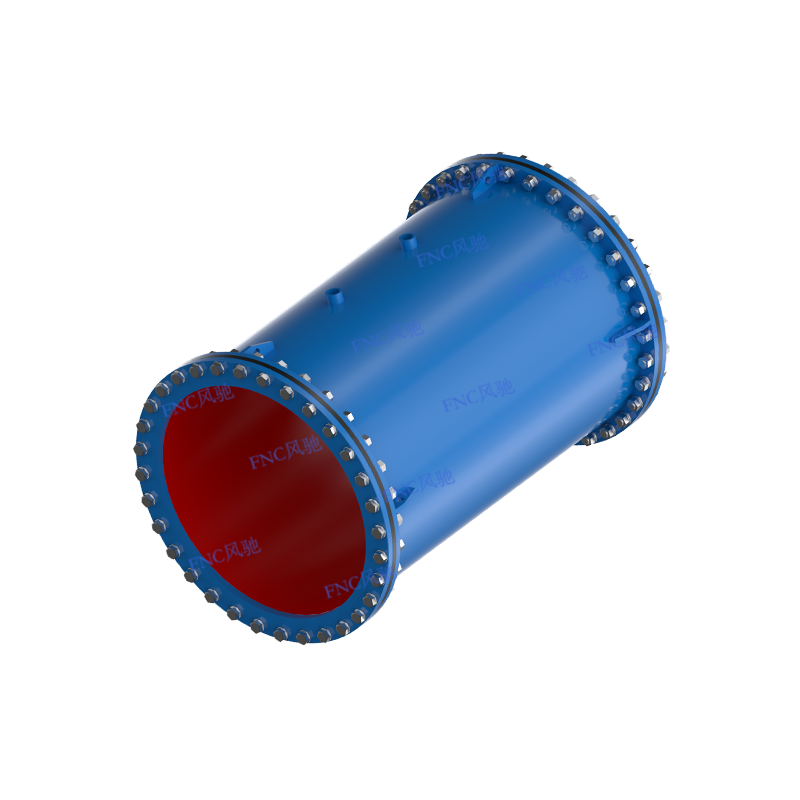
Air Operated pinch valves offer a unique and cost-effective solution for fluid control problems. The secret lies in the rubber valve sleeve - the onl...
See Details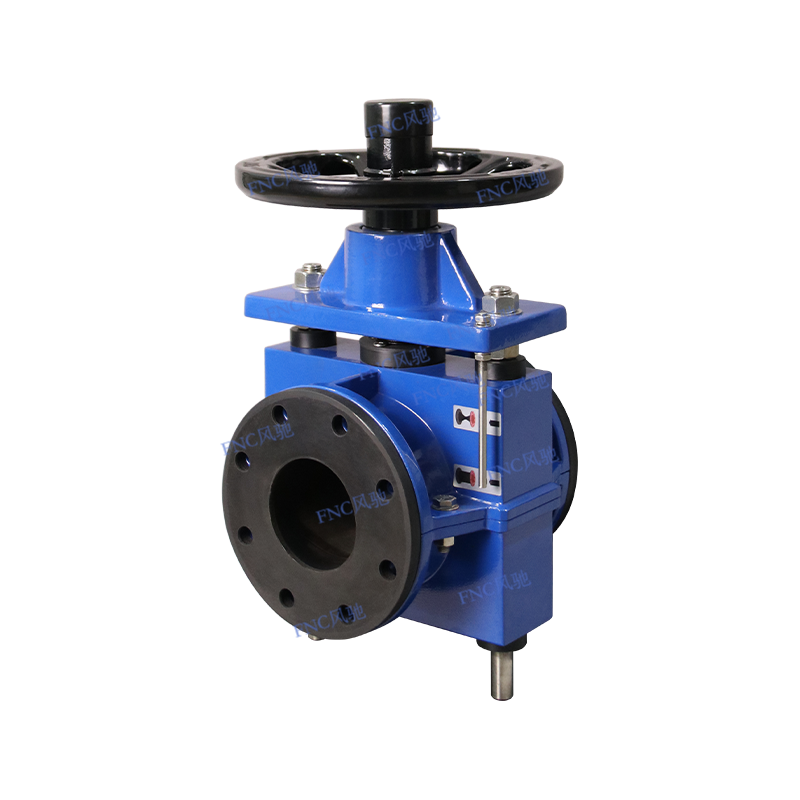
The operating principle of the FNC® enclosed pinch valve is straightforward. When in the open position, the valve provides a full-bore passage, allowi...
See Details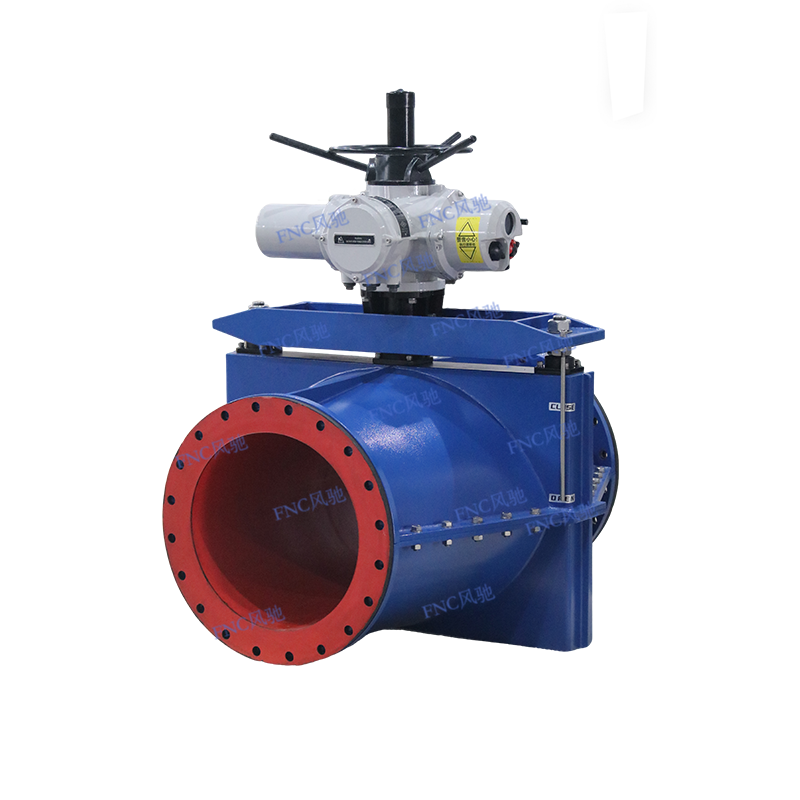
Compared to ordinary pinch valves, large-diameter pinch valves have much higher production requirements. As the “core component” of the pinch valve, t...
See Details
Phone: +86-136 7173 4086

Tel: +86-563 5033 866

Email: red@pinchvalves.com.cn

Address:
