

 EN
EN

 English
 русский
 Español
Closed Body Pinch Valve
Cat:Pinch Valves
The operating principle of the FNC® enclosed pinch valve is straightforward. When in the open position, the valve provides a full-bore passage, allowi...
See DetailsGlobal demand for pinch valves has grown steadily as industries operating under harsh conditions — mining, mineral processing, cement production, wastewater treatment, and chemical handling — require fluid control solutions that outlast conventional valve types under abrasive, corrosive, and high-solids service. China has become the world's leading source for industrial pinch valves, combining advanced rubber vulcanization technology, large-scale manufacturing infrastructure, and competitive pricing that makes high-performance valve procurement accessible to international buyers. This guide examines what buyers should look for when selecting a pinch valve manufacturer China, what distinguishes a capable China pinch valve factory from a commodity supplier, and how to evaluate certifications, technical capabilities, and product range before placing an order.
Content
A pinch valve operates on a fundamentally different principle from gate, ball, or butterfly valves. Rather than using a metal disc, gate, or plug to interrupt flow, a pinch valve compresses a flexible elastomeric sleeve to shut off or throttle the media stream. The critical advantage of this design is that only the sleeve contacts the process fluid — the valve body, actuator, and all mechanical components remain completely isolated from the media. In abrasive slurry service, this means the mechanical components never wear from contact with particles. In corrosive chemical service, it means no metal surfaces are exposed to aggressive media. The result is a valve with dramatically lower maintenance requirements and a service life that can be four to six times longer than conventional alternatives operating in the same conditions.
The full-bore design of a pinch valve adds further operational advantages. When fully open, the flow path through the valve is unobstructed and equal in diameter to the connecting pipe — there is no pressure loss, no cavities where solids can accumulate, and no dead zones that create blockage or contamination risk. For applications handling slurries, dry powder, fiber-containing fluids, or two-phase gas-solid flows, this design characteristic is not a minor benefit — it is the primary reason pinch valves are specified over every alternative. These performance characteristics explain why large mines, cement plants, power generation facilities, and mineral processing operations worldwide rely on pinch valves as their standard fluid control solution for demanding service points.
China's industrial valve manufacturing sector includes hundreds of producers, ranging from small assembly operations to vertically integrated factories with in-house rubber compound development, large-scale vulcanization equipment, and comprehensive testing facilities. The difference between these tiers is significant, and it directly determines product reliability in the field. A serious pinch valve manufacturer China must demonstrate capability across three core areas: rubber materials technology, mechanical engineering, and quality systems management.
The elastomeric sleeve is the single most critical component in any pinch valve. Its compound formulation determines resistance to abrasion, chemical attack, temperature extremes, and mechanical fatigue from repeated compression cycles. A capable China pinch valve factory operates its own rubber refining and compounding equipment, maintains a full suite of raw material testing facilities, and can develop or qualify sleeve compounds tailored to specific service conditions. Large-scale vulcanization equipment — the industrial presses and autoclaves used to cure the rubber sleeve under controlled temperature and pressure — determines the maximum sleeve size the factory can produce and the consistency of cure quality across production batches. Factories with large-format vulcanization capability can manufacture sleeves for DN50 through DN1200 pipe sizes or larger, covering the full range from instrument-scale control valves to large-bore mine discharge lines.
Beyond standard low-pressure applications, industrial buyers increasingly require pinch valves rated for elevated operating pressures and capable of meeting international dimensional and performance standards. A manufacturer with genuine design capability — rather than one that simply copies existing designs — will maintain an engineering team capable of developing both standardized product series for common applications and customized high-pressure configurations for specialized service points. This includes the ability to design and validate valve bodies in ductile iron, carbon steel, or stainless steel with pressure ratings from PN6 through PN16 and beyond, and to engineer actuation systems — manual handwheel, pneumatic cylinder, hydraulic actuator, or electric actuator — that match the required operating force and cycle frequency of the application.
For international procurement, certifications are not merely administrative requirements — they are evidence that a manufacturer has implemented documented quality systems and subjected its processes to independent third-party audit. The baseline expectation for any credible pinch valve manufacturer China is ISO 9001 quality management system certification. Beyond this, manufacturers serving export markets should hold ISO 14001 Environmental Management System certification and ISO 45001 Occupational Health and Safety Management certification, demonstrating operational discipline across environmental and safety dimensions in addition to quality. For products destined for European markets, EU CE certification confirms conformity with applicable EU directives. RoHS certification addresses hazardous substance restrictions relevant for valves used in applications with environmental or regulatory sensitivity. Buyers should request current, valid certificates — not expired documents — and verify issuing body credentials before relying on certification status as a procurement qualifier.
A full-service China pinch valve factory will offer the complete range of valve body configurations and actuation types required to cover the breadth of industrial applications. Understanding the distinctions between these types helps buyers specify the correct product for each service point.
| Valve Type | Body Configuration | Typical Application |
|---|---|---|
| Manual Pinch Valve | Open or closed body; handwheel actuated | Isolation and throttling where manual operation is practical |
| Air Operated Pinch Valve | Closed body; compressed air actuation | Automated on/off control in slurry, pulp, and powder service |
| Pneumatic Pinch Valve | Open or closed body; pneumatic cylinder | High-cycle automated service in mining and mineral processing |
| Electric Pinch Valve | Closed body; electric actuator (220V/380V) | Remote control, multi-valve linkage, process automation |
| Hydraulic Pinch Valve | Heavy-duty closed body; hydraulic actuator | High-pressure large-bore service in heavy industry |
Sleeve material selection is equally important to valve type. The most commonly specified elastomers include natural rubber (NR) for general abrasion resistance, EPDM for chemical and ozone resistance, nitrile (NBR) for oil and hydrocarbon service, and CSM (Hypalon) for aggressive chemical environments. A technically capable manufacturer will recommend the appropriate sleeve compound based on the specific media composition, temperature, concentration, and required cycle life — not simply supply the lowest-cost option by default.
Beyond price competitiveness, there are several structural advantages to sourcing pinch valves from an established Chinese manufacturer that extend well beyond the initial unit cost comparison.
With many producers competing in the export market, distinguishing a technically capable manufacturer from a lower-quality alternative requires a systematic evaluation approach. The following checklist covers the most important verification points before committing to a supplier relationship.
Selecting the right China pinch valve factory is a decision that pays long-term dividends in reduced downtime, lower maintenance expenditure, and extended valve service life. The best manufacturers combine rubber materials expertise, certified quality management, broad product range, and genuine engineering customization capability — delivering fluid control solutions that perform reliably under the harshest industrial conditions while reducing the total cost of ownership compared to conventional valve alternatives.
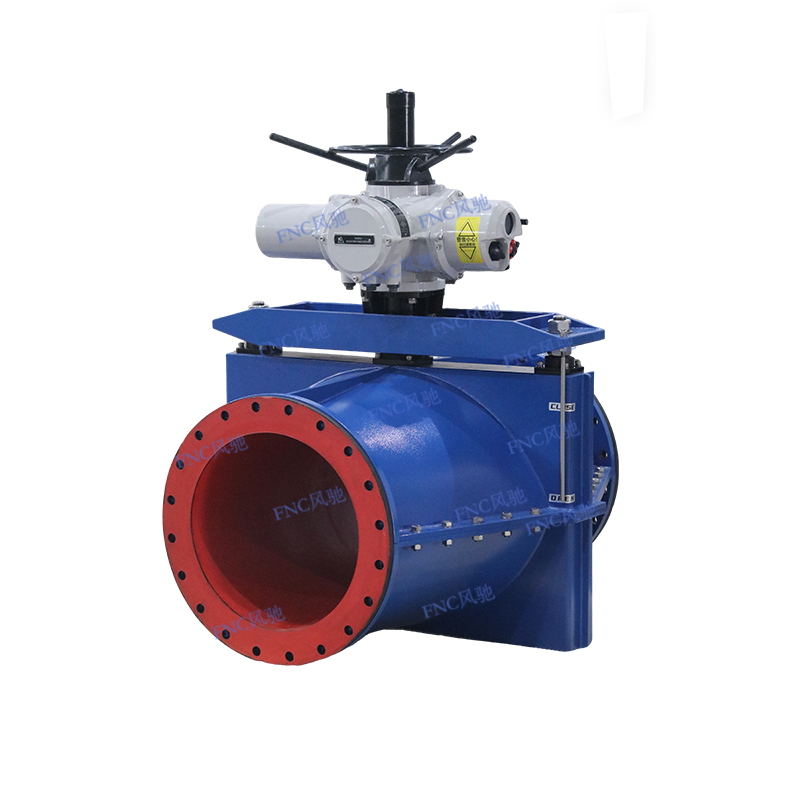
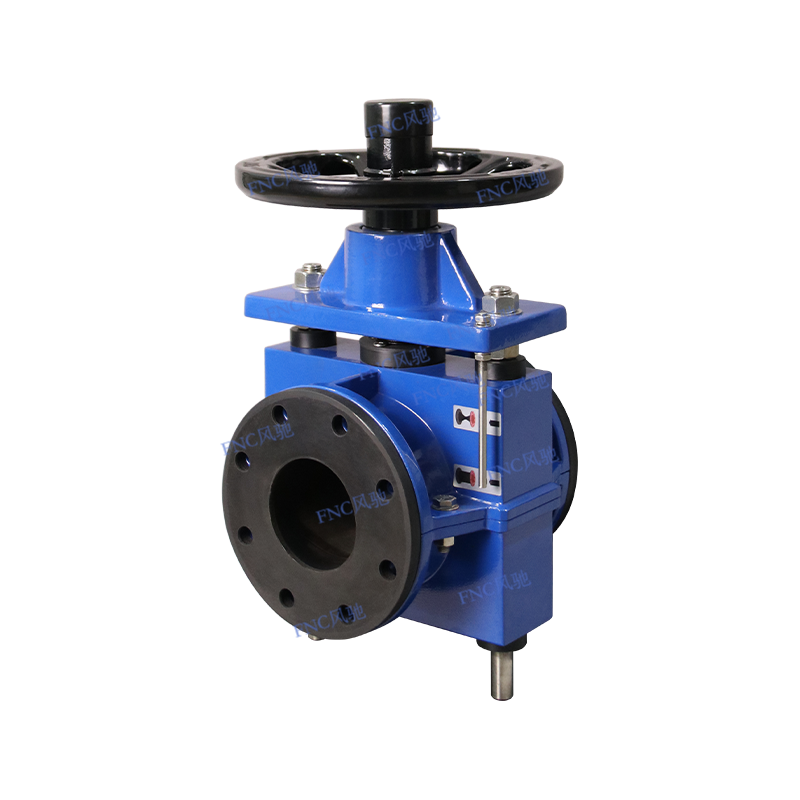
The operating principle of the FNC® enclosed pinch valve is straightforward. When in the open position, the valve provides a full-bore passage, allowi...
See Details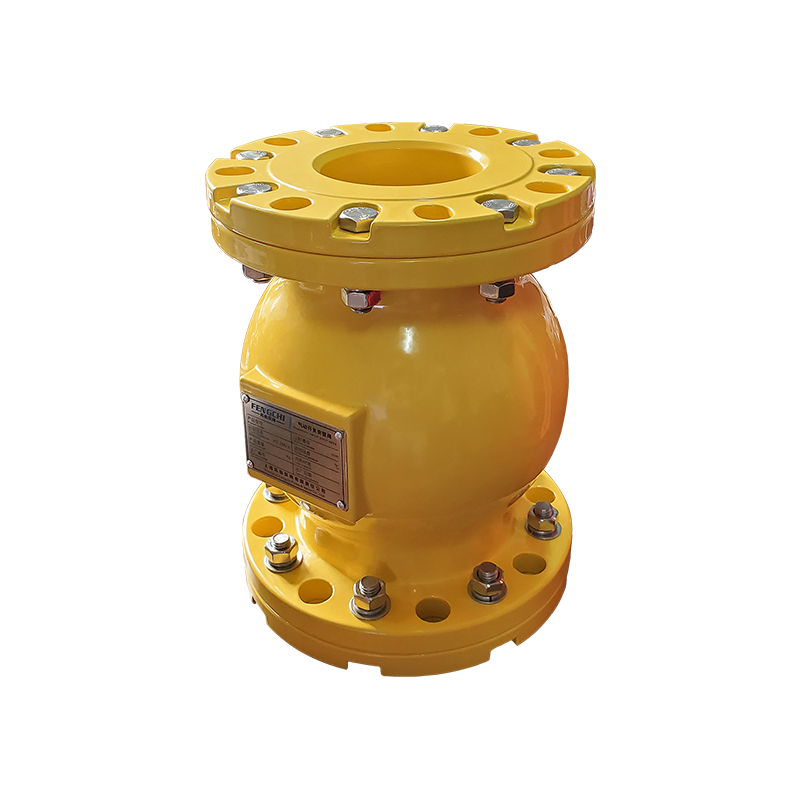
Air Operated pinch valves offer a unique and cost-effective solution for fluid control problems. The secret lies in the rubber valve sleeve - the onl...
See Details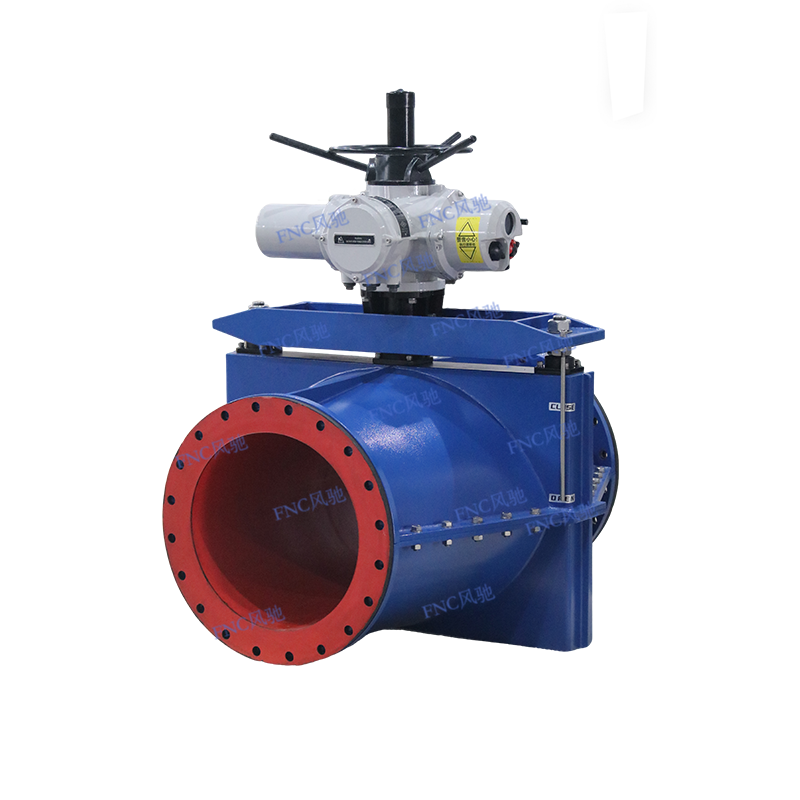
Compared to ordinary pinch valves, large-diameter pinch valves have much higher production requirements. As the “core component” of the pinch valve, t...
See Details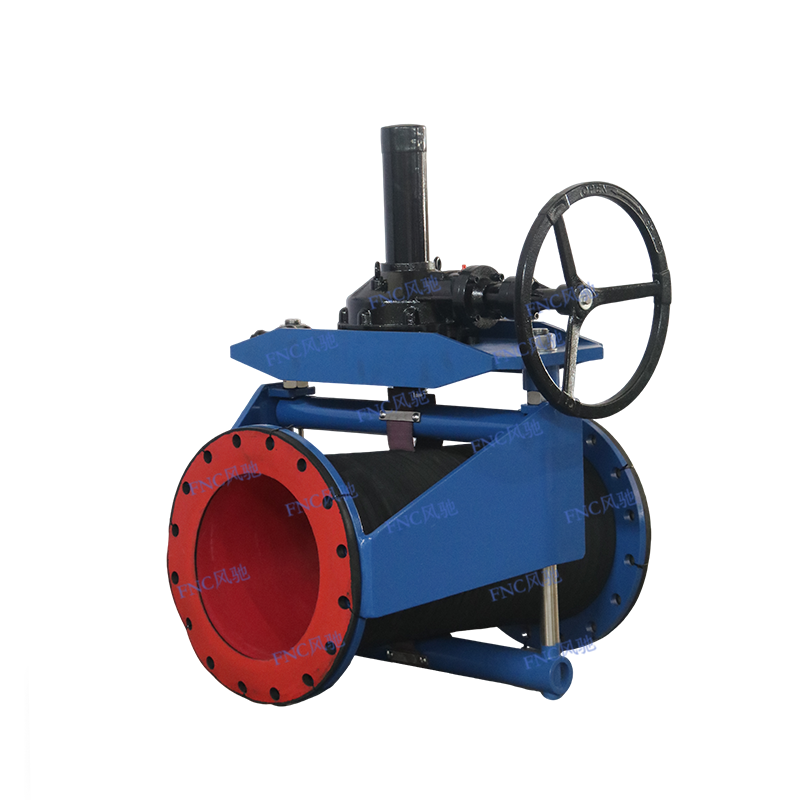
The operating principle of the FNC® enclosed pinch valve is straightforward. When in the open position, the valve provides a full-bore passage, allowi...
See Details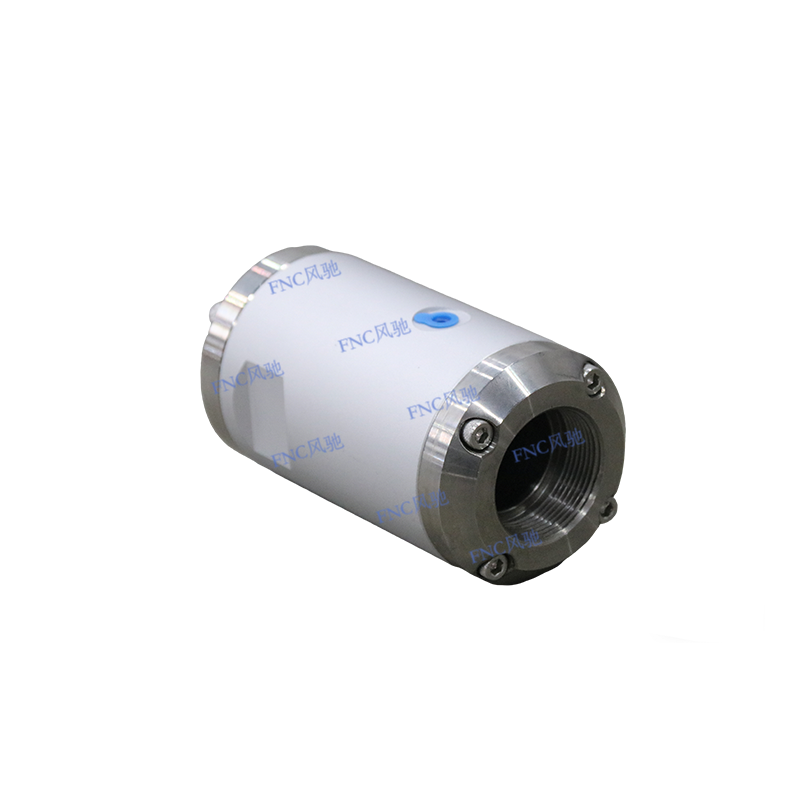
Air Operated pinch valves offer a unique and cost-effective solution for fluid control problems. The secret lies in the rubber valve sleeve - the onl...
See Details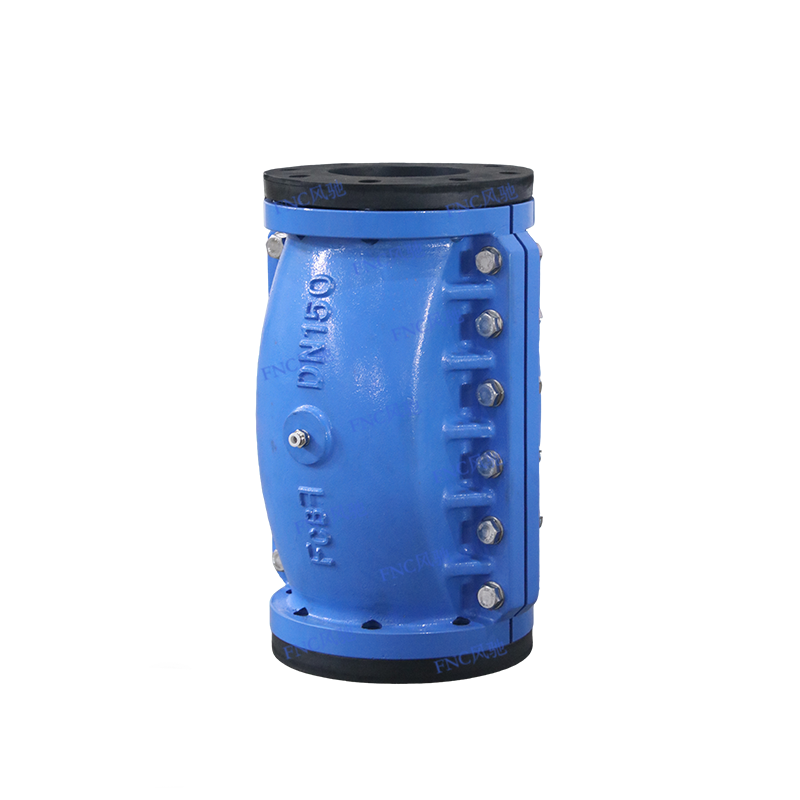
Air Operated pinch valves offer a unique and cost-effective solution for fluid control problems. The secret lies in the rubber valve sleeve - the onl...
See Details
Phone: +86-136 7173 4086

Tel: +86-563 5033 866

Email: red@pinchvalves.com.cn

Address:
