

 EN
EN

 English
 русский
 Español
Mini Air Operated Pinch Valves
Cat:Air Operated Pinch Valves
Air Operated pinch valves offer a unique and cost-effective solution for fluid control problems. The secret lies in the rubber valve sleeve - the onl...
See DetailsIn process industries where conventional valves fail prematurely due to abrasion, chemical attack, or media buildup on internal components, air operated pinch valves offer a structurally distinct and highly practical alternative. Their operating principle — using compressed air to squeeze a flexible rubber sleeve shut rather than moving a metal disc, ball, or gate through the flow path — eliminates the internal mechanical components that are the most common failure points in traditional valve designs. The result is a valve that can handle slurries, powders, granules, and chemically aggressive fluids with a service life and maintenance profile that competing valve types simply cannot match in the same conditions.
Content
The operating mechanism of air operated pinch valves is elegantly simple. The valve body consists of an outer housing — typically manufactured from cast iron, carbon steel, stainless steel, or engineering polymer — with an inlet and outlet port through which a continuous flexible rubber sleeve is installed. This sleeve forms the only wetted component of the valve: the fluid being controlled never contacts the valve body, actuator, or any metallic structural element.
To close the valve, compressed air is introduced into the space between the outer body and the rubber sleeve. As air pressure builds in this annular chamber, it exerts uniform radial force on the sleeve, causing it to collapse inward from all sides simultaneously until the bore is fully pinched shut and flow is stopped. To open the valve, the compressed air is exhausted from the body chamber — either by venting to atmosphere in a spring-return design or by applying pressure to an opposing port in a double-acting configuration — allowing the sleeve's inherent elasticity to return it to its fully open, circular bore position.
This actuation logic is completely separated from the fluid medium. The compressed air system controls the opening and closing of the rubber sleeve, while the fluid only contacts the inner sleeve. This structural separation significantly reduces the risk of actuator corrosion, mechanical jamming, and sealing instability in slurry, powder, or chemically aggressive processes — conditions that rapidly degrade the packing, seats, and actuator stems of gate, globe, and butterfly valves.
The full-bore, unobstructed flow path of air operated pinch valves when fully open is one of their most significant practical advantages. Unlike ball valves with reduced-bore trim, gate valves with partially retracted gates, or butterfly valves with a disc permanently in the flow stream, a fully open pinch valve presents a clear circular bore equal to the nominal pipe diameter. This means zero flow obstruction, zero turbulence-inducing internal geometry, and no location where abrasive particles can impact a metal seat or disc edge.
The absence of internal cavities is equally important in hygienic and powder-handling applications. Conventional valves with stuffing boxes, packing glands, and body cavities create spaces where product can accumulate, harden, or contaminate subsequent batches. Air operated pinch valves have none of these cavities — the sleeve interior is smooth, self-cleaning during flow, and fully drainable. In pharmaceutical powder transfer lines, food ingredient handling, and cement or fly ash conveying systems, this characteristic directly reduces cleaning cycles and cross-contamination risk.
Maintenance simplicity is another defining structural advantage. The only component subject to wear in an air operated pinch valve is the rubber sleeve itself. When the sleeve reaches the end of its service life — detectable through visual inspection for surface cracking, delamination, or pinhole formation — replacement requires no special tools, no line isolation beyond a simple depressurization, and no specialist technician. The sleeve is removed and replaced in minutes, returning the valve to full performance at a fraction of the cost of replacing the trim or actuator components of a comparable conventional valve.
The rubber sleeve is the performance-critical component of every air operated pinch valve. Selecting the correct elastomer for the specific fluid, temperature, and pressure conditions of the application is the most important engineering decision in pinch valve specification. The wrong sleeve material will either degrade rapidly in service or fail to provide adequate chemical resistance, leading to premature replacement or process contamination.
| Sleeve Material | Temperature Range | Key Properties | Typical Applications |
| Natural Rubber (NR) | -40°C to +70°C | Excellent abrasion resistance | Mining slurries, sand, gravel |
| EPDM | -40°C to +120°C | Steam, hot water, oxidizing agents | Water treatment, chemical dosing |
| Nitrile (NBR) | -30°C to +100°C | Oil and fuel resistance | Petroleum products, lubricants |
| Neoprene (CR) | -40°C to +100°C | Weather, ozone, mild chemical resistance | General industrial, outdoor service |
| Natural Rubber/Food Grade | -20°C to +80°C | FDA compliant, smooth bore | Food, beverage, pharmaceutical |
Beyond base elastomer selection, sleeve wall thickness and reinforcement construction also affect performance. Sleeves intended for high-pressure service incorporate fabric or cord reinforcement layers embedded within the rubber wall to resist radial expansion under line pressure and to extend fatigue life through repeated open-close cycles. For abrasive slurry applications, thicker sleeve walls in natural rubber provide greater material depth before the abrasion-worn surface reaches the reinforcement layer, directly extending service intervals.
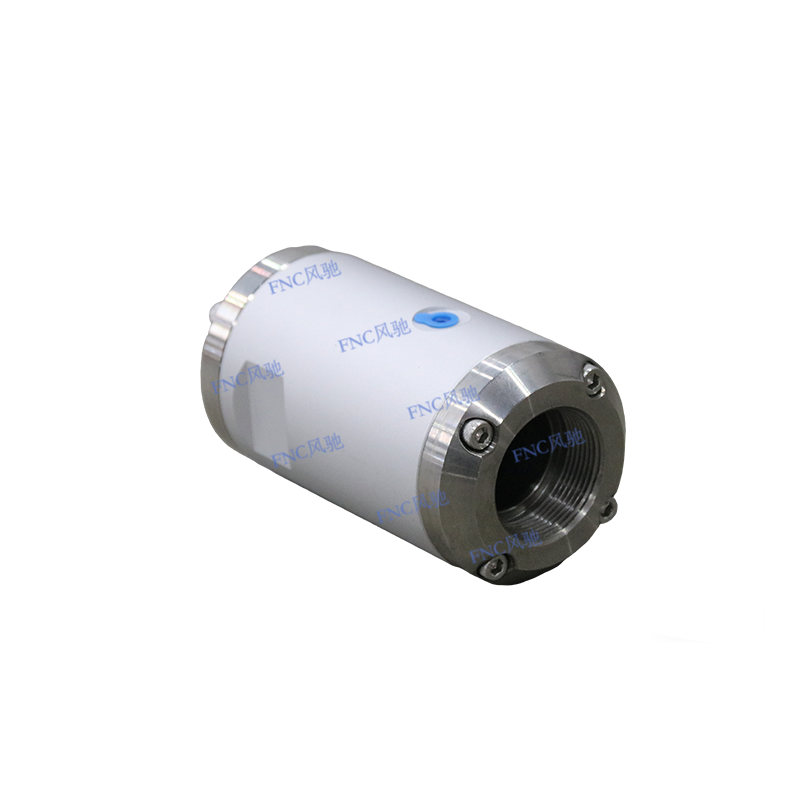
Air operated pinch valves are widely applied in harsh working conditions across a broad range of industries. Their suitability is determined not by a single industry vertical but by the nature of the media being handled — anywhere that abrasive, sticky, corrosive, or contamination-sensitive fluids are present, pinch valves offer advantages that conventional valve types cannot replicate.
Correct sizing of air operated pinch valves involves more than matching the nominal bore to the pipe diameter. The relationship between line pressure, sleeve stiffness, and available actuating air pressure must be evaluated to ensure the valve can achieve reliable full closure against the operating differential pressure.
As a general design principle, the actuating air pressure applied to the valve body must exceed the line pressure of the controlled fluid by a margin sufficient to fully collapse the sleeve. Most manufacturers specify the minimum required actuating air pressure as a function of line pressure and sleeve size, with typical requirements ranging from 1.5 to 2 times the line pressure for reliable closure. Where plant compressed air supply pressure is limited, this relationship can constrain the maximum line pressure at which a given pinch valve can be applied, and must be verified during system design rather than assumed.
For throttling service — where air operated pinch valves are used to regulate flow rather than simply open or shut — the valve must be sized conservatively to avoid operating the sleeve in the partially collapsed position for extended periods. Prolonged partial closure concentrates mechanical stress at specific points on the sleeve circumference, accelerating fatigue crack initiation and reducing service life. Where continuous flow regulation is required, a positioner-equipped actuator with a characterized sleeve profile provides more controlled throttling behavior and distributes stress more evenly across the sleeve surface.
Air operated pinch valves should be installed in a horizontal pipeline orientation wherever possible, with the actuating air connection positioned upward. This orientation ensures that any solid particles or sediment in the fluid settle away from the sleeve pinch zone when the valve is closed, reducing the risk of solids becoming trapped in the closure that could prevent complete sealing or cause localized sleeve wear.
The compressed air supply to the valve should be filtered and dry. Moisture in the actuating air can accumulate in the annular body chamber over time, particularly in cold environments where condensation is likely, potentially causing corrosion of the valve body interior or, in freezing conditions, ice formation that prevents valve operation. A simple filter-regulator unit on the air supply line addresses both contamination and moisture risk at minimal cost.
Scheduled sleeve inspection should be incorporated into planned maintenance routines. Visual inspection for external surface cracking, abnormal deformation, or signs of media weeping through the sleeve wall allows sleeve replacement to be planned during scheduled downtime rather than driven by unexpected failure. Tracking sleeve life in terms of operating cycles or volume throughput — rather than calendar time — provides a more accurate basis for replacement planning in high-duty applications. With these straightforward practices in place, air operated pinch valves deliver the low total cost of ownership and operational reliability that make them the valve of choice in the industry's most demanding process environments.
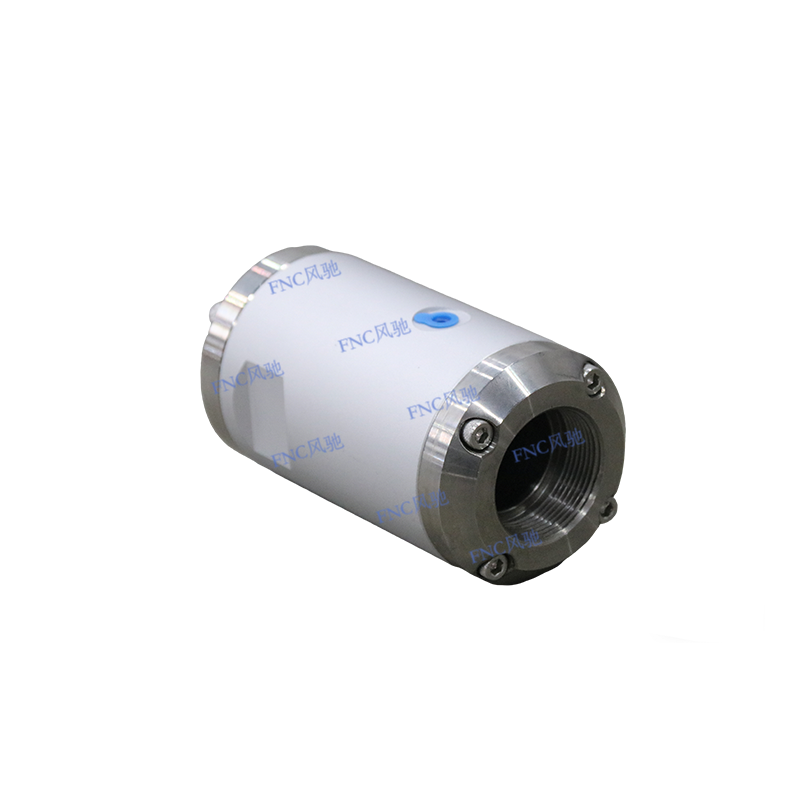
Air Operated pinch valves offer a unique and cost-effective solution for fluid control problems. The secret lies in the rubber valve sleeve - the onl...
See Details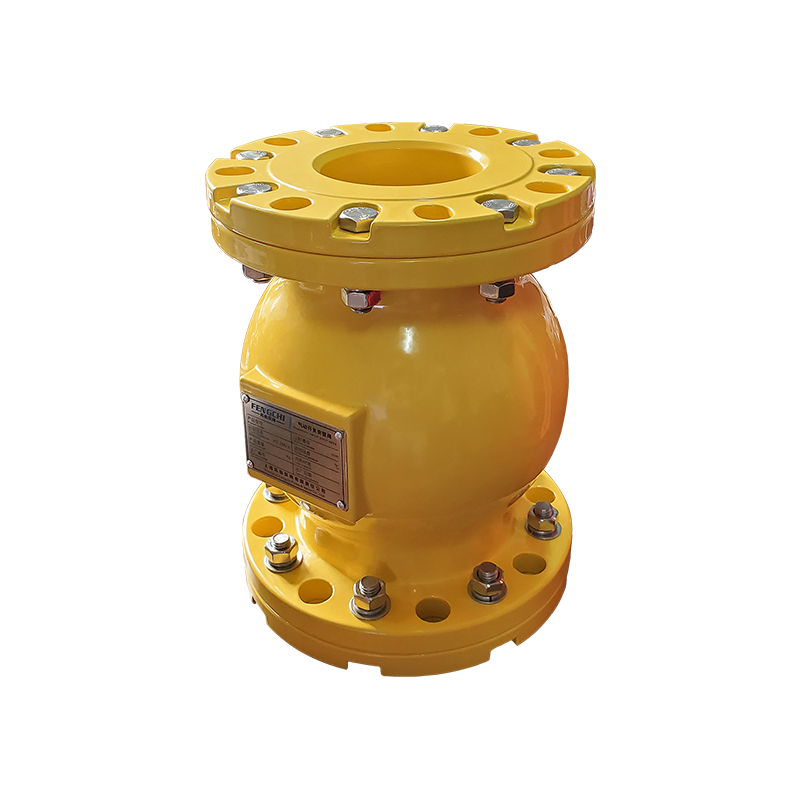
Air Operated pinch valves offer a unique and cost-effective solution for fluid control problems. The secret lies in the rubber valve sleeve - the onl...
See Details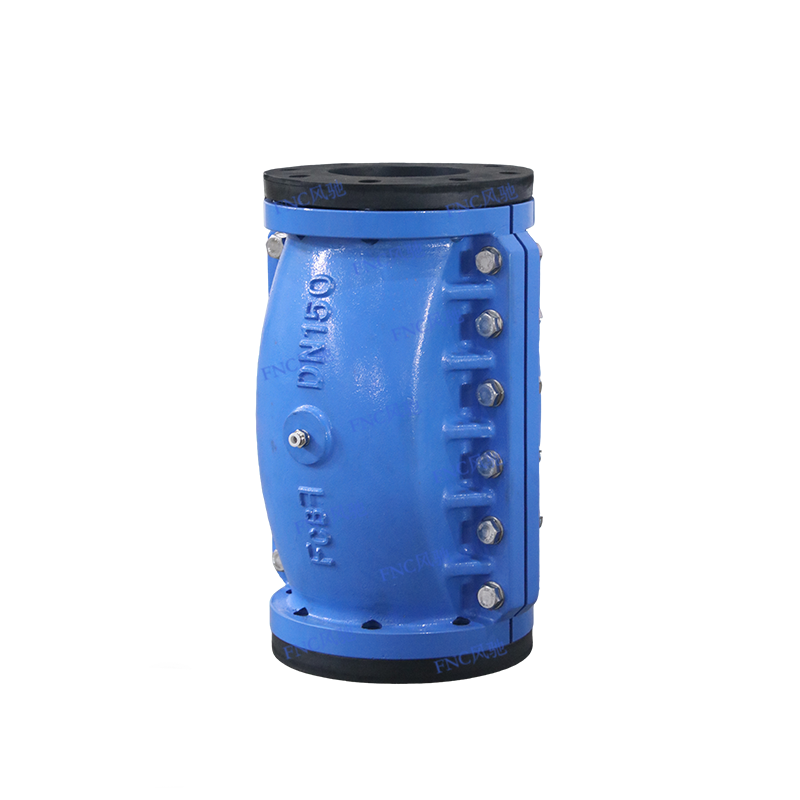
Air Operated pinch valves offer a unique and cost-effective solution for fluid control problems. The secret lies in the rubber valve sleeve - the onl...
See Details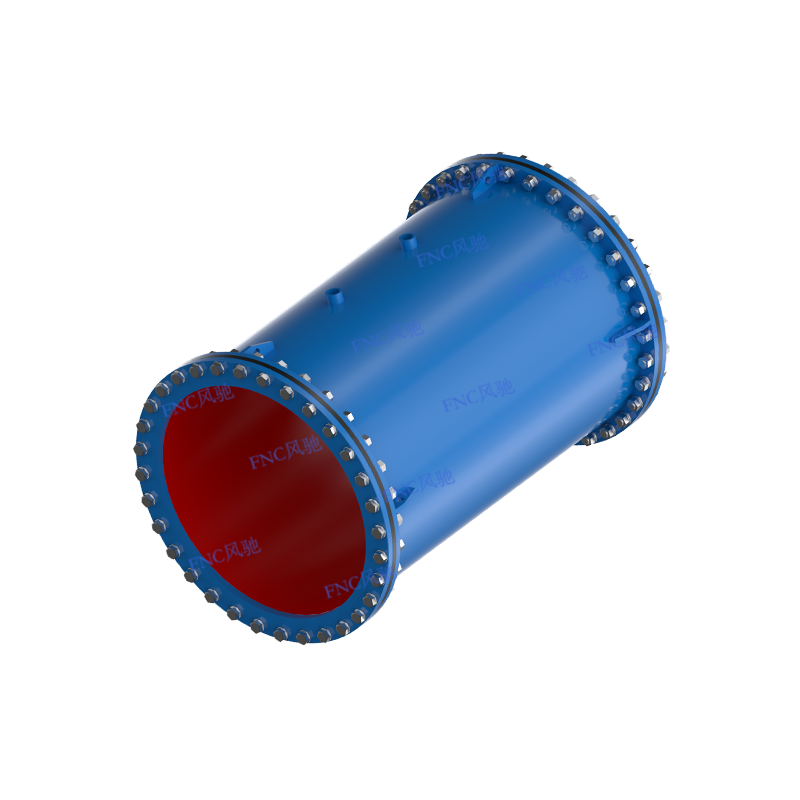
Air Operated pinch valves offer a unique and cost-effective solution for fluid control problems. The secret lies in the rubber valve sleeve - the onl...
See Details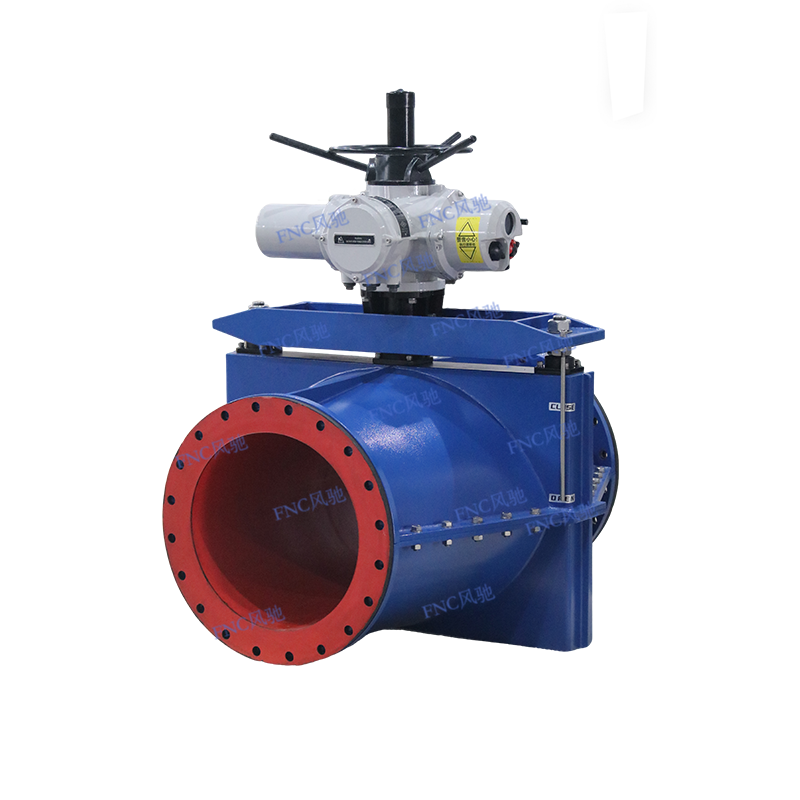
Compared to ordinary pinch valves, large-diameter pinch valves have much higher production requirements. As the “core component” of the pinch valve, t...
See Details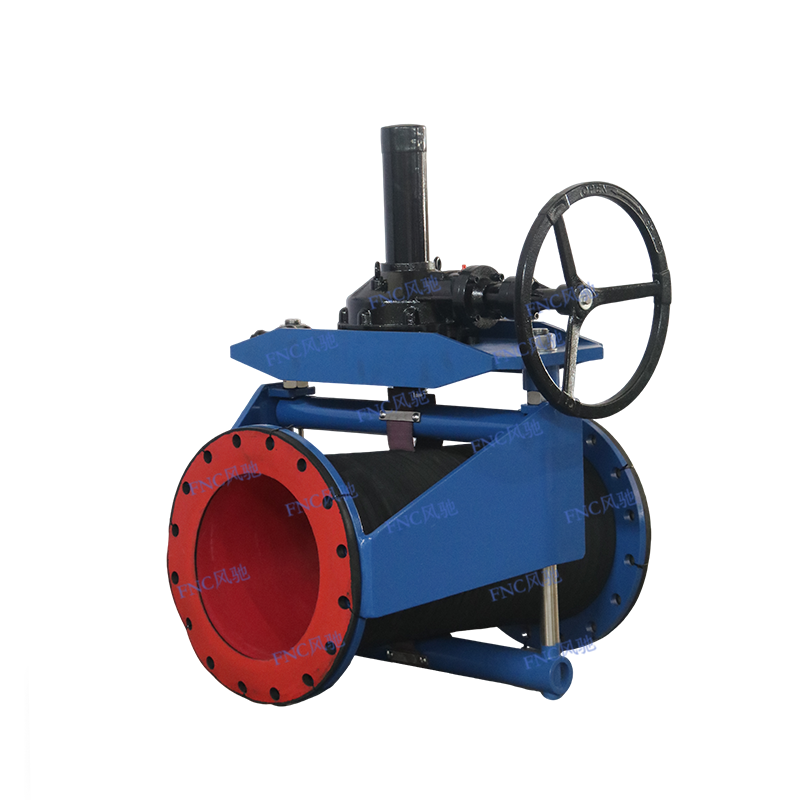
The operating principle of the FNC® enclosed pinch valve is straightforward. When in the open position, the valve provides a full-bore passage, allowi...
See Details
Phone: +86-136 7173 4086

Tel: +86-563 5033 866

Email: red@pinchvalves.com.cn

Address:
