

 EN
EN

 English
 русский
 Español
Closed Body Pinch Valve
Cat:Pinch Valves
The operating principle of the FNC® enclosed pinch valve is straightforward. When in the open position, the valve provides a full-bore passage, allowi...
See DetailsContent
In the realm of heavy industrial fluid control, managing highly corrosive and gritty slurries presents a formidable challenge. An abrasive media pinch valve offers a robust solution by fundamentally altering how the valve interacts with the flow. Unlike traditional valves where metal components directly contact the fluid, this valve utilizes a flexible elastomeric sleeve. When compressed by a mechanical or pneumatic actuator, the sleeve collapses to shut off the flow. This design ensures that the abrasive media only touches the rubber sleeve, completely isolating the valve body and actuator from the harsh environment. Consequently, the valve body experiences virtually zero wear, extending the overall lifespan of the equipment significantly. For mining and mineral processing operations, this isolation principle is the cornerstone of reliable slurry management.
The performance of an abrasive media pinch valve hinges entirely on the quality and composition of its elastomeric sleeve. Because the sleeve acts as both the flow conduit and the sealing mechanism, it must withstand relentless particle impingement. Manufacturers leverage in-house large-scale vulcanization and rubber refining equipment to engineer custom compounds tailored to specific operational parameters. Selecting the correct material is critical for maximizing service life.
Natural rubber is frequently the premier choice for highly abrasive, non-oily mineral slurries due to its exceptional resilience and tear resistance. For applications involving elevated temperatures or mild chemical corrosion alongside abrasion, EPDM provides superior thermal stability. When hydrocarbons or oils are present in the slurry, Nitrile rubber ensures the sleeve does not degrade or swell. By controlling the entire vulcanization process, engineers can optimize the cross-linking density of the rubber, directly enhancing the sleeve's ability to rebound and resist cutting from sharp mineral edges.
Deploying an abrasive media pinch valve in large-scale mining operations yields transformative operational benefits. The most immediate advantage is the full-bore, unobstructed flow path. Traditional valves often feature cavities or restricted passages where heavy, high-solid-content slurries can stagnate, leading to severe clogging and accelerated localized wear. The smooth interior of a pinch valve sleeve eliminates these dead zones, ensuring consistent flow dynamics and minimizing pressure drop. Furthermore, the seal-less design eradicates the need for mechanical seals, packing glands, or complex sealing faces that typically fail prematurely in slurry service. This maintenance-free characteristic drastically reduces unplanned downtime.
To truly appreciate the engineering value of an abrasive media pinch valve, it is essential to compare it against conventional alternatives used in slurry applications. The table below outlines the critical performance differentiators across common valve types.
| Valve Type | Media Contact | Clogging Risk | Maintenance Frequency |
| Abrasive media pinch valve | Sleeve Only | None | Very Low |
| Knife Gate Valve | Gate and Seat | Moderate | High |
| Ball Valve | Ball and Seats | High | Very High |
While an abrasive media pinch valve is celebrated for its maintenance-free operation during service, proactive maintenance protocols are vital for maximizing lifecycle economics. The modular design dictates that only the elastomeric sleeve requires periodic replacement. When the sleeve eventually thins due to abrasion, the replacement process is remarkably straightforward and does not necessitate removing the entire valve body from the pipeline. Technicians simply unbolt the actuator housing, extract the degraded sleeve, and install a new one. This targeted component renewal minimizes inventory costs and reduces maintenance labor time. To optimize this process, facilities should implement regular ultrasonic thickness testing on the sleeves during scheduled shutdowns.
Every mining operation presents a unique fluid dynamics challenge, making off-the-shelf solutions insufficient for optimal performance. The formulation of the elastomer in an abrasive media pinch valve must account for the specific mineralogy of the ore being processed. For instance, iron ore slurries possess a different particle morphology and density compared to copper or gold tailings, requiring distinct rubber hardness and tensile strength profiles. Manufacturers equipped with advanced rubber raw material testing facilities can conduct rigorous abrasion tests to simulate field conditions accurately. This empirical approach allows for the precise tuning of the rubber compound. Furthermore, the physical dimensions of the sleeve are customized to maintain the ideal flow velocity, preventing both accelerated wear and particle settling.
Beyond operational efficiency and cost savings, the deployment of an abrasive media pinch valve carries significant environmental and safety advantages. In traditional metal valves, the erosion of sealing surfaces inevitably leads to fugitive emissions and slurry leaks. These leaks not only create hazardous, slip-prone work environments but also pose severe risks of soil and groundwater contamination. The inherent seal-less architecture of the pinch valve completely eliminates these leakage pathways. The fluid is entirely contained within the robust elastomeric sleeve, ensuring zero external emissions even under high-pressure differentials. This containment capability is particularly critical when handling toxic leaching agents or environmentally sensitive tailings.
Selecting the optimal configuration requires a thorough analysis of the specific slurry characteristics and process parameters. The first consideration is the sleeve material, which must align with the chemical compatibility and abrasiveness of the media. Next, engineers must evaluate the actuation method. An air operated pinch valve is highly recommended for automated, remote, or fast-cycling applications. Pneumatic actuation provides rapid, consistent closure forces and can be easily integrated into distributed control systems. The operating pressure and temperature of the pipeline dictate the required wall thickness of the sleeve and the structural integrity of the valve body. Additionally, the cycle frequency must be considered; high-cycle applications may require reinforced sleeves with fabric inserts to prevent fatigue failure. By collaborating with manufacturers who possess comprehensive rubber testing facilities, operators can ensure that every variable is meticulously matched to the application.
Furthermore, the integration of smart positioners with the pneumatic actuator can provide real-time feedback on valve status and sleeve condition. These advanced diagnostics allow control room operators to monitor the exact position of the sleeve and detect anomalies before they result in failure. For example, if the actuator takes longer than usual to close the valve, it may indicate that the sleeve has hardened due to chemical exposure or that there is a buildup of material on the external casing. By leveraging these digital capabilities, facilities can transition from reactive maintenance to predictive maintenance strategies. This holistic approach to valve selection and monitoring ensures that the abrasive media pinch valve operates at peak efficiency, delivering unparalleled reliability in the most demanding industrial environments.
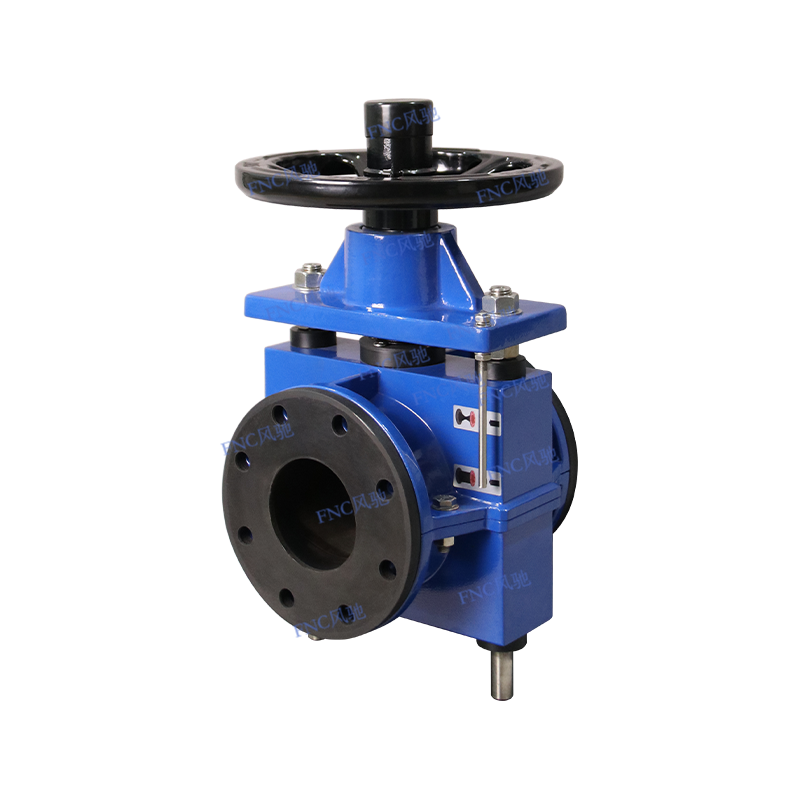
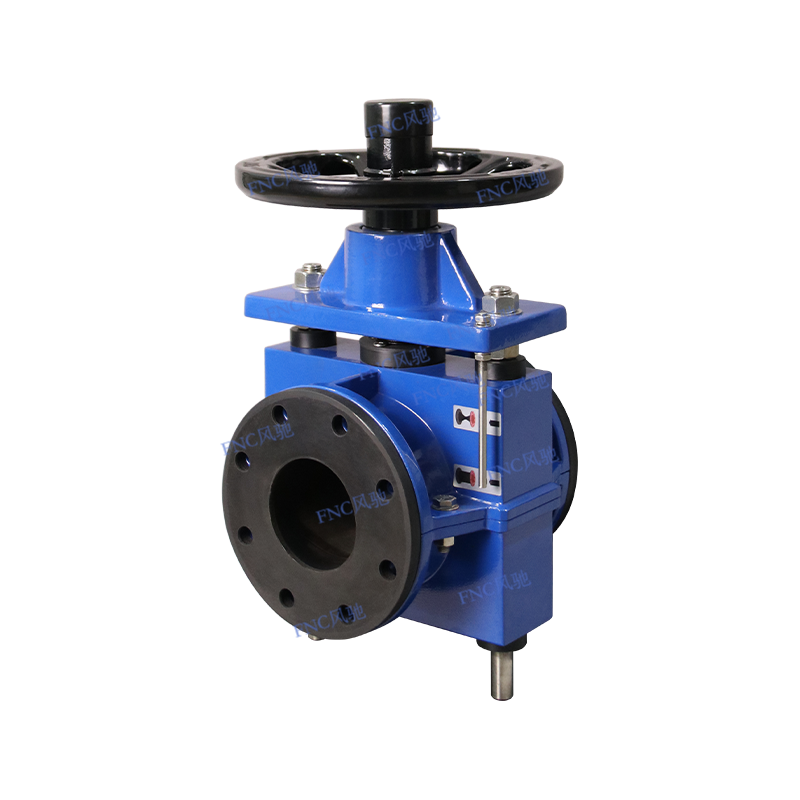
The operating principle of the FNC® enclosed pinch valve is straightforward. When in the open position, the valve provides a full-bore passage, allowi...
See Details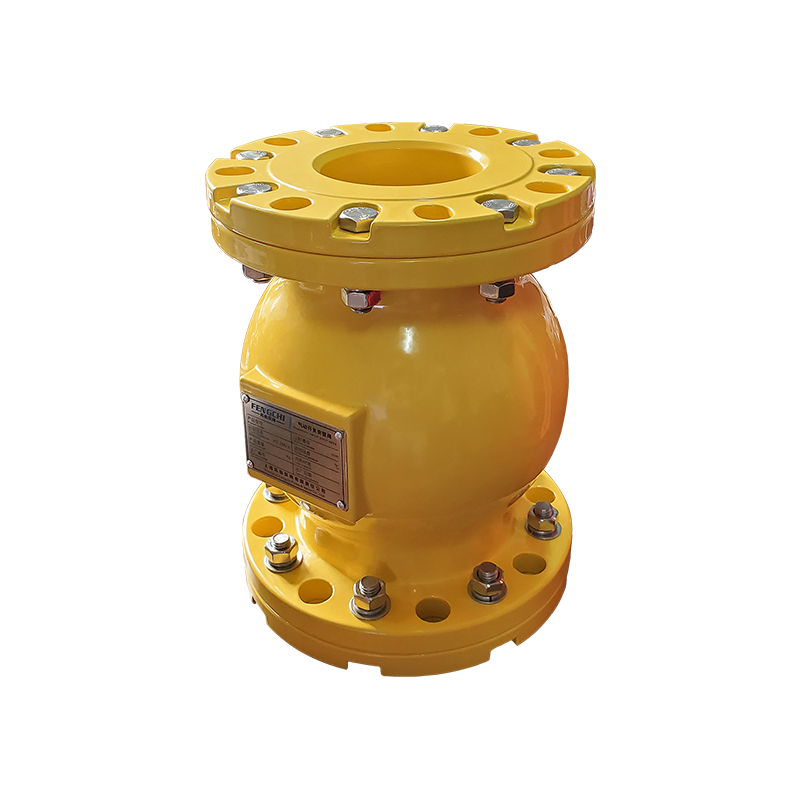
Air Operated pinch valves offer a unique and cost-effective solution for fluid control problems. The secret lies in the rubber valve sleeve - the onl...
See Details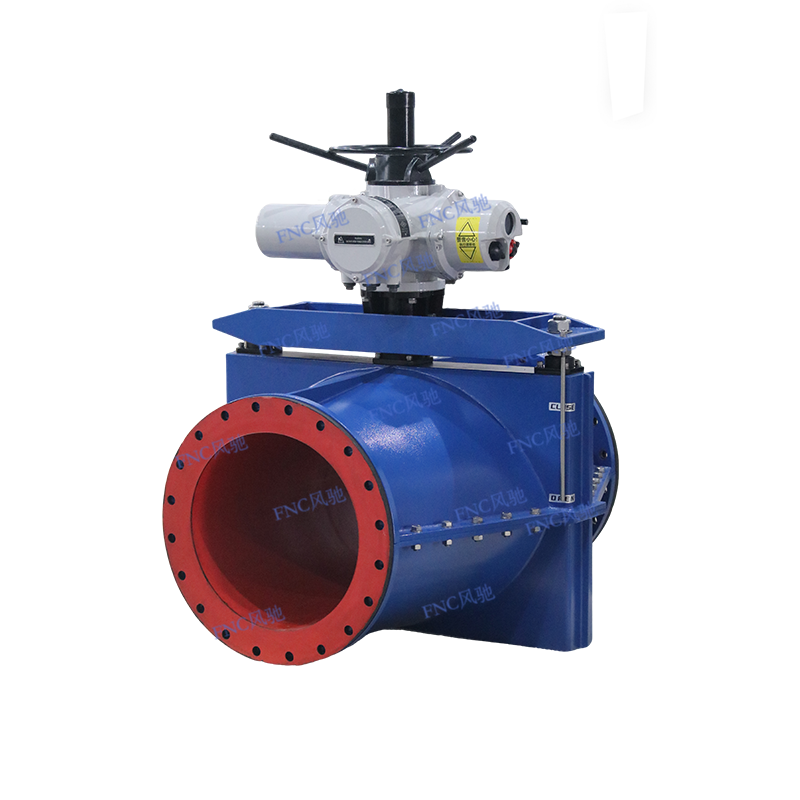
Compared to ordinary pinch valves, large-diameter pinch valves have much higher production requirements. As the “core component” of the pinch valve, t...
See Details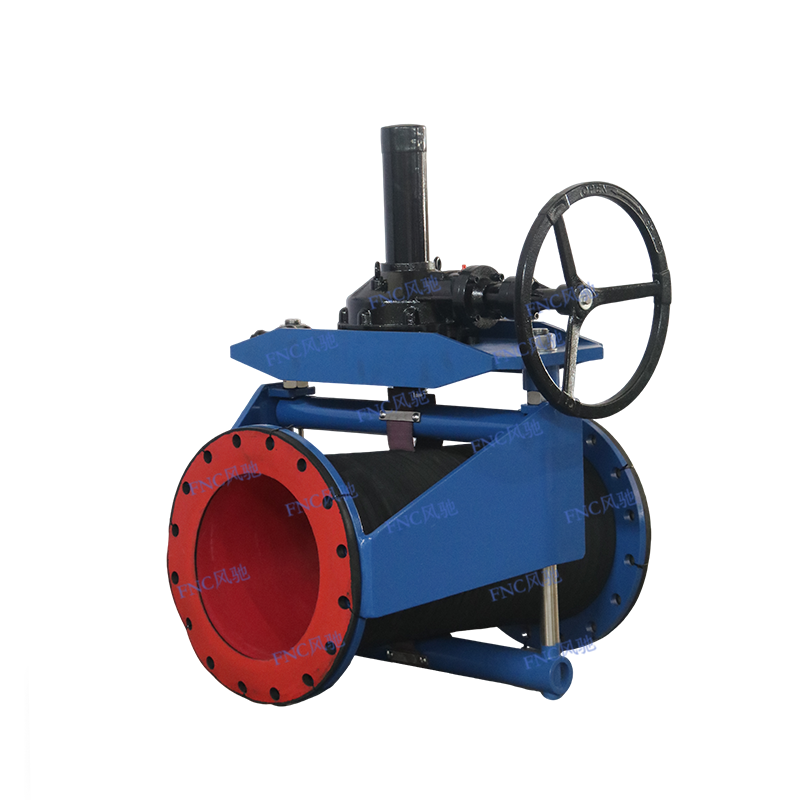
The operating principle of the FNC® enclosed pinch valve is straightforward. When in the open position, the valve provides a full-bore passage, allowi...
See Details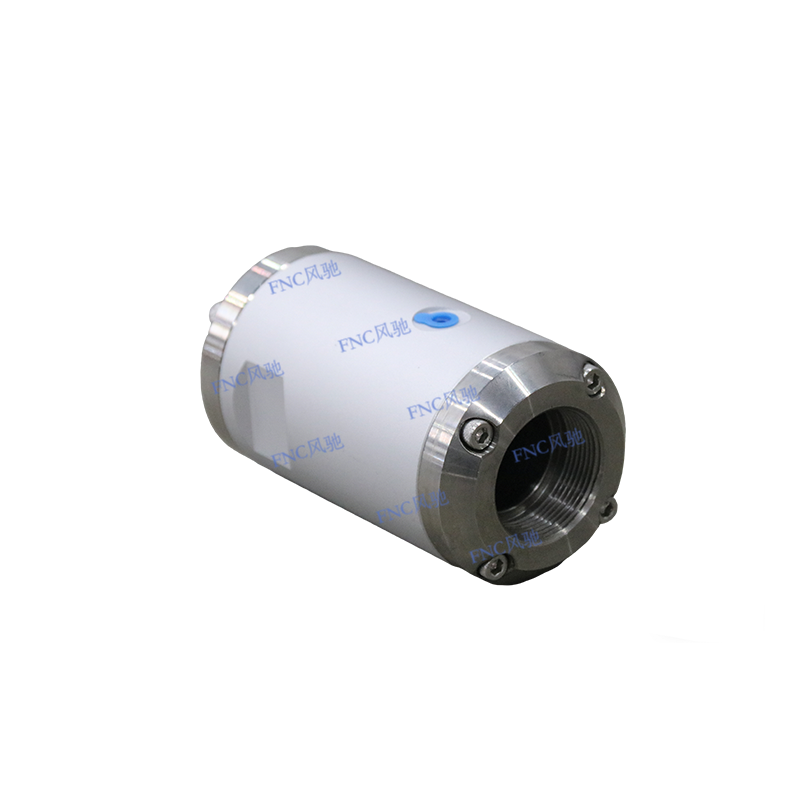
Air Operated pinch valves offer a unique and cost-effective solution for fluid control problems. The secret lies in the rubber valve sleeve - the onl...
See Details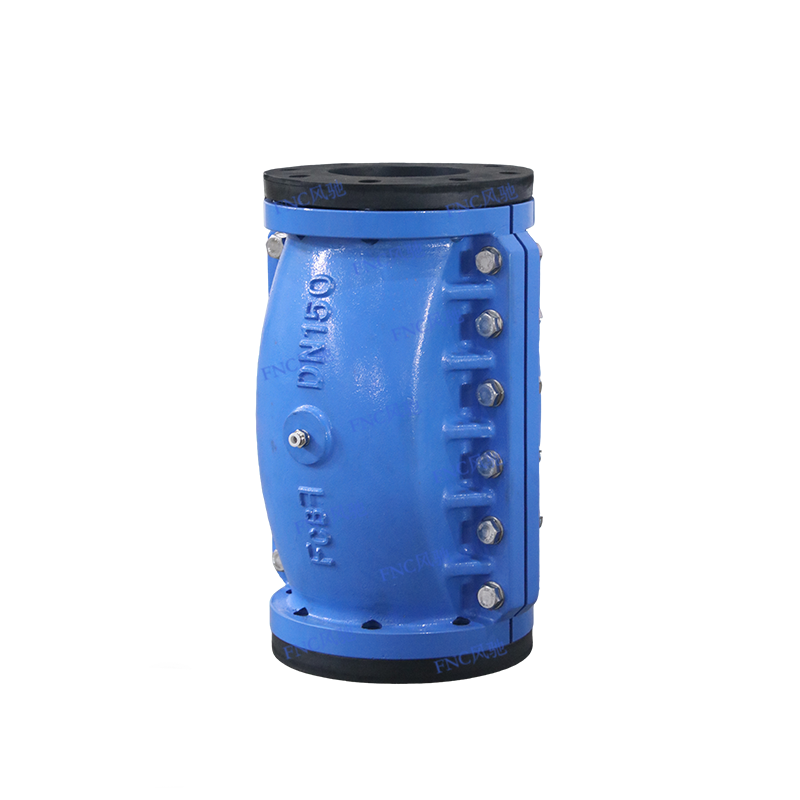
Air Operated pinch valves offer a unique and cost-effective solution for fluid control problems. The secret lies in the rubber valve sleeve - the onl...
See Details
Phone: +86-136 7173 4086

Tel: +86-563 5033 866

Email: red@pinchvalves.com.cn

Address:
