

 EN
EN

 English
 русский
 Español
Mini Air Operated Pinch Valves
Cat:Air Operated Pinch Valves
Air Operated pinch valves offer a unique and cost-effective solution for fluid control problems. The secret lies in the rubber valve sleeve - the onl...
See DetailsContent
Industrial plants are undergoing a fundamental transformation. The rise of the Industrial Internet of Things (IIoT) has pushed manufacturers to rethink every component on the plant floor—not just control systems and sensors, but the mechanical valves that regulate the actual movement of media through pipelines. Among the technologies experiencing renewed interest in this context, air operated pinch valves stand out as a particularly well-suited candidate for smart plant integration. Their inherently simple mechanical design, combined with modern digital actuation and monitoring capabilities, makes them a practical and cost-effective choice for facilities transitioning to connected, data-driven operations.
Traditionally, air operated pinch valves were valued for their ability to handle abrasive, corrosive, or slurry-laden media without contamination risk—the only wetted component is the flexible sleeve, which isolates the actuating mechanism entirely from the process fluid. In IoT-enabled plants, this design advantage is now being paired with smart positioners, real-time diagnostic modules, and network communication protocols to create valve assemblies that not only control flow but also report on their own condition and performance continuously.
The core operating principle of air operated pinch valves is straightforward: compressed air is applied to the exterior of a flexible rubber sleeve, causing it to pinch closed and stop flow. When air pressure is released or reversed, the sleeve returns to its open position. This pneumatic actuation mechanism is inherently compatible with the digital control infrastructure that underpins IoT-enabled plants. Electro-pneumatic positioners can be mounted directly onto pinch valve actuators, converting 4–20 mA analog signals or digital fieldbus commands into precise air pressure outputs that determine sleeve position with high repeatability.
Modern smart positioners designed for air operated pinch valves support a range of industrial communication protocols including HART, PROFIBUS PA, Foundation Fieldbus, and increasingly, industrial Ethernet variants such as PROFINET and EtherNet/IP. This protocol flexibility allows pinch valves to be integrated into virtually any distributed control system (DCS) or programmable logic controller (PLC) environment without requiring custom interfacing hardware. The valve becomes a network node—sending position feedback, diagnostic alerts, and operational statistics to the control room alongside data from temperature sensors, flow meters, and pressure transmitters.
Another critical compatibility factor is the valve's tolerance for harsh environments. IoT sensors and communication modules are increasingly ruggedized, but they still require a stable mounting platform. Because air operated pinch valves have no internal moving metal parts in contact with the process fluid, they generate minimal vibration and heat during operation, providing a stable and low-interference host for electronic monitoring equipment.
One of the most compelling reasons IoT-enabled plants are adopting smart air operated pinch valves is the ability to implement predictive maintenance strategies. In a conventional plant, sleeve wear—the primary failure mode of pinch valves—is typically detected only after it causes a process disruption or visible leak. By the time maintenance crews respond, production has already been interrupted. Smart pinch valve assemblies change this dynamic entirely by providing continuous data streams that reveal sleeve degradation before failure occurs.
Diagnostic parameters that smart air operated pinch valves can monitor and transmit in real time include:
When this data is fed into a plant's asset management software or a dedicated condition monitoring platform, maintenance teams can move from reactive to proactive scheduling. Plants in mining, wastewater treatment, and chemical processing—industries where air operated pinch valves are heavily deployed—report significant reductions in unplanned downtime after implementing smart valve diagnostics, with some operations extending average sleeve service life by 20 to 30 percent through optimized replacement timing.
Smart air operated pinch valves are increasingly being incorporated into SCADA (Supervisory Control and Data Acquisition) systems as active data contributors rather than passive actuators. In a fully connected plant, each valve transmits operational data that feeds into process dashboards, alarm management systems, and historical data archives. Operators can view the real-time position and status of every air operated pinch valve across an entire facility from a central workstation, enabling faster response to process upsets and more granular control over complex flow routing scenarios.
The integration of smart pinch valve data into digital twin models represents one of the most forward-looking applications of this technology. A digital twin is a virtual replica of a physical plant or process system, updated continuously with real-world data to simulate behavior, test scenarios, and predict outcomes. When air operated pinch valves contribute live position, pressure, and diagnostic data to a digital twin, engineers can simulate the effects of sleeve wear on flow control accuracy, model the impact of changing process conditions on valve performance, and validate maintenance schedules against predicted failure curves—all without interrupting actual production.
Understanding the practical difference between a conventional and a smart air operated pinch valve configuration helps plant engineers make informed specification decisions:
| Feature | Conventional Configuration | Smart IoT Configuration |
| Actuation control | Manual or basic solenoid | Digital electro-pneumatic positioner |
| Position feedback | None or basic limit switch | Continuous analog or digital feedback |
| Communication protocol | None | HART, PROFIBUS, EtherNet/IP |
| Maintenance approach | Reactive or fixed-interval | Predictive, data-driven |
| Diagnostic capability | Visual inspection only | Real-time pressure, cycle, and stroke data |
| SCADA integration | Not available | Full integration with dashboards and alarms |
Several industries are leading the adoption of smart air operated pinch valves in their IoT plant transformation programs. In municipal and industrial wastewater treatment, where these valves handle sludge, grit, and chemically aggressive effluents, remote diagnostics dramatically reduce the need for manual valve inspections in hazardous or difficult-to-access locations. Smart pinch valves installed in underground pump stations or confined wet wells can report their condition continuously, eliminating routine inspection visits that carry both safety risks and operational costs.
In the mining and minerals processing sector, air operated pinch valves are already the dominant choice for slurry and tailings applications due to their abrasion resistance. Mining operations are now integrating these valves into broader plant automation networks to achieve tighter control over slurry density and flow rate—variables that directly affect recovery efficiency and energy consumption. Smart positioners on pinch valves allow operators to make real-time adjustments to flow control based on upstream density measurements, closing the loop between process sensors and final control elements in ways that conventional valve installations cannot support.
Pharmaceutical and food processing plants present a different motivation: regulatory compliance and batch traceability. Smart air operated pinch valves in these environments generate timestamped records of every actuation event, providing an auditable data trail that supports Good Manufacturing Practice (GMP) documentation requirements. The ability to demonstrate that a specific valve opened and closed at a precise time and held a defined position throughout a batch cycle is increasingly valuable as regulatory scrutiny of process data intensifies.
When specifying smart air operated pinch valves for an IoT-enabled facility, engineers should evaluate several factors beyond basic size and pressure rating. The choice of communication protocol must align with the plant's existing control infrastructure—retrofitting a PROFIBUS-based DCS to support EtherNet/IP valve nodes, for example, introduces unnecessary complexity and cost. Protocol selection should be confirmed with the control system vendor before valve procurement begins.
Sleeve material selection remains as critical in smart configurations as in conventional ones. Natural rubber, EPDM, neoprene, silicone, and polyurethane sleeves each offer different resistance profiles against temperature, pH, abrasion, and specific chemical exposure. No amount of smart monitoring technology compensates for a sleeve material that is fundamentally incompatible with the process fluid—the diagnostics will simply report accelerated degradation rather than prevent it. Material selection must be validated against the full range of process conditions, including cleaning cycles and temperature excursions, not just normal operating parameters.
Finally, consider the total cost of ownership rather than unit price alone. Smart air operated pinch valves carry a higher initial cost than conventional assemblies, but the reduction in unplanned maintenance events, the extension of sleeve service intervals through optimized replacement scheduling, and the avoidance of process downtime typically deliver a compelling return on investment within one to three years in high-cycle applications. For plants committed to a long-term IIoT roadmap, the investment in smart pinch valve infrastructure is a foundational step toward a fully transparent and self-optimizing process environment.
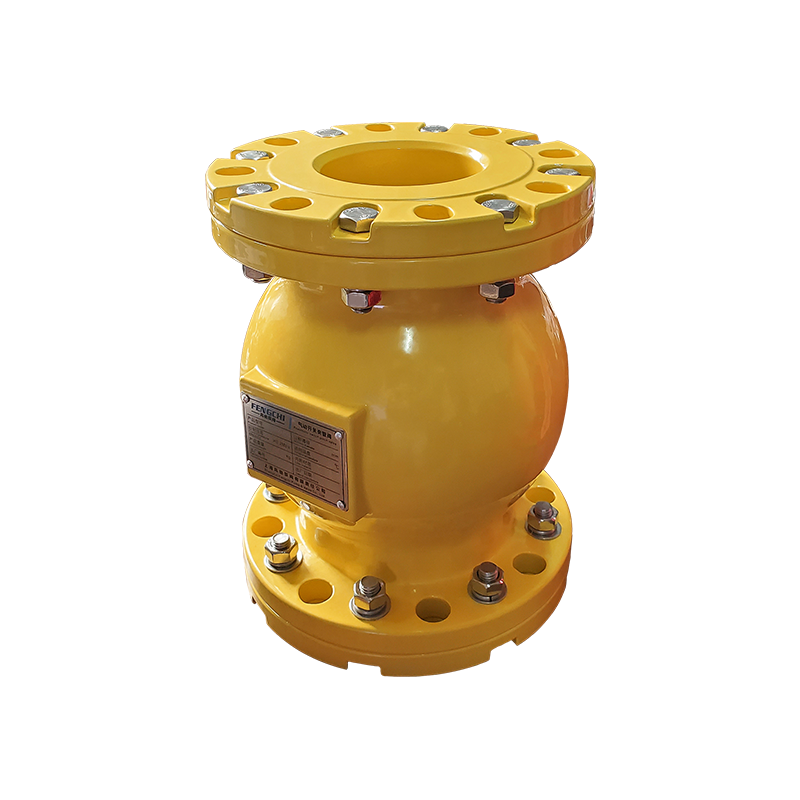
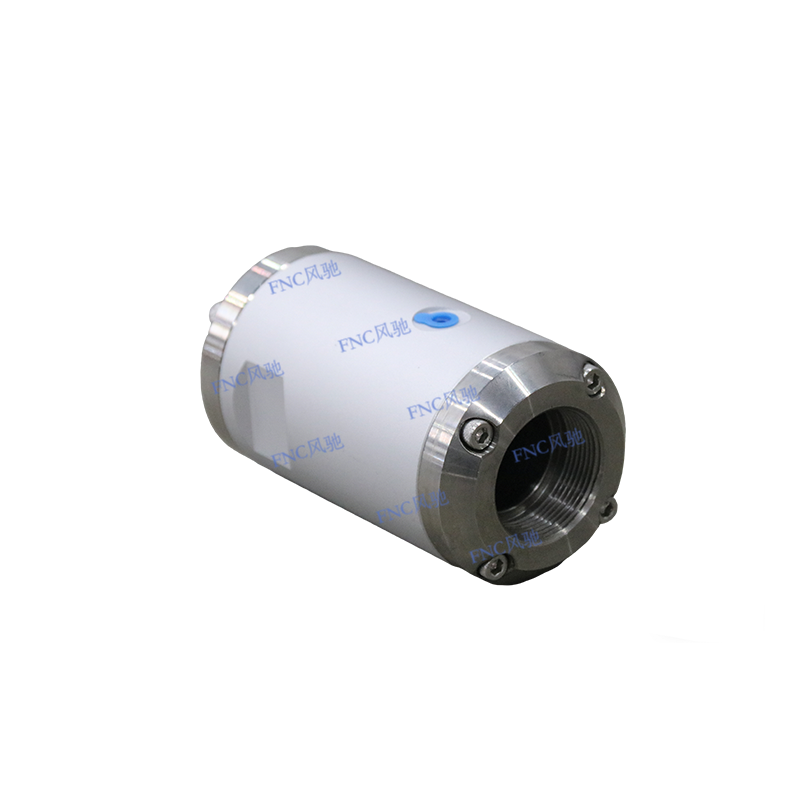
Air Operated pinch valves offer a unique and cost-effective solution for fluid control problems. The secret lies in the rubber valve sleeve - the onl...
See Details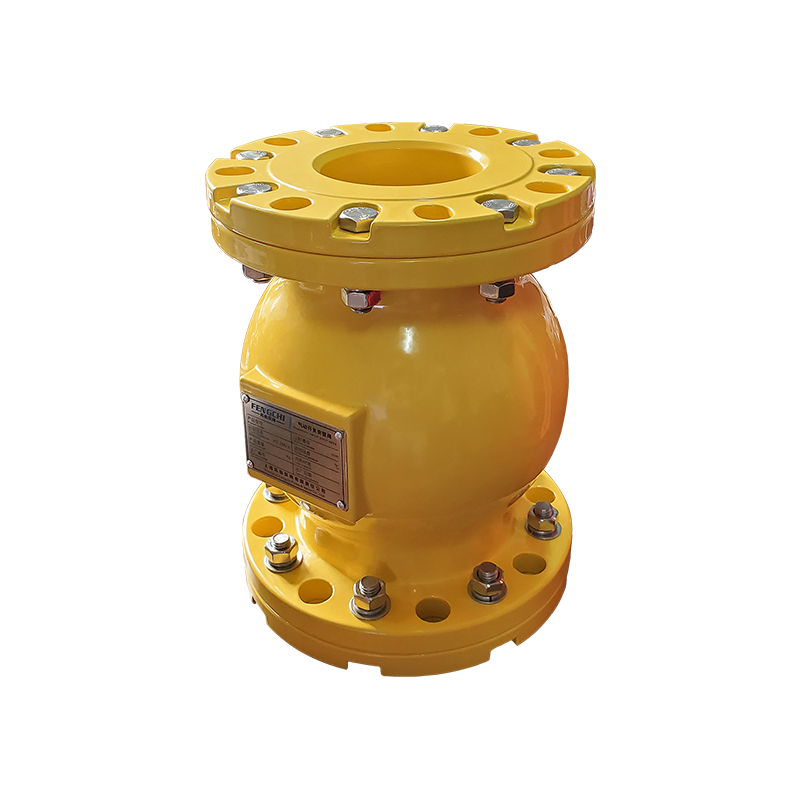
Air Operated pinch valves offer a unique and cost-effective solution for fluid control problems. The secret lies in the rubber valve sleeve - the onl...
See Details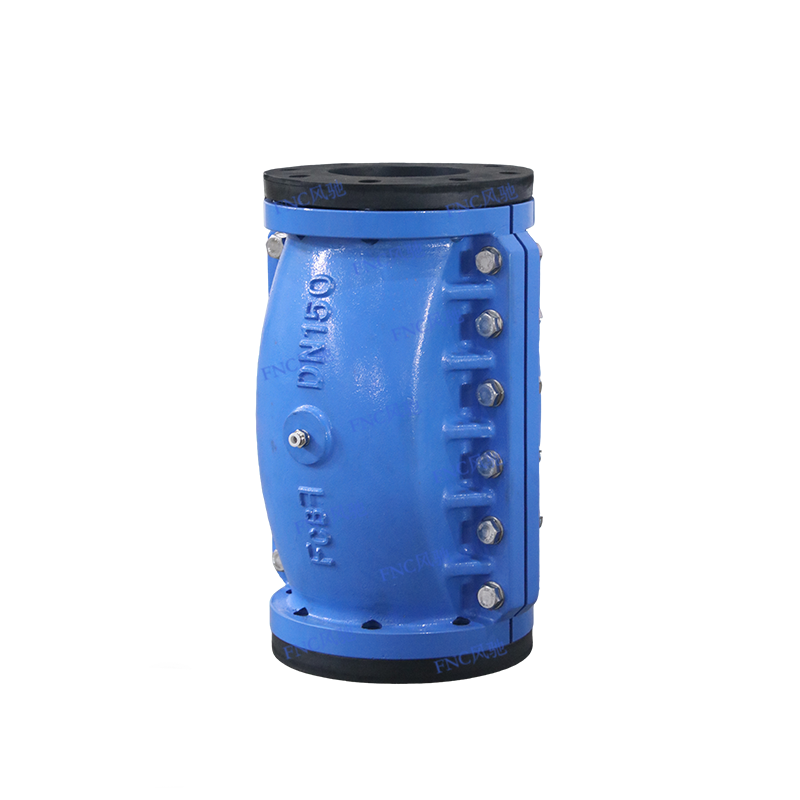
Air Operated pinch valves offer a unique and cost-effective solution for fluid control problems. The secret lies in the rubber valve sleeve - the onl...
See Details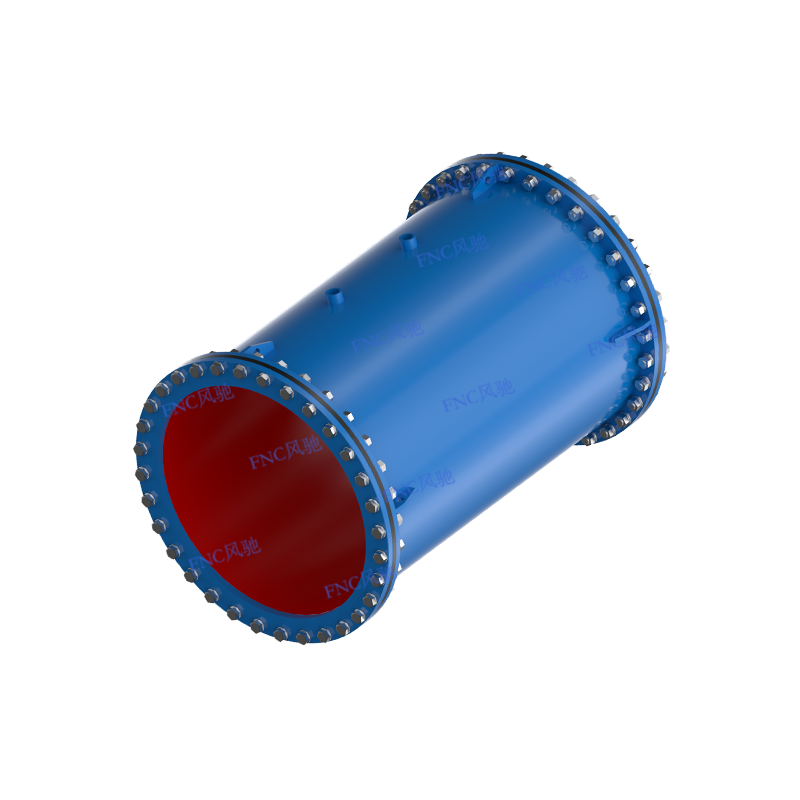
Air Operated pinch valves offer a unique and cost-effective solution for fluid control problems. The secret lies in the rubber valve sleeve - the onl...
See Details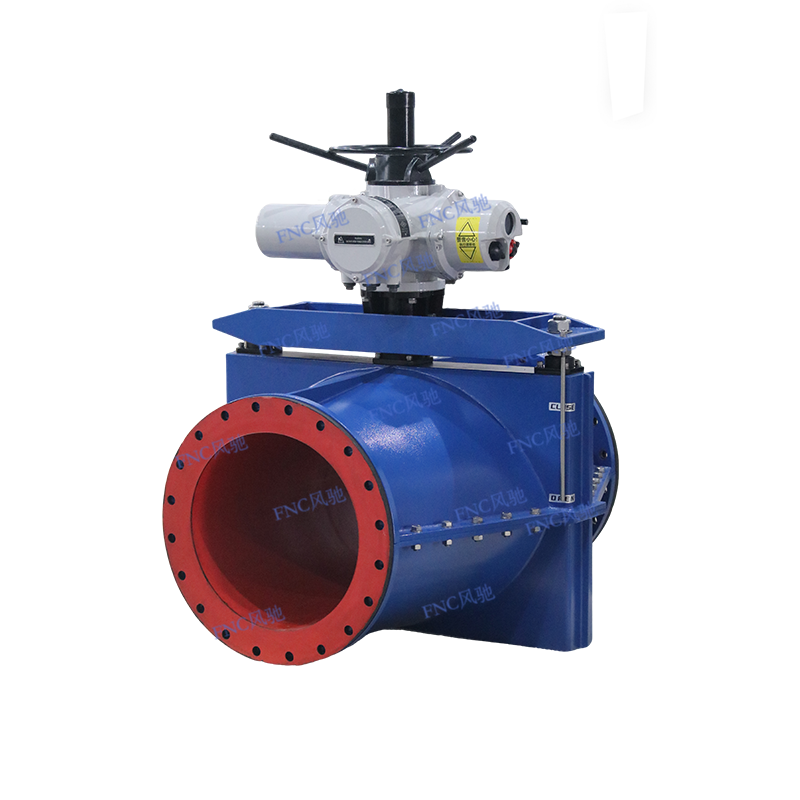
Compared to ordinary pinch valves, large-diameter pinch valves have much higher production requirements. As the “core component” of the pinch valve, t...
See Details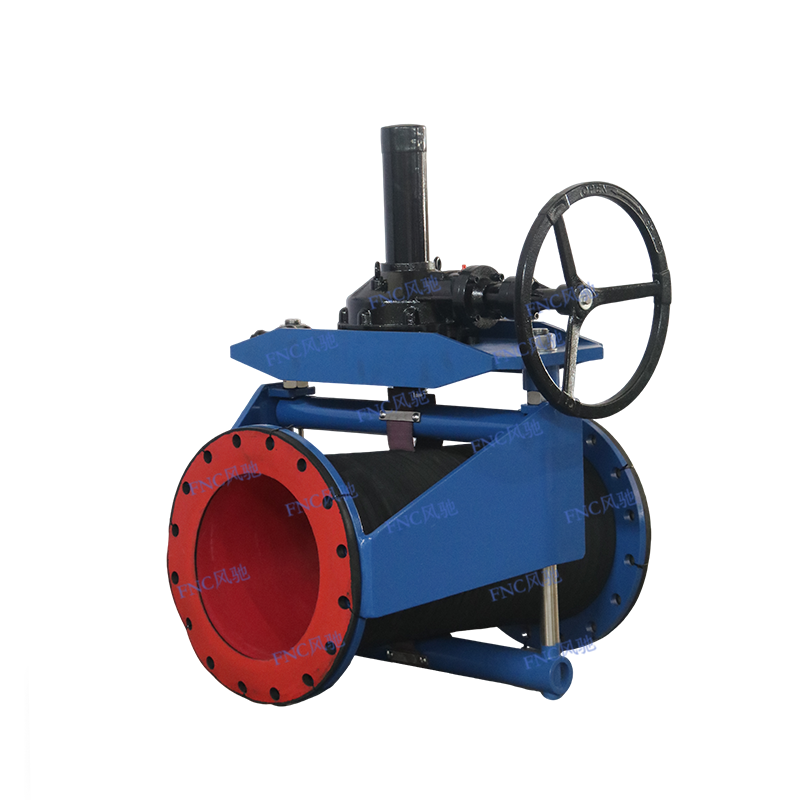
The operating principle of the FNC® enclosed pinch valve is straightforward. When in the open position, the valve provides a full-bore passage, allowi...
See Details
Phone: +86-136 7173 4086

Tel: +86-563 5033 866

Email: red@pinchvalves.com.cn

Address:
