

 EN

 English
 русский
 Español
Standard Air Operated Pinch Valves
Cat:Air Operated Pinch Valves
Air Operated pinch valves offer a unique and cost-effective solution for fluid control problems. The secret lies in the rubber valve sleeve - the onl...
See DetailsA 6-inch API 594 check valve can pass a hydrotest and still fail in six weeks if the spring, seat, or face-to-face dimension is wrong for the line. The standard gives you a common envelope; it does not choose the valve for you.
The short answer: specify API 594 check valves by pressure class, pipe size, face-to-face pattern, body and trim material, spring cracking pressure, and test records. Treat the nameplate and the data sheet as a matched pair; a mismatch is a commissioning risk, not a paperwork issue.
That conclusion matters most on wafer and lug designs, where the valve sits between flanges and has little room for dimensional error. A buyer who checks only “API 594” and “Class 300” has checked two variables out of the six or seven that usually decide whether the valve seals, closes quietly, and survives the next shutdown.
Content
API 594, seventh edition dated September 2010, is the check-valve standard for flanged, lug, wafer, and butt-welding designs. It gives the industry a common basis for pressure-temperature ratings, materials, marking, and face-to-face dimensions. API 598 is still the usual reference for pressure testing, so the purchase order should connect the two documents rather than treat API 594 as a complete inspection package.
Covers common check-valve body styles and dimensional requirements for Classes 150 through 2500, subject to the exact type and size in the project specification.
Choose the plate or disc style, spring setting, seat material, trim, and orientation for the actual fluid, velocity, and maintenance plan.
Match the nameplate, dimensional drawing, material certificate, and test record. On a wafer valve, a 2 mm face-to-face error can become a gasket leak.
This is why two valves can both be “API 594 compliant” and behave very differently. One may use a light spring for low-pressure water; another may use a heavier spring for gas service where reverse flow must be stopped quickly. The standard does not remove that engineering choice.
A practical tolerance rule for procurement: require the vendor drawing to show face-to-face length, flange drilling, gasket surface finish, and installed height. Then check those numbers against the pipe spool before release. This one step catches more field problems than a longer data sheet usually does.
Cracking pressure is the smallest differential pressure that opens the plate or disc. It rarely appears in a short quotation, yet it changes both closure behaviour and operating cost. The chart below is a relative planning view: as spring load rises, reverse-flow protection improves, but pressure drop and pumping energy usually rise too.
0.5 psi
1 psi
2 psi
3 psi
Low cracking pressure suits gravity-fed water or low-head systems where every fraction of a bar matters. Higher cracking pressure suits gas or parallel-pump discharge where reverse rotation and water hammer are the bigger risks. The mistake is copying a spring setting from another line without checking flow rate, pipe size, and pump curve.
The distribution below is a planning view of common applications, not a market-research statistic. It reflects where dual-plate, wafer, lug, and flanged check valves usually appear in process and utility lines.
Mining and slurry: 34% — isolation and backflow protection on water, tailings, and process lines, with wear checks on seats and plates.
Oil and gas: 28% — utility water, fuel gas, and low-pressure process lines where a compact wafer pattern saves space.
Power and water: 22% — pump discharge, cooling water, and treatment lines where pressure drop affects energy use.
Chemical and process: 16% — compatible trim and seat selection matter more than the body style alone.
In abrasive slurry, a standard API 594 check valve may still be the right backflow device, but it is not a full-bore isolation valve. If the real failure mode is a worn seat and the line needs shutoff, a closed-body pinch valve can reduce wetted-part exposure. It does not provide backflow protection, so the two functions should be specified separately.
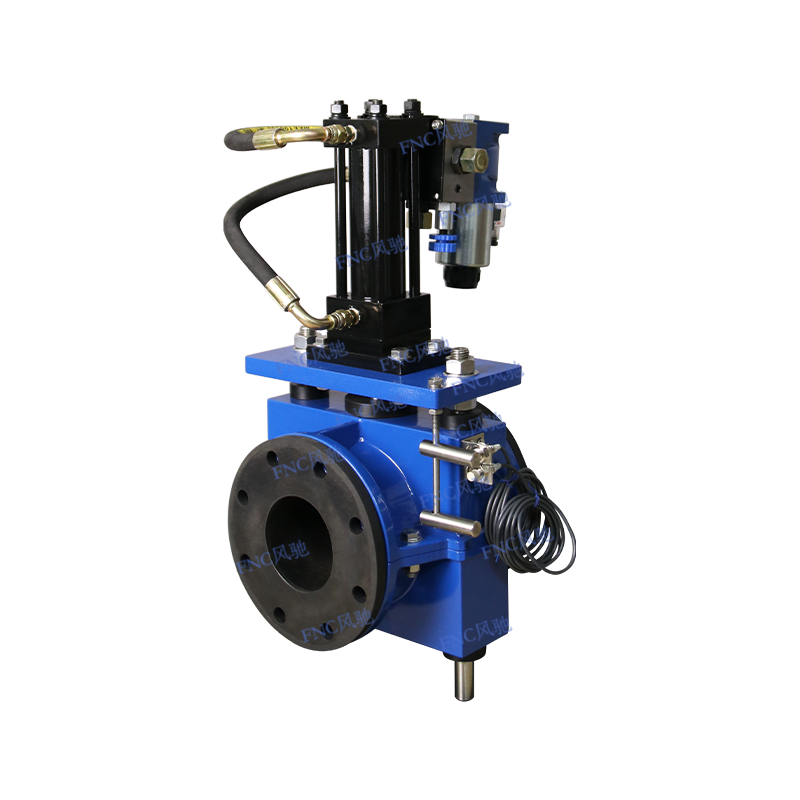 Closed Body Pinch Valve for Abrasive Slurry ShutoffA full-bore flanged pinch valve with replaceable sleeve and bubble-tight shut-off for abrasive slurry shutoff duties separate from backflow protection.View Product →
Collect fluid, temperature, pressure, flow rate, allowable pressure drop, and start-stop frequency. Missing velocity data is a common cause of plate wear.
Confirm API 594 style, pressure class, face-to-face pattern, and whether API 598 testing is required. Put both standards on the PO.
Match body, plate, pin, and seat to the fluid. A corrosion-resistant body with the wrong seat still fails.
Check drawings, certificates, marking, and test records before shipment. On site, inspect gasket surfaces and bolt length.
Compare purchase price with pressure-drop energy, spares, and shutdown access. A cheaper wafer valve can cost more if it needs two extra gasket changes.
For a high-flow line running continuously, even a small pressure-drop difference can outweigh the price gap between two valves. For a standby line, closure reliability and spare-part availability usually matter more than a few tenths of a bar.
API 594 check valves are simple, but they are not maintenance-free. The plates, hinge pins, stops, and seats wear. A planned inspection should start with the data sheet, not with a generic spanner check.
The compliance point is straightforward: API 594 tells you what the valve should be; API 598 and the project specification tell you how to prove it. Keep those documents linked in the procurement file, and the next replacement becomes a controlled purchase instead of a field guess.
The practical takeaway is to buy an API 594 check valve as a dimensional and process-matched component, not as a catalogue code. Confirm the face-to-face pattern, pressure class, spring setting, trim, and test record before the PO leaves your desk. That small discipline protects the flange joint, the pump, and the maintenance budget at the same time.
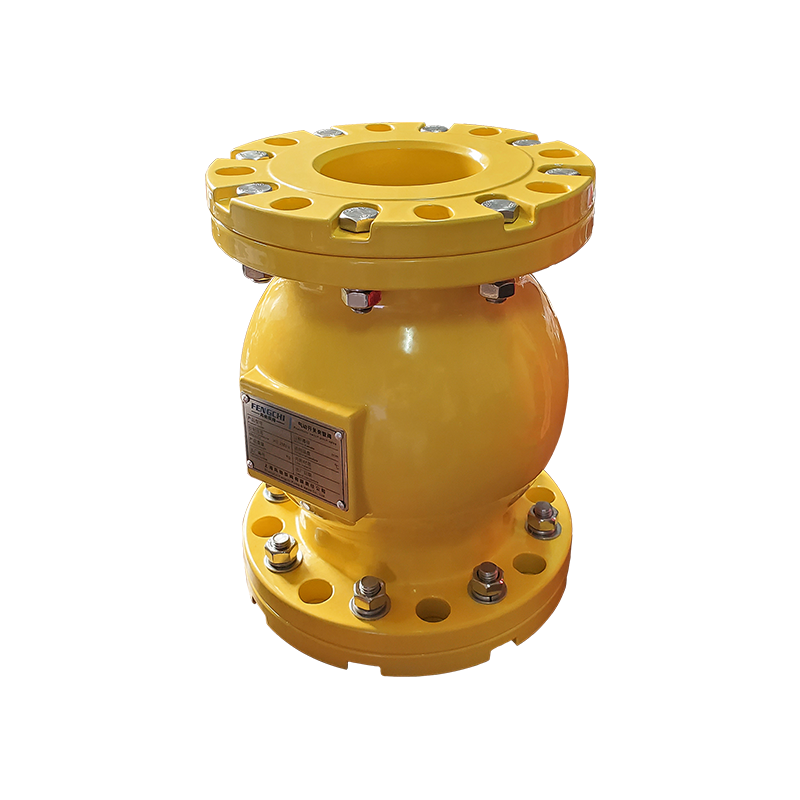
Air Operated pinch valves offer a unique and cost-effective solution for fluid control problems. The secret lies in the rubber valve sleeve - the onl...
See Details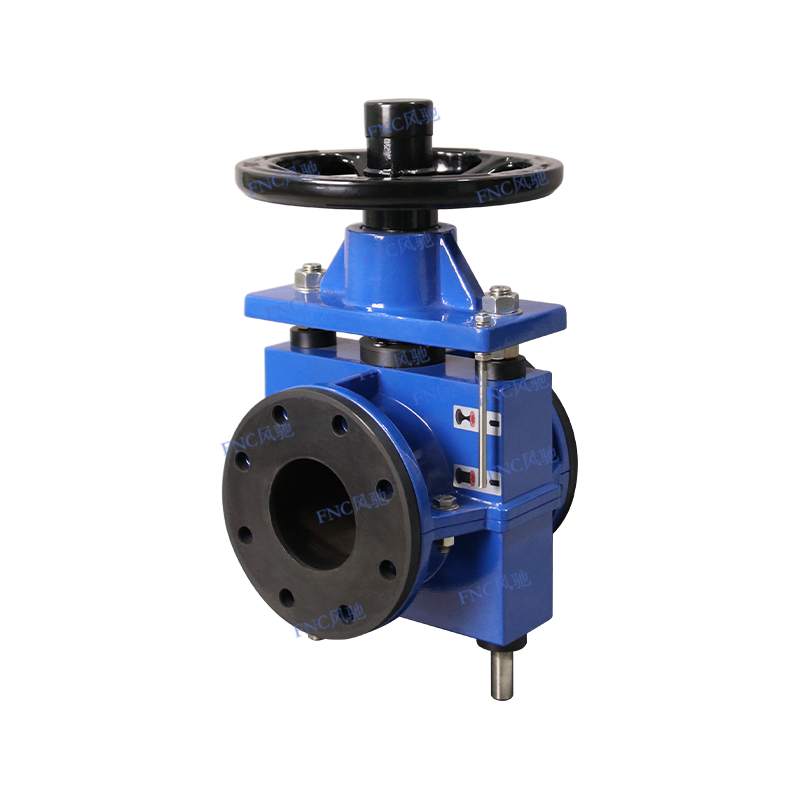
The operating principle of the FNC® enclosed pinch valve is straightforward. When in the open position, the valve provides a full-bore passage, allowi...
See Details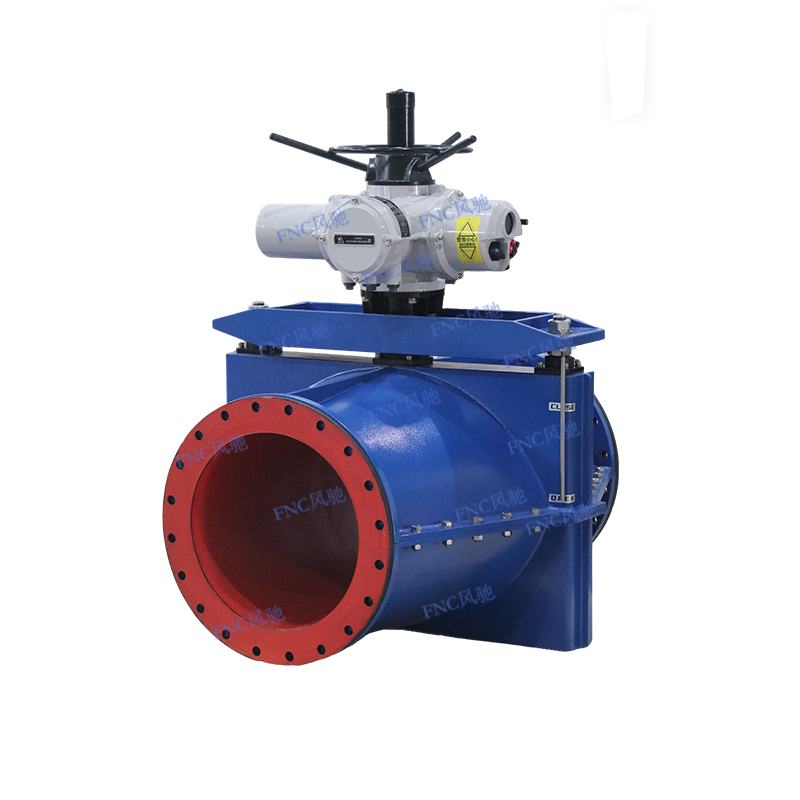
Compared to ordinary pinch valves, large-diameter pinch valves have much higher production requirements. As the “core component” of the pinch valve, t...
See Details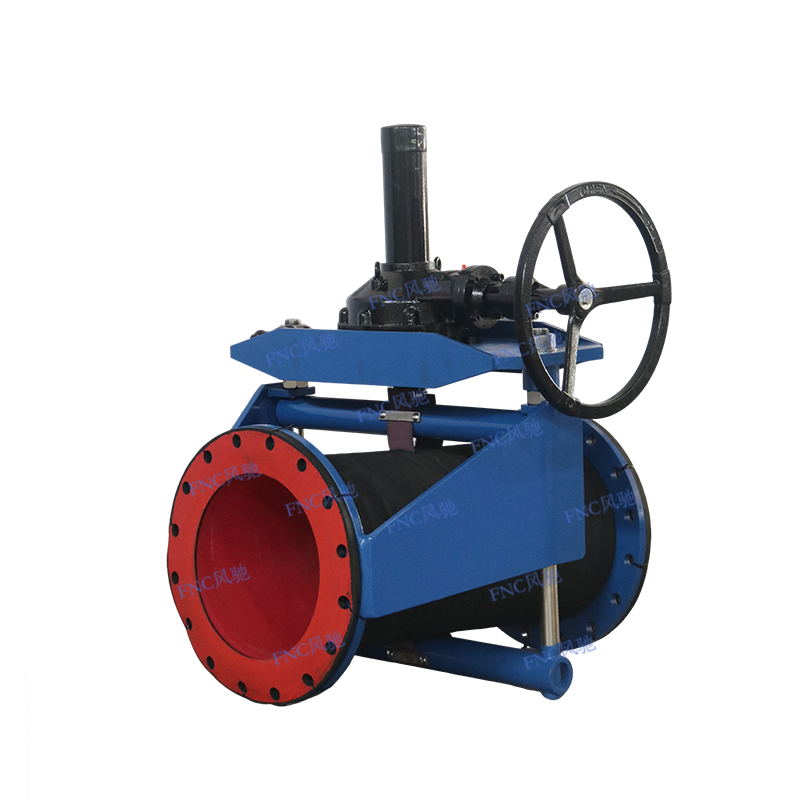
The operating principle of the FNC® enclosed pinch valve is straightforward. When in the open position, the valve provides a full-bore passage, allowi...
See Details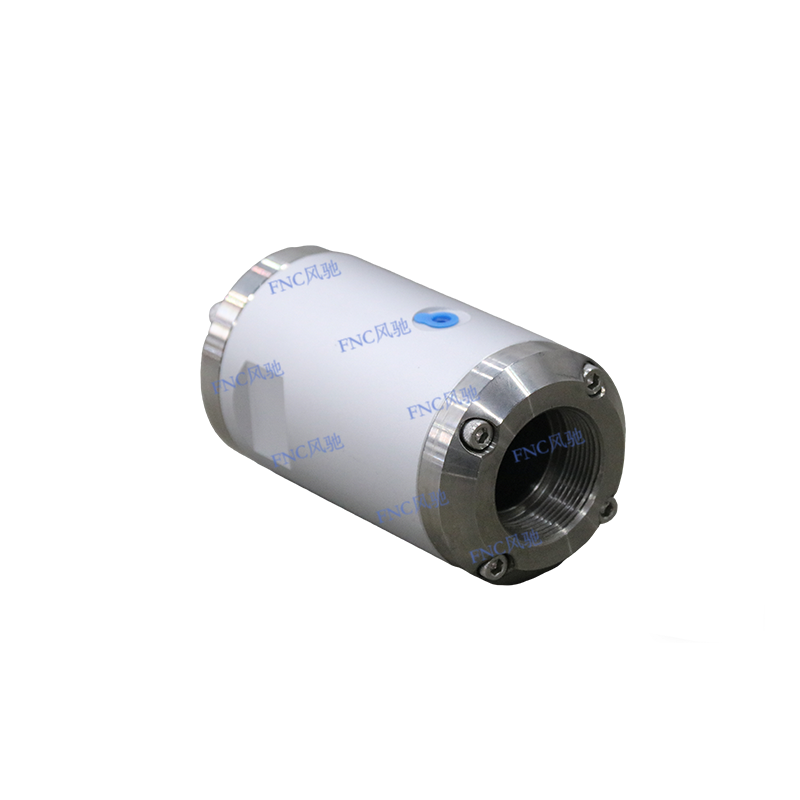
Air Operated pinch valves offer a unique and cost-effective solution for fluid control problems. The secret lies in the rubber valve sleeve - the onl...
See Details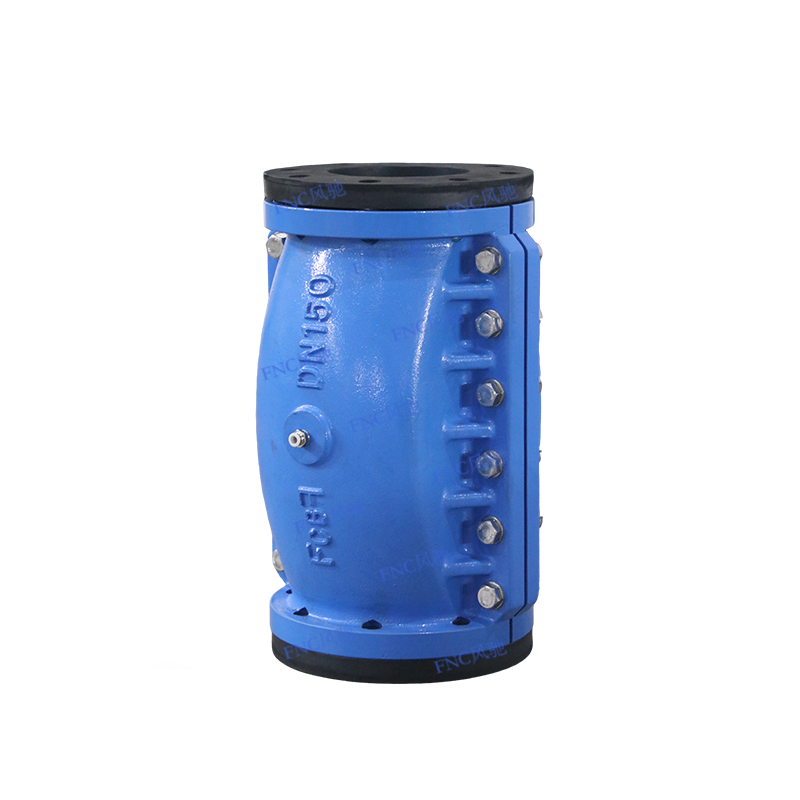
Air Operated pinch valves offer a unique and cost-effective solution for fluid control problems. The secret lies in the rubber valve sleeve - the onl...
See Details
Phone: +86-136 7173 4086

Tel: +86-563 5033 866

Email: red@pinchvalves.com.cn

Address:
